Ingredient Encyclopedia
Check the characteristics of the ingredients and how to use them in cooking.
couscous
1
2
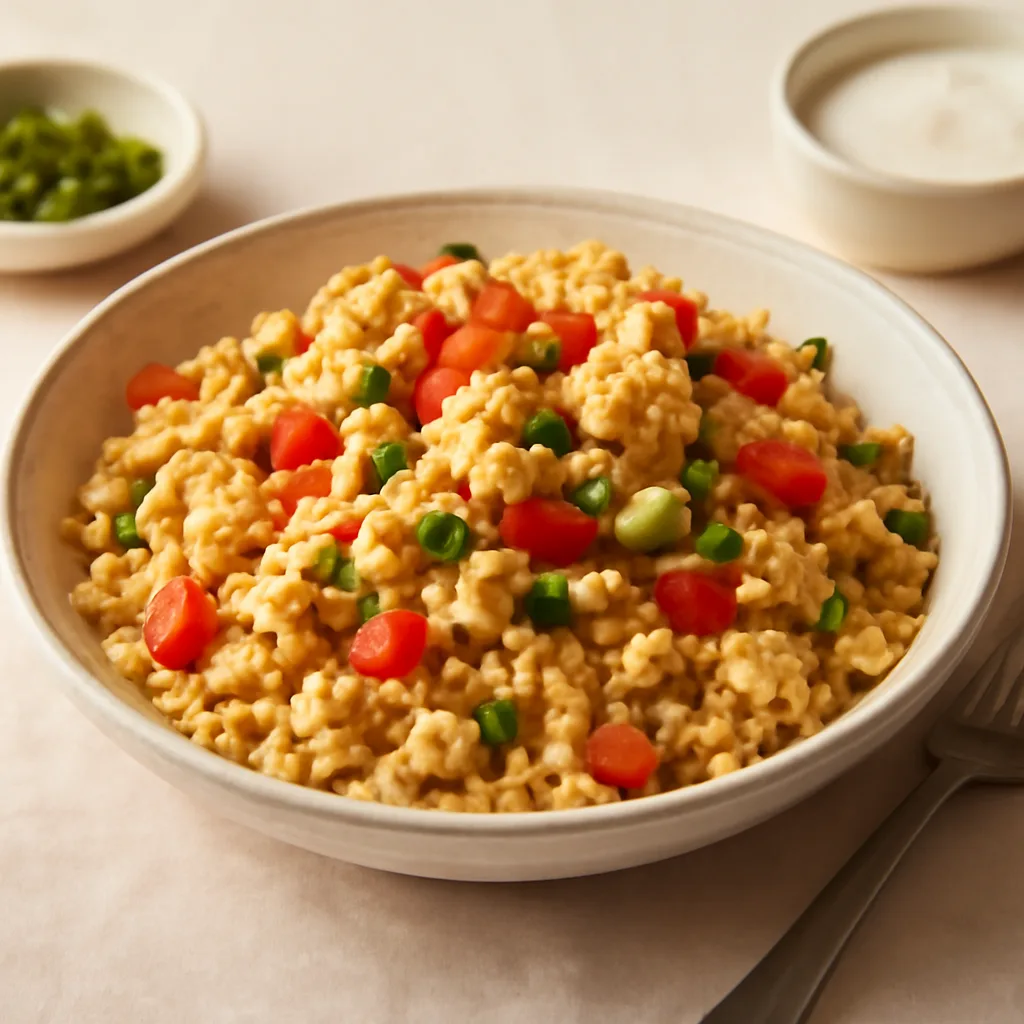
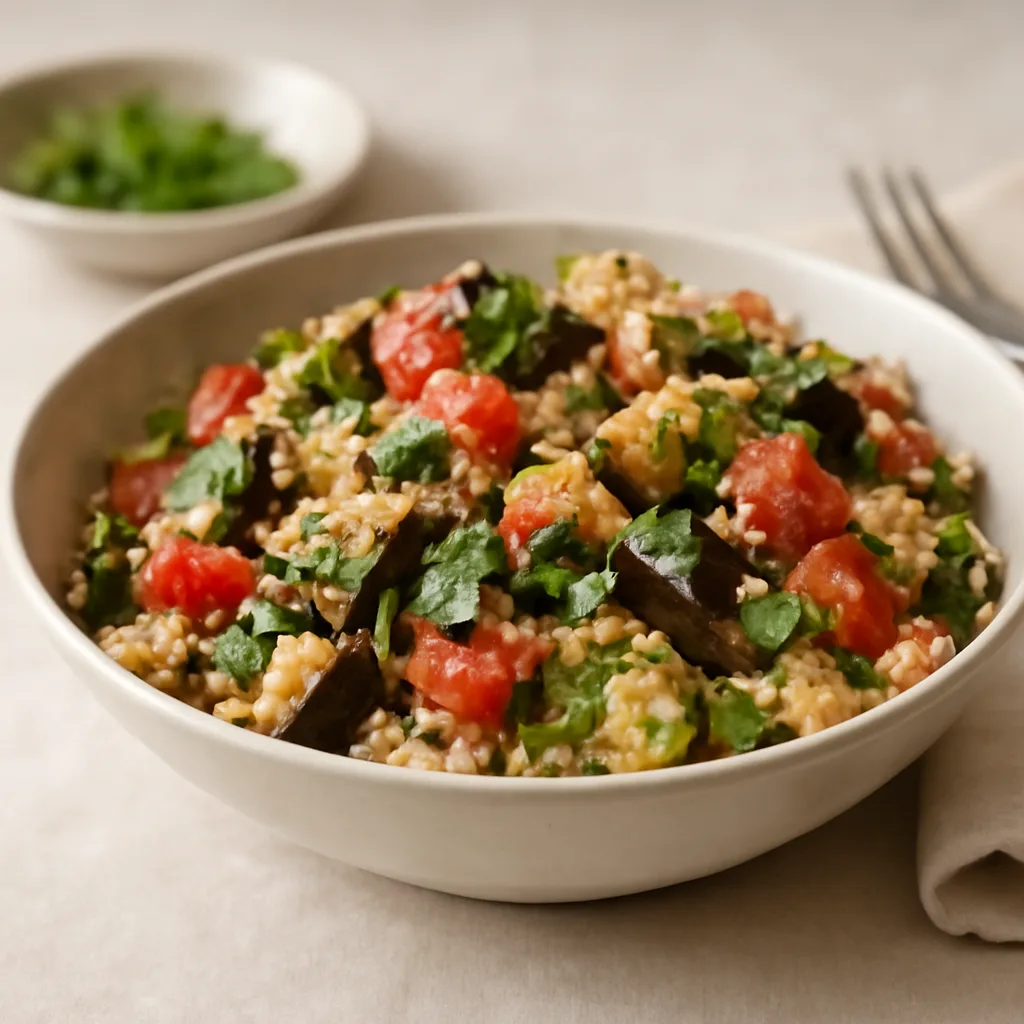
Couscous is a small, granular wheat product that cooks quickly by absorbing hot liquid. In everyday cooking, it can serve as a light side dish, a base for vegetables and proteins, or a warm or chilled component in salads. The most common fine couscous needs steaming or soaking rather than prolonged boiling; follow the package ratio when available, since grain size and processing vary. Its mild flavor makes seasoning important. Use a flavorful broth, toasted spices, herbs, or a dressing to give it direction, then fluff it after resting so the grains stay separate. It is less suitable when a dish needs the chewy, distinct grains of rice or the creamy starch release of risotto. Couscous is also used in dishes such as couscous chicken soup, where it can turn overly soft if it sits in hot broth for too long. For soup, cook it separately or add it near the end when a tender, not swollen, texture is wanted.
Taste and Texture
Couscous has a gentle wheaty, slightly nutty flavor and readily takes on the taste of the liquid and seasonings around it. Toasting it briefly in oil or butter before adding liquid can deepen that grain-like flavor, though this is not ideal when the goal is a very soft, delicate result. Properly hydrated couscous is tender and fluffy, with separate small grains. If it seems pasty or clumped, it has usually absorbed too much liquid or been stirred excessively; let it rest, then loosen it gently with a fork.
Main uses
- Serve couscous alongside roasted vegetables, grilled meat, fish, or legumes, using stock or seasoned water as the cooking liquid.
- Turn it into a salad by cooling the cooked grains and folding in crisp vegetables, herbs, citrus, olive oil, and a salty element such as cheese or olives.
- Use it as a quick bed for saucy stews or braises. Keep the couscous relatively dry and fluffy if the sauce will be spooned over it.
- In couscous chicken soup, add cooked couscous to individual bowls or shortly before serving. This limits continued absorption that can make the broth seem sparse and the grains overly soft.
Preparation tips
- Check whether the package contains fine, medium, or larger pearl-style couscous, because the method is not interchangeable. Fine couscous commonly hydrates off the heat, while larger varieties generally need simmering like pasta.
- Bring the measured liquid to a boil with salt and any desired fat or aromatics, stir in the couscous, cover, and remove from the heat if using a fine variety. When the surface looks dry after resting, fluff with a fork rather than pressing or beating the grains.
- For extra flavor, sauté onion, garlic, or spices in oil first, then add the liquid. Keep spices from scorching: if they darken rapidly or smell acrid, lower the heat and add liquid promptly.
- Spread cooked couscous on a tray to cool when making a salad. Packing it into a deep bowl while hot traps steam and can leave the center damp and clumpy.
Cooking characteristics
- Couscous absorbs liquid quickly, so a small change in liquid amount can noticeably shift the final texture. If dry grains remain after the resting time, sprinkle in a little hot liquid, cover again, and wait briefly instead of adding a large amount at once.
- Fine couscous continues to soften in broth, dressings, and other wet ingredients. When the finished dish must hold for a while, keep extra liquid or dressing separate until closer to serving.
- Stirring during hydration can release surface starch and break up the grain structure, making the mixture heavier. A single initial stir is usually enough; fluff after resting once the grains have hydrated.
- Pearl-style couscous behaves more like small pasta and can remain pleasantly chewy when simmered. It is a better choice than fine couscous when a dish needs a sturdier grain that will be stirred through a sauce.
Good combinations
- Build flavor with warm spices such as cumin, coriander, cinnamon, or paprika, then brighten the finished couscous with lemon, vinegar, or fresh herbs.
- Pair its soft, neutral character with roasted squash, carrots, tomatoes, chickpeas, lentils, chicken, lamb, or flaky fish. A crunchy addition such as toasted nuts or seeds gives contrast when the rest of the dish is soft.
- For soup, use a clear, well-seasoned chicken or vegetable broth and add herbs at the end. If the broth tastes muted after couscous is added, adjust the broth itself rather than heavily salting the grains alone.
Points to consider when substituting
- For fine couscous as a quick side or salad base, bulgur can provide a similarly fast, grain-like role, although it is chewier and has a stronger wheat flavor. Use quinoa when a lighter, more distinct grain is preferred, but expect a different texture and cooking method.
- Pearl couscous can often be replaced with small pasta such as orzo in soups and saucy dishes. This works best when the shape is less important than the tender, pasta-like bite.
- Rice is a workable substitute for couscous under stews or braises, but it takes longer and creates a different, more substantial base. Do not substitute it at the same timing in a recipe without adjusting the liquid and cooking time.
- In couscous chicken soup, small pasta or cooked rice is often more forgiving if the soup will sit before serving. Add either according to its own cooking needs, since neither absorbs broth at the same rate as fine couscous.
Ingredients commonly used together in actual dishes
Aggregated based on the co-occurrence count of representative ingredients in public dishes registered in CookPagoda.
Dishes that use this ingredient
Shows dishes where this ingredient is a representative ingredient, sorted by view count.