THEME GUIDE
Theme guide
Check the selection criteria and cooking ideas for foods that match this theme.
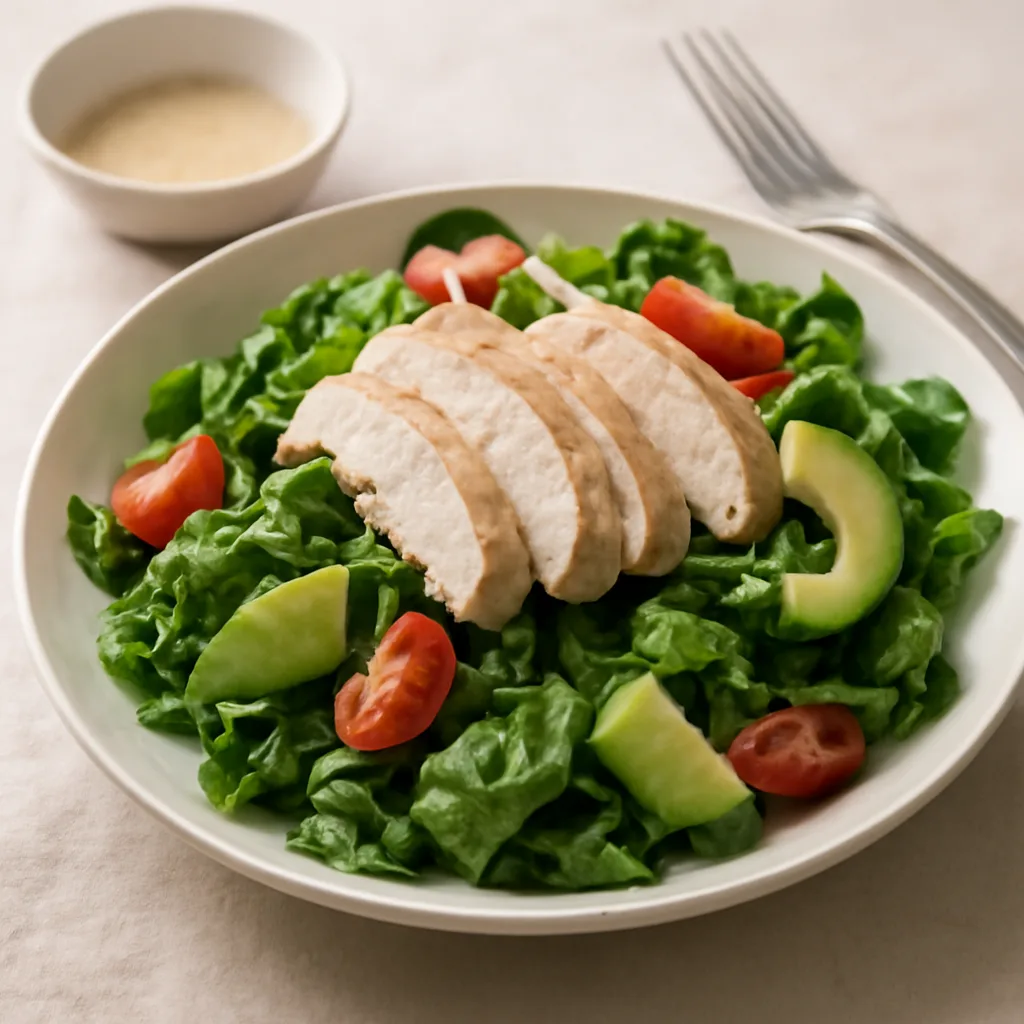
Healthy eating isn’t a single-ingredient rule but a meal topic to explore composition and cooking method without stress. It often involves combining vegetables, fruits, grains, legumes, and protein ingredients in a balanced way to highlight the ingredients’ natural flavors and textures when choosing a menu.
Well-suited for these people
- People who want a meal with vegetables, protein, and staples but don’t want complex dietary rules.
- When prepping weekday meals at home, you’ll find it useful to manage ingredient combinations simply.
- People who prefer dishes that let ingredients’ flavors shine over strong seasonings or heavy fats may choose this.
- However, if you have special dietary restrictions or allergies, don’t judge by the category alone—check each dish’s ingredients and seasonings separately.
Food Selection Guide
- See what’s missing among vegetables or fruits, protein ingredients, grain or starch ingredients on the plate. If something is completely absent, consider supplementing with a side or choose a menu with a different composition from the start.
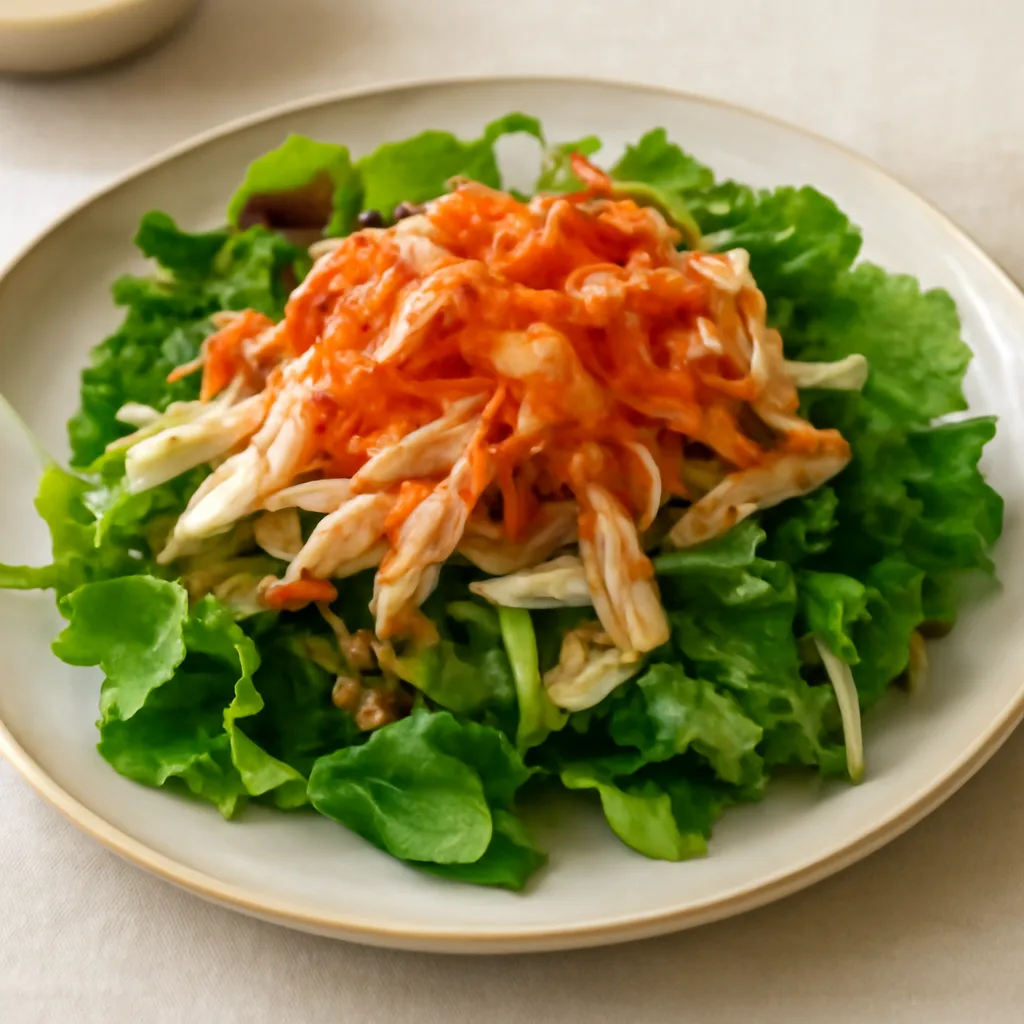
- If a sauce is provided separately or heavily coats the surface, the flavor may center on the seasoning, so to taste the ingredients, choose a menu where the sauce can be added separately.
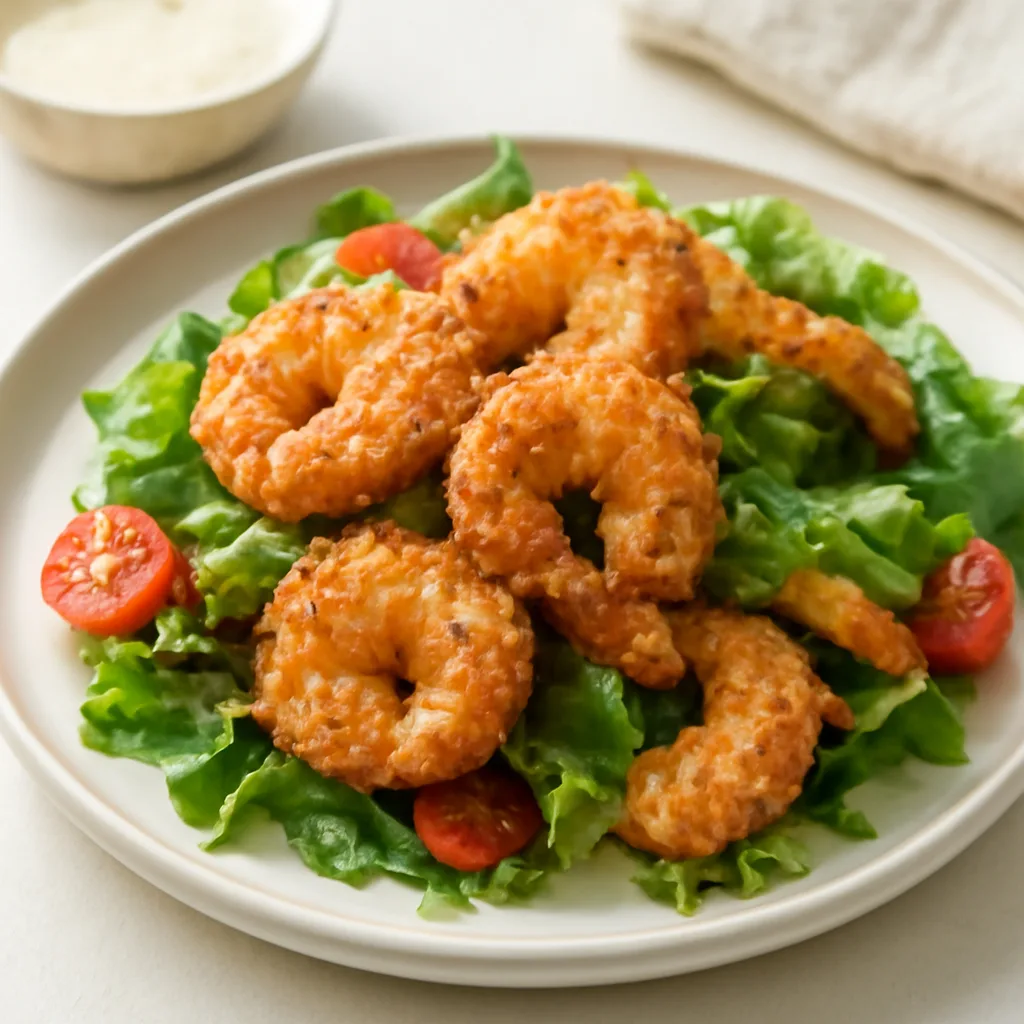
- Dishes with thick batter and noticeable oil may be farther from the goal of lightness. If you need a crisp texture, adjust by including some roasted ingredients.
- When a cold salad feels too light, add one warm element such as warm soup, roasted protein, or grain side to complete the meal.
Frequently paired ingredients
- Use leafy greens, root vegetables, mushrooms, and colorful, texturally varied vegetables like tomatoes to create a flow of eating rather than a monotone mix of one vegetable.
- Whole grains such as brown rice, oats, barley or starchy ingredients like potatoes and sweet potatoes can serve as staples; if the salad feels sparse, add one of these.
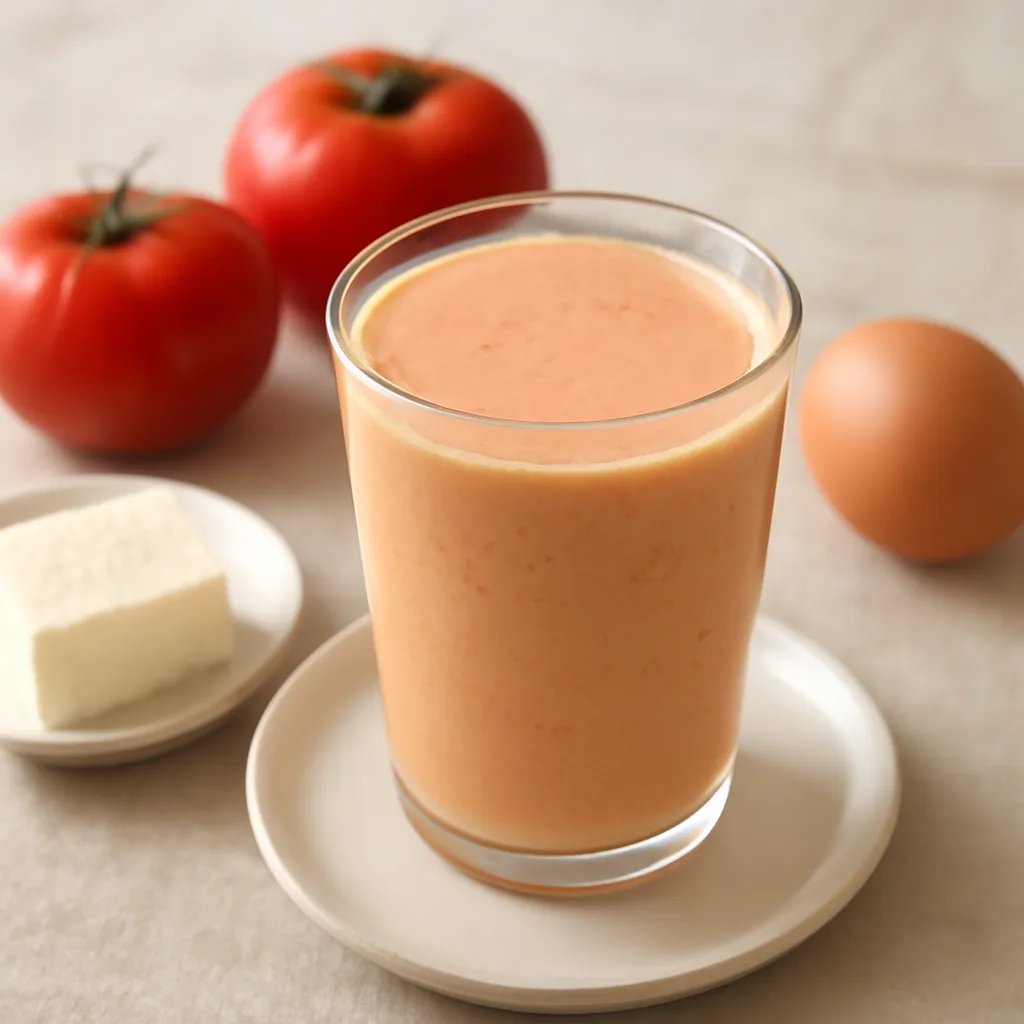
- Tofu, beans, eggs, fish, and lean meats are protein options depending on the dish. If using ingredients with already salty seasoning, adjust the remaining salt later.
- Nuts, seeds, and olive oil add richness, but too much quantity can make the overall flavor heavy, so start with small amounts as finishing touches.
Compatible cooking methods
- Steaming and boiling keep moisture and tend to yield a softer texture, suitable for sturdy root vegetables and mild protein ingredients.
- Roasting can enhance surface aroma without relying too much on seasoning; if the pan isn’t hot enough and moisture escapes, avoid crowding the pan all at once.
- Stir-frying is quick for multiple vegetables, but over high heat can make leafy greens too soft; add firmer ingredients first and softer ones last.
- Broths or soups help unify ingredients in one bowl, but strong stock and seasonings can mask ingredients; start with a light seasoning and adjust just before eating.
Tips for beginners
- Start with few elements, such as one staple, one protein, and two kinds of vegetables. Too many ingredients can make prep difficult to sustain.
- If vegetables release a lot of water and the dish seems bland, don’t add a lot of salt at first; instead cook watery ingredients separately or toss sauces just before serving.
- If cooked grains or roasted vegetables feel dry, pair with a small amount of tart dressing, yogurt-based sauce, or clear broth to add moisture.
- If you reduce all seasonings at once, flavors may be flat. Use aromatic spices, herbs, garlic, scallions, and lemon to set the flavor direction first.
Menu Composition Tips
- Mix different colors and textures within a single meal to avoid monotony, even with repeated ingredients; for example, pair soft tofu with crunchy vegetables or roasted mushrooms.
- On busy days, base meals on pre-cooked grains or roasted vegetables and vary the day’s protein and sauce for easy menu changes.
- If cold dishes are too frequent, rotate warm soups, stews, or grilled items according to season or preference to keep satisfaction high.
- Trying many new ingredients in one meal can make leftover handling and flavor balancing difficult. A practical approach is to stick to a familiar base and add one new vegetable or sauce.
RELATED FOODS
Foods included in this theme
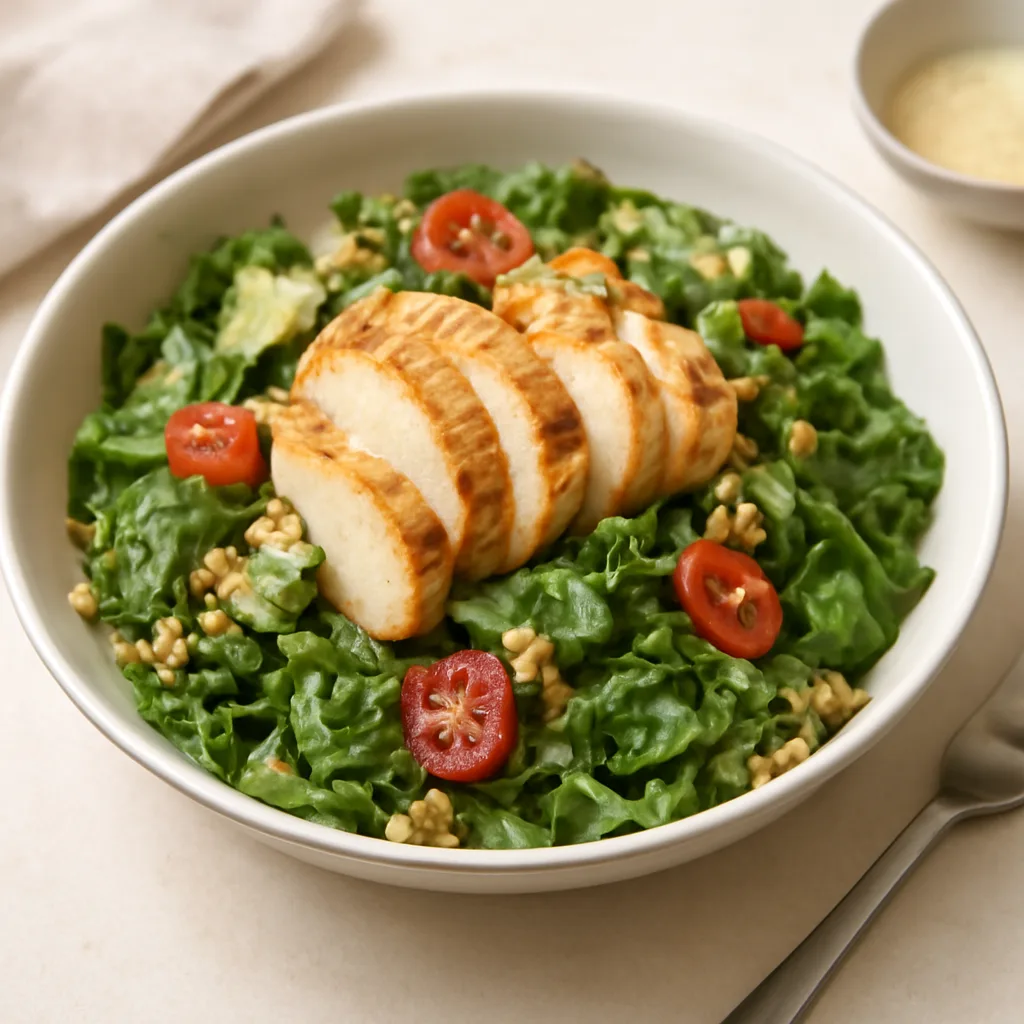
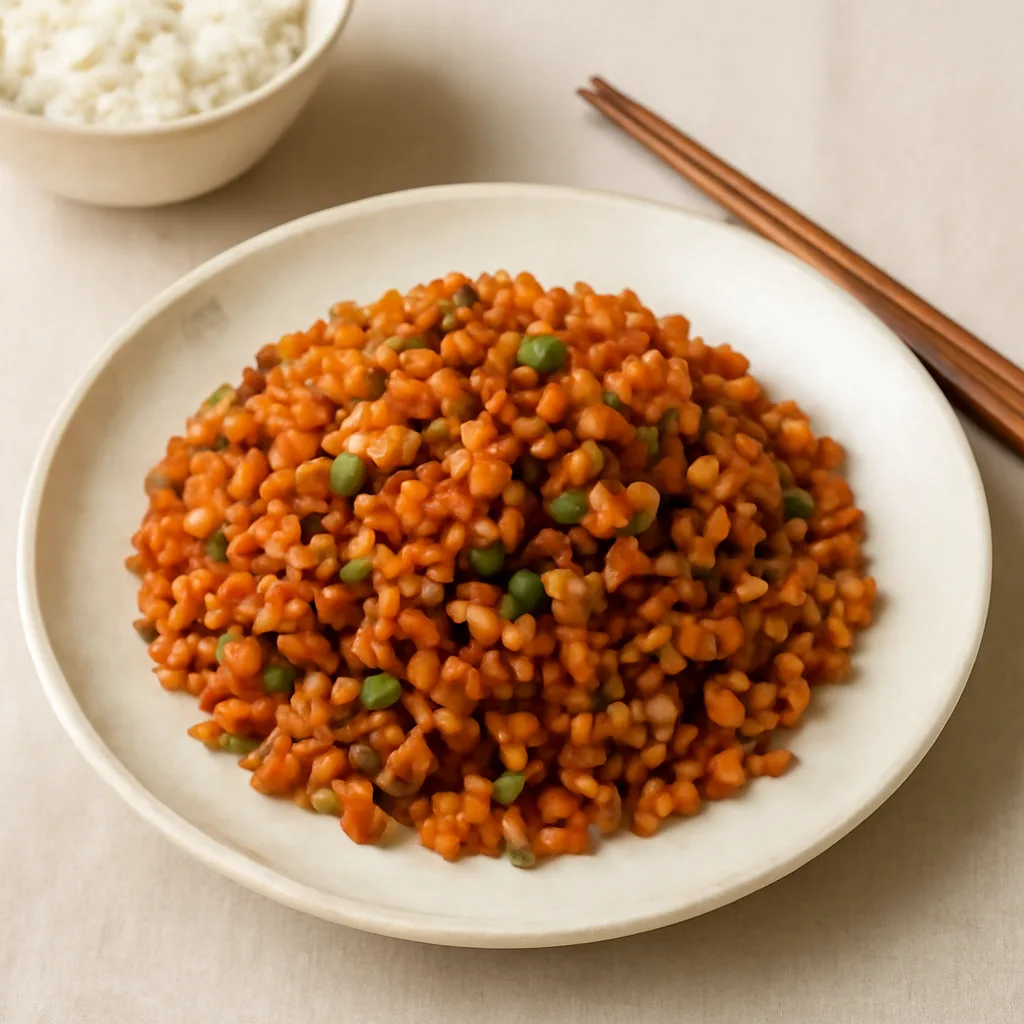
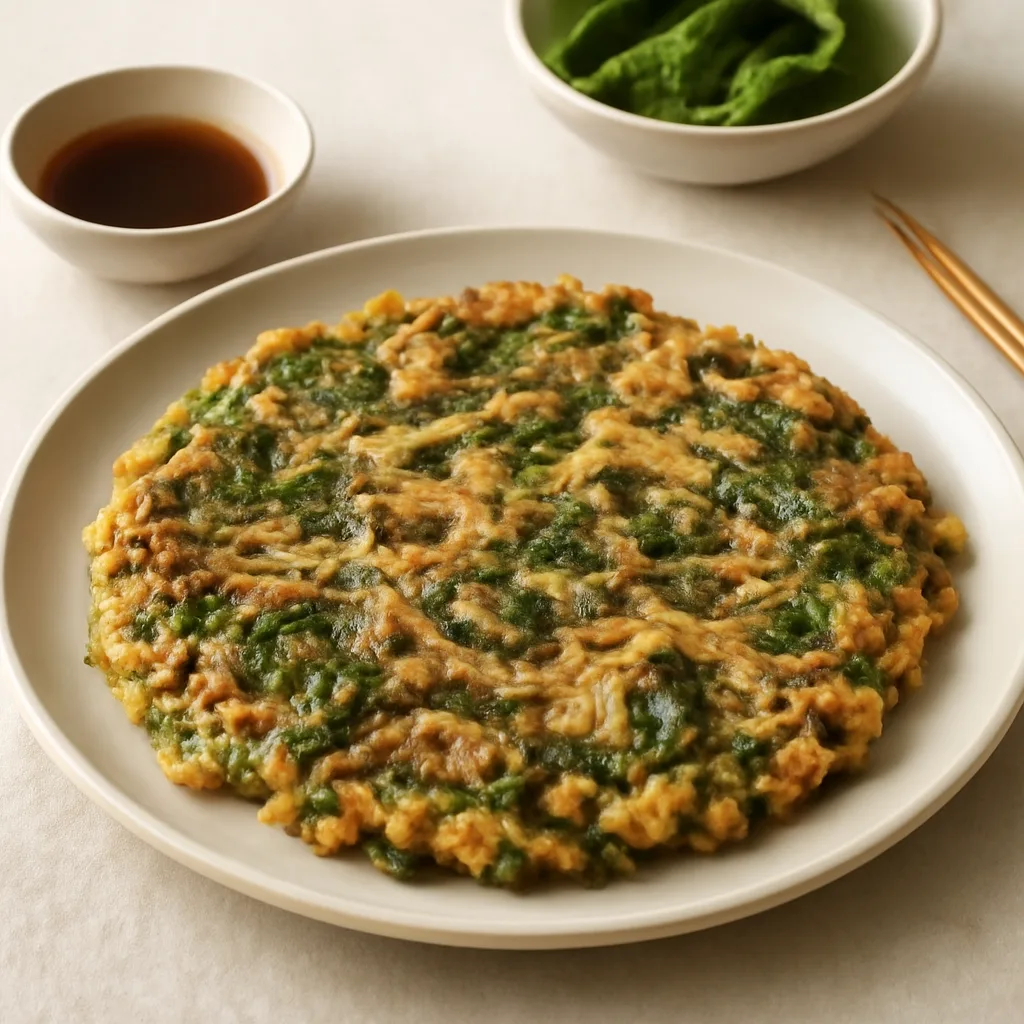
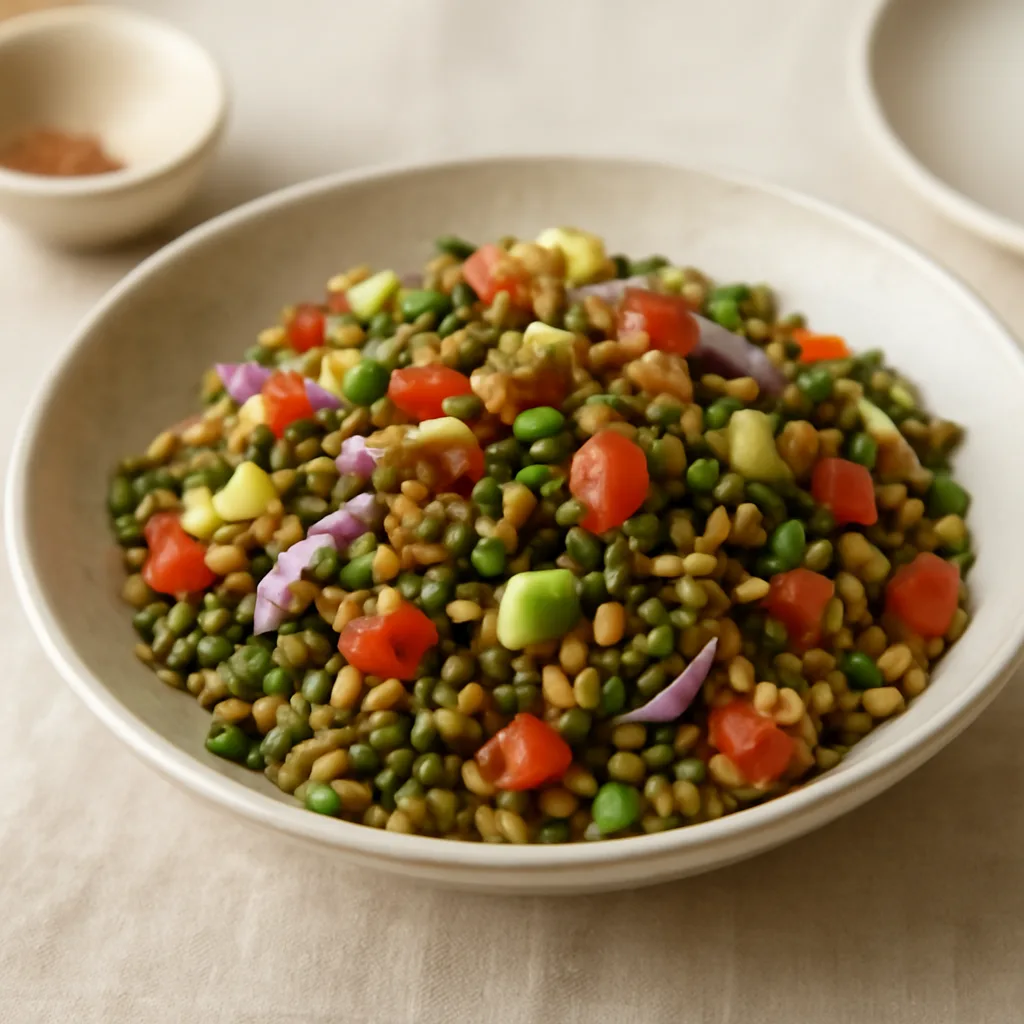
Here are the foods included in this theme, sorted by views from CookPagoda's public food.