Theme guide
Check the selection criteria and cooking ideas for foods that match this theme.
Summer dishes refer to foods chosen with considerations for warm-day-friendly temperatures and textures, short cooking times, and the freshness of seasonal ingredients. The range is wide—from cold servings of noodles, broth, and salads to quickly cooked stir-fries and grilled items—so there is no need to limit to “cold foods.” When selecting a menu, look at both the table temperature and the cooking environment. On days when standing a long time in front of the stove is burdensome, quick finishing dishes like boiling, blanching, or tossing can be convenient, and when it’s rainy or cold dishes aren’t appealing, warm broths or grilled items also fit well for a summer spread. However, placing only cold dishes consecutively can dull texture and flavor, so it’s good to mix at least one other element, such as crisp vegetables with soft proteins, to create contrasts. In summer cooking, ingredients with moisture and aroma or color that stay vibrant—such as cucumber, tomato, eggplant, zucchini, corn, and leafy greens—are advantageous. Since the ingredient itself strongly influences flavor, if leaves look wilted or fruits and vegetables are fading, it’s useful to cook them rather than serve raw or to substitute another ingredient.
Well-suited for these people
- Ideal for people who want to prepare a quick meal on hot days instead of doing complex cooking.
- Useful when you want to eat a single bowl or simple side dishes consisting of starch, vegetables, and protein because of a heavy appetite or preference.
- If multiple people are eating, you can accommodate different temperature preferences by offering one cold item and one warm item together.
- If the goal is to store for a long time, it’s better to prioritize dishes that are ready to eat after cooking rather than water-rich fresh salads.
Food Selection Guide
- Choose a menu with minimal preparation of vegetables and already-prepared noodles or rice if mealtime is near and the kitchen is hot. Dishes that require repeatedly frying ingredients or long simmering can increase heat and dishwashing.
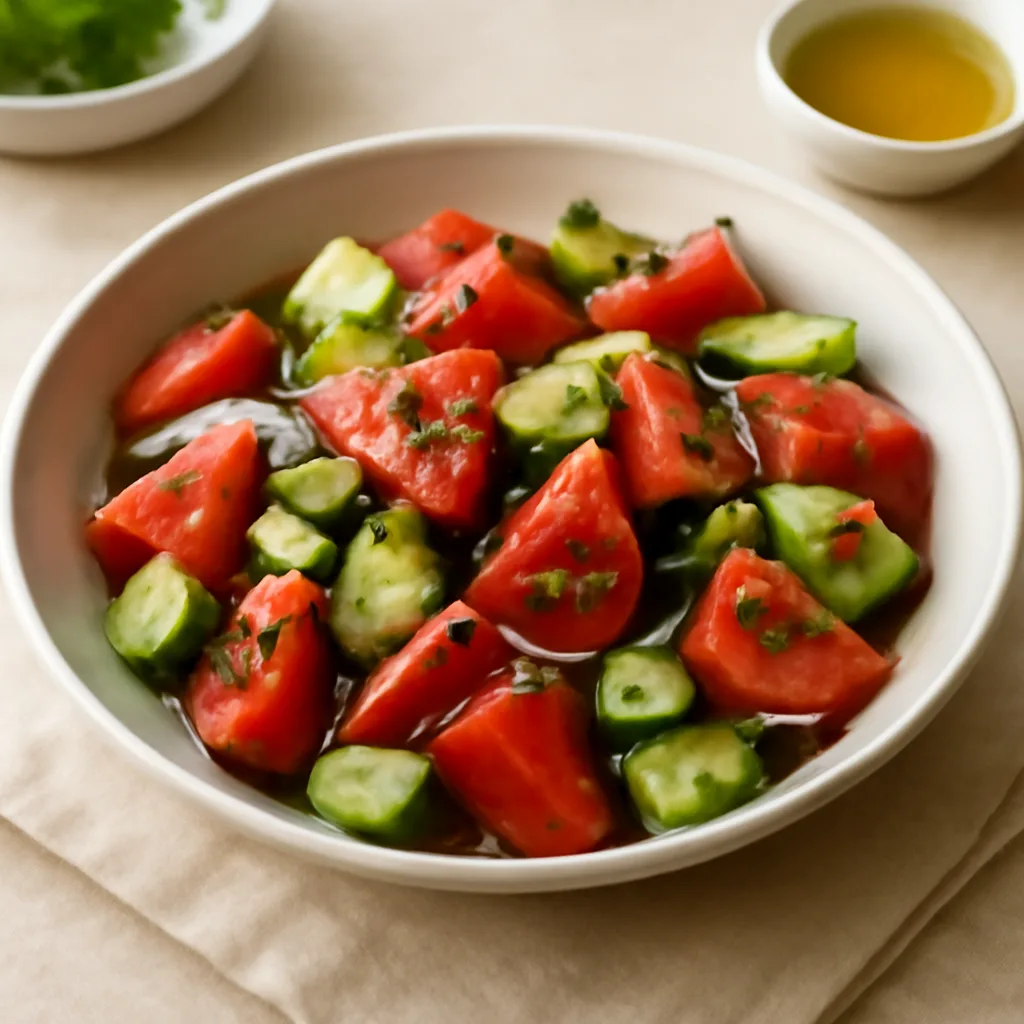
- If ingredients that can be eaten raw are firm and have strong aroma (like cucumber or tomato), dishes such as cold salads, chilled soups, or unfired preparations suit well. Conversely, if they become soggy or release too much moisture, switch to grilling, stir-frying, or sauce-based cooking for stability.
- If the main dish is spicy or sweet-sour, pair with a mild rice, tofu, egg, or roasted vegetables to balance the flavors. When all dishes have strong seasoning, individual flavors may not stand out.
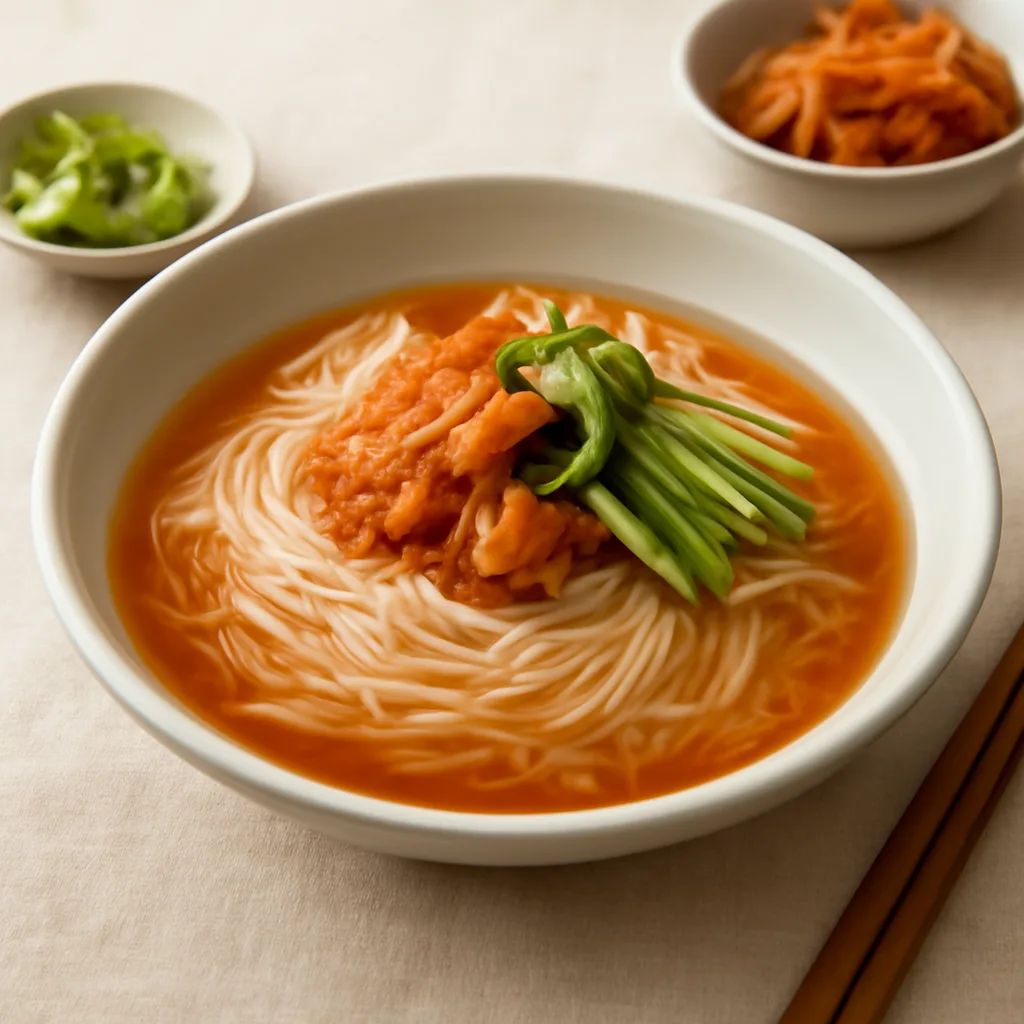
- When choosing cold noodles or chilled soups, check if you can prepare the broth, seasoning, and solids separately. If mixed in advance, the noodles may become soft or flavors may be washed out by vegetable moisture.
Frequently paired ingredients
- Crisp, fresh vegetables like cucumber, tomato, and lettuce add a refreshing texture and impression; if they look watery, trim and dry lightly before use.
- Summer vegetables like eggplant, zucchini, and bell peppers are good for grilling or sautéing. If the skin is very dry or seeds are soft, cooking methods that heat the vegetables may be more suitable than raw salads.
- Tofu, eggs, chicken, fish, and legumes can provide a filling center for meals that may feel short on vegetables and noodles or rice. Adjust the seasoning concentration depending on whether serving cold or warm.
- Vinegars like vinegar and lemon juice, and seasonings like soy sauce, salt, gochujang, or chili powder are common in summer menus, but too much acidity and salt at once can mask the natural sweetness and aroma of ingredients.
Compatible cooking methods
- Blanching and boiling are suitable when preparing leafy greens or noodles quickly. After cooking, spread them out or rinse briefly in cold water and squeeze out moisture well.
- Tossing (mian) goes well with raw vegetables like cucumber, but if you add seasoning too early, moisture can release. Toss just before eating or keep vegetables and seasonings separate until combined.
- Grilling and stir-frying are useful for ingredients like eggplant and zucchini that soften in texture when cooked. If the pan isn’t hot enough or you add many pieces at once, moisture may release and it becomes more braised than fried, so cook in batches.
- Chilled soups or cold sauces should be prepared by cooling the seasoning first and then tasting again. In a cold state, the flavor perception can change, so avoid strong seasoning from the start.
Tips for beginners
- Start simply by fixing one main ingredient, one protein, and one direction for seasoning. As ingredients and seasonings increase, balancing moisture and salt becomes harder.
- If washing vegetables, leaving surface moisture can thin the sauce. Drain well in a sieve or pat dry with paper towels before tossing.
- If noodles stick together or seasoning doesn’t coat evenly, it may be because they weren’t rinsed and drained enough after boiling. Rinse thoroughly, drain, and mix sauce just before eating.
- If you're worried about spiciness or sourness, don’t add some seasonings at the beginning; add them at the end. Once flavors are strong, diluting with other ingredients becomes harder.
Menu Composition Tips
- When planning a meal, divide roles with one cold dish, one cooked dish, and one starch or protein-centered item to keep the spread from feeling monotonous.
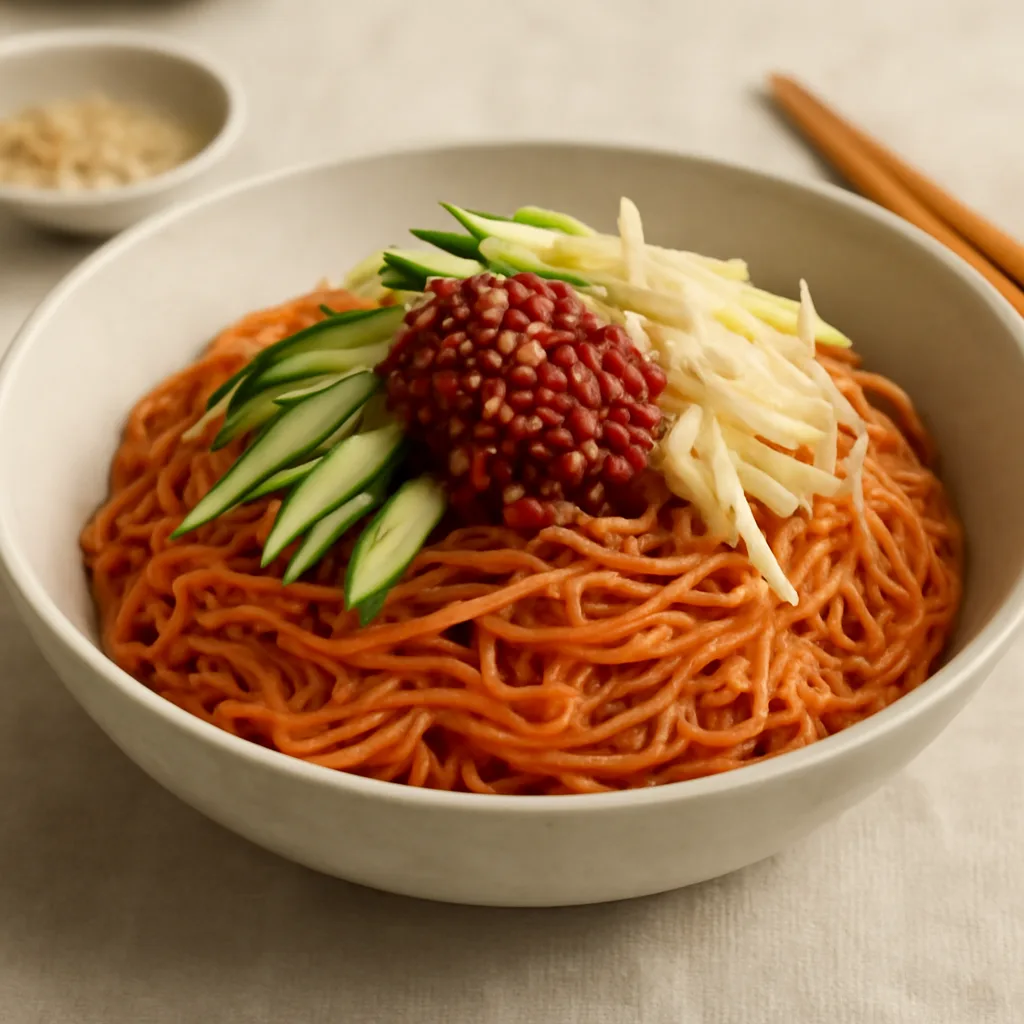
- On days when noodles are the star (like cold noodles or bibim noodles), adding simple sides like grilled vegetables, boiled eggs, or tofu keeps the menu from becoming overly long.
- When serving fresh salads and chilled soups together, adjust seasonings differently. If both are too sour or spicy, one should be milder to avoid similarity in taste.
- For occasions with longer preparation times, keep the salad ingredients and sauces separate and assemble noodles, vegetables, and broth just before serving. Conversely, for a family meal that will be eaten soon, simplify to a one-bowl option to reduce cooking heat.
Foods included in this theme
Here are the foods included in this theme, sorted by views from CookPagoda's public food.