Theme guide
Check the selection criteria and cooking ideas for foods that match this theme.
South East Asian cuisine is a theme that invites dishes where various regional spices, herbs, sauces, and fresh ingredients come together, rather than tying to one single method or taste. The bright acidity like lime, the heat of chilies, the aroma of fresh herbs, the creaminess from coconut or peanuts, and the umami from fish sauces combine to leave different impressions depending on the pairing. When choosing a menu, it is helpful to first decide the core flavor you want. For a light and refreshing meal, look for dishes that showcase herbs, vegetables, and acidity; for a hearty meal, check for dishes with a coconut-based sauce or with noodles or rice. If strong aromas feel overwhelming, opt for dishes with less spice or more side vegetables to expand your choices. Even under the same name, there are soups, stir-frry, grilled dishes, salads, and rice or noodle dishes, so it is difficult to judge by spiciness alone. If the sauce is rich and salty, pair with bland rice or raw vegetables; for menus where acidity and aroma are central, add more protein or starchy ingredients to balance the meal.
Well-suited for these people
- If you want a bright, spicy, herbaceous, or deeply sauces flavor, this is well suited for you.
- If you want a quick meal on a busy day, you can choose dishes that pair staples like fried rice, noodles, or curry with the sauce.
- On gatherings with many people, a setup with a separate spicy sauce or strong side is convenient, but some dishes may not suit those who want no spice at all.
Food Selection Guide
- If you see ingredients that hint at acidity like lime, herbs, or pickled vegetables in the menu description, it’s likely a lighter direction to whet the palate, so start with dishes where spiciness can be adjusted.
- If ingredients to deepen flavor like coconut milk, peanut sauce, or rich broths appear, the dish may feel heavy, so check if there are plain rice or vegetable sides.
- Dishes centered on chili, chili paste, or hot sauces tend to be very spicy, so if you are not used to heat, add only half the sauce or offer it separately.
- If you are worried about the aroma of fish sauce or fermented sauces, rather than expecting the aroma to disappear after cooking, start with relatively fresh-tasting dishes that use lemongrass, lime, and herbs together.
Frequently paired ingredients
- Lime, lemongrass, cilantro, and other sour/aromatic ingredients can brighten the sauce or broth, so if the aroma feels strong, adjust by adding a little more at the end rather than increasing the amount overall.
- Herbs like chili peppers, garlic, ginger, and shallots are easy to sauté or crush to build the flavor base; if it smells scorched, lower the heat and add liquid ingredients first.
- Coconut milk, peanuts, sesame seeds, and similar can add a creamy texture to sauces, but too much can mute other aromas, so pairing with a touch of acidity or herbs is possible.
- Rice, rice noodles, vermicelli, vegetables, chicken, seafood, and tofu can be used together depending on the menu, so you can compose a meal with one protein and two or three vegetables.
Compatible cooking methods
- High-heat quick stir-fry is good for blending herbs and sauces in a short time, but if the pan isn’t hot enough, ingredients may release water and simmer rather than fry, so cook ingredients in batches.
- Soups or coconut-based dishes benefit from toasting spices first and then adding liquids, but finishing with herbs and lime juice is better since they can dull if boiled too long.
- Grilling or skewer cooking adds flavor by brushing on thin layers of marinade, but sugary marinades can darken quickly, so grill over medium to low heat and simmer remaining marinade separately to use as sauce.
- For raw or lightly dressed salads, dress the sauce just before serving to minimize moisture; when preparing in advance, keep greens and dressing separate.
Tips for beginners
- In the beginning, you can use store-bought curry paste or sauces, but saltiness and heat levels vary by product, so don’t pour lots of water or coconut milk at once—adjust by taste.
- If lime juice or vinegar makes the sourness too sharp, balance by adding more sweetness or small amounts of water/broth/coconut ingredients rather than increasing acidity.
- Linguine or noodles can clump or break if cooked too long or left in sauce too long, so cook noodles slightly under and toss quickly at the end.
- Rather than buying many spices at once, start with ingredients for one or two dishes you want to make more often to reduce leftovers.
Menu Composition Tips
- Pair a rich main with a bright side to create flavor contrast in a dish. For example, a coconut-based dish can be complemented with herbs, cucumber, and lime as a light vegetable side.
- When focusing on spicy stir-fries or soups, prepare with rice, noodles, or leafy greens to help moderate the heat for individual portions.
- For a crowd, keep the base dish mild and provide chili sauce, lime, and herbs at the table to accommodate different tastes.
- If planning both noodle and stir-fry in the same meal, reorder cooking by prepping a cool side or simple grilled item separately to avoid overlapping steps.
Foods included in this theme
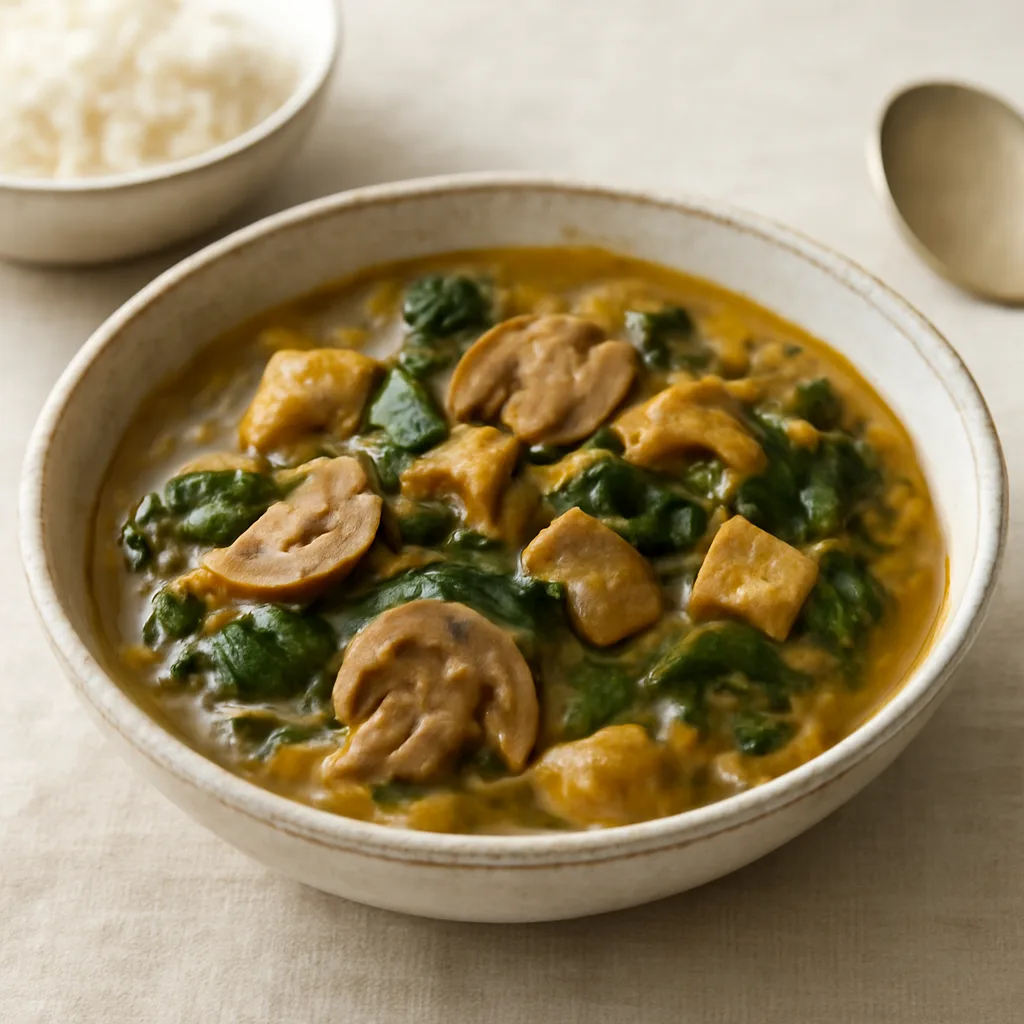
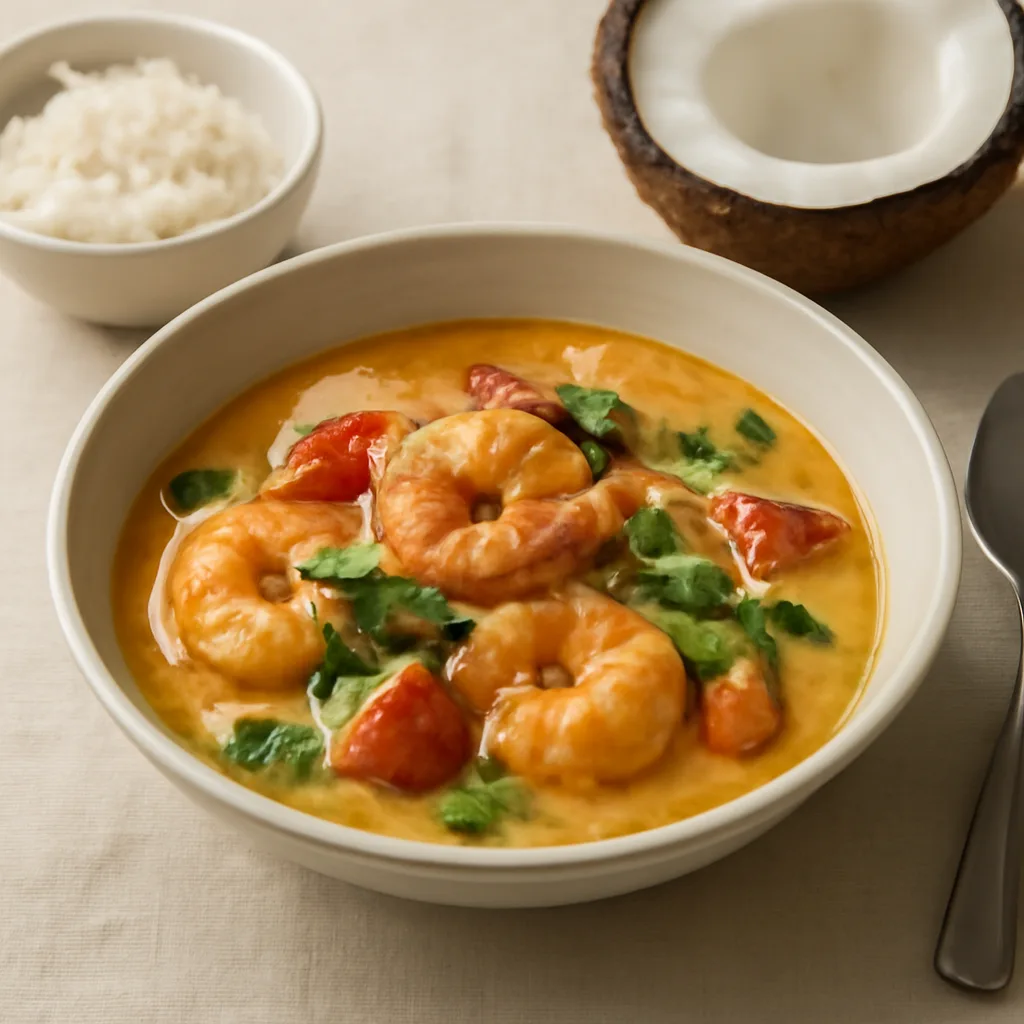
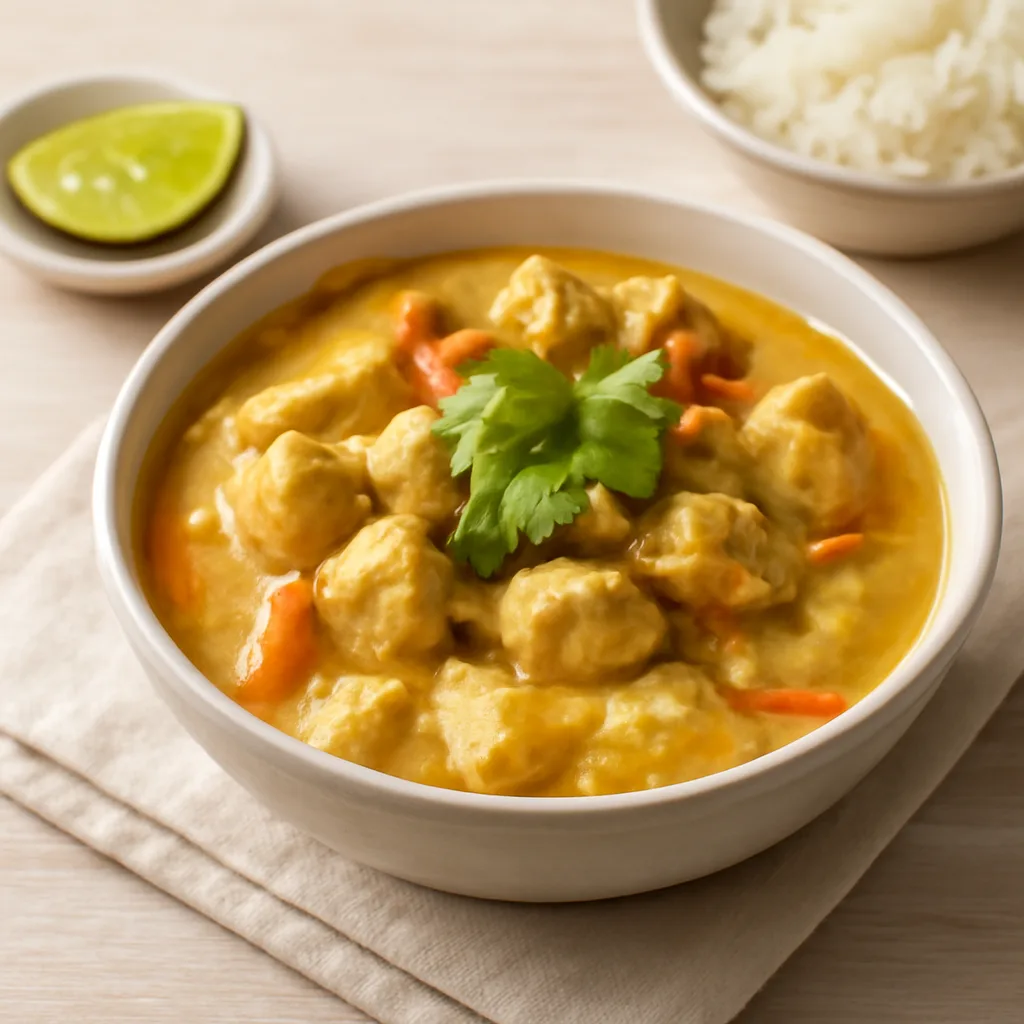
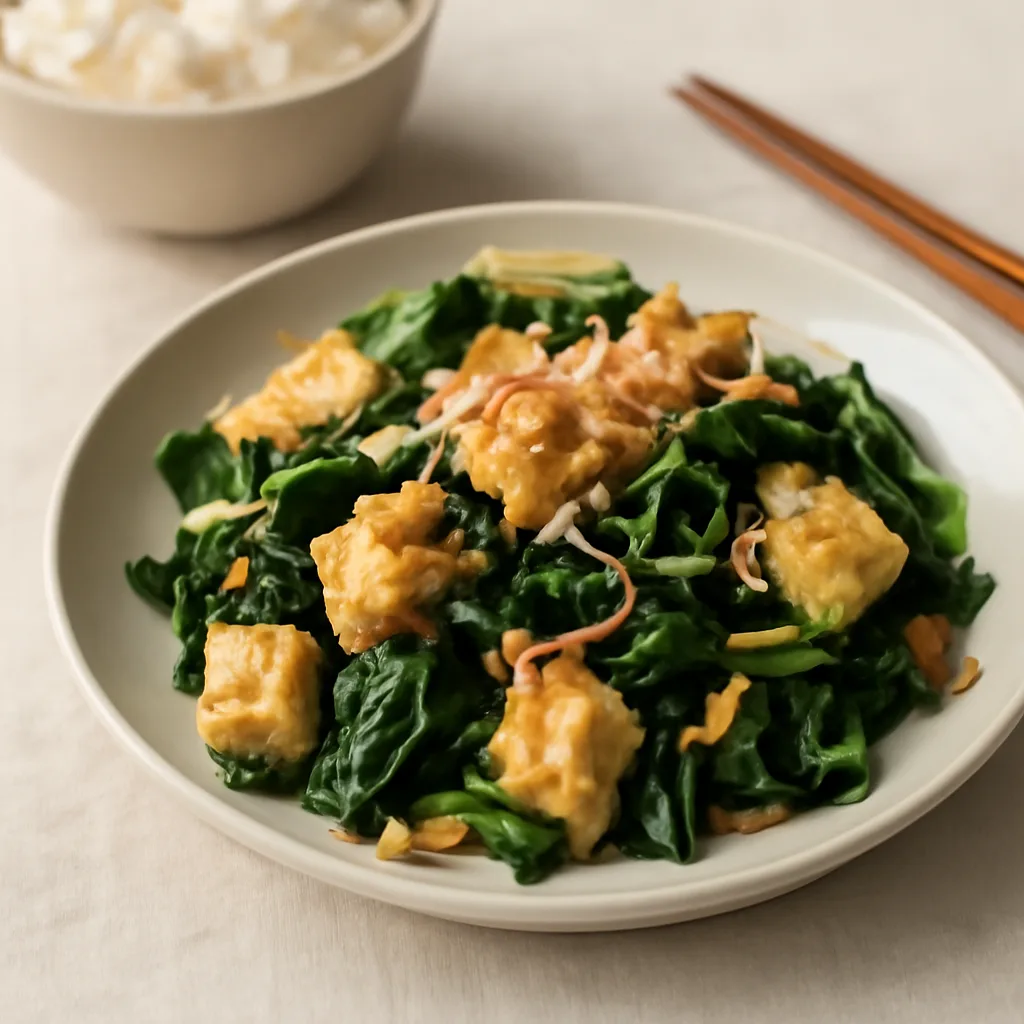
Here are the foods included in this theme, sorted by views from CookPagoda's public food.