Theme guide
Check the selection criteria and cooking ideas for foods that match this theme.
Stews are a method of cooking where ingredients simmer slowly in a broth or sauce, allowing multiple flavors to mingle in one pot, and they form a menu category. By choosing a main ingredient such as meat, seafood, beans, or vegetables and adjusting the richness of the broth and accompaniments, you can make everything from a single meal to portions that pair with bread or rice. When selecting a good stew, it’s better to consider the texture of the desired ingredients and cooking time first, rather than using a thick broth as the sole criterion. If you want it sooner, use smaller-cut vegetables and easily cooked proteins; if you can simmer longer, a composition that uses hard root vegetables or tougher parts that soften slowly is appropriate. However, not every stew gets better the longer it simmer; if the main ingredients are delicate vegetables or seafood, finishing after a shorter simmer helps preserve shape and flavor.
Well-suited for these people
- Great for someone who wants to prepare a main dish and a soup together in one pot.
- If you want to choose a cooking method to fit a mealtime, you can opt for either a rich, long-simmering composition or a lighter, shorter-simmering one.
- Useful for using up leftover vegetables in the fridge, but if ingredients have very different cooking times, some may become overly soft if cooked together.
- Suitable for meals where you want to balance fullness with sides like bread, rice, pasta, or potatoes.
Food Selection Guide
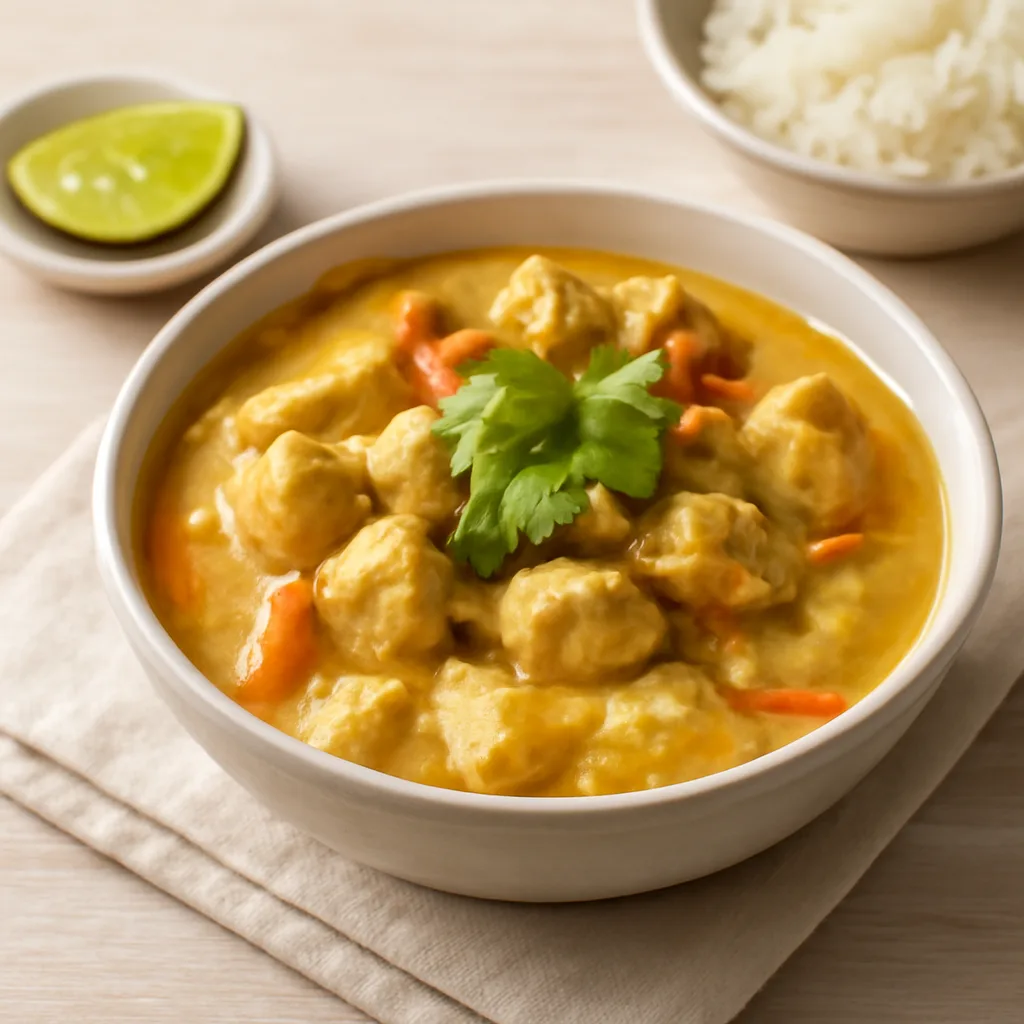
- If you want large pieces of ingredients floating in the broth, choose sturdy ingredients like potatoes or carrots that maintain shape, and avoid cutting too small.
- If you need a short completion time, focus on ingredients with short cooking times such as pre-cooked beans or tender leafy greens. If using hard ingredients together, it’s safer to cook them separately and combine later.
- For a thick texture, you can use starchy potatoes, beans, grains, or mashed vegetables; for a clear broth, avoid excessive stirring that breaks ingredients.
- When choosing meat as the center, also consider the time you have and the characteristics of the cut. If time is tight, thinly sliced ingredients or easily cooked proteins are more suitable than those that require long simmering to become tender.
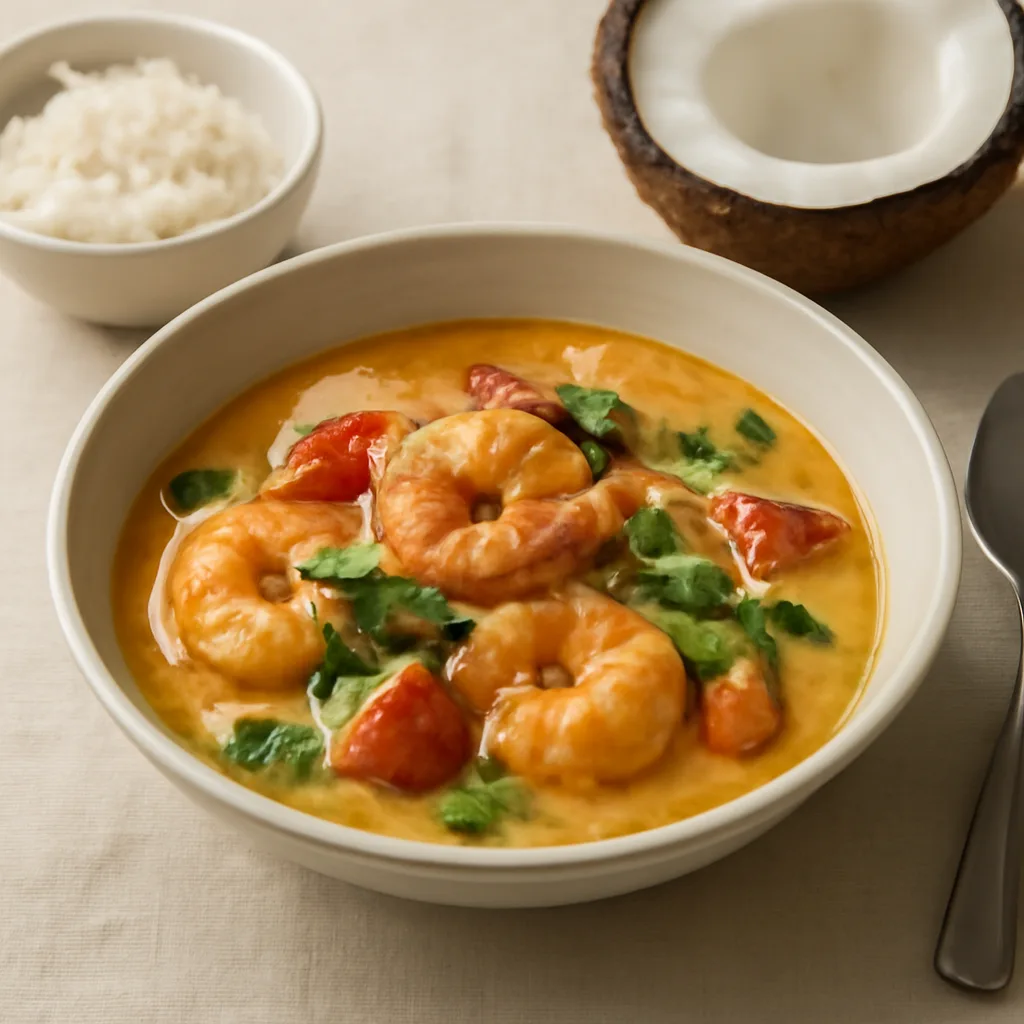
- If seafood or delicate vegetables are the main ingredients, add them toward the end after the broth is almost finished. Simmering them from the start can make ingredients tough or dull their color and texture.
Frequently paired ingredients
- Onions, garlic, celery, and vegetables such as carrots, which form the base flavor of the broth when sautéed first, releasing aromas that can be continued with liquid.
- Potatoes, carrots, mushrooms, zucchini, legumes, tomatoes, and other ingredients that are easy to use in stews, but they have different cooking times, so it’s best to add harder ingredients first.
- One main ingredient among meat, chicken, fish, seafood, tofu, or legumes can be used. When combining several proteins in the same pot, it’s hard to match each ingredient’s proper doneness, so it’s better to reduce the number of ingredients.
- Water, stock, tomato-based bases, milk or cream added to sauces, etc., can be selected according to desired thickness and flavor direction. When using dairy, if a strong boil continues, texture can separate, so adding it at the end or adjusting with low heat is appropriate.
Compatible cooking methods
- Sauté the aromatic vegetables or the surface of the meat in a thick pot first, then add liquid and simmer gently to use the browned flavors on the bottom in the broth.
- When simmering gently, if the liquid boils vigorously, ingredients may break apart and liquid can reduce quickly, so keep the surface with gentle bubbles and lower the heat.
- Covering the pot reduces evaporation and keeps the broth relatively thin; uncovering thickens the broth as moisture escapes. Choose at the final stage according to the desired thickness.
- If using an oven-safe pot, you can also slow-bake at a low temperature in the oven, but for seafood or leafy greens that cook quickly, it can be unnecessarily long.
Tips for beginners
- Before adding ingredients, trim them to roughly similar sizes to reduce differences in doneness. If potato pieces are still firm but zucchini is softening, cut harder ingredients smaller next time or add softer ingredients later.
- Start with not too much liquid and add enough to cover most of the ingredients; if it becomes too thin during cooking, uncover and simmer to reduce moisture first.
- Season in stages: taste in the early and final phases. If the broth tastes too salty after it reduces, adjust thickness by adding water or unsalted liquid rather than adding more salt.
Menu Composition Tips
- For rich, thick stews, add sides that can soak up the broth, such as plain bread, rice, or boiled grains to make a complete meal.
- If the stew has filling ingredients like potatoes or beans, pair with light salads or tangy pickles to balance the meal.
- For stews with strong flavors from tomatoes or spices, instead of adding many strongly seasoned side dishes, choose simple vegetable sides so the main taste remains clear.
- If you need to prepare multiple dishes in the same meal, assign ingredients that can simmer for a long time to the stew, and reserve quick-finish sides to complete just before serving to help with time management.
Foods included in this theme
Here are the foods included in this theme, sorted by views from CookPagoda's public food.