Theme guide
Check the selection criteria and cooking ideas for foods that match this theme.
Salads are not only fresh vegetables. They are plates that combine leafy greens, blanched vegetables, grains, beans, fruit, eggs, meat or seafood, and flavor with a dressing or sauce, served cold or tepid. The textures of ingredients and the dressing's viscosity are easy to adjust, making salads suitable from light side dishes to a full meal. A good starting point for salad selection is purpose. With main dishes, a simple, tangy, crisp vegetable salad can work, and when eating as a meal, consider adding protein ingredients and grains, beans, or potatoes for fullness. However, if you add too many ingredients, the flavors may blur and moisture can increase, so it’s easier to manage by choosing one main ingredient and a few supporting ingredients to combine.
Well-suited for these people
- Great for when you want to prepare a vegetable-centered side dish in a short time.
- If you can’t use heat for long, choose ingredients that can be washed and sliced and eaten right away.
- If you want a one-plate meal, it’s useful to choose ingredients for chewiness such as eggs, beans, chicken, tofu, or grains in addition to vegetables rather than ending with vegetables alone.
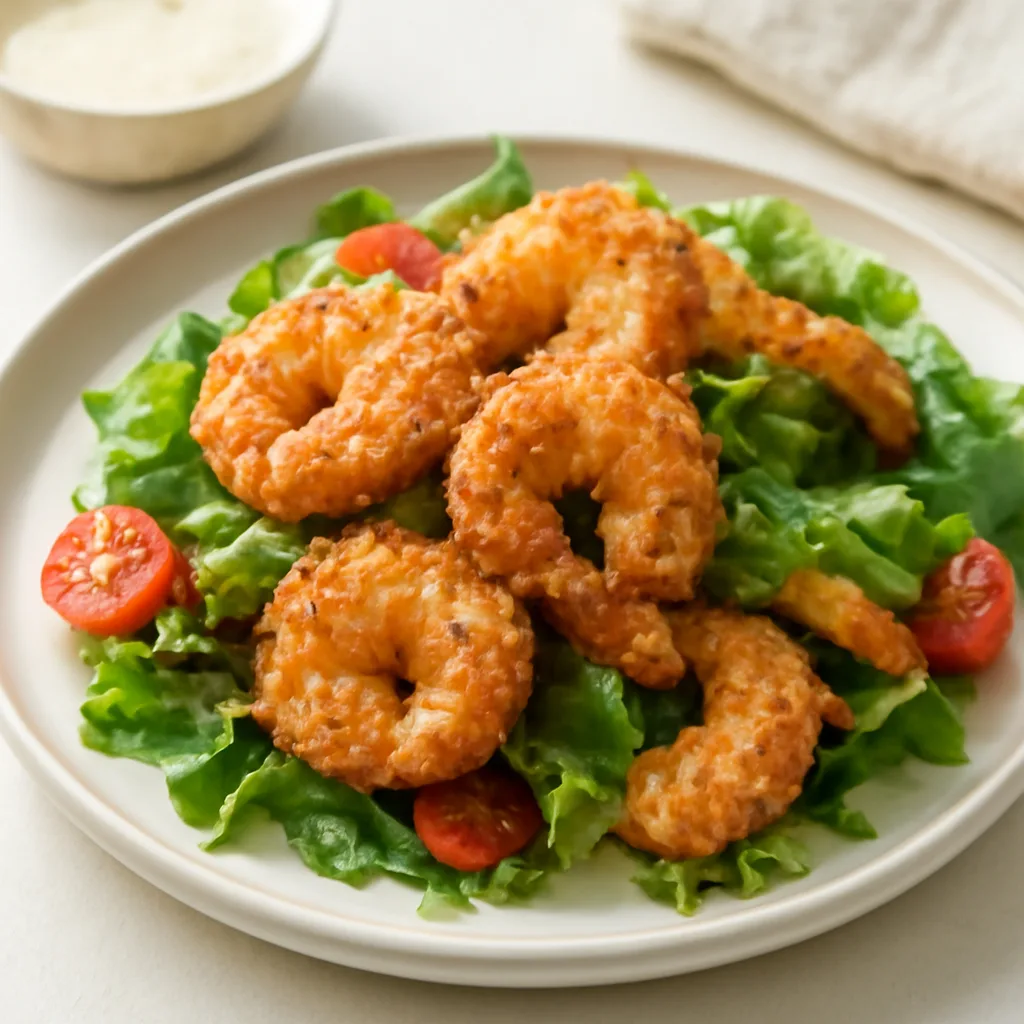
- For light dishes with warm, strong broths or crispy fried items, a fresh dressing salad can provide contrast.
- On days when you prefer a warm and cozy meal or feel cold vegetables are burdensome, roasted vegetables or blanched ingredients can be more suitable.
Food Selection Guide
- If leafy greens are wilted or cut surfaces are dry, texture can collapse quickly, so choose firm leaves with minimal surface damage and trim just before eating.
- When adding watery tomatoes, cucumbers, or fruits, water can release over time, so if you plan to mix them in advance, keep them separate and combine at the end.
- If the dressing is thin, it is light on leafy greens but may taste weak on grains or potatoes, so depending on the main ingredient of the meal, use textures created with oil, yogurt, sesame, or legumes.
- If salty ingredients like meat or cheese are included, reduce the salt in the dressing and taste first, then add more to avoid over-salting.
- If you have a lot of crunchy ingredients, the chewing texture may be monotonous, so decide whether to add one of the soft options like eggs, avocado, beans, or nuts.
Frequently paired ingredients
- Leafy greens and cabbage, cucumber, carrot, bell pepper as fresh vegetables are easy as base ingredients to add crisp texture and color.
- Tomatoes, fruits, pickled items add brightness with moisture or acidity, but if very watery, keep them separate from other ingredients.
- Hard-boiled eggs, beans, tofu, chicken, fish, cheese are protein options when composing a salad as a meal.
- Grains like brown rice or barley, potatoes, sweet potatoes, pasta, bread pieces add chew, but too much can reduce the presence of vegetables, so it's best to decide the main ingredient first.
- Olive oil, vinegar or citrus juice, mustard, yogurt, sesame seeds or nuts can be used in dressings and finishing; choosing one flavor axis keeps combinations from getting too complex.
Compatible cooking methods
- Eating raw preserves the crisp texture of leafy and crunchy vegetables, and the dressing should be added at the end after drying the moisture.
- Blanching can soften ingredients that are hard to eat raw, like broccoli, beans, or hardy leafy greens; after cooking, cool and drain to mix well with other ingredients.
- Roasting suits ingredients you want to bring out sweetness and aroma, like squash, mushrooms, or root vegetables, but add it to leafy greens off the heat after resting to avoid wilting.
- Boiling or steaming is suitable for main ingredients like eggs, potatoes, grains, or beans that form the meal's core, and when cooled, mixing with dressing helps keep their shape.
Tips for beginners
- Start with fewer ingredients: one leafy green, one crunchy vegetable, one protein, and one simple dressing to easily assess flavor balance.
- If salad tastes bland, evaluate what is lacking—acidity, rich oil, fragrant herbs, or pepper—and adjust one element at a time.
- If the mixture releases a lot of moisture, it may be from watery ingredients; rinse and dry more next time and add tomatoes/cucumbers at the end.
- If the dressing makes the greens soggy, instead of adding more dressing, add more ingredients in small portions along the edges next time.
- Crunchy toppings like nuts or bread should be added just before serving to stay crisp.
Menu Composition Tips
- For rich, heavy mains like grilled, fried, or sauced dishes, pair with a light, acidic salad to keep the plate from feeling heavy.
- If planning a one-meal salad, balance by adding one protein and one grain or potato alongside extra vegetables rather than simply increasing vegetables.
- When serving multiple dishes, ensure salad dressing and main sauces are not both heavy or creamy to avoid flavor overlap; adjust one side to be fresh or light.
- If preparing in advance, keep washed and dried greens, cooked cooled ingredients, dressing, and crunchy toppings separate and assemble just before eating.
- Leftover roasted vegetables or cooked grains can go into salads, but if they are heavily seasoned, add dressing sparingly to adjust the flavor.
Foods included in this theme
Here are the foods included in this theme, sorted by views from CookPagoda's public food.