Theme guide
Check the selection criteria and cooking ideas for foods that match this theme.
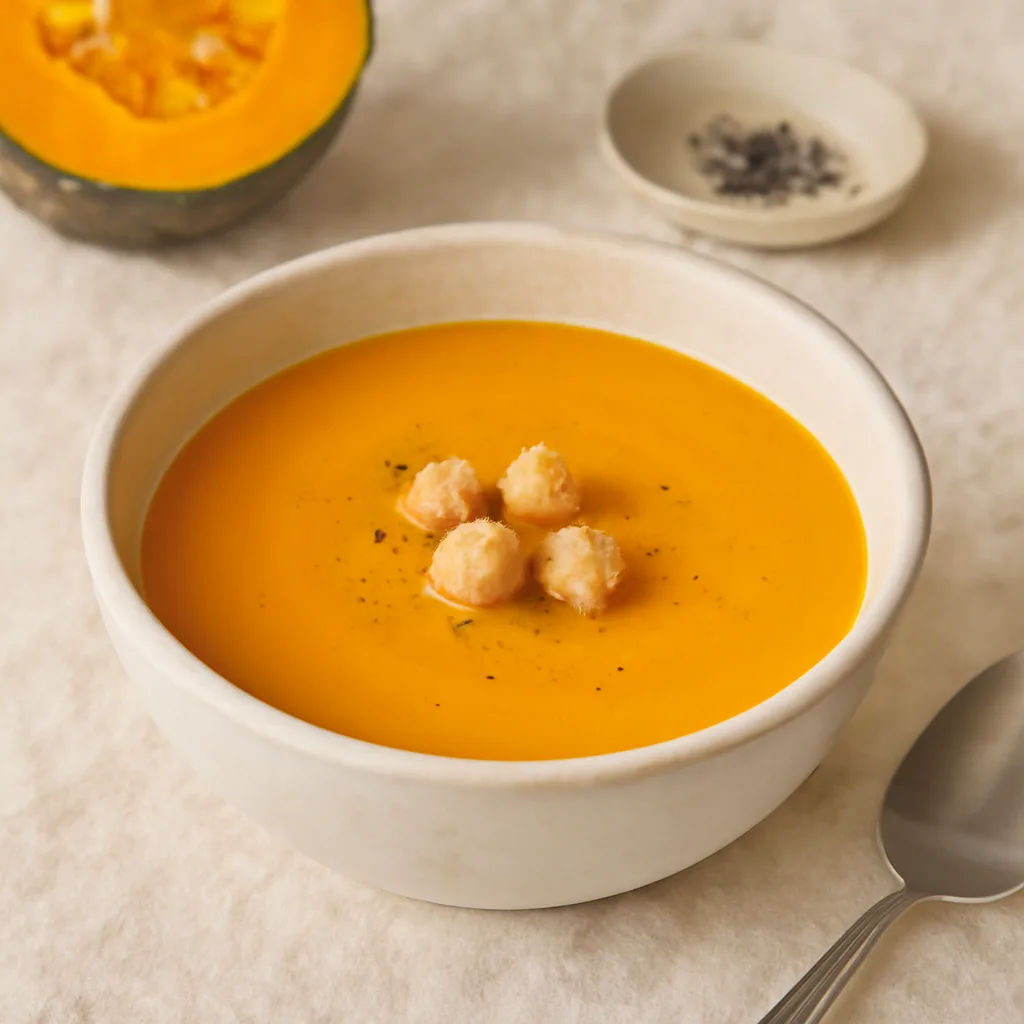
Soft foods are useful when you want dishes that can be easily broken with a spoon or fork and do not have a rough texture in the mouth. Dishes with smooth textures after cooking, such as well-cooked vegetables, moist eggs, porridge and soups, mashed ingredients, or soft noodle dishes, fit here well. Even with the same ingredients, texture varies greatly depending on cut size, degree of doneness, and moisture level. For example, hard vegetables can become soft when chopped small and cooked thoroughly, and adding broth or sauce makes even dry ingredients easier to eat. However, if a crunchy texture or chewing is important for the meal, choosing only soft foods may feel monotonous, so it’s better to decide in advance whether to add textural contrast as sides.
Well-suited for these people
- When you want a gentle, moist meal with less chewing effort.
- Useful for someone choosing a one-bowl warm broth dish, porridge, or egg-based dish that can be eaten easily in one sitting.
- If hard chunks or rough skins are burdensome, you can select dishes by whether ingredients break down easily and whether there is broth or sauce.
- Conversely, if a crispy fry, crunchy raw vegetables, or chewy noodles are central to the meal, a menu composed only of soft foods may feel a bit dull.
Food Selection Guide
- Check whether the finished ingredient easily splits by pressing with a spoon edge to gauge softness; if firmness remains, choose cooking that finishes longer or cuts smaller pieces.
- If broth or sauce fully coats the ingredients, moisture increases and the swallow feel becomes softer, so consider forms like soup, braise, risotto, or porridge rather than frying.
- For dishes with meat or seafood, confirm there are finely chopped pieces, pieces that come apart easily, and shapes that have softened with longer cooking.
- If you want a smooth texture, choose ingredients without seeds, tough skins, or coarse fibers, or pick dishes where they’re strained or puréed; if you want a little chewing, choose dishes with a soft base and small bits remaining.
Frequently paired ingredients
- Starch-based ingredients like rice, oats, potatoes, sweet potatoes, and pumpkin that cook or mash easily work well as the base for porridge, purée, or soup.
- Proteins that break apart easily or cook moistly, such as eggs, tofu, finely minced meat, or well-cooked fish, pair well.
- Onions, zucchini, carrots, mushrooms, and leafy greens can be finely chopped and fully cooked to soften texture; adjust the order of adding them according to their respective cooking speeds.
- Liquid ingredients like milk, broth, water, tomato sauce, and cream sauce help adjust thickness and moisture, but adding too much can thin the flavor, so add gradually.
Compatible cooking methods
- Boiling and simmering add moisture and make ingredients tender, suitable for porridge, soups, noodles, and vegetable dishes.
- Steaming preserves the shape of ingredients while cooking gently, and can be used for egg custard, tofu, fish, and minced meat balls.
- Slow simmering or braising can soften the fibers of tougher ingredients, but if the liquid reduces too much it can become dry again, so monitor moisture levels.
- Mashing, grinding, or straining reduces the chunkiness of already cooked ingredients; if mashed too finely and the flavor becomes bland, balance with small amounts of salt, spices, or acidity.
Tips for beginners
- Start with ingredients that are easy to tell when cooked through, like potatoes or pumpkins; when a fork can slide in easily to the center, mash or blend to the next step.
- Rather than adding a lot of water from the start, cook to the desired texture with a moderate amount, then add warm water or stock as needed to avoid thinning accidentally.
- If you end up overly soft and sticky from long simmering, lower the heat and stir often; for thick porridge or sauce, scrape the bottom while stirring.
- If vegetable pieces remain rough, cut them smaller and more evenly next time, and cook solid ingredients first before adding the rest.
Menu Composition Tips
- Plan meals with one soft staple, a moist protein side, and cooked vegetables to build variety in ingredients and flavors.
- For instance, if you center on porridge or soft noodles, add protein like eggs, tofu, or finely shredded fish, and complement color and aroma with well-cooked vegetables.
- If you choose all crèmes or mashed-soft dishes, flavor differentiation may be weak; vary by including a clear broth or a soft braised option with different meals and seasonings.
- If you want a crunchy element, consider whether it’s essential for the dining situation and, if needed, prepare a separate side dish to maintain the soft main course texture.
Foods included in this theme
Here are the foods included in this theme, sorted by views from CookPagoda's public food.