Theme guide
Check the selection criteria and cooking ideas for foods that match this theme.
Jarel cooking refers to everyday meals prepared by one person to suit their own lifestyle rhythm and kitchen environment. Practicality comes from making the needed amount without excess, reducing leftover ingredients and dishwashing, and composing meals that can carry over to the next eating occasion. Dishes like fried rice, over rice, noodles, or one-pan side dishes are often chosen because they are completed with one pan or few cooking tools. The core is choosing not just based on “simple food” itself but on what matches the current ingredients and time. If vegetables needing ripening in the refrigerator or opened sauces are available, plan the menu around those ingredients. If there is no rice, you can use staple items like noodles, bread, or potatoes. However, if you solve every meal with a single-pan dish, textures and variety may become monotonous, so it’s good to alternate with easy accompaniments like soup, salad, or fruit.
Well-suited for these people
- People who want to adjust portions for one person or have limited time for cooking and cleanup.
- If your cooking environment is simple with only one or two burners, a microwave, or a small pot, menus that use versatile cookware are especially convenient.
- Suitable for those who prefer to use already purchased ingredients across multiple meals rather than buying new ingredients every day.
- For occasions where you need to serve several dishes like a guest table, a simple home-cook style composition may lack, so it’s better to plan separate cooking times for the main and the side dishes.
Food Selection Guide
- If ingredients start to wilt today or are already opened, first set the core ingredients for fried, soup, or over-rice to reduce waste.
- If rice is already prepared, choosing side dishes that come together quickly like over rice or fried rice is convenient, and if you need to cook rice from scratch, using noodles or bread may be faster.
- If you have only two or three ingredients, rather than increasing many seasonings, decide on a single familiar flavor direction such as soy sauce, gochujang, or salt to avoid flavor dilution.
- If you want to finish with one pan and there are many high-moisture ingredients, a soup or steamed dish may be more stable than frying. Sticking to high-heat stir-fry may cause ingredients to become mushy and the seasoning to become bland.
Frequently paired ingredients
- Staple ingredients for a meal like rice, noodles, bread, or potatoes pair well with leftover side dishes or sauces, making them highly usable.
- Ingredients with relatively low prep like eggs, tofu, canned tuna, or frozen dumplings are good to add when ingredients are scarce for bowls, soups, or stir-fries.
- Onions, green onions, garlic, cabbage, and mushrooms are often used to add flavor and volume in stir-fries or soups, but you don’t need to buy them all at once.
- Common seasonings like soy sauce, cooking oil, salt, pepper, and gochujang help set a flavor direction with fewer ingredients.
Compatible cooking methods
- Stir-frying is practical for finishing leftover rice and chopped vegetables in one pan, but if ingredients release a lot of moisture, divide them to avoid crowding the pan or switch to a soup-based dish.
- Over-rice involves placing stir-fried ingredients or braised items on top of the rice and is useful on days when you can’t prepare many side dishes.
- Soups, stews, and broths benefit from using scraps of vegetables and tofu together, and adjust seasoning at the end after simmering to judge how much liquid reduces.
- Microwave cooking is convenient for reheating and simple steaming, but thick ingredients may be undercooked in the center, so stir or flip midway to finish cooking.
Tips for beginners
- When starting, don’t try to perfectly measure one portion; set a simple visible standard like one cup of rice or two eggs and start with fewer ingredients.
- If vegetables release a lot of water and become soggy in stir-frying, briefly remove some ingredients, raise the heat to evaporate moisture, and add seasoning at the end to prevent burning.
- If salty flavors from soy sauce or gochujang make it taste too salty, instead of just adding water or more rice, balance with unseasoned vegetables, tofu, or eggs.
- Before cooking, pull out only the tools you will actually use rather than all pans and plates to make cleanup easier and keep the menu simple.
Menu Composition Tips
- When planning a shopping trip, arrange to reuse the same ingredients across different meals. For example, onions and green onions can be used as stir-fry ingredients for over-rice, as stock flavoring, or as the base for fried rice.
- For the first meal, cook generously with ingredients to be used in a fried dish or soup, and for the next meal, mix remaining ingredients with rice or noodles to change the form and reduce repetition.
- On days with little time, just pick one staple and one protein and one vegetable; if ingredients are insufficient, adding a simple side such as an egg soup or light veggie accompaniment is better than forcing multiple side dishes.
- Planning spicy or strongly fragrant dishes in a row can narrow the use of remaining ingredients, so for the next meal try another flavor direction like soy-sauce or salt-based.
Foods included in this theme
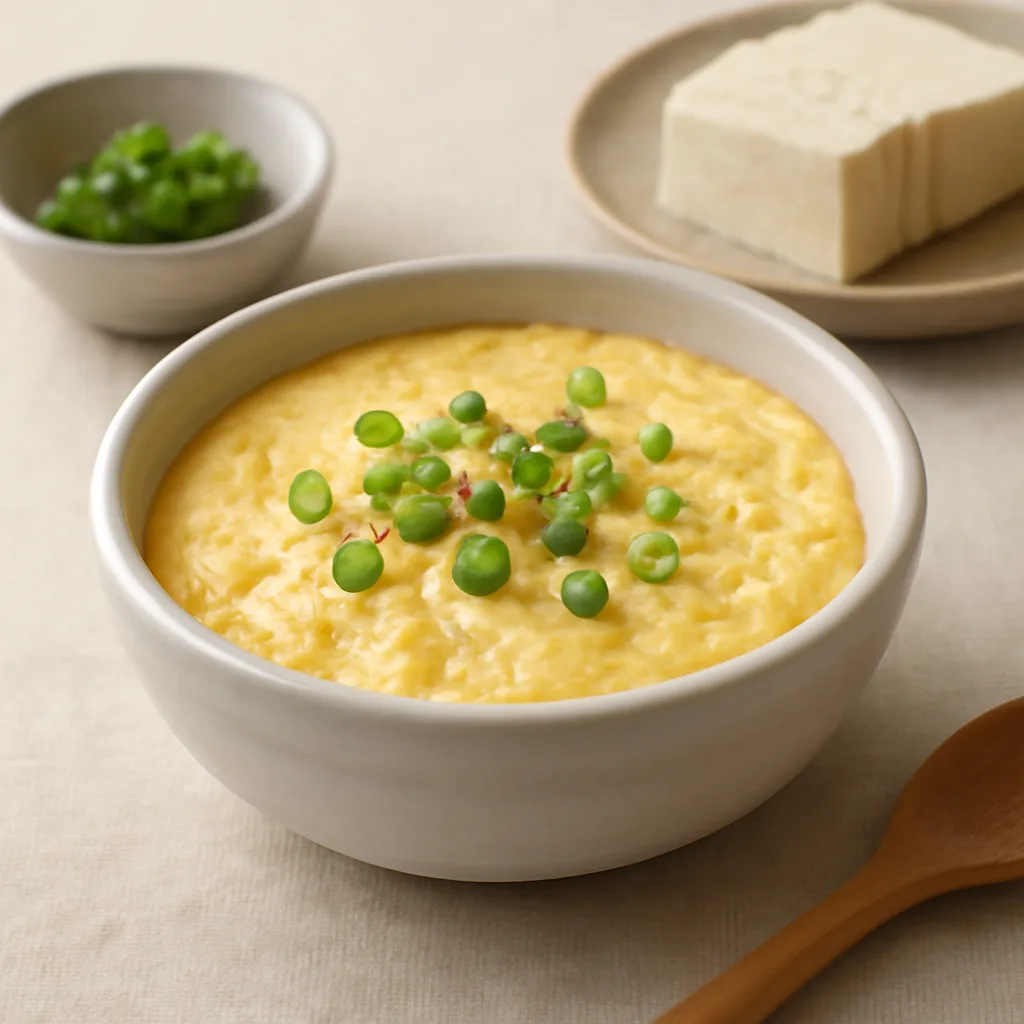
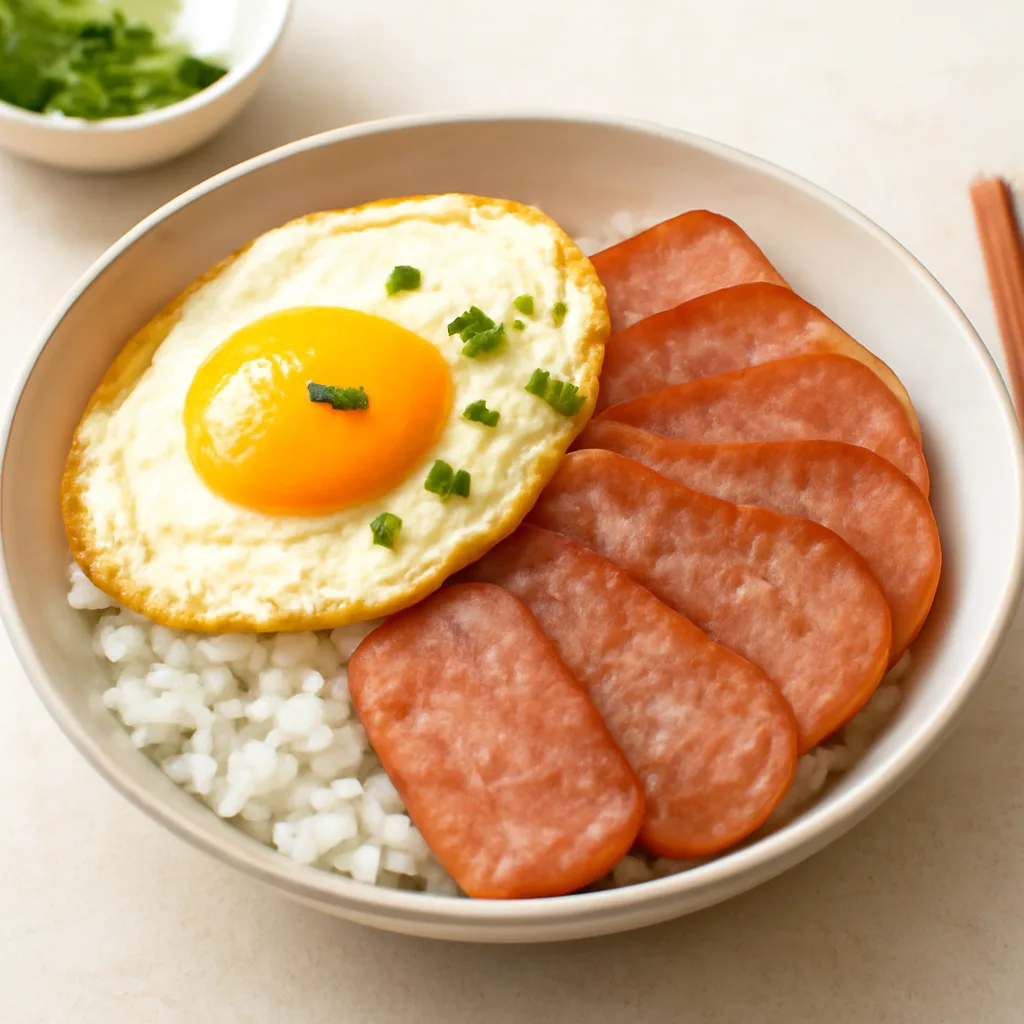
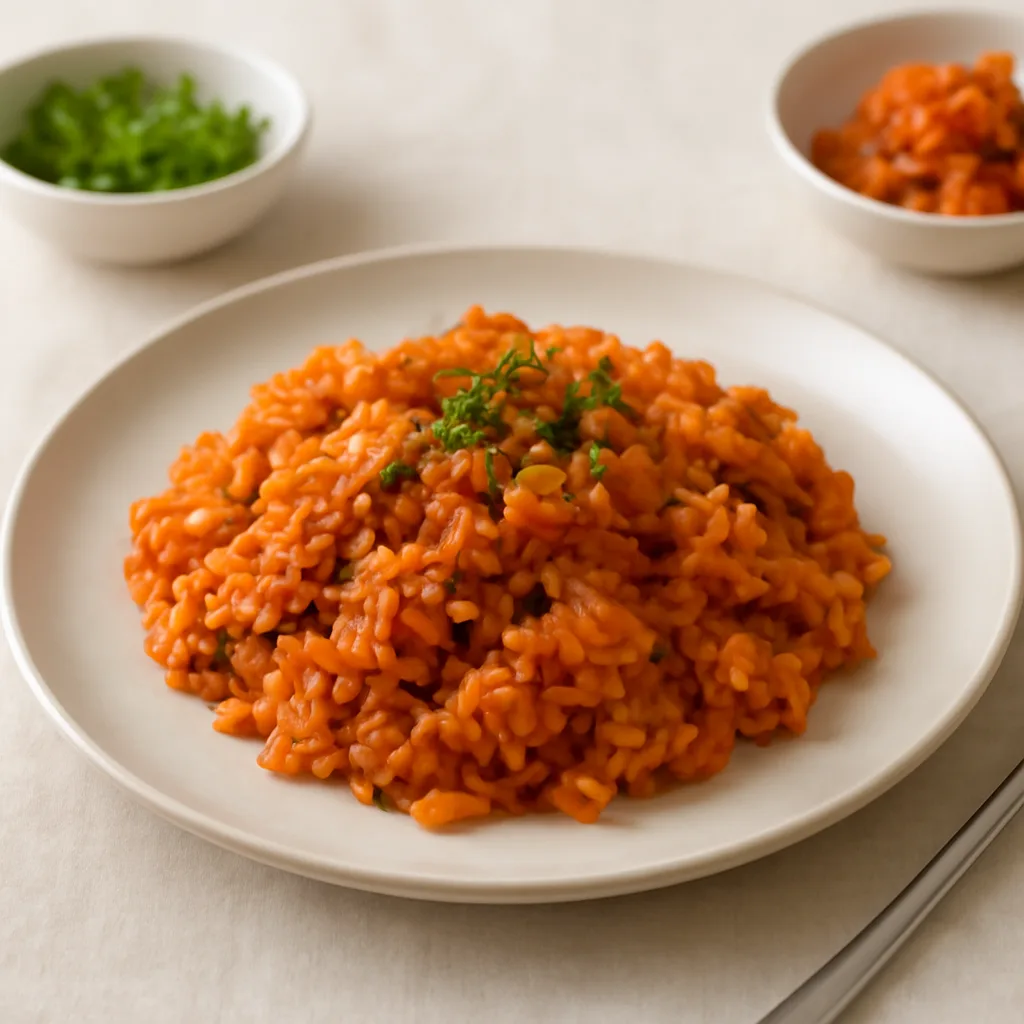
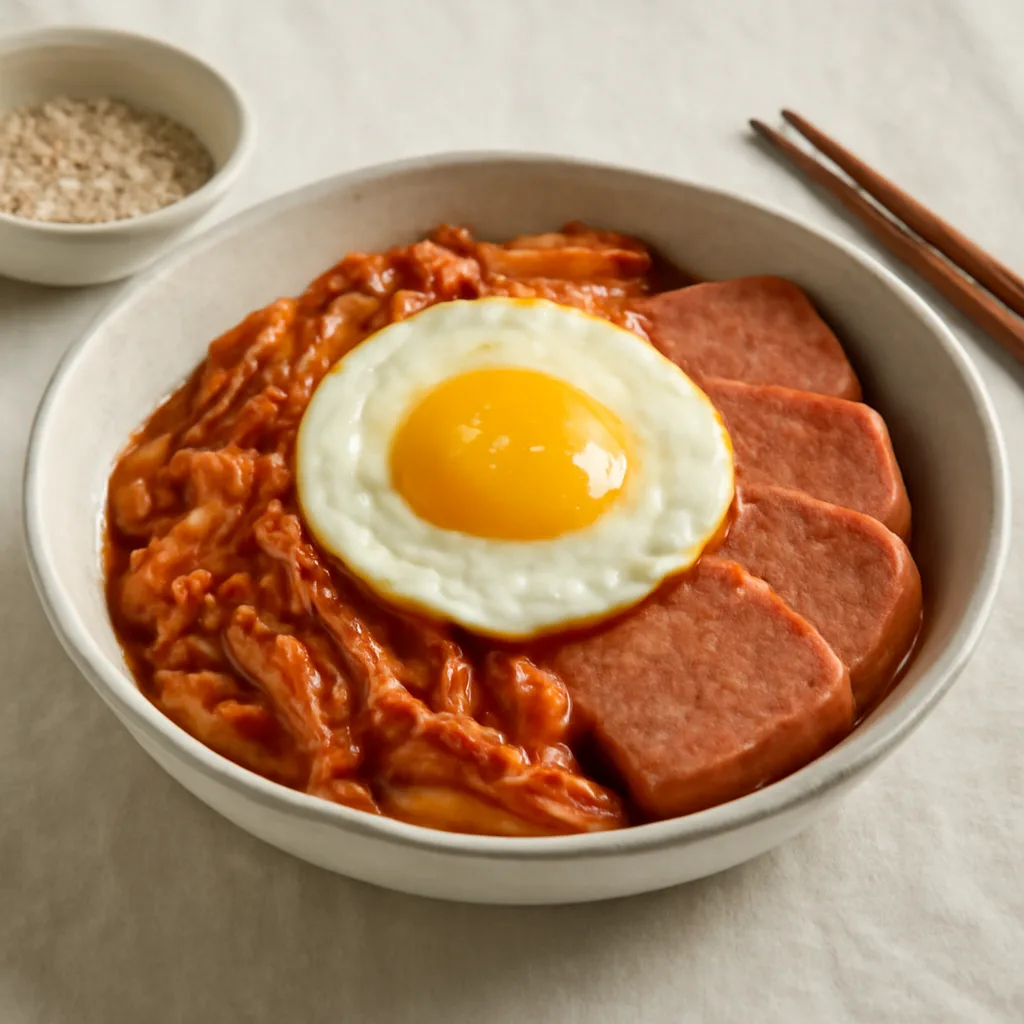
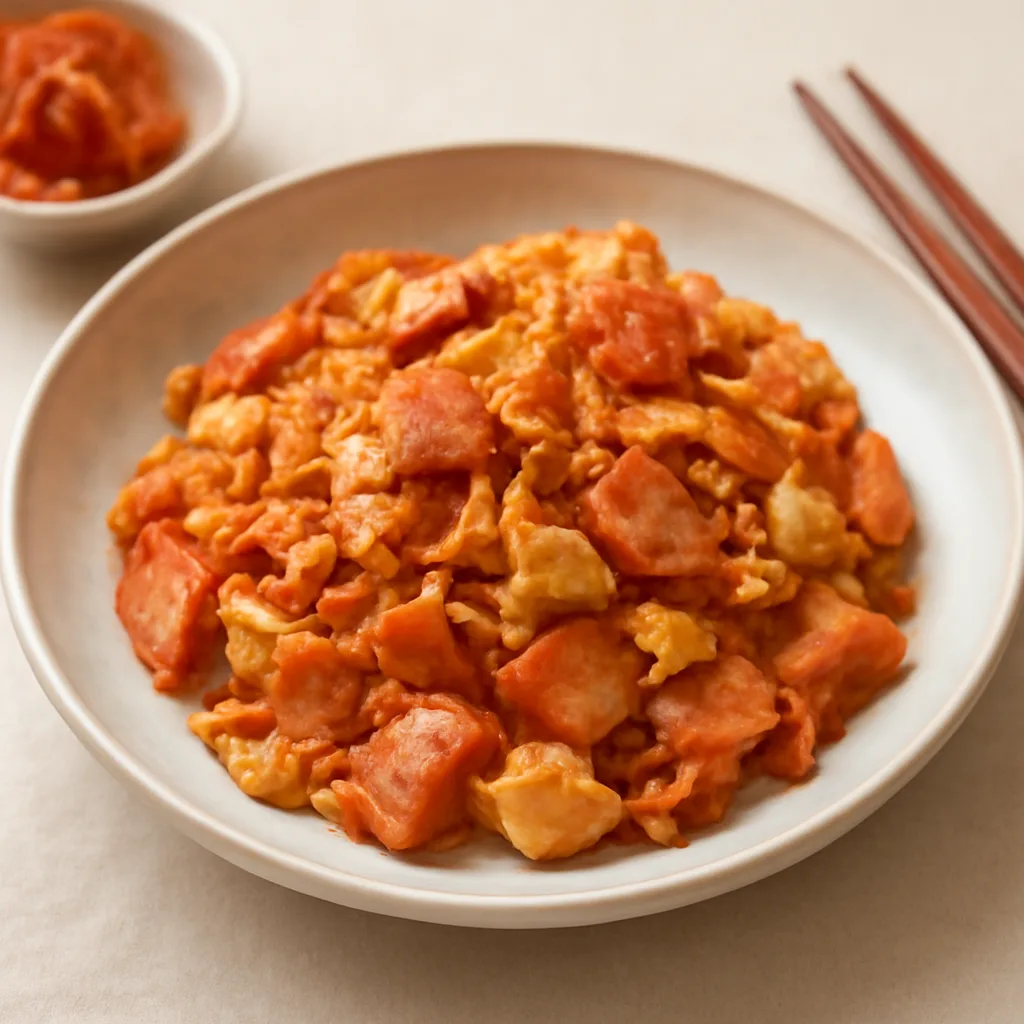
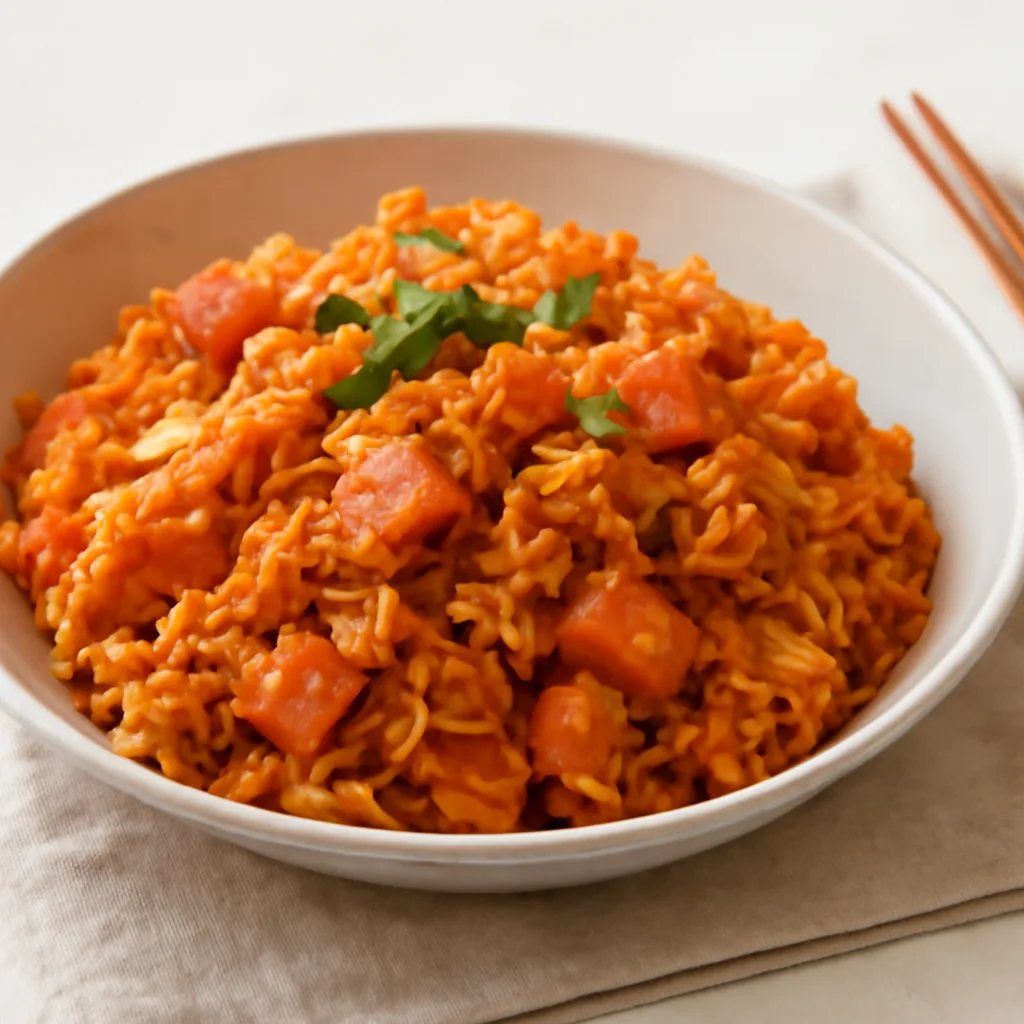
Here are the foods included in this theme, sorted by views from CookPagoda's public food.