Theme guide
Check the selection criteria and cooking ideas for foods that match this theme.
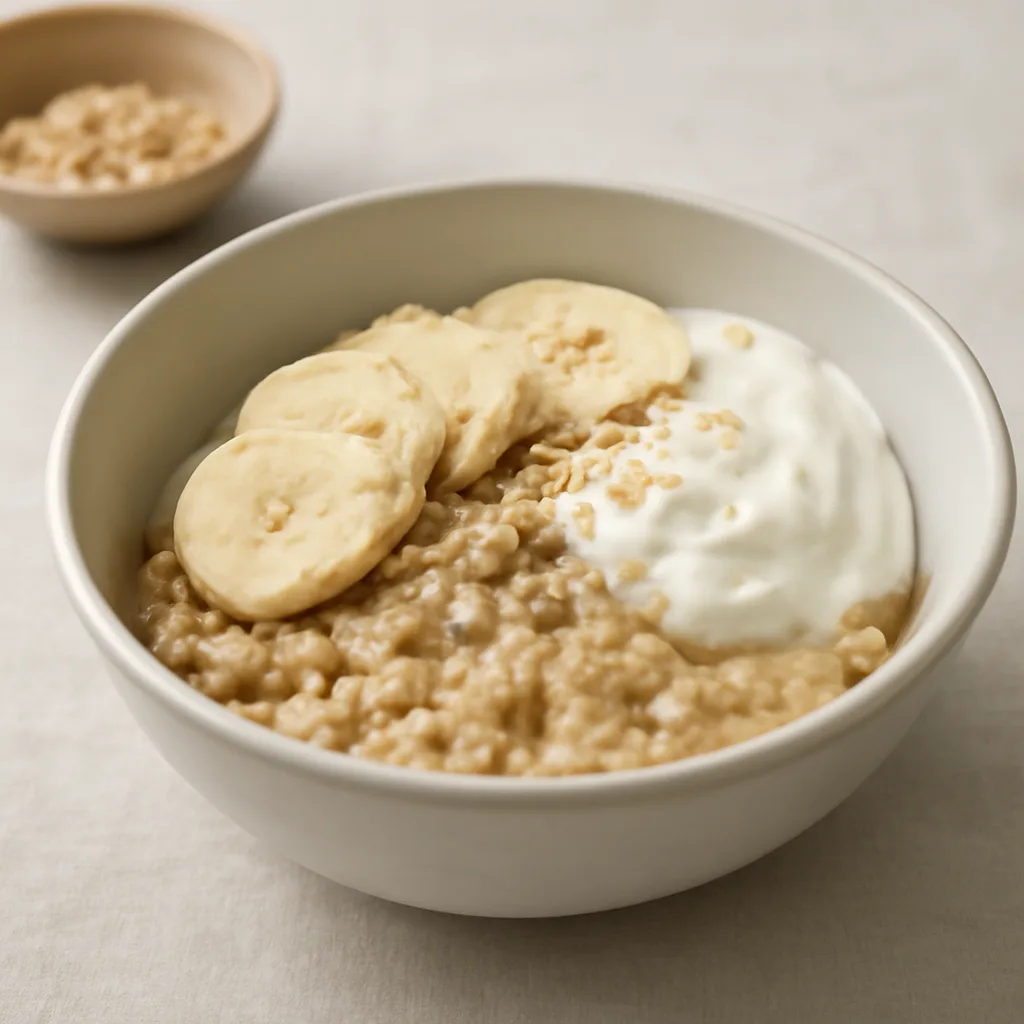
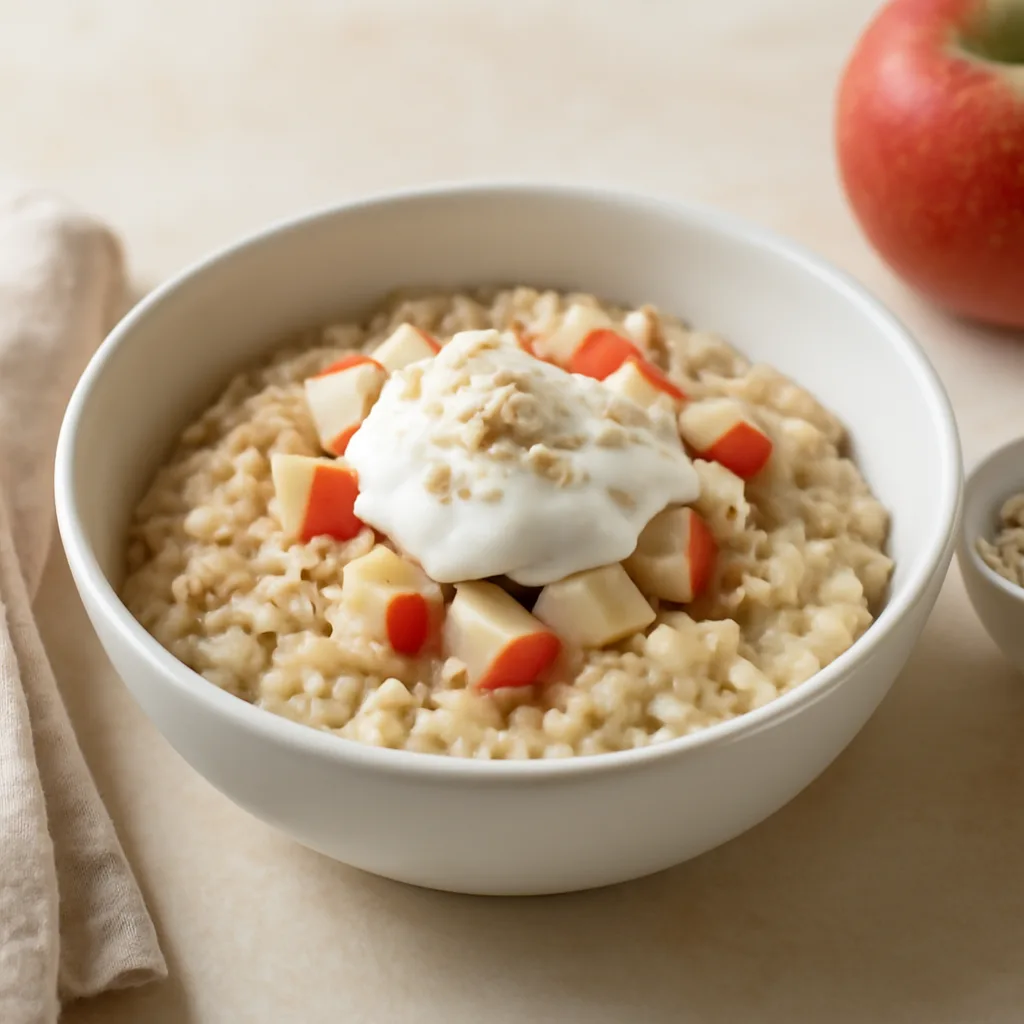
The morning theme is about finding a meal that's easy to start the day with. It doesn't just mean quick-to-cook dishes; menus that can be prepared partly the day before or simply set up in one bowl also fit well. You can combine warm soups, staples like rice, bread, or noodles, eggs, tofu, meat, fish, and fruits or vegetables as appropriate. When choosing, the actual time available in the morning and your schedule after breakfast are the most important criteria. If you need to head out right away, handheld, easy-to-clean options are advantageous; if you have time to sit, a water-rich one-bowl meal like porridge, soup with rice, or oatmeal can also be a option. However, strong aromas or rich cooking methods can feel burdensome early, so on such days it's better to reduce portions or balance with mild sides.
Well-suited for these people
- For people with limited prep time before leaving for work or school, using pre-prepped ingredients or quickly cooked ingredients broadens choices.
- If eating a large amount in the morning is difficult, serving smaller portions of staples with sides divided can reduce the 부담.
- With different wake-up times for each family member, choose one staple like rice, bread, or porridge, and add ingredients such as eggs or fruit that everyone can customize to suit—easy to adapt.
- If hot foods aren t suitable or you need to eat on the move, simpler-to-handle options like sandwiches, onigiri, or yogurt with fruit that are easier to manage for dishes and temperature may fit better.
Food Selection Guide
- If total cooking time is around 10 minutes or less, select foods that can be combined quickly, such as ready-made rice, bread, tortillas, eggs, or other fast-cooking ingredients; raw meat prep or long-simmered dishes may delay preparing.
- If you have leftover rice or side dishes from the previous day, check smell and condition first, then choose one-dish options like fried rice, donburi, or kimbap fillings; if the status is doubtful, it better to start with fresh ingredients instead of recycling old ones.
- If you want a gentle stomach, prioritize clear broth, porridge, or steamed eggs—soft and moist cooking; on days needing more bite, pair with baked bread or vegetables to reduce monotony.
- If you are more active in the morning, choose one more accompanying ingredient such as eggs, tofu, beans, or cheese to pair with staples; conversely, if you need to move soon after eating, keep portions small for oily combinations.
Frequently paired ingredients
- Staple ingredients like rice, porridge, bread, bagels, oatmeal, or noodles help quickly shape the morning menu; if time is short, choose already-cooked rice or bread you can use immediately.
- Eggs, tofu, beans, milk/yogurt, cheese, cooked meat or fish are easy to pair with a staple; if fridge leftovers are few, it better to pick one item to reduce cooking steps rather than using many ingredients.
- Onions, peppers, zucchini, spinach, tomato, cucumber and other vegetables are good for soups, stir-fries, or sandwiches, but morning prep time varies; if many vegetables are not prepped, simple fruits or seaweed/kimchi can be paired as options.
- Condiments such as seaweed, nuts, fruit, jam, or peanut butter can change the flavor and texture of the base menu; avoid stacking multiple sweet or salty ingredients as it can tip overall flavor—keep the staple mild.
Compatible cooking methods
- Eggs fried or scrambled, toast, reheating are quick and suit busy mornings; choosing a single pan helps reduce washing up.
- Things that add moisture like porridge, oatmeal, or clear soups are good for soft textures; if too thick, gradually add water or stock to adjust thickness.
- Fried rice or vegetable stir-fry are handy when using leftover rice and easy-to-cook ingredients, but too much moisture can make it mushy; first dry out vegetables before adding rice to prevent sogginess.
- Sandwiches, wraps, or nigiri-style meals are convenient for on-the-go; if fillings are high in sauce or moisture, add them just before eating or serve separately to prevent sogginess.
Tips for beginners
- Start with just one staple, one protein, and one side to begin; taking out too many ingredients can make prep take longer than cooking.
- If eggs brown quickly or stick to the pan, that can signal high heat; let the pan cool briefly and reduce to medium-low, then add a small amount of oil or butter.
- If the seasoning of soups or porridge is strong from the start, it can feel burdensome in the morning or clash with other side dishes; start mild and add kimchi, sauces, or salt at the table to adjust easily.
- When preparing the day before, focus on washing and portioning vegetables, preparing rice, and pre-cooked eggs; rather than assembling fully in advance, a fresh morning combination may suit texture better.
Menu Composition Tips
- When planning several mornings, alternate between rice-centered, bread-centered, and warm one-bowl meals to avoid monotony while using similar ingredients.
- When shopping, choose ingredients that can be used across multiple meals like eggs and tofu, and also fruits or seaweed that can be added on the side; having too many ingredients for a single menu can complicate leftovers.
- For busy days, plan not only cooking time but eating and cleanup time as well; if you will be on the go, arrange for packaging-friendly options instead of soups that require bowls.
- On weekends or leisurely days, include warm options like soup, porridge, or omelets, while on weekdays place quick options like toast, onigiri, or yogurt with fruit for adaptability.
Foods included in this theme
Here are the foods included in this theme, sorted by views from CookPagoda's public food.