Theme guide
Check the selection criteria and cooking ideas for foods that match this theme.
Vegetarianism is a theme that centers meals on plant-based ingredients. However, the range of vegetarianism can vary by person and diet, so it is important to first set whether ingredients that are not immediately visible, such as eggs, dairy, honey, fish sauce, and broth, are allowed. When choosing a dish, it helps to base it on grains or noodles, with vegetables, legumes/tofu/mushrooms as the main ingredients, and a sauce or seasoning to tie it together. A large number of ingredients does not necessarily make a meal complex; it also works well to highlight the texture of one or two seasonal vegetables and adjust the seasoning intensity. Vegetarian menus offer a wide range of cooking methods, such as stir-frying, baking, steaming, soups/stews, bibimbap, and salads. On the other hand, menus that rely on rich meat broth or animal-based flavorings may require redesigning the flavor profile, so initially it is practical to choose simpler ingredient combinations.
Well-suited for these people
- Suitable for people looking for meals centered on vegetables and legumes or who want to determine the use of animal ingredients in their meals themselves.
- At a gathering where many people eat together, it is convenient to have menus where you can check in advance whether eggs, dairy, and broth are used, as individual vegetarian standards may differ.
- If you need to prepare quickly, dishes using prepared vegetables and tofu, such as stir-fries or bowls, are suitable, but if you are hoping for the deep, slow-brewed broth flavor, other menus may be more satisfying.
Food Selection Guide
- Even if a menu name appears vegetable-centered, check ingredients lists or cooking methods for fish, shellfish, or meat components in broth, sauces, kimchi, or seasonings before choosing.
- For a meal with a rich texture, choose menus with chewy ingredients like roasted mushrooms or tofu; for a fresh side, choose menus centered on raw vegetables or seasoned vegetables.
- Chili or spicy sauces can mask the natural sweetness of vegetables, so if you want to taste the ingredients themselves, choose menus where the seasoning can be added separately or used sparingly.
- If you want a meal without dairy or eggs, check not only creams, cheese toppings, and mayonnaise but also whether dough and dressings are used.
Frequently paired ingredients
- Legumes such as tofu, beans, lentils can be used as the main texture rather than just filling space in stir-fries, stews, or soups.
- Mushrooms pair well with neutral grains or noodles when roasted to remove moisture and intensify aroma.
- Aromatics like onions, garlic, scallions, ginger can form the base of aromas when sautéed at the start, but if the raw garlic aroma is too strong, reduce the amount used at the end.
- Fermented seasonings such as soy sauce, miso, gochujang vary by product and cooking method, so check that they fit the chosen vegetarian standard before use.
- Whole grains like brown rice, rice, barley and starchy ingredients like potatoes and sweet potatoes provide a solid base for vegetable dishes.
Compatible cooking methods
- High-heat stir-fry adds roasted aroma to vegetables, but if too many ingredients are in the pan, moisture can accumulate and it may look boiled instead of stir-fried, so cook in batches.
- Oven or pan-roasting can concentrate the flavors of moisture-rich ingredients like pumpkin, eggplant, mushrooms; thinly sliced vegetables dry out easily, so adjust roasting times by size.
- Steaming or blanching is suitable when you want to preserve color and the mild taste of ingredients, but after blanching, be sure to drain moisture well or the seasoning for salads may become runny.
- Soups or stews can form a flavor base with kombu, dried mushrooms, and vegetables, but leafy greens that tend to become soft with long simmering are better added at the end.
Tips for beginners
- In the beginning, limit the main ingredients to two or three in one dish. If the flavor feels bland, it is easier to adjust one of saltiness, acidity, or savoriness rather than continually adding ingredients.
- When frying tofu, if the surface tears easily, dry the moisture and ensure the pan is well heated before flipping. If you move it too much from the start, you will not get a nice golden surface.
- If stir-fried vegetables release a lot of water, it may mean the heat is low or the pan is overcrowded; next time add tougher ingredients first and add leafy greens last.
- When the soup is under-seasoned, consider enhancing with sautéed onions, mushrooms, or miso to add layers of flavor rather than simply increasing salt.
Menu Composition Tips
- For a meal, combine one base ingredient such as rice, noodles, or bread, one warm main ingredient, and one fresh vegetable or light salad to create contrast in temperature and texture.
- If today’s menu is heavy on fried or roasted methods, balance with a clear broth or blanched vegetables on the next course to adjust the weight.
- For a shared table where many people eat, prepare a basic vegan-friendly sauce and provide optional toppings like cheese or eggs separately to accommodate individual standards.
- On weekends, prepare roasted vegetables, boiled beans, and washed leafy greens so that on weekdays you can create different combinations for bowls, salads, or soups.
Foods included in this theme
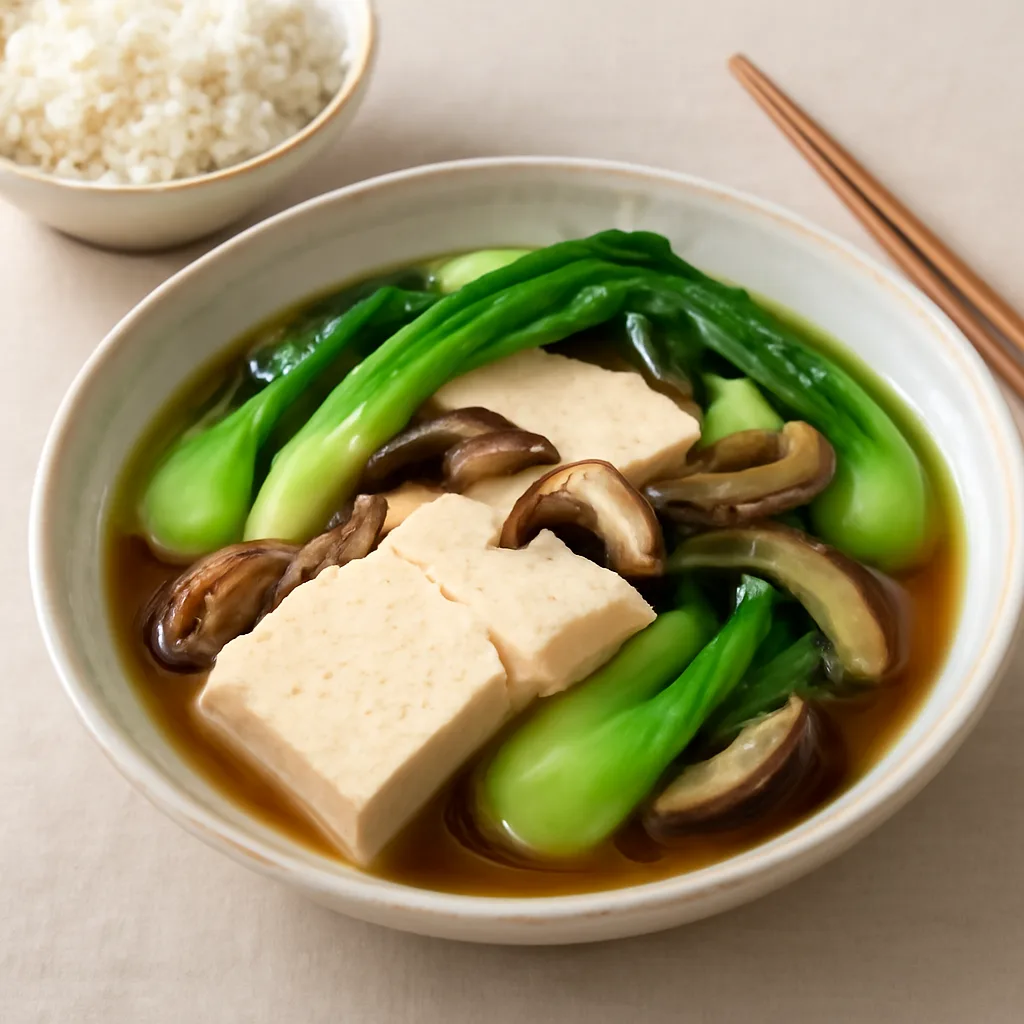
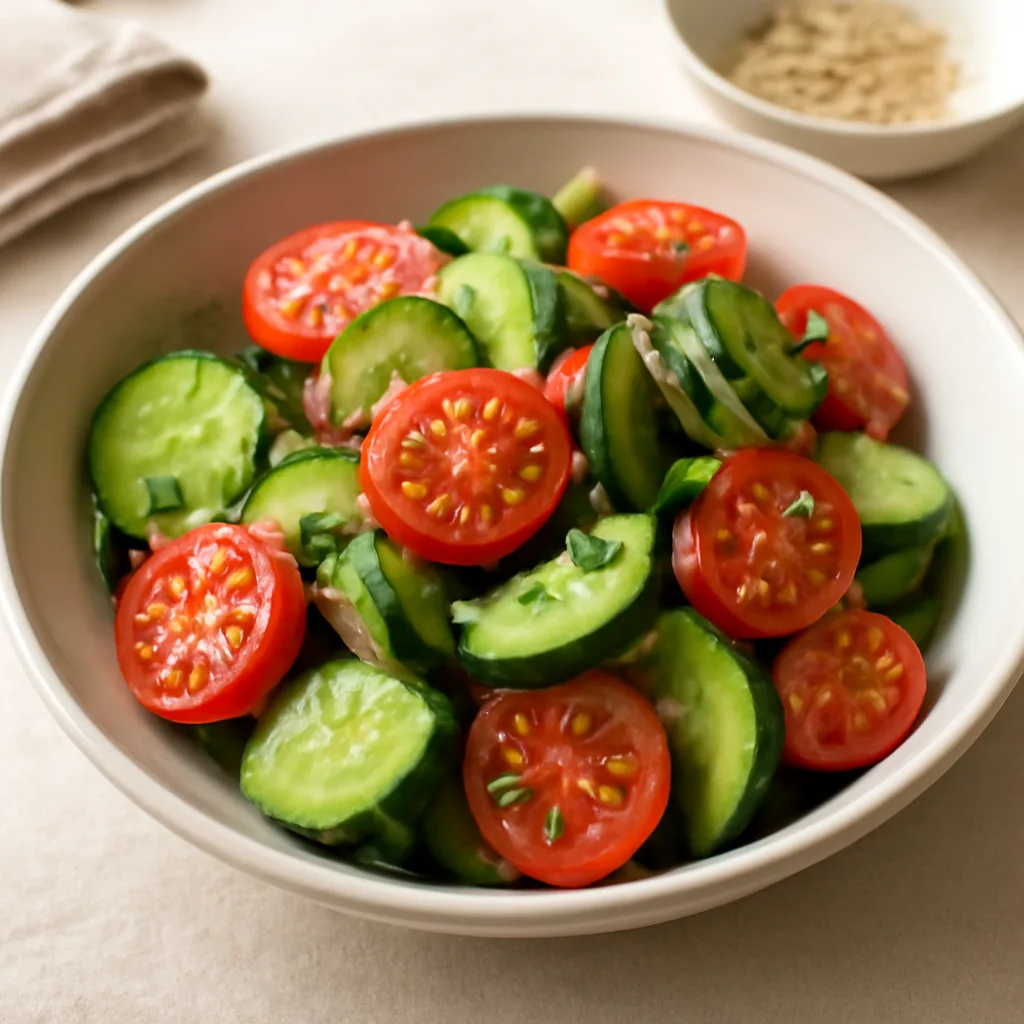
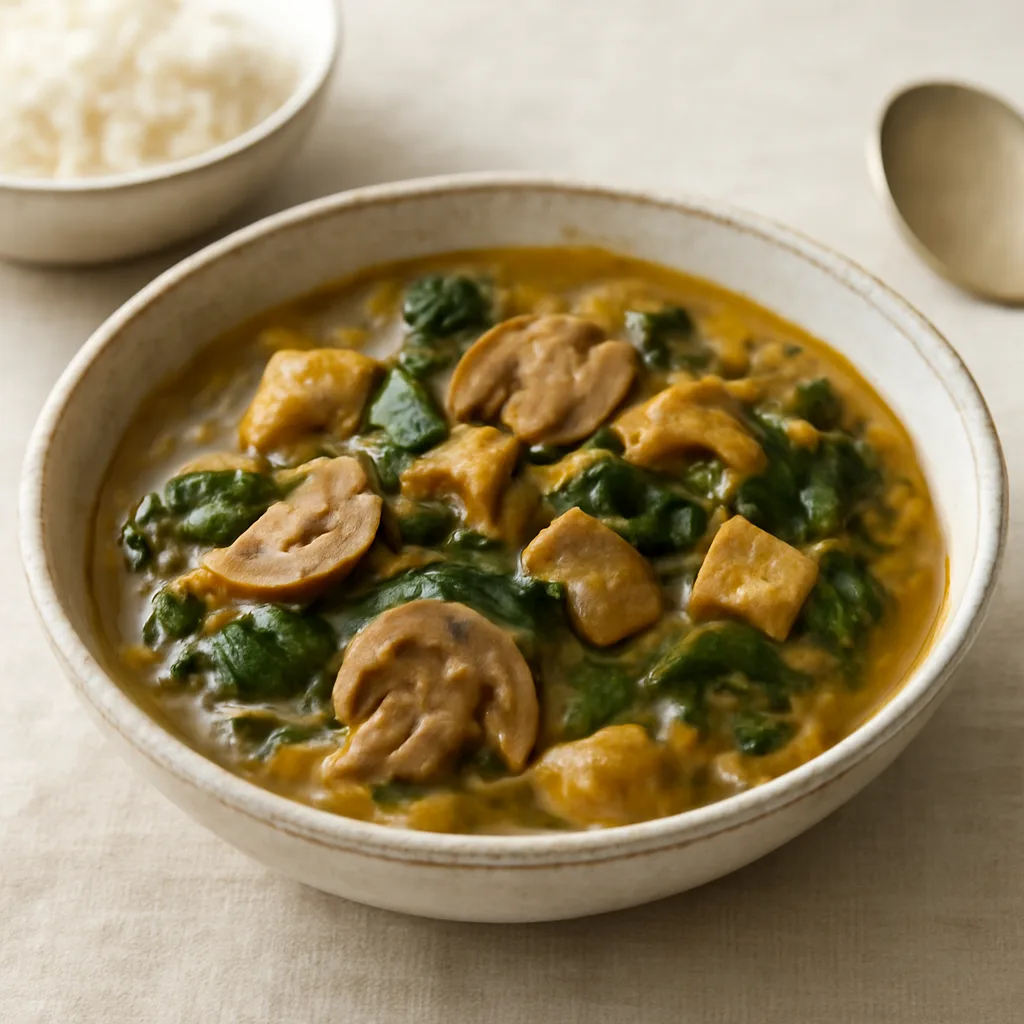
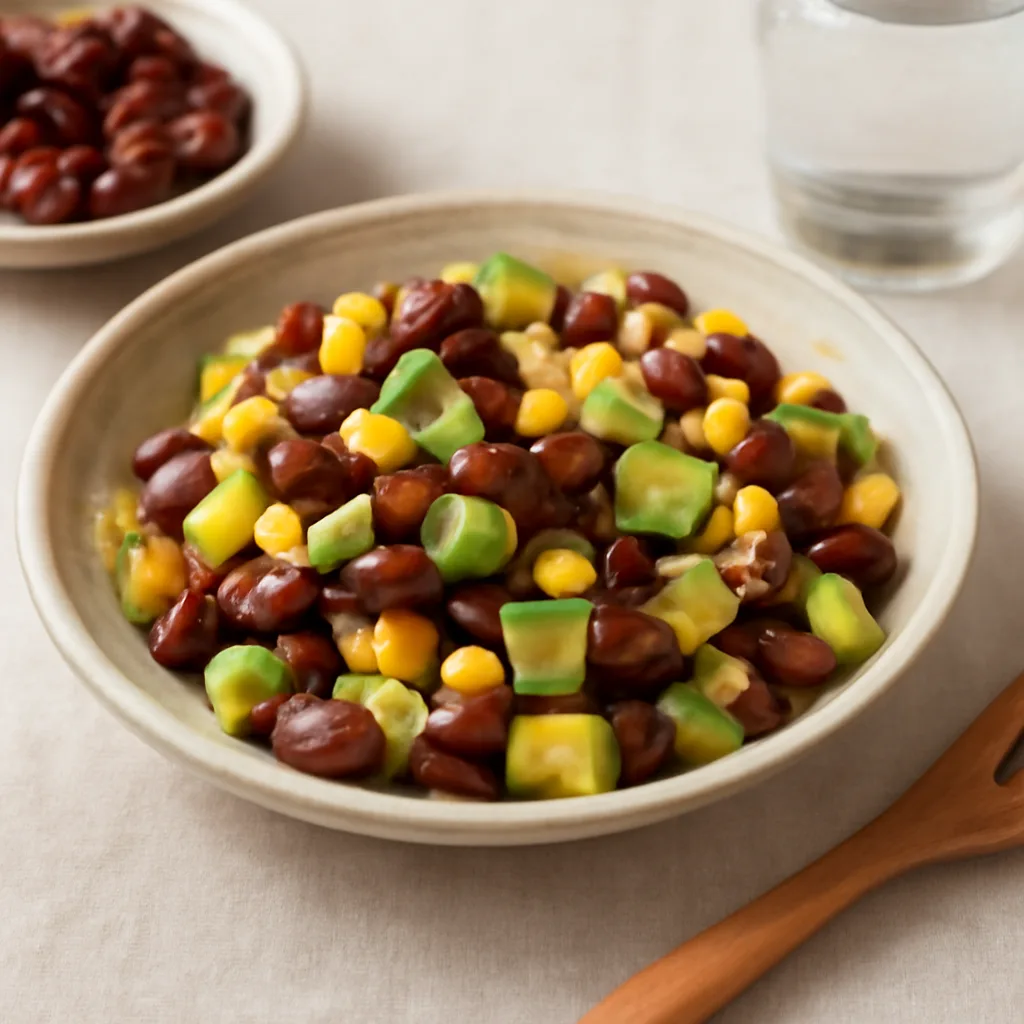
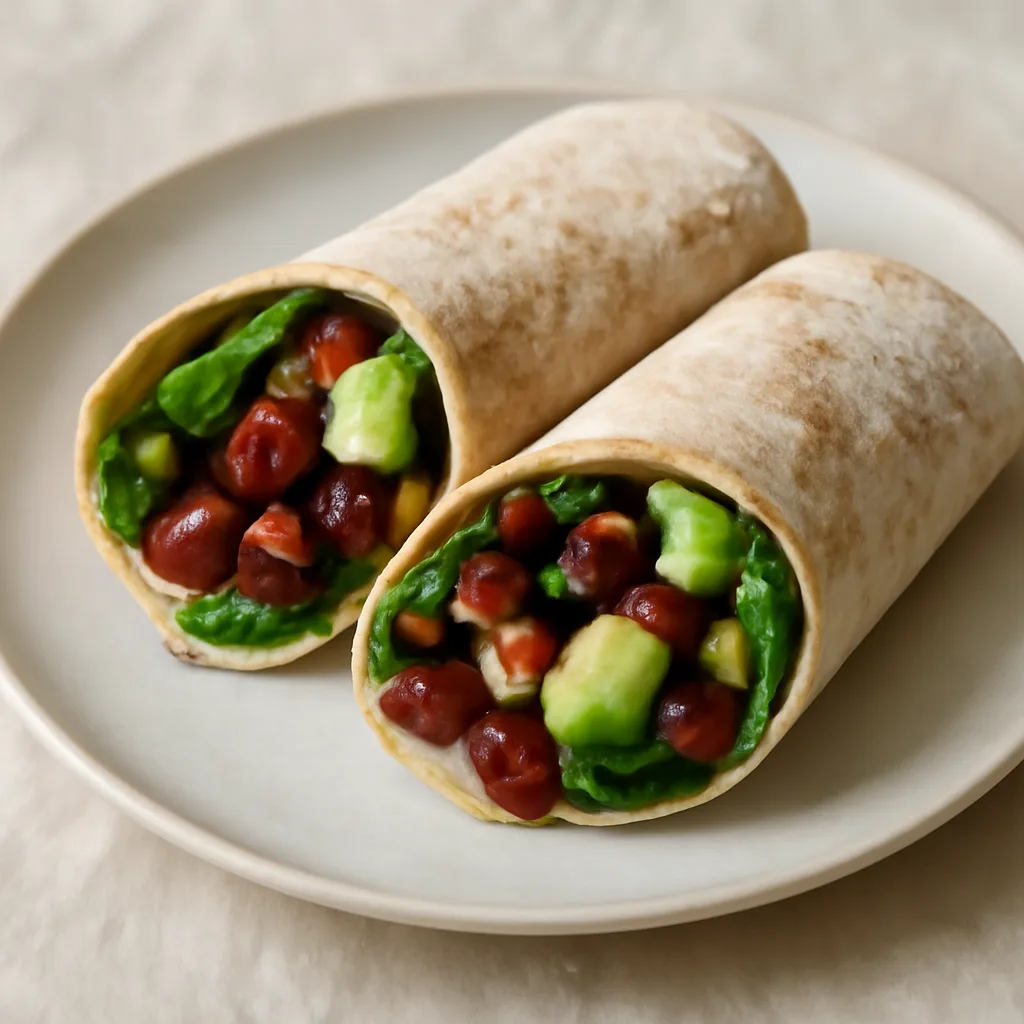
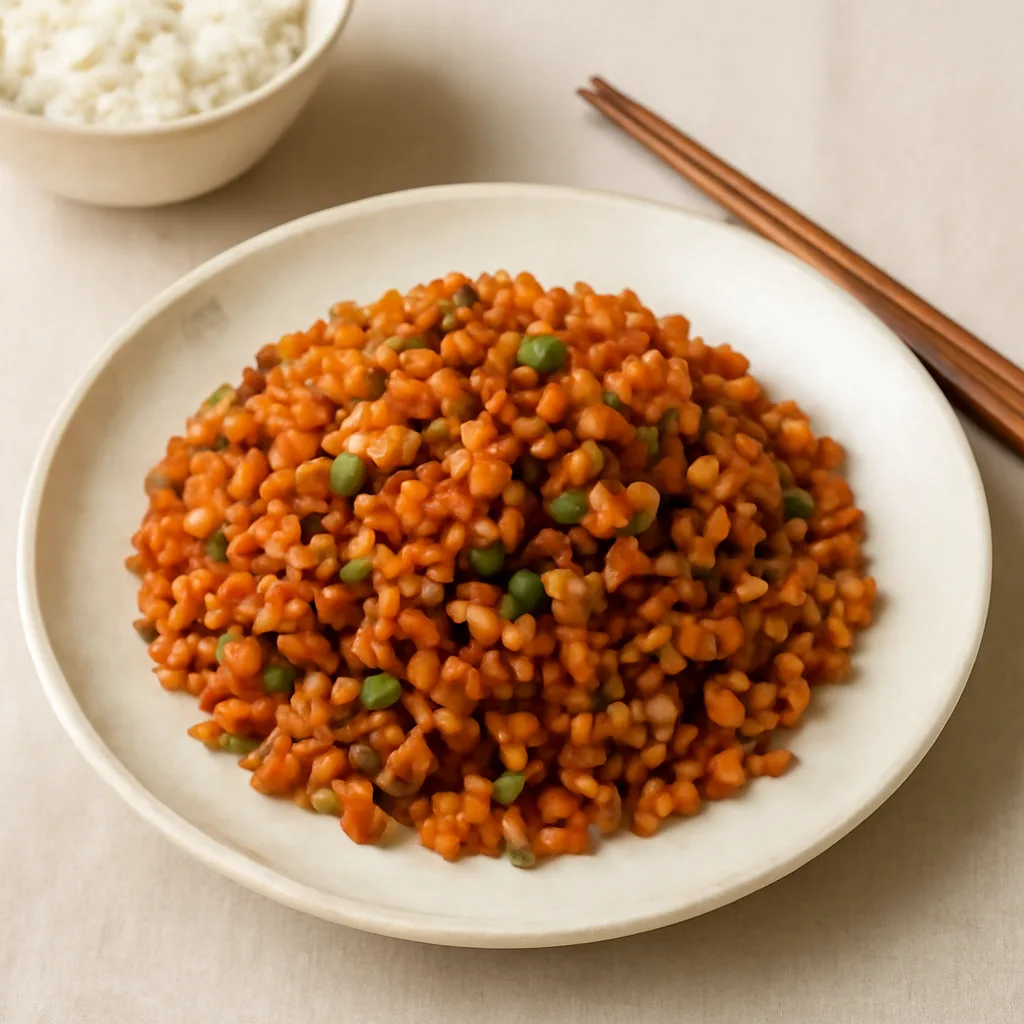
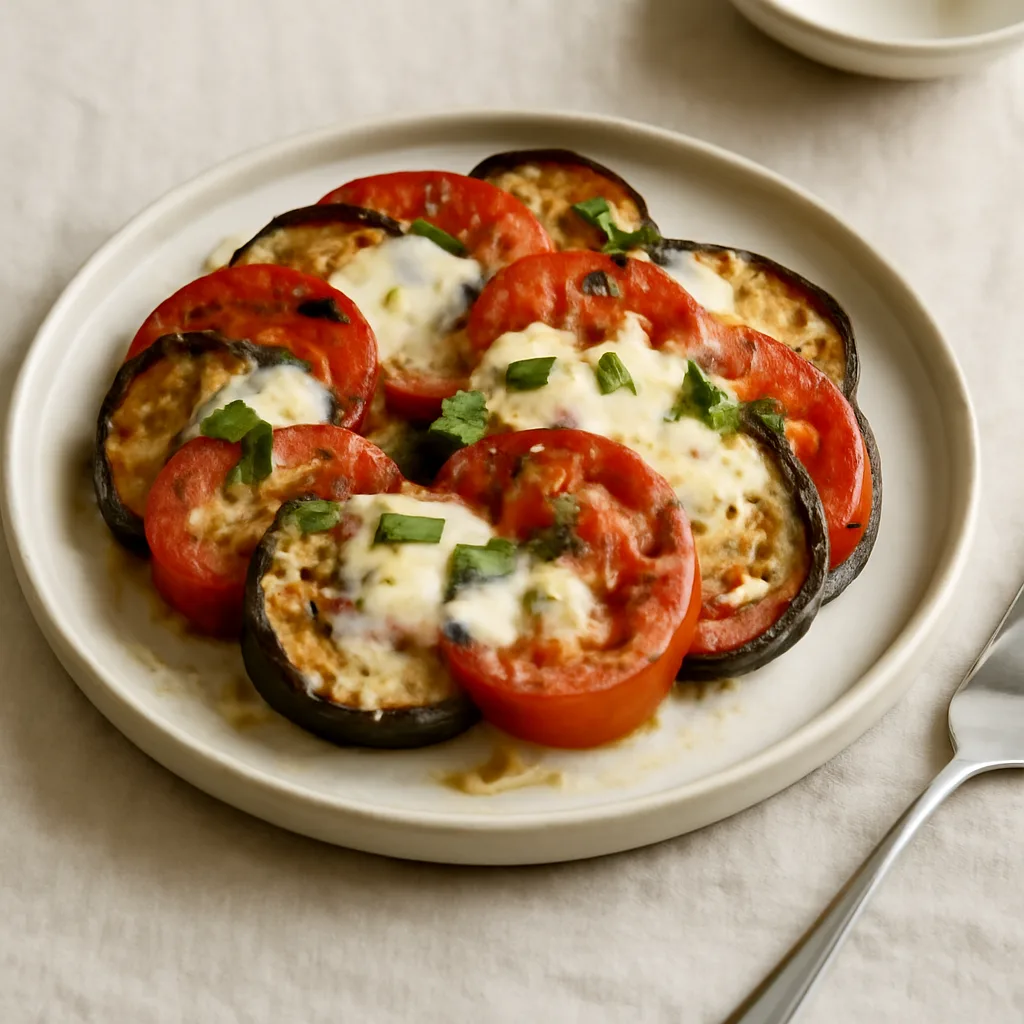
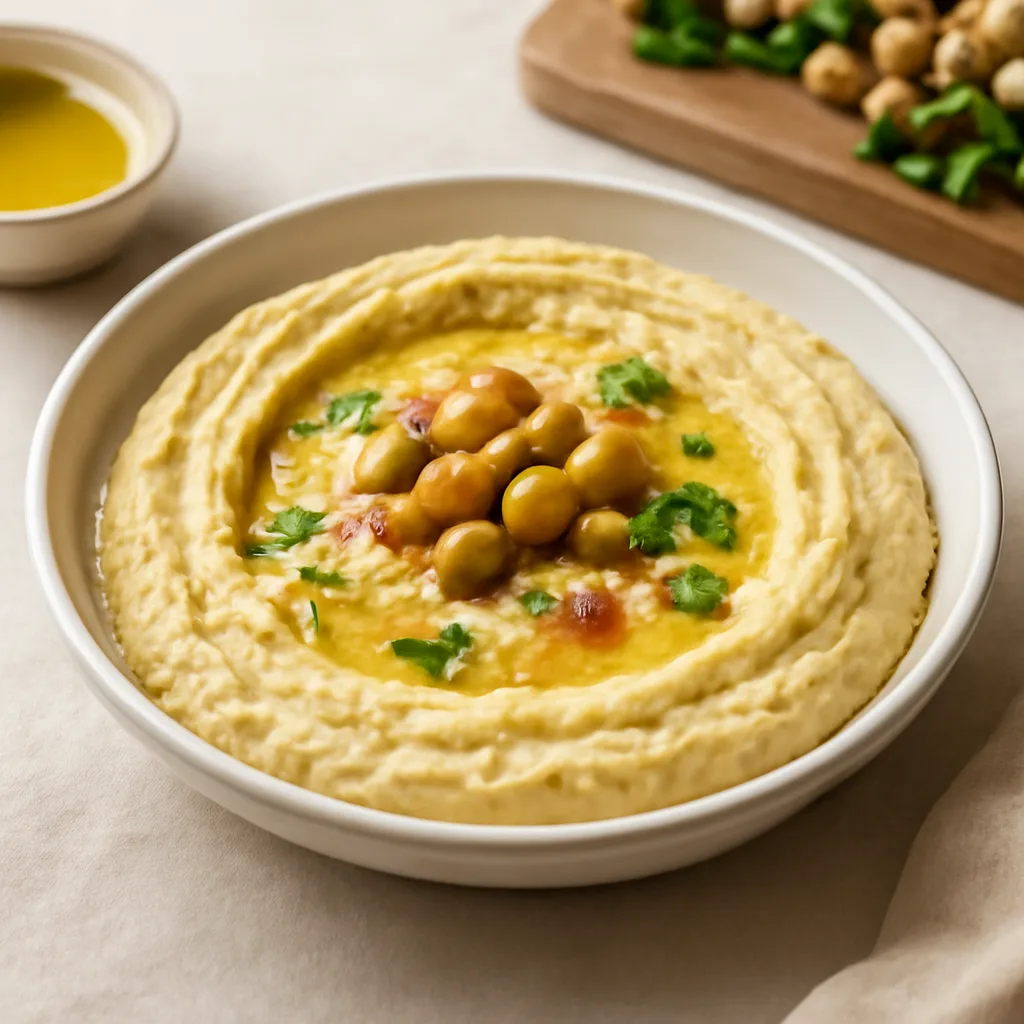
Here are the foods included in this theme, sorted by views from CookPagoda's public food.