Theme guide
Check the selection criteria and cooking ideas for foods that match this theme.
Brunch means a meal that’s light or leisurely between breakfast and lunch. Center on quick-prep elements like bread, eggs, fruit, and salads, but you can pair with soups, roasted vegetables, or noodle/rice dishes to adjust portion size. A good brunch composition is revealed by the balance on the table rather than the time. Having one warm prepared dish and one cold or refreshing side together makes it easy to avoid monotony, and if there are guests or you have the weekend leisure, you can add more dishes that are easy to share among several people. Conversely, on a day when you need to eat quickly while moving, a one-dish composition often fits better than preparing multiple menus.
Well-suited for these people
- It suits people who want to combine a meal and a snack in late morning.
- When there is time on weekends to cook and eat slowly, a multi-dish presentation works well.
- When eating with guests, mixing bread or salad that is easy to share helps.
- On days when a speedy breakfast is needed in the morning, simpler menus like egg toast or yogurt with fewer preparation steps may be more suitable.
Food Selection Guide
- If cooking time is limited to around 20 minutes, choose an egg dish or toast that can be made in one pan, and postpone oven preheating or menus needing multiple sauces for a day with more time.
- If the main ingredient is bread or potatoes (carb-focused), pair with a salad, fruit, or roasted vegetables to create texture and flavor contrast.
- If you choose only soft egg dishes, the texture may feel flat, so add a crunch element like crispy bread or nut toppings.
- When serving drinks, check if there are many rich, sweet items; in that case, pair with water or a bland tea to balance flavors.
Frequently paired ingredients
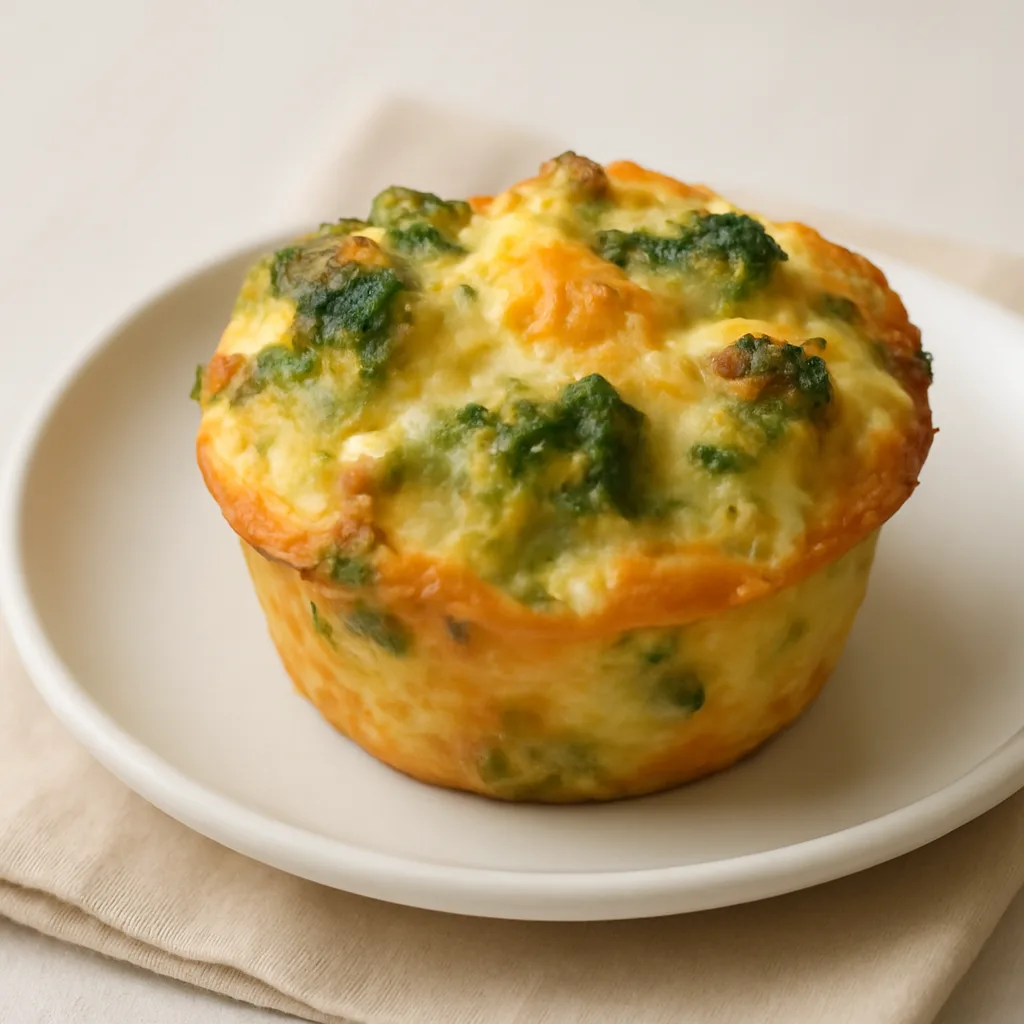
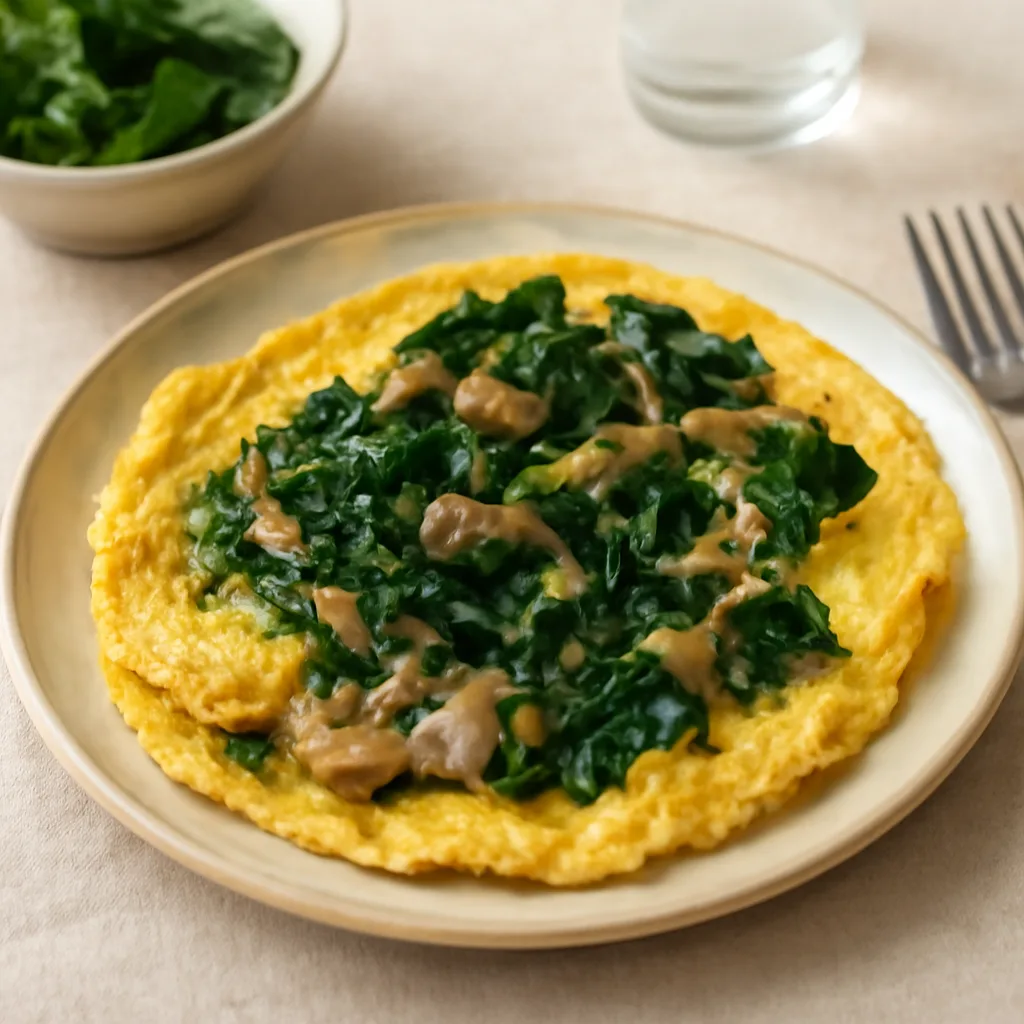
- Eggs are versatile for brunch because scrambling, frying, or omelets change texture and cooking time, making them a central ingredient.
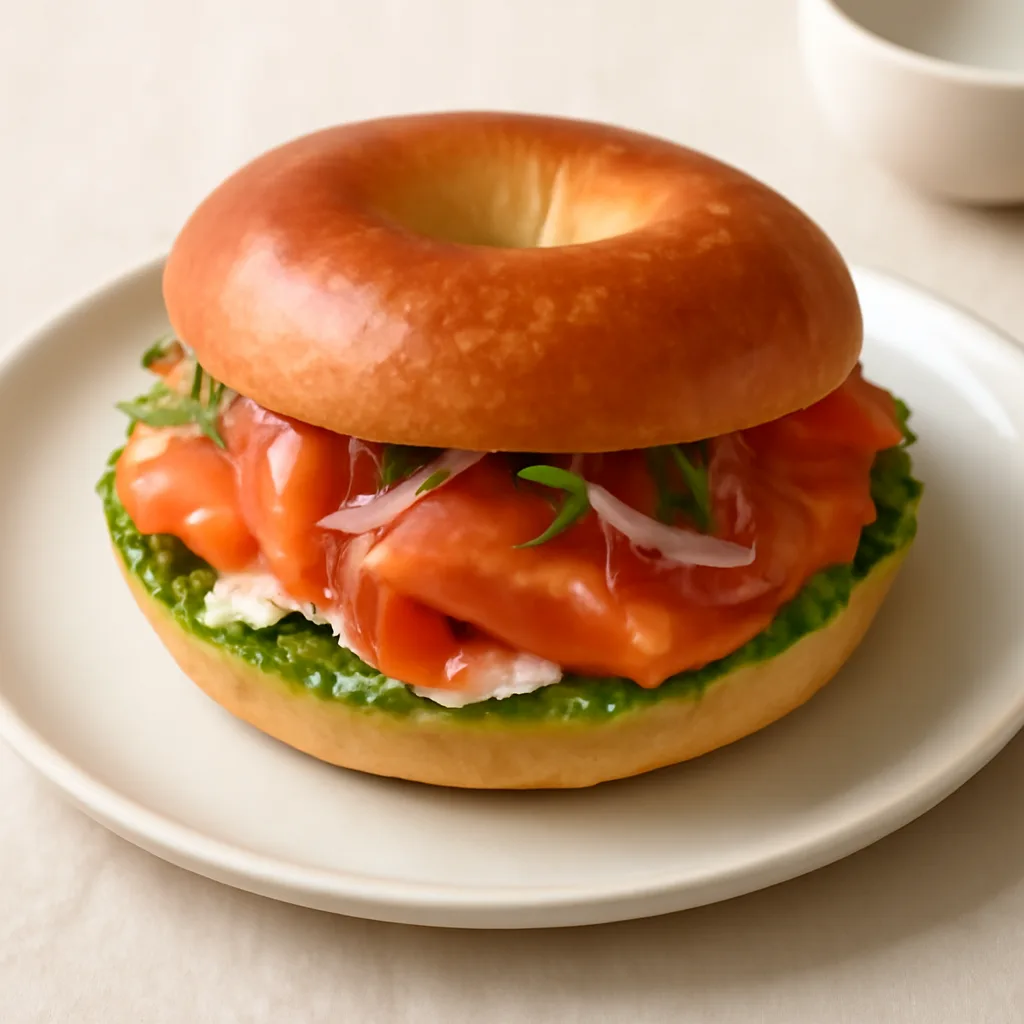
- Bread like toast, sourdough, or bagels serve as a warm base for toppings, but avoid piling water-heavy toppings too long to prevent sogginess; assemble just before eating.
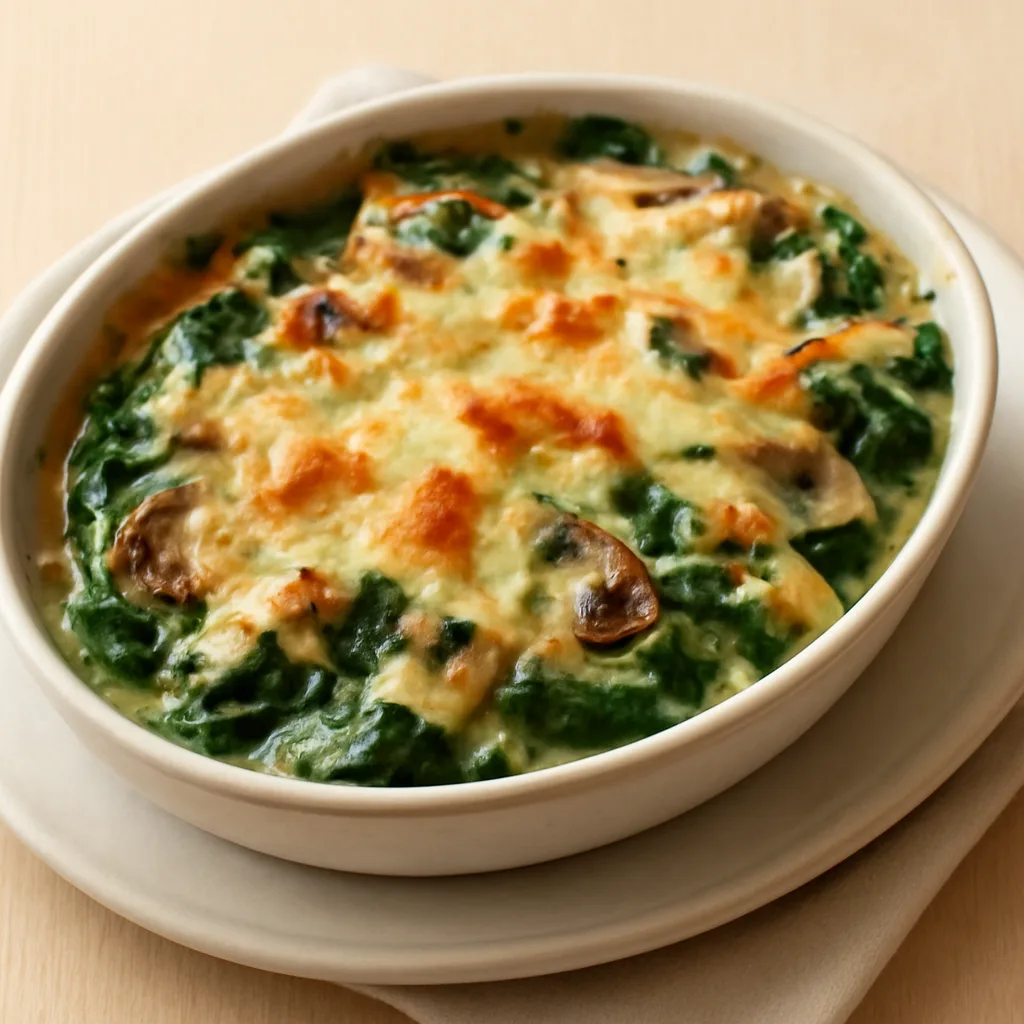
- Tomatoes, leafy greens, mushrooms, avocados, and seasonal fruit add color and freshness and can be swapped to suit available ingredients and preferences.
- Dairy products like cheese, yogurt, or butter add flavor, but if there are many fatty ingredients in other dishes, reduce quantity or use tart ingredients to help balance.
Compatible cooking methods
- Pan cooking is convenient for small portions like eggs, mushrooms, bacon, or roasted vegetables; avoid crowding the pan as it lowers temperature and creates moisture instead of sautéing, so cook in batches.
- Oven baking is useful for preparing vegetables, potatoes, or bread in multiple servings, but it requires preheating, which may be inefficient for busy mornings.
- Blanching or boiling brings out the light flavors of eggs and vegetables; however, if you don’t drain moisture well after cooking, sauces or bread can become runny.
- Cold combinations pair well with yogurt, fruit, and salads and are easy to prepare, but if there are no warm items at all, the meal may feel lacking in fullness, so pairing with bread or soup is also good.
Tips for beginners
- Start with three elements: one egg dish, one bread or potato, and one raw vegetable or fruit, rather than making many menu items at once, to manage order.
- If you bake bread first, toppings can wait while you finish vegetable prep and sauces, keeping crispness at serving time.
- If scrambled eggs become watery and dry, the heat may be too high; next time, stir slowly on medium-low heat and turn off heat a little early.
- If the salad wilts quickly, it may be because the dressing was mixed in advance; dress it just before serving.
Menu Composition Tips
- For a brunch for two, set one warm main and one cold side as a base, plus shareable bread or fruit to reduce prep burden.
- When serving multiple menus, plan using both pan-cooked and oven dishes, placing the final egg dish last.
- If choosing rich flavors like strong cheese toasts or cream sauces, pair with a fresh dish like lemon-seasoned vegetables or fruit to balance flavors.
- To use remaining ingredients, prioritize versatile items like leafy greens, mushrooms, and bread that can be used in subsequent meals; avoid buying in excess for a single topping to keep it efficient for small meals.
Foods included in this theme
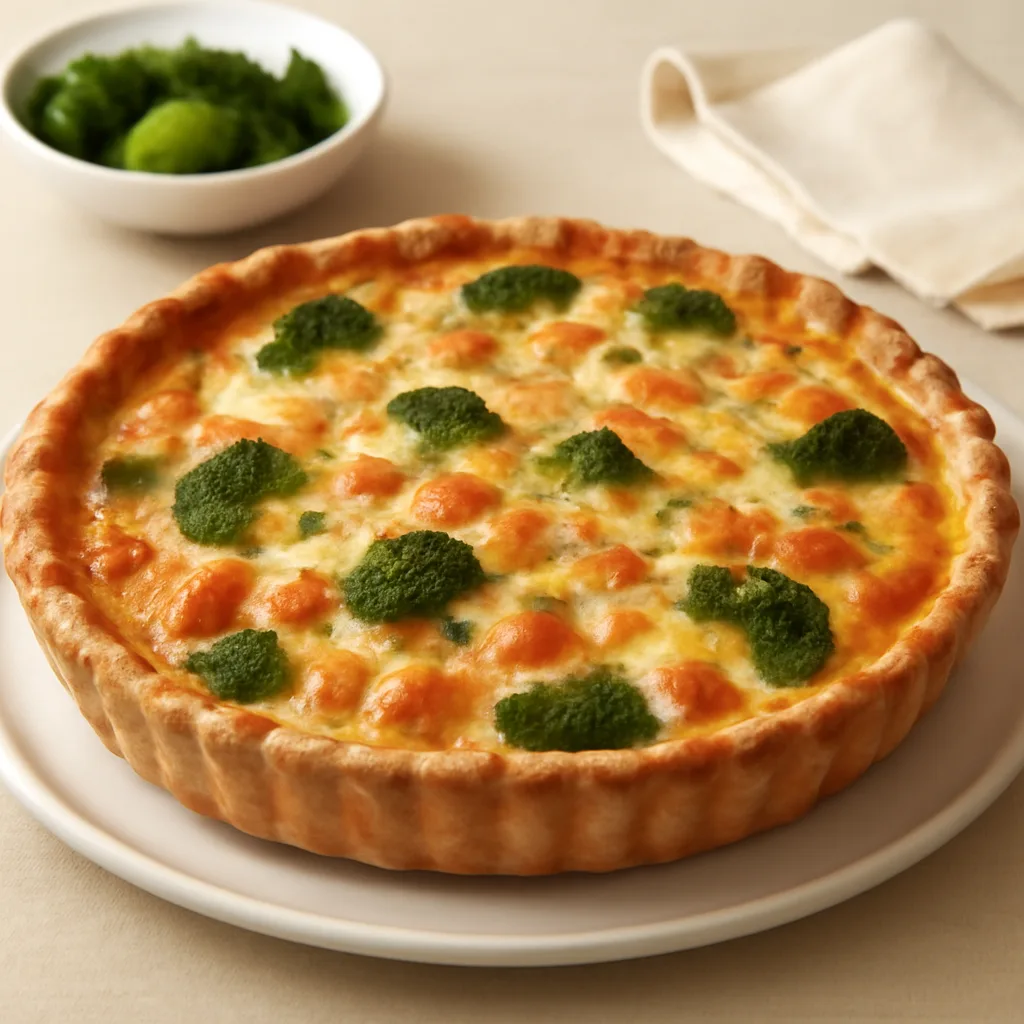
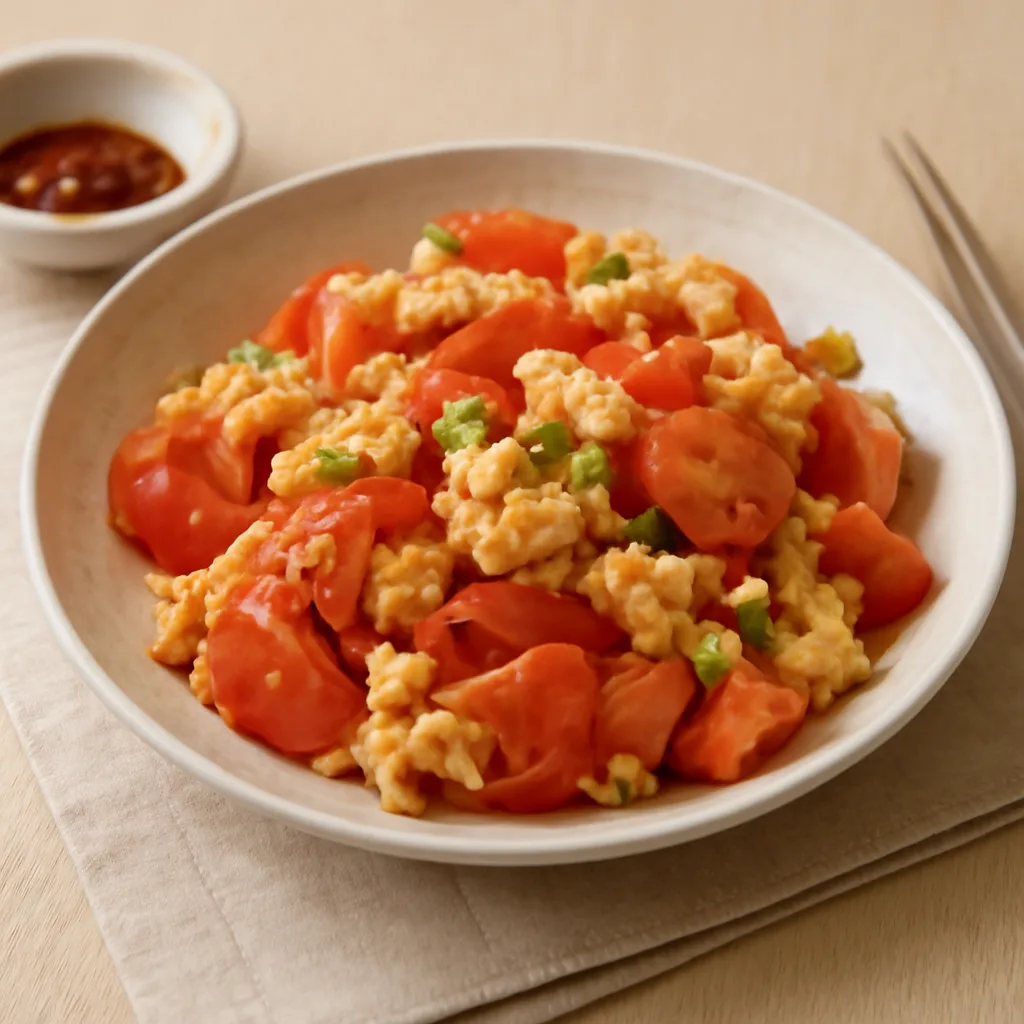
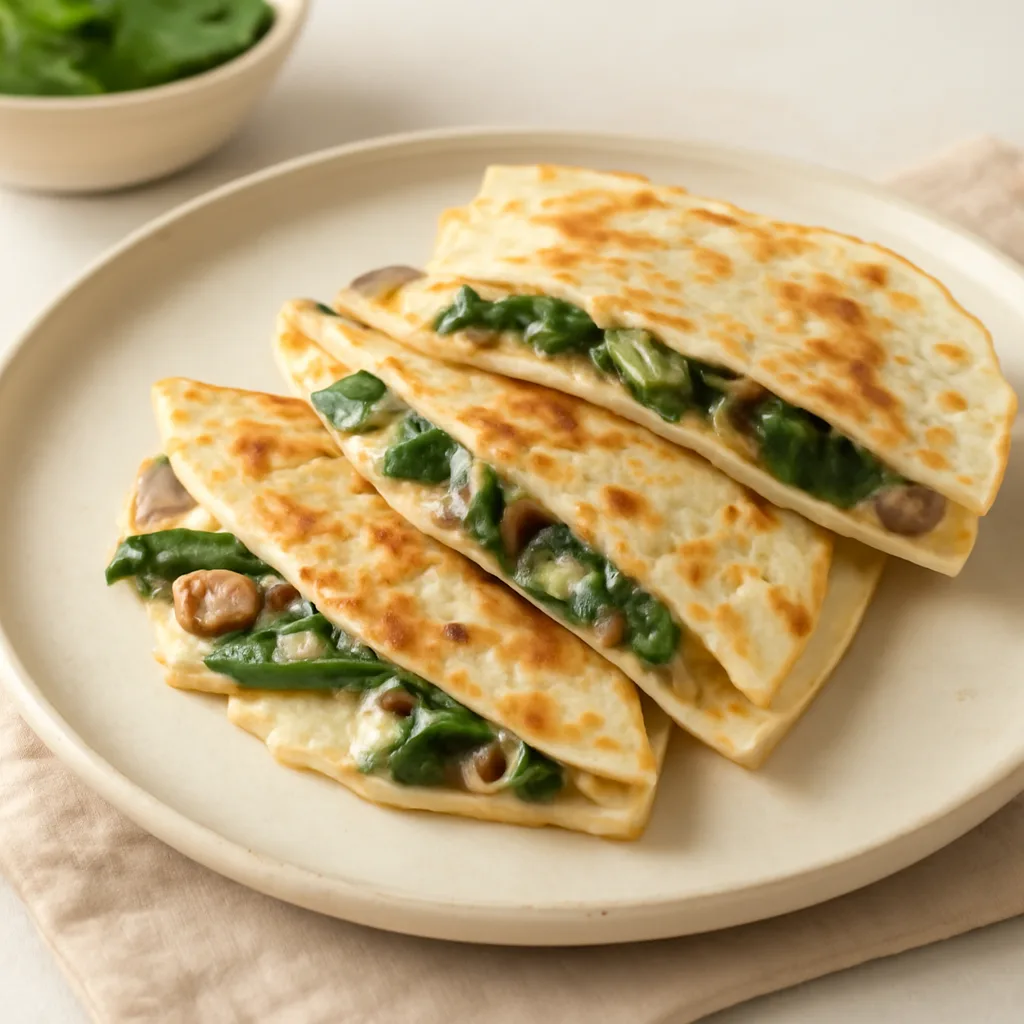
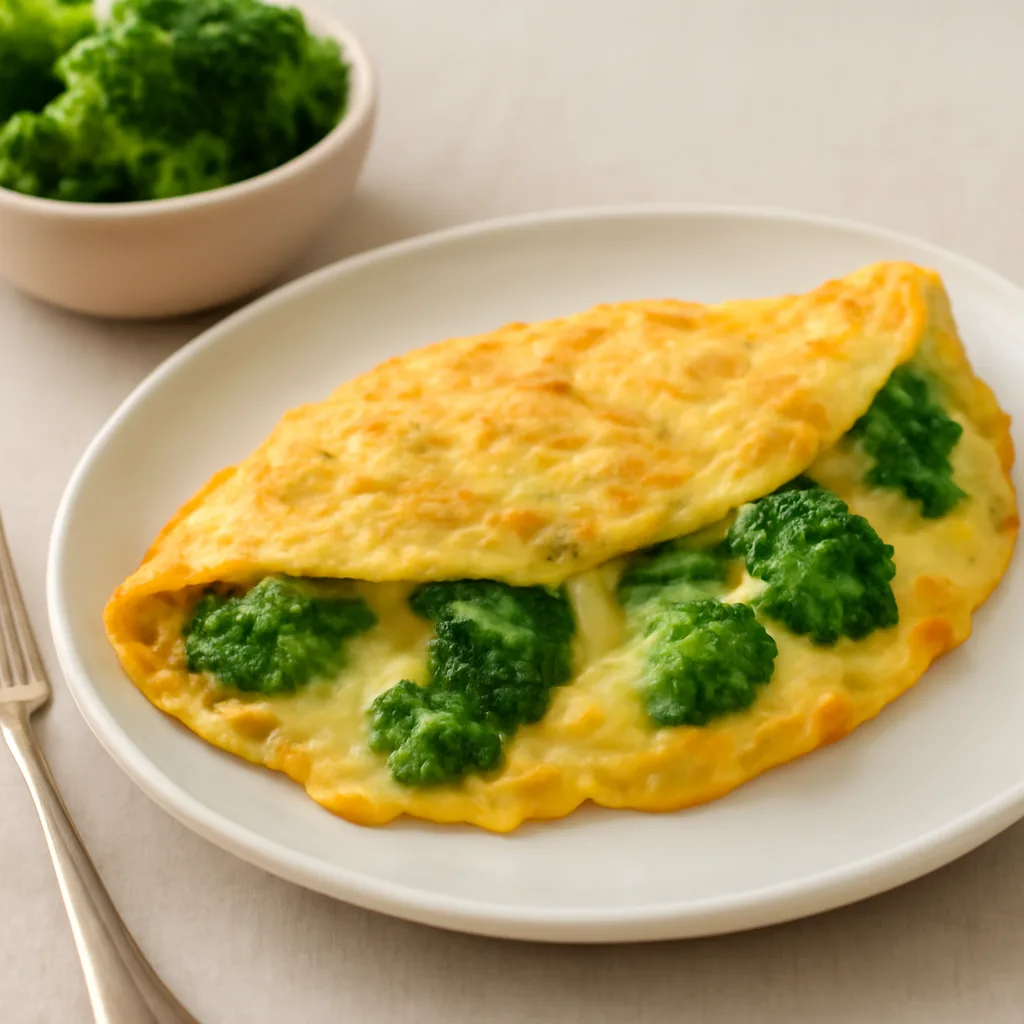
Here are the foods included in this theme, sorted by views from CookPagoda's public food.