Theme guide
Check the selection criteria and cooking ideas for foods that match this theme.
A hearty meal refers to a filling and centerpiece composition that centers the meal on one plate or one table. It commonly combines staples like rice, noodles, or bread with meat, fish, eggs, tofu, beans, or vegetables, and is often served with broth or sauce, though there isn’t a fixed required combination. When choosing, it’s better to focus on balancing the proportion of staple and side dishes rather than merely increasing quantity. If a broth-heavy menu seems abundant at first glance but has few solid ingredients, the meal center may feel weak; for a single meal, choose menus with both solid ingredients and staples.
Well-suited for these people
- It suits people who want to prepare a relatively generous one-meal portion in one sitting.
- In gatherings, it’s convenient to have a rice- or noodle-centered base with stews, stir-fries, or grilled items that people can serve themselves.
- On days with very short cooking time, one-bowl menus like donburi, fried rice, or noodle dishes may be more suitable than laying out multiple side dishes.
- If you’re eating late and want something light, a composition with a small portion of rice, clear broth, and vegetables (as opposed to greasy fried foods or very large portions) may be easier to handle.
Food Selection Guide
- If the plate is mostly carbohydrate with hardly any protein-rich ingredients or vegetables, the flavor may feel monotonous and soon empty, so choose menus that include eggs, tofu, meat, fish, or beans along with vegetables.
- When choosing a broth-based dish, if the solid ingredients look sparse, check for additional components like rice, noodles, dumplings, tofu, or meat rather than the broth itself. If adding solids is hard, prepare separate sides.
- Kimchi, paste-based sauces, soy sauce bases, and broth ingredients can anchor flavor, but mixing too many salty ingredients can make the overall taste heavy, so choose contrasting flavors like fresh greens or a mild salad as sides.
- If you need to widen options for guests, first decide one large main dish and staples, plus simple vegetable side dishes, then leave the rest as optional.
Frequently paired ingredients
- Staple ingredients like rice, noodles, bread, or potatoes form the base of the meal, and if the amount seems insufficient, prepare an appropriate quantity to avoid a sparse one-plate meal.
- Meat, fish, eggs, tofu, and beans are commonly used as main ingredients, and when time is limited, easy-to-cook options like eggs, tofu, or thinly sliced ingredients are convenient.
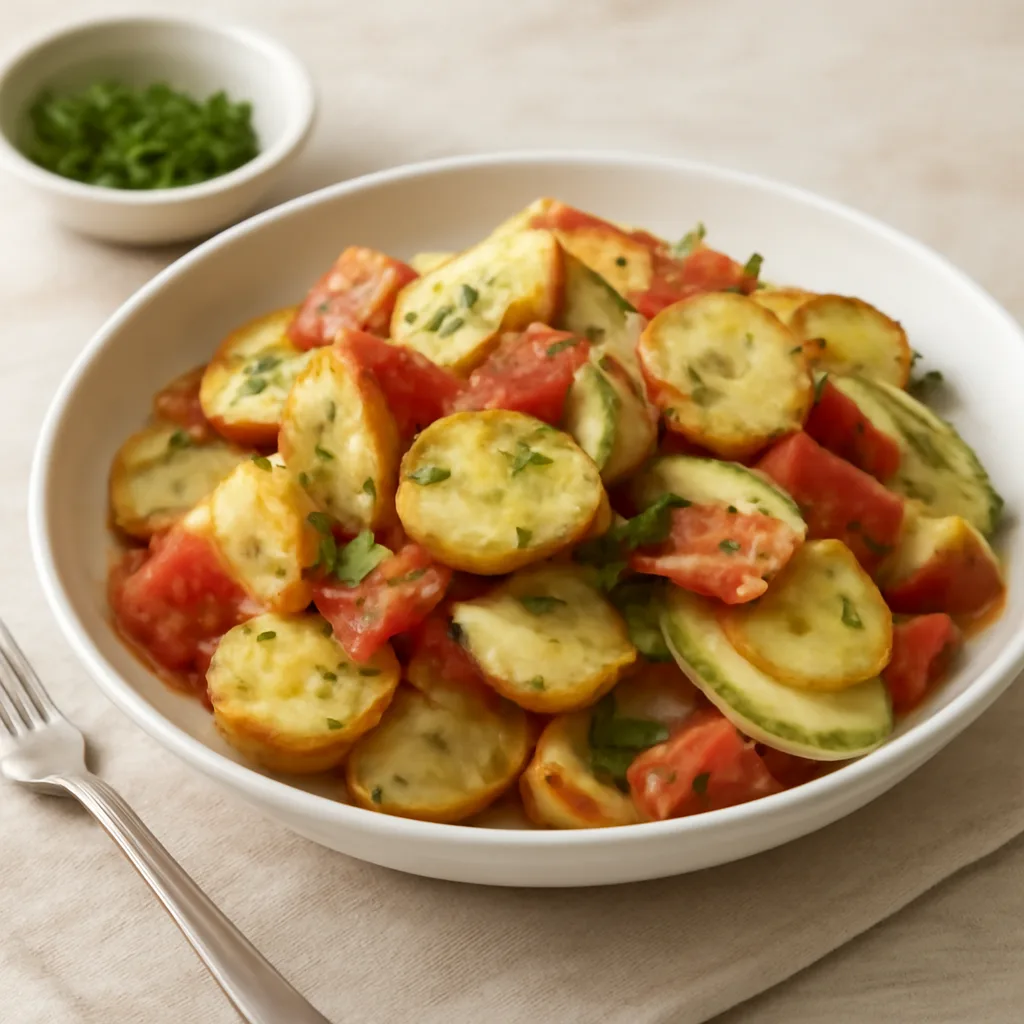
- Onions, green onions, mushrooms, cabbage, and zucchini blend well with stir-fries, soups, or donburi. If using a lot of watery vegetables, sauce may become thin, so cook in portions over high heat or adjust seasonings at the end.
- Kimchi, paste sauces, soy-based seasonings, and stock ingredients help define the flavor, but stacking too many salty ingredients can quickly intensify the saltiness; choose one as the main seasoning.
Compatible cooking methods
- Stir-fry and donburi-style dishes are good for finishing in one bowl by layering ingredients on top of the staple; if the ingredients pile up in the pan and release water, cook them in batches and combine later.
- Stews and hot pots are good for serving both solids and broth to many people. Separate vegetables that take longer to cook from those that cook quickly to prevent over-softening.
- Grilling and braising are easy to pair with rice. When braising, if you start with a lot of broth, flavor may spread; adjust water or seasonings gradually as it reduces.
- Oven or air fryer makes it easy to cook ingredients at once, but different sizes and thicknesses may cook at different rates, so cut to similar sizes or stagger the cooking times.
Tips for beginners
- Start simple: set a plan with one staple, one main ingredient, and one or two vegetables to keep prep and seasoning manageable.
- In a stir-fry, if ingredients look pale instead of browned, the pan might not be hot enough or there may be too many ingredients; heat the pan well and add ingredients in batches.
- If the soup or stew tastes flat, don’t season aggressively at first; check how much liquid and solids you have. If watery, simmer longer to reduce before tasting salt.
- When pairing with rice, taste a bite before serving and adjust; if sides make the dish taste too salty with the rice, add water, unsalted ingredients, or more vegetables to balance.
Menu Composition Tips
- Plan meals with three parts: staple (rice, noodles, or bread), main dish, and vegetable sides for balanced portions.
- If the main is a broth-based dish, pair with a simple side like a salad or pickled vegetables instead of another heavy dish to create contrast on the table.
- To reuse the same ingredients across two meals, cook them one way on the first day (stir-fry or grill) and in a donburi or broth-based dish on the next, to avoid repetitiveness.
- On busy days, choose a couple of easy-to-prepare ingredients in advance to speed up decision-making; if ingredients are already seasoned, reduce seasoning when using with other seasoned dishes.
Foods included in this theme
Here are the foods included in this theme, sorted by views from CookPagoda's public food.