Theme guide
Check the selection criteria and cooking ideas for foods that match this theme.
Mediterranean-style is a useful classification for assembling meals that balance aroma and texture by combining spices, herbs, legumes, grains, vegetables, meat, and dairy. It’s not about one ingredient, but how to layer bright elements like lemon, fatty elements like olive oil, warm-spice aromas like cumin, coriander seeds, cinnamon, finely chopped herbs, and pickled items, which changes the impression. When choosing a menu, it’s convenient to set a center first. If you want a filling single plate, look for ingredients like chickpeas, lentils, rice, or bulgur as the centerpiece; if you need a vivid pairing, add yogurt sauce, herb salad, roasted vegetables, or dips. Not all Mediterranean dishes are spicy or strongly spiced, so it’s good to consider the intensity of aroma, cooking time, and whether bread or rice will accompany it. If you mix grilled ingredients’ charred aroma, bright acidity, soft dips, and crisp vegetables on one table, you can achieve variety with relatively few cooking methods. However, if you add many spices, acidity, and pickled salt all at once, the taste center can become blurred, so it’s practical to first decide one main ingredient and one sauce or accompaniment, then supplement the rest.
Well-suited for these people
- It’s well suited for people who want to build a hearty meal centered on legumes, grains, and vegetables.
- Great when preparing a table that shares roasted/meat, salad, dips, bread or rice.
- If you’re new to using spices, start with one or two like cumin or paprika for easier access.
- If you prefer very mild flavors, serve raw garlic, strong spices, or high-acidity sauces separately or reduce their amounts.
Food Selection Guide
- If you need short cooking time, choose a dip and salad combination using canned chickpeas, yogurt, vegetables, and bread. Cooking dried beans from scratch or simmering for a long time requires more prep time.
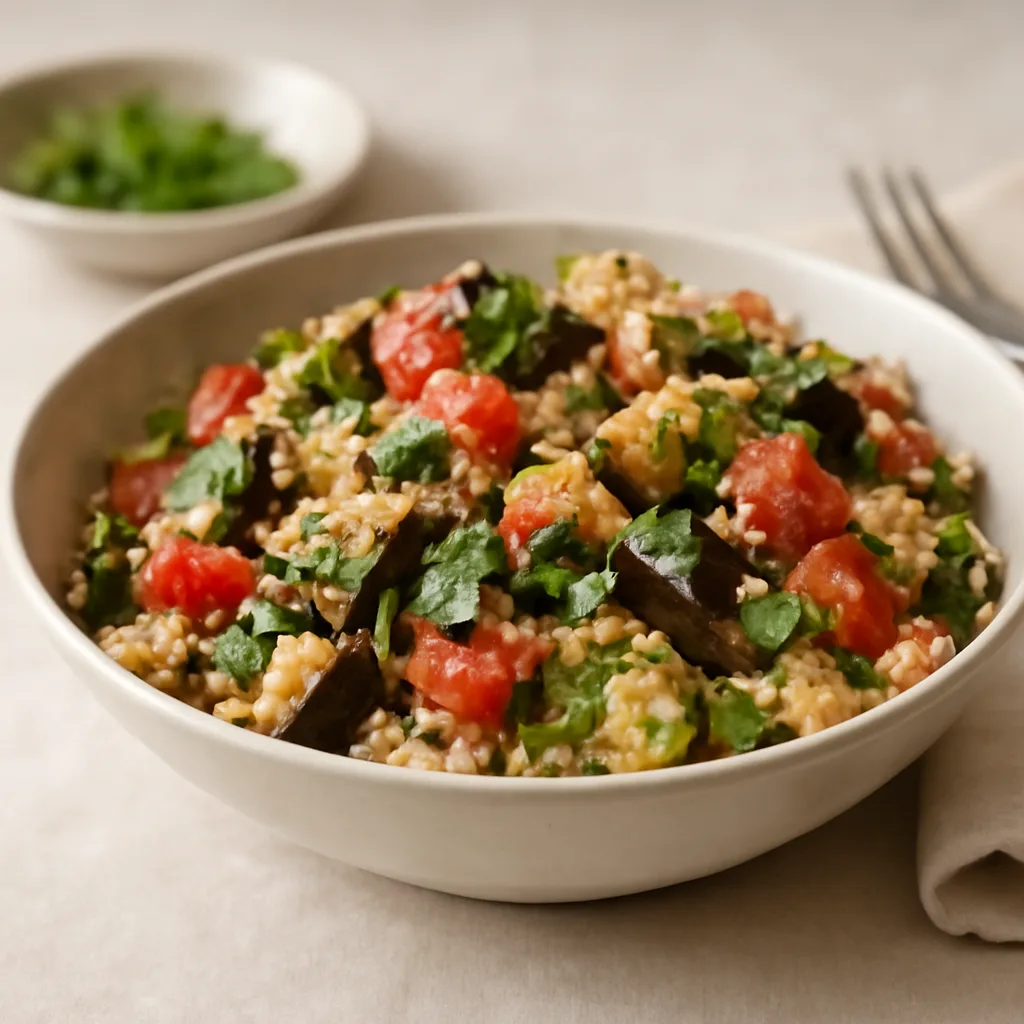
- When choosing meat as a main, look for methods that bring out roasted aroma on the surface like skewers or oven roasting; when choosing vegetables as a main, look for combinations with ingredients that add bite or body such as lentils, chickpeas, or eggplant.
- If recipes contain multiple lemon juice, vinegar, or pickling ingredients, the acidity may taste strong, so add only some at first and taste at the end before adding more.
- Bread-based dishes pair well with generous sauces or dips, while dishes with rice or bulgur pair well with a broth or moist vegetable dish to avoid being too dry.
Frequently paired ingredients
- Chickpeas and lentils are easy to use in dips, soups, salads, and stews; if using canned, rinse to adjust seasoning if salty.
- Cumin, coriander seeds, paprika, cinnamon, allspice are example spices; whole spices can be lightly toasted in a dry pan to release aroma, but once ground too hot flavors can burn, so handle on low heat.
- Parsley, mint, cilantro, and lemon add a fresh contrast to heavy legumes or roasted dishes; if herb aroma is mild, it may have been added too early, so reserve some for finishing.
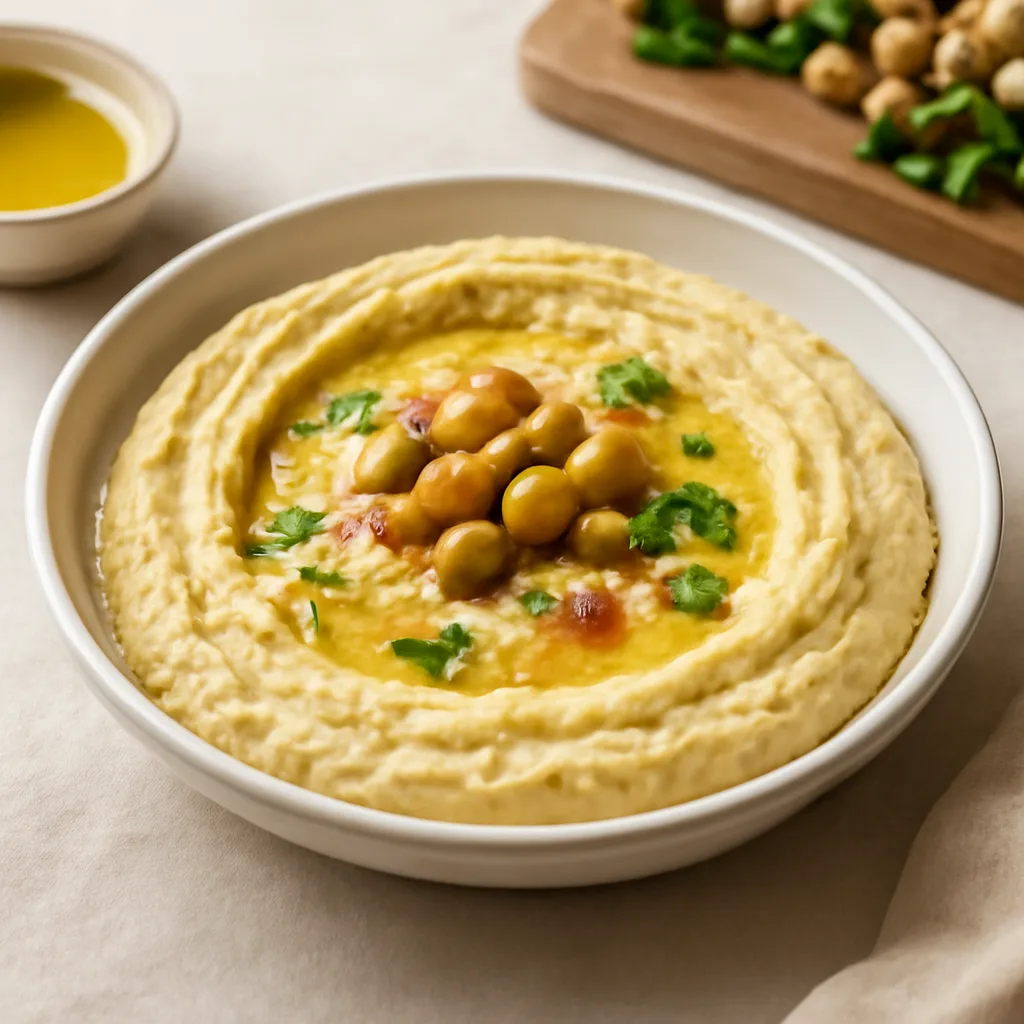
- Yogurt, tahini, olive oil, garlic are often considered for sauces and dips; if tahini becomes too thick, gradually loosen with water or lemon juice to reach desired consistency.
Compatible cooking methods
- Roasting vegetables and meat in oven or pan adds surface browning aroma; if the surface browns quickly but inside isn’t cooked, lower the temperature or cut ingredients smaller.
- Boiling or simmering beans to make dips, soups, or stews yields a soft texture; if the dip is rough, ensure ingredients are tender, and add some of the cooking liquid or cold water before blending.
- A raw chopped herb and vegetable salad provides a bright pairing; if there is too much moisture, add dressing just before serving to maintain texture.
- Toasting spices briefly in oil releases aroma, but if garlic or ground spices burn, start with fresh oil and adjust; avoiding burnt notes helps overall flavor.
Tips for beginners
- Start by choosing one main spice such as cumin or paprika, finish with lemon juice and salt; with many spices at equal amounts it’s hard to judge which is overpowering.
- When making dips or sauces, add liquids gradually in a blender rather than pouring a lot all at once.
- Roasted vegetables should be laid out without overlapping on the pan; if they release a lot of moisture and don’t color, they may be steaming rather than roasting.
Menu Composition Tips
- For a meal, place one roasted main, one hearty legume or grain-based element, and one fresh vegetable or herb side to create temperature and texture contrast.
- If there is a rich main like roasted meat or eggplant, balance with a lemony salad or yogurt sauce; conversely, if there are several acidic sides, keep the main simple with rice, bulgur, or bread to maintain balance.
- For guests, present dips, bread, vegetables, and pickles separately so each person can adjust acidity and heat; limit the number of sauce types to avoid leftovers.
Foods included in this theme
Here are the foods included in this theme, sorted by views from CookPagoda's public food.