Theme guide
Check the selection criteria and cooking ideas for foods that match this theme.
Diet-themed cooking is less about choosing a dish that is simply “low amount of food,” and more about selecting a meal by aligning portion size, composition, method of cooking, and post-meal satisfaction with your meal plan. Dishes centered on vegetables and protein ingredients, with adjusted amounts of grains, noodles, sauces, and oils, are often chosen, but the same ingredients can yield a very different impression depending on the cooking method and accompaniments. When choosing a menu, it is practical to look at the composition on the plate rather than the ingredient name. If elements that enhance flavor such as fried batter, cream sauce, or a large amount of mayo sauce stand out, check where the flavor center lies, and if needed you can set the sauce aside or simply adjust the sides. Conversely, repeatedly bland compositions can make a meal feel monotonous, so choosing with varying spices, acidity, and texture to compensate is also good.
Well-suited for these people
- Great for people who want to plan a meal within a fixed portion or ingredient standard.
- Can be used when choosing dining-out or takeout menus to adjust by watching the proportion of vegetables, the main ingredient, and sauces or sides.
- Suitable for beginners who want to keep their favorite ingredients but change cooking methods and portions first, rather than imposing complex restrictions.
- However, at gatherings where several people share a plentiful spread, requiring separate compositions for each person can be cumbersome, so it is practical to add adjustable sides to a common menu.
Food Selection Guide
- If about half of the plate is filled with vegetables, mushrooms, seaweed, or other voluminous items, it is easy to gauge the meal’s composition; if the vegetables are scarce and the focus is on sauce or frying, add salad or blanched vegetables or consider another menu.
- Main dishes with clear central ingredients like chicken, fish, tofu, eggs, or legumes are good for steering the meal’s direction; however, if the seasoning is very strong or breading/Batter is thick, check the cooking method and sauce amount together.
- Rather than removing carbohydrates like rice, bread, or noodles entirely, check whether the portion matches your desired meal size for sustainability; if it looks large, start with smaller portions or pair with vegetable side dishes.
- For soups, look at the ratio of solids to broth; when broth is the main part and sides are many, eat mainly the solids and keep additional menu simple.
Frequently paired ingredients
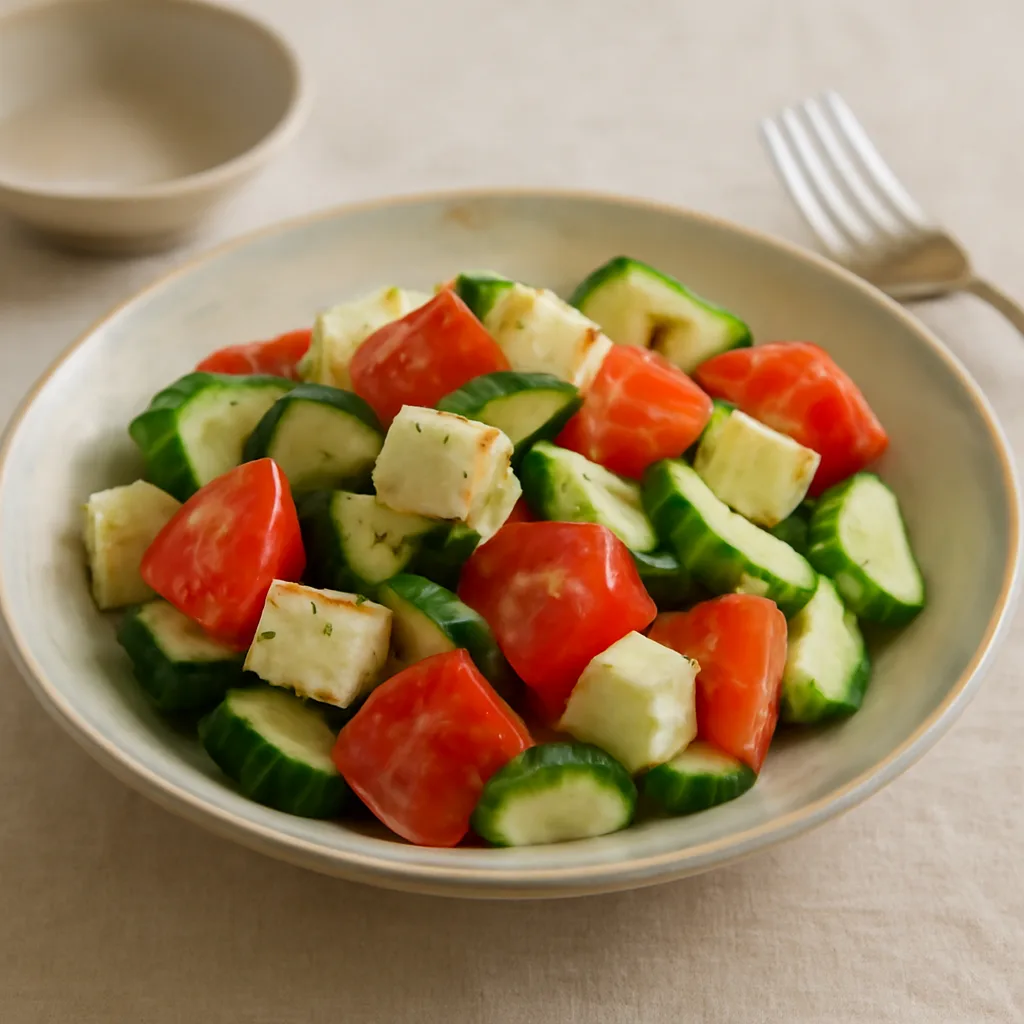
- Leafy greens, cabbage, cucumber, tomato, mushrooms, broccoli, and other vegetables that add volume and texture are commonly used.
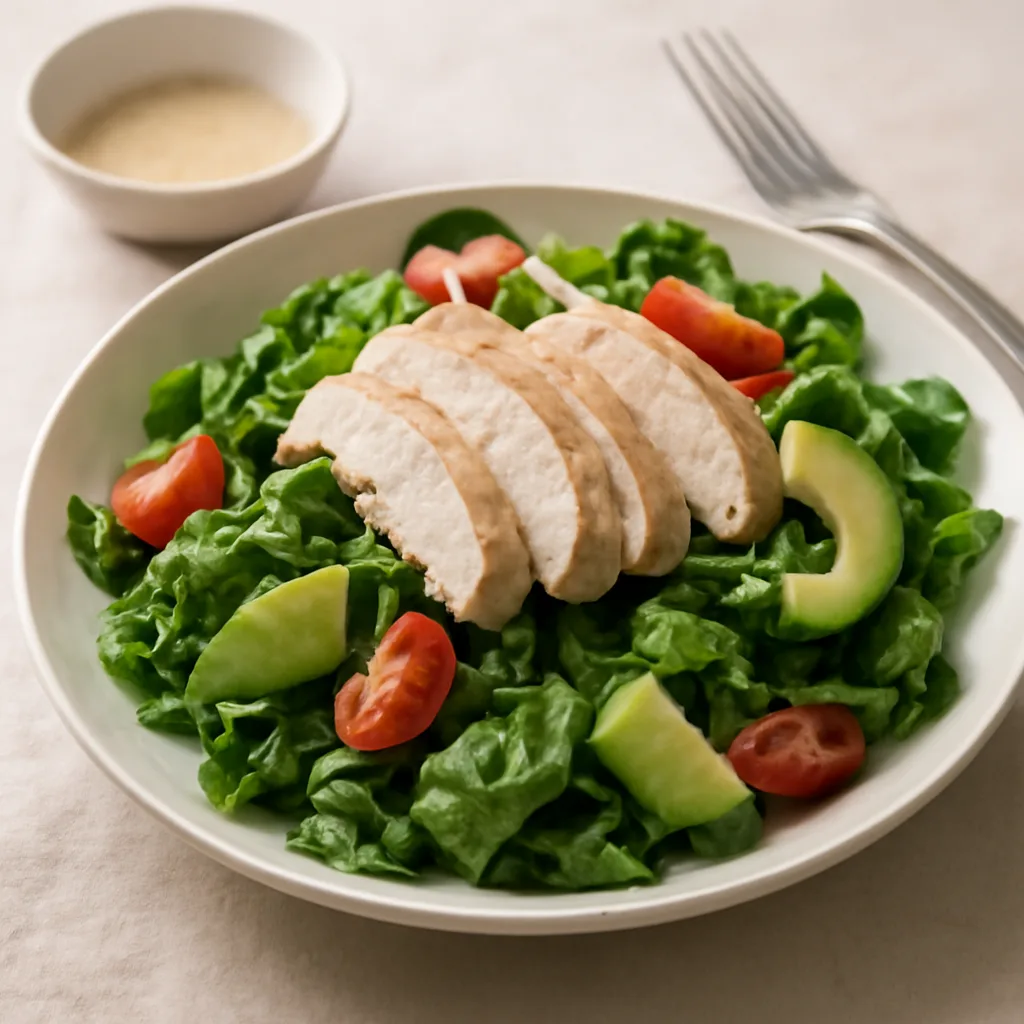
- Chicken, fish, eggs, tofu, and legumes are good as central ingredients in salads, bowls, or stir-fries.
- Rice, grains, potatoes, sweet potatoes, and whole-grain bread—ingredients that form the carbohydrate portion of the meal—can be chosen according to the menu and desired portion.
- Lemon juice, vinegar, herbs, pepper, garlic, and chili help adjust flavor without greatly increasing sauce quantities.
Compatible cooking methods
- Roasting helps preserve surface aroma while easily controlling fat usage, suitable for chicken, fish, tofu, and vegetables.
- Steaming and blanching leave ingredients relatively simple in shape, making portions and seasonings easy to gauge; if flavors feel bland, add spices or tangy sides.
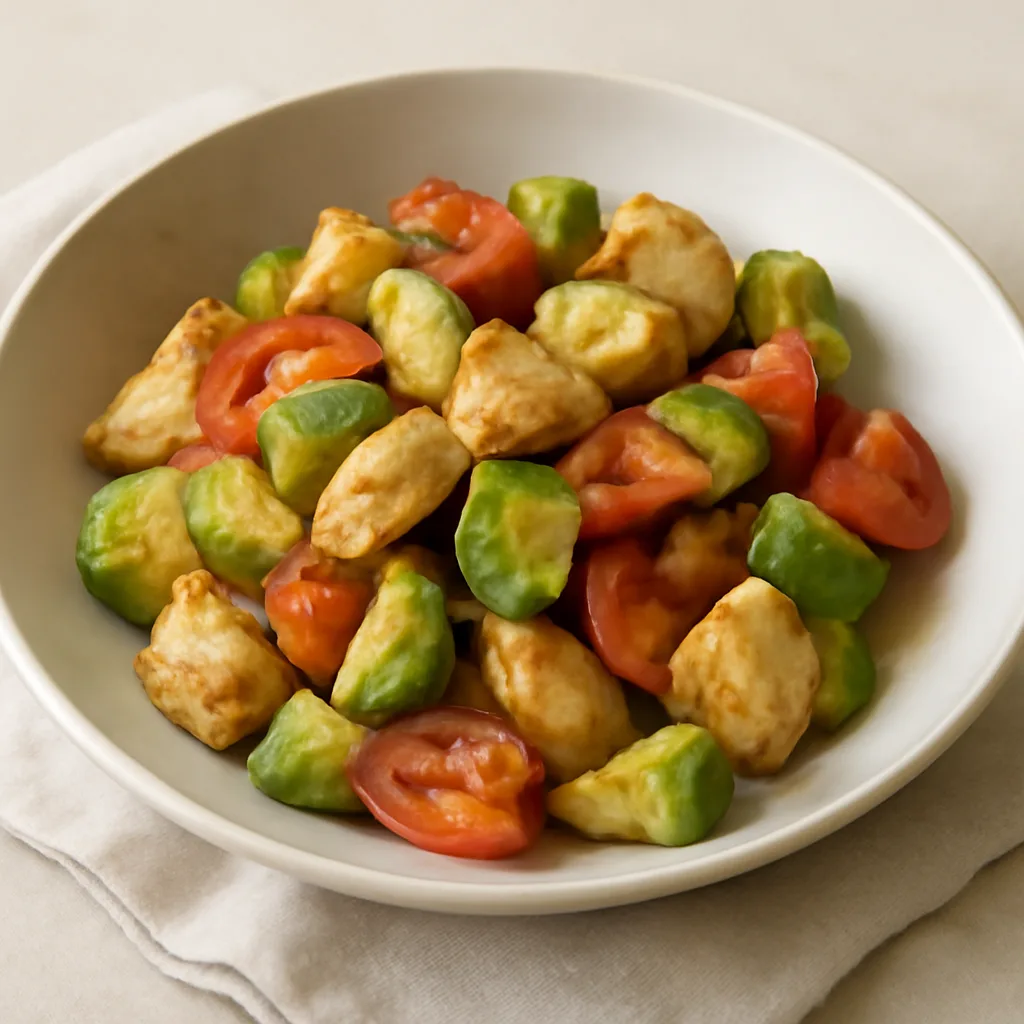
- Stir-frying is good for quickly combining multiple ingredients on one plate, but oil and sauce can rise quickly; if moisture comes from ingredients, stir-fry in high heat in batches and add sauce in small amounts at the end.
- Soups, stews, and steaming dishes are convenient to prepare in larger quantities, but ensure the accompanying rice/noodles and broth quantities are aligned so the meal stays cohesive.
Tips for beginners
- Rather than changing all ingredients at once, start by changing just one cooking method, like roasting or blanching, in a familiar meal instead of frying.
- If salad wilts or releases water, remove excess moisture from vegetables and add dressing just before eating.
- If chicken breast or tofu feels dry, you may have overcooked it; slice thinly and cook briefly, or pair with moist vegetables or broth-based dishes.
- If eating without sauce feels difficult, don’t remove sauce entirely from the start; keep it in a small separate bowl for dipping to control portion and flavor.
Menu Composition Tips
- Plan each meal with distinct roles: one main ingredient, one vegetable side or salad, and one carbohydrate; this helps prevent overly complex menus.
- For weekday prep, have washed vegetables, pre-cooked grains, and roasted proteins ready separately so the same ingredients can be turned into bowls, salads, or soups easily.
- If you choose a simple noodle or bread for lunch, consider a lighter dinner with a straightforward plate showing the main ingredient and vegetables to balance the meal.
- If every meal is very light and hunger is strong, instead of simply increasing the menu next time, first adjust the portions of the main ingredient and the grains or starchy sides.
Foods included in this theme
Here are the foods included in this theme, sorted by views from CookPagoda's public food.