Theme guide
Check the selection criteria and cooking ideas for foods that match this theme.
High-protein is a cooking theme that aims to structure meals with a relatively high proportion of protein. It centers on protein-providing ingredients such as meat, fish, eggs, tofu, legumes, and dairy, adjusting portion sizes and cooking methods to compose a meal. Even for the same high-protein dish, forms can vary greatly, such as soup, salad, grilled, or over rice. Rather than simply increasing ingredient quantities, deciding the desired meal size, texture, prep time, and the accompanying carbohydrates and vegetables first helps choose a more suitable menu. Because relying on a single protein ingredient can make the flavor and texture monotonous, it can be good to include a main ingredient and supporting ingredients. However, if you need to limit a specific ingredient or require individual meal management, it is more appropriate to verify that the ingredients align with your personal eating principles rather than basing the menu on this topic alone.
Well-suited for these people
- It’s well suited for people who want to emphasize the presence of central ingredients like meat, fish, eggs, tofu, and legumes in a single plate.
- If you want to quickly prepare a meal with one main ingredient on busy days, grilled, stir-fried, or salad formats are easy to choose.
- In meals for multiple people, it can be hard to balance with only meat or fish, so adding tofu or legumes broadens the options.
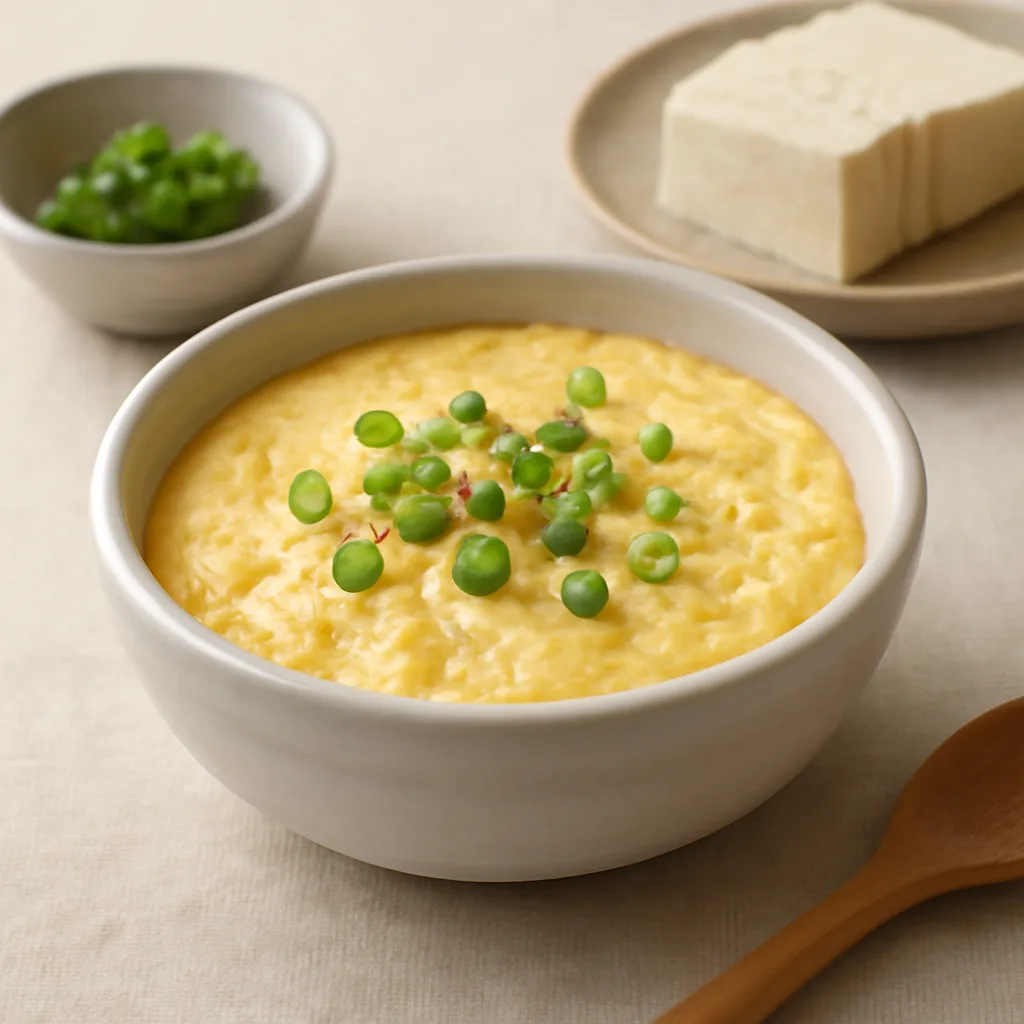
- When a softer texture is needed, egg custards, silken tofu, or soups with finely chopped ingredients may be more suitable than tough meat cuts.
Food Selection Guide
- If the cooking time is limited to around 20 minutes, choose ingredients that contact heat quickly, such as thinly sliced meat, eggs, or tofu. Thick chunks of meat or dry beans take longer to prepare and cook, so it’s better to trim beforehand or switch to another dish.
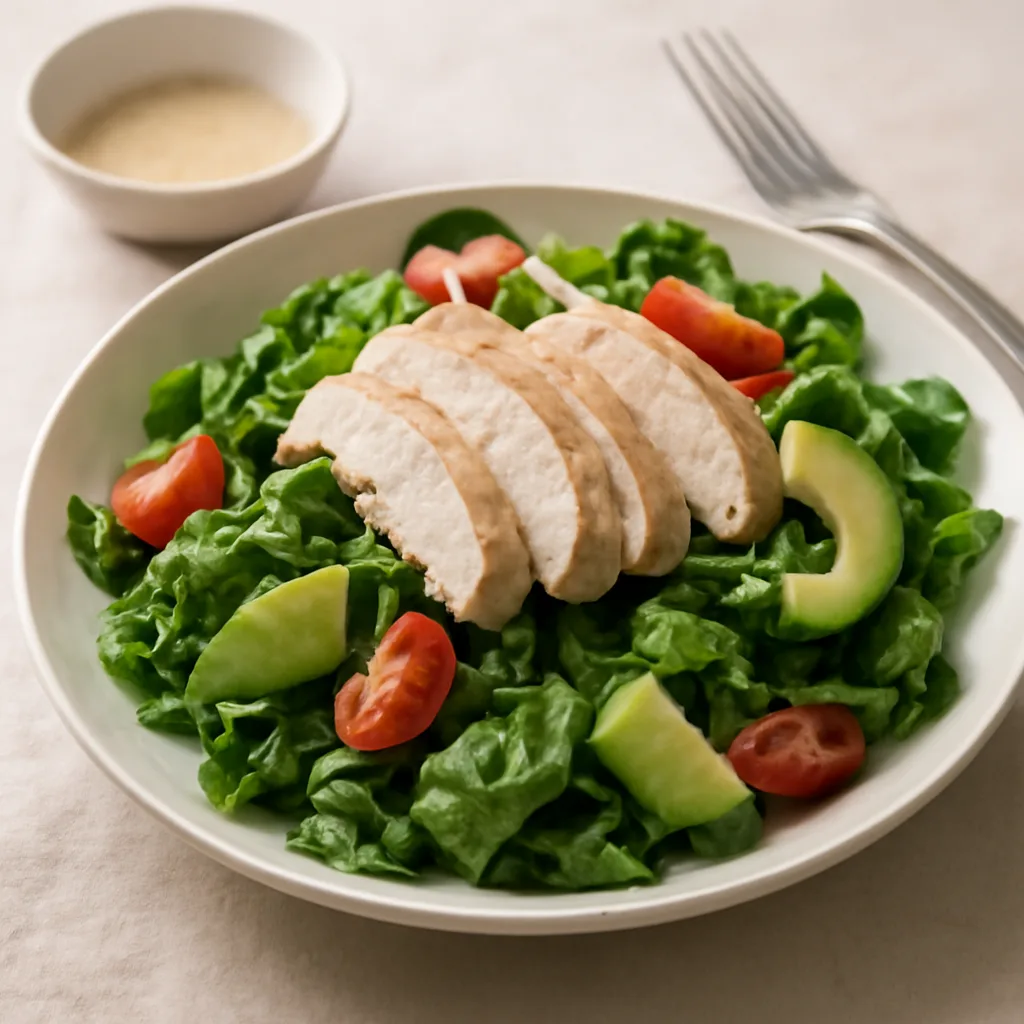
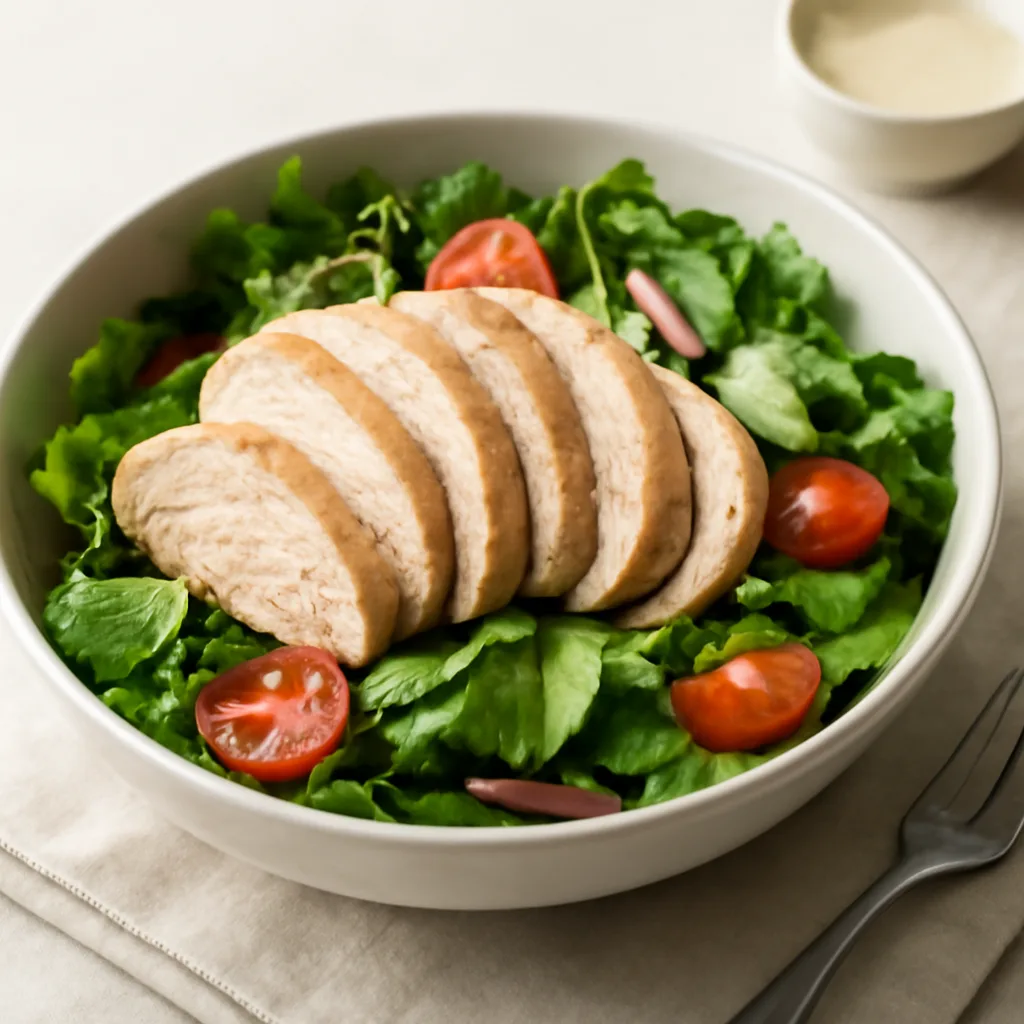
- If you want a fresh balance after a meal, pair roasted fish or chicken with fresh vegetables and a tangy sauce; for a hearty bowl, combine legumes or tofu with rice, noodles, or potatoes.
- If ingredients are already seasoned or processed, flavors can overlap easily. Taste first with less salt and sauce, and add finishing seasoning as needed.
- If the main ingredient looks dry or tough, it’s likely been overcooked; next time, cut to uniform thickness or cook briefly and rest to check texture.
Frequently paired ingredients
- High-protein options include chicken, beef, pork, fish and seafood, eggs, tofu, legumes, and dairy as examples. Since moisture, fat, and doneness vary by ingredient, when using several in one plate it’s helpful to split the cooking order. For example, drain tofu to remove moisture before grilling, and add leafy greens at the end to avoid the dish becoming watery.
- To add aroma, choose garlic, scallions, onions, herbs, pepper, chilies, and condiments from soy sauce and doenjang according to the ingredient’s character. If several ingredients are mild, add one more aromatic or acidic element to anchor the flavor.
- When using legumes, if the grains are too firm, choose well-soaked or soft-cooked products; if you’re short on time, you can substitute with eggs or tofu as the main ingredient.
Compatible cooking methods
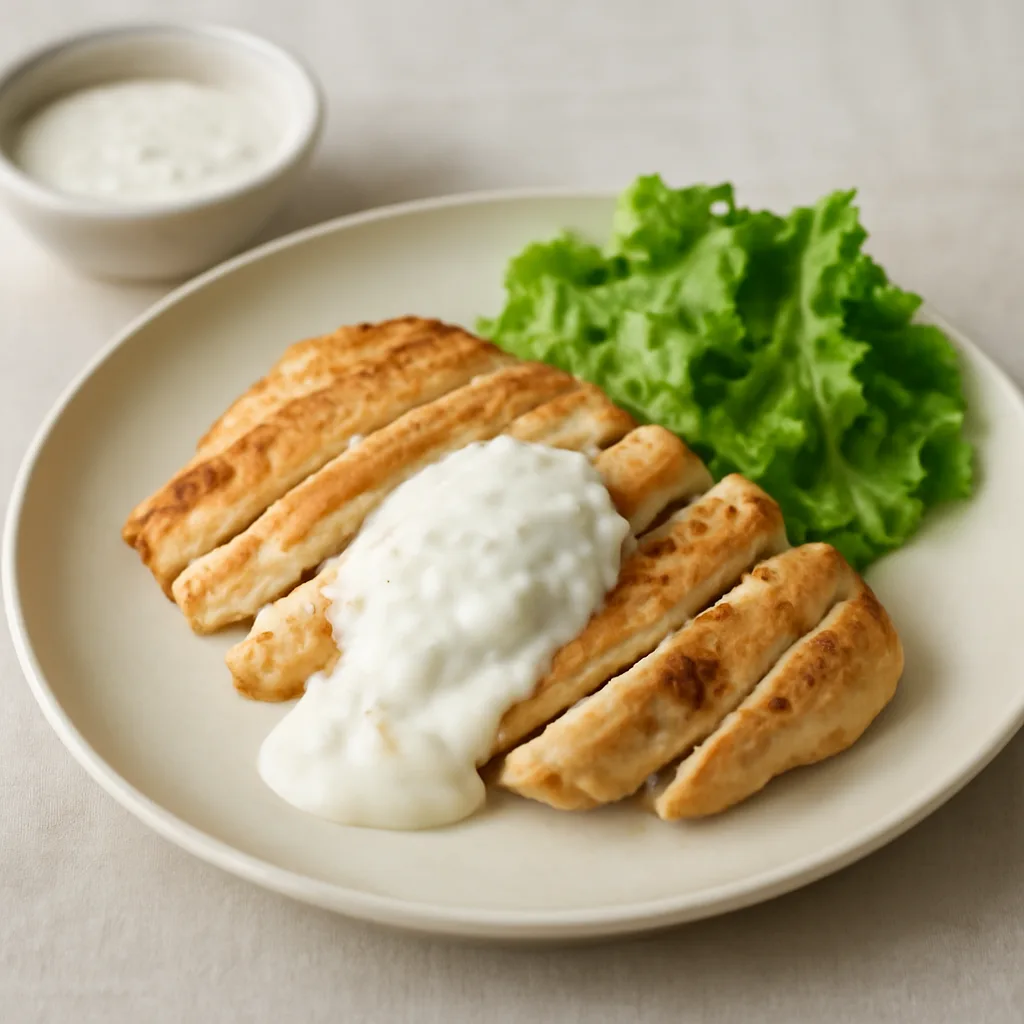
- Pan-searing adds color and aroma quickly to thin cuts of meat, fish, or tofu, but if the pan gets too hot the exterior may burn while the inside remains undercooked. If the surface browns too quickly, lower the heat and adjust to the thickness of the ingredient.
- Stir-frying is good for including many ingredients in one meal. If moisture-rich mushrooms or vegetables are added with protein all at once, it can resemble a braise rather than a stir-fry, so it's advantageous to cook the main ingredient first and add vegetables separately.
- Soups, stews, and broths are good for tenderizing tofu, legumes, lean meat, and seafood. Not all ingredients improve with long simmering, so save tougher ingredients for the final stage.
- Oven or air fryer cooking is convenient for larger quantities, but if ingredient sizes vary, don’t expect uniform doneness. Trim to similar sizes and check the status midway.
Tips for beginners
- Start with one protein main, one or two vegetables, and a simple seasoning. Too many ingredients make it hard to tell which ingredient released moisture or why the seasoning became strong.
- If meat or fish release a lot moisture in the pan, the surface moisture or pan temperature may be the cause. Gently pat dry with paper towels and avoid crowding the pan.
- When tofu breaks easily, moisture may remain or it was flipped too early. Remove moisture, wait until one side firms, then move with a wide spatula.
- If seasonings are too salty or strong, add some water or a neutral ingredient to dilute, and next time reserve some seasoning to add at the end.
Menu Composition Tips
- Plan meals by dividing into protein main, side dishes with vegetables or fruit, and a preferred carbohydrate. For example, plate a grilled main with fresh or blanched vegetables, and pair a soup with rice or noodles.
- To avoid monotony across meals, if one meal is grilled, the next could be a soup or egg/tofu dish to vary texture and temperature.
- When prepping ahead, separate cooked legumes, cleaned vegetables, and prepared proteins so it’s easy to switch to salad, stir-fry, or over rice. Store already seasoned ingredients separately to avoid overpowering other seasonings.
- For guest-ready options, pairing one meat or fish dish with one tofu/legume dish offers flexibility. However, avoid making all menus heavily seasoned, so keep one option mild to maintain balance.
Foods included in this theme
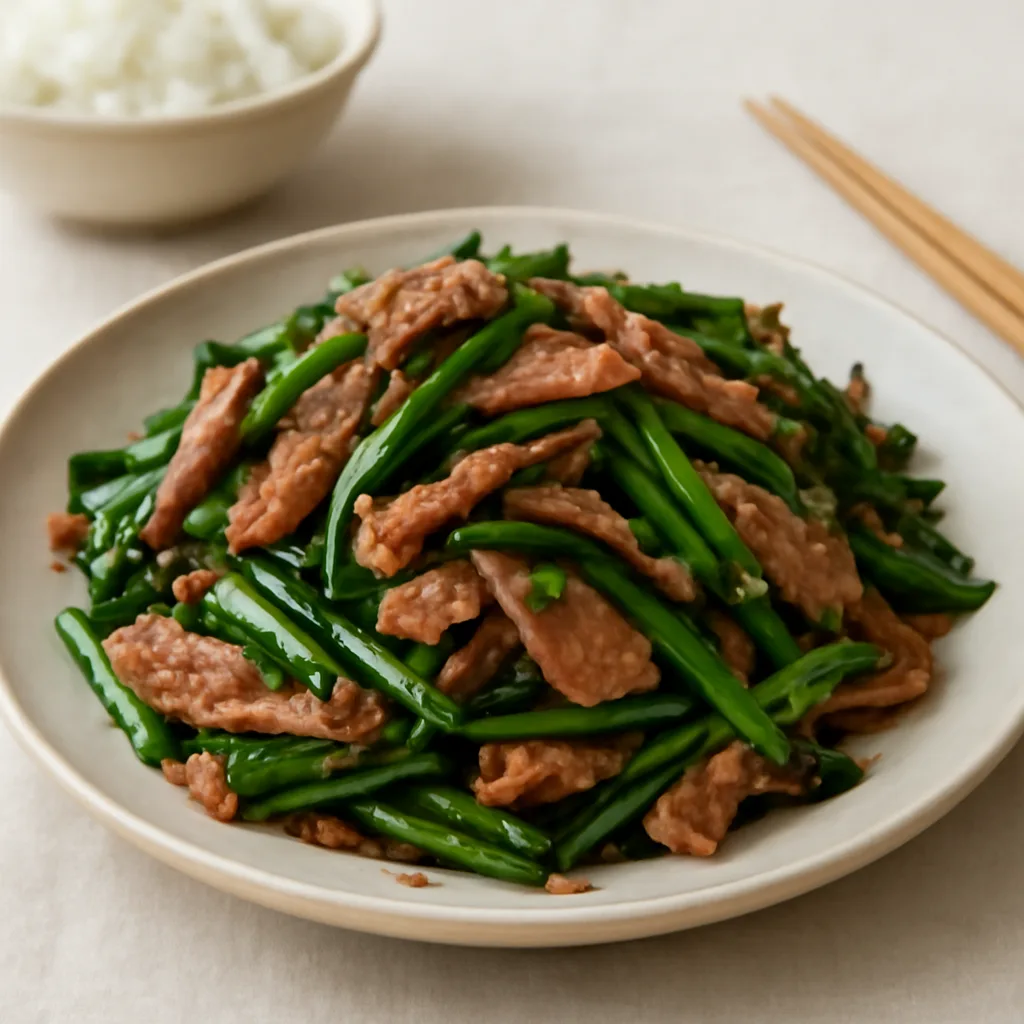
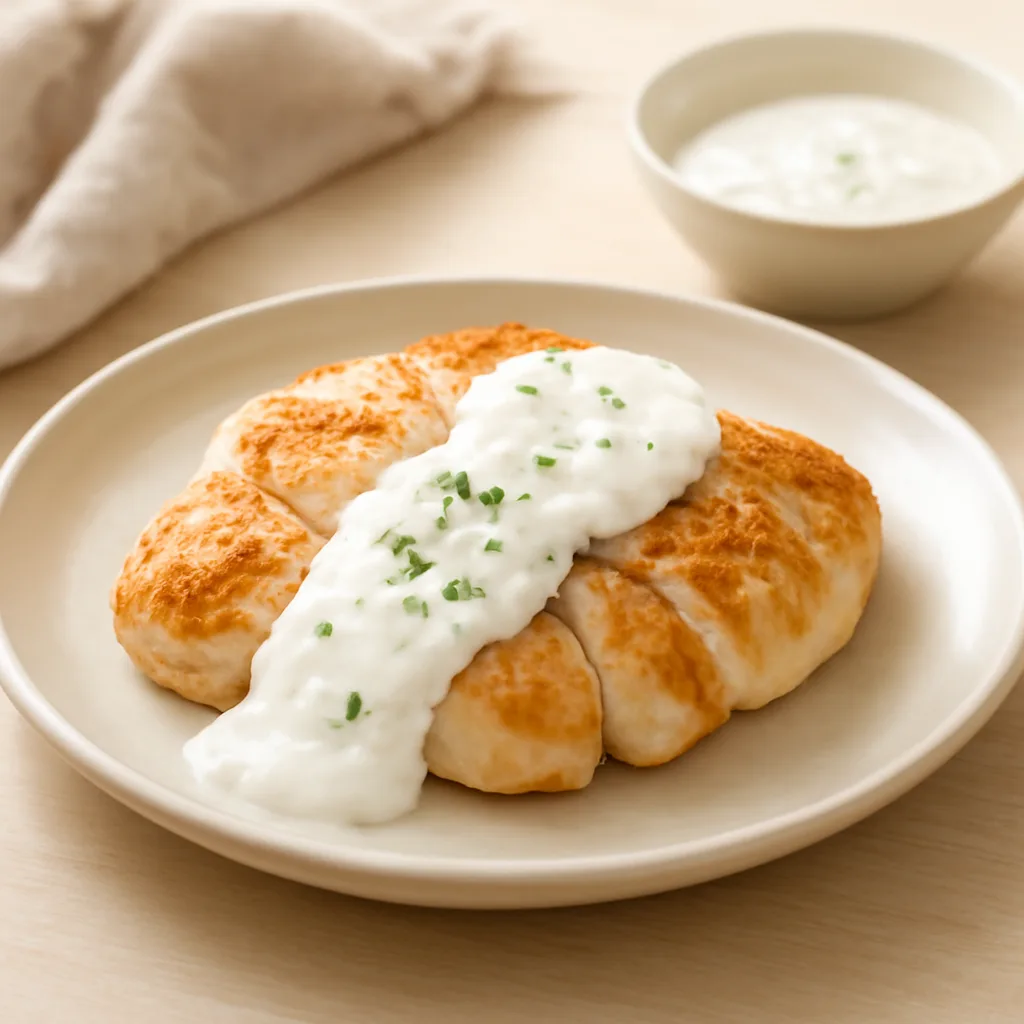
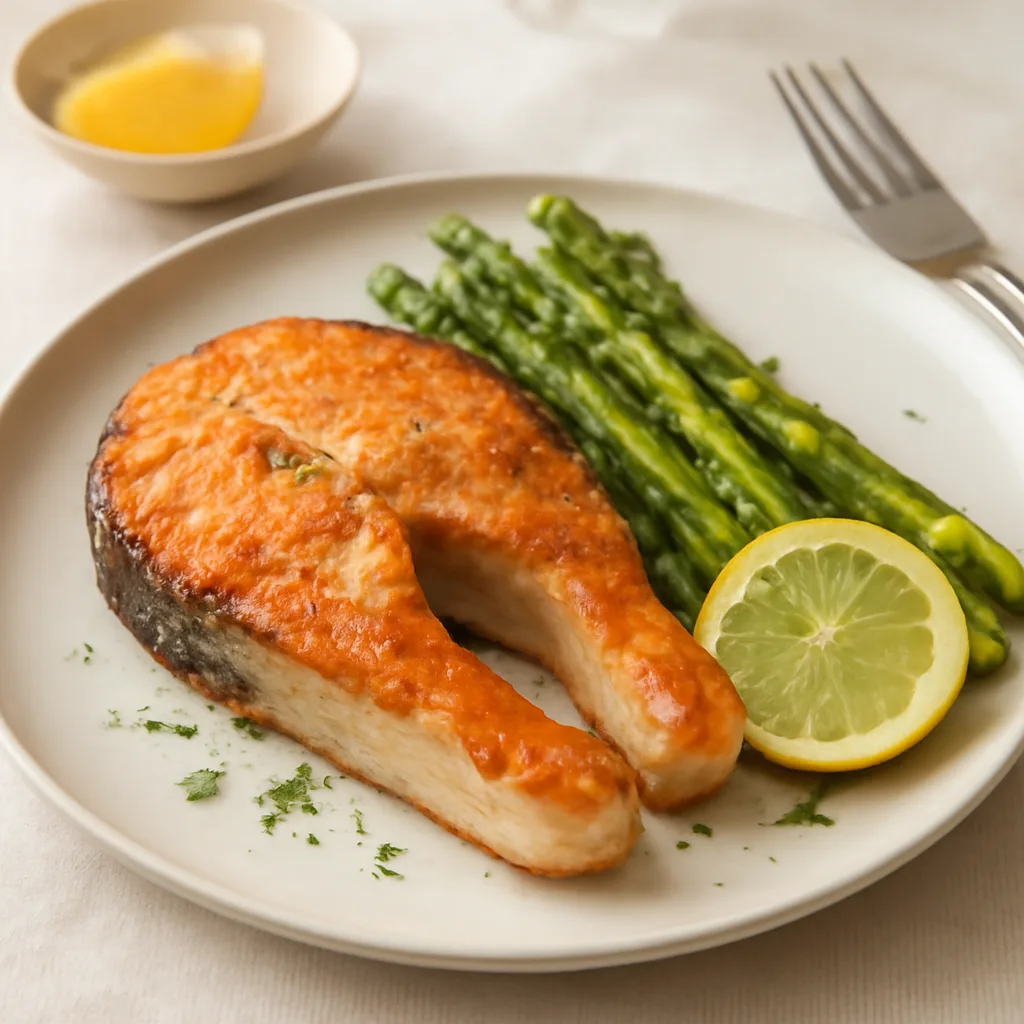
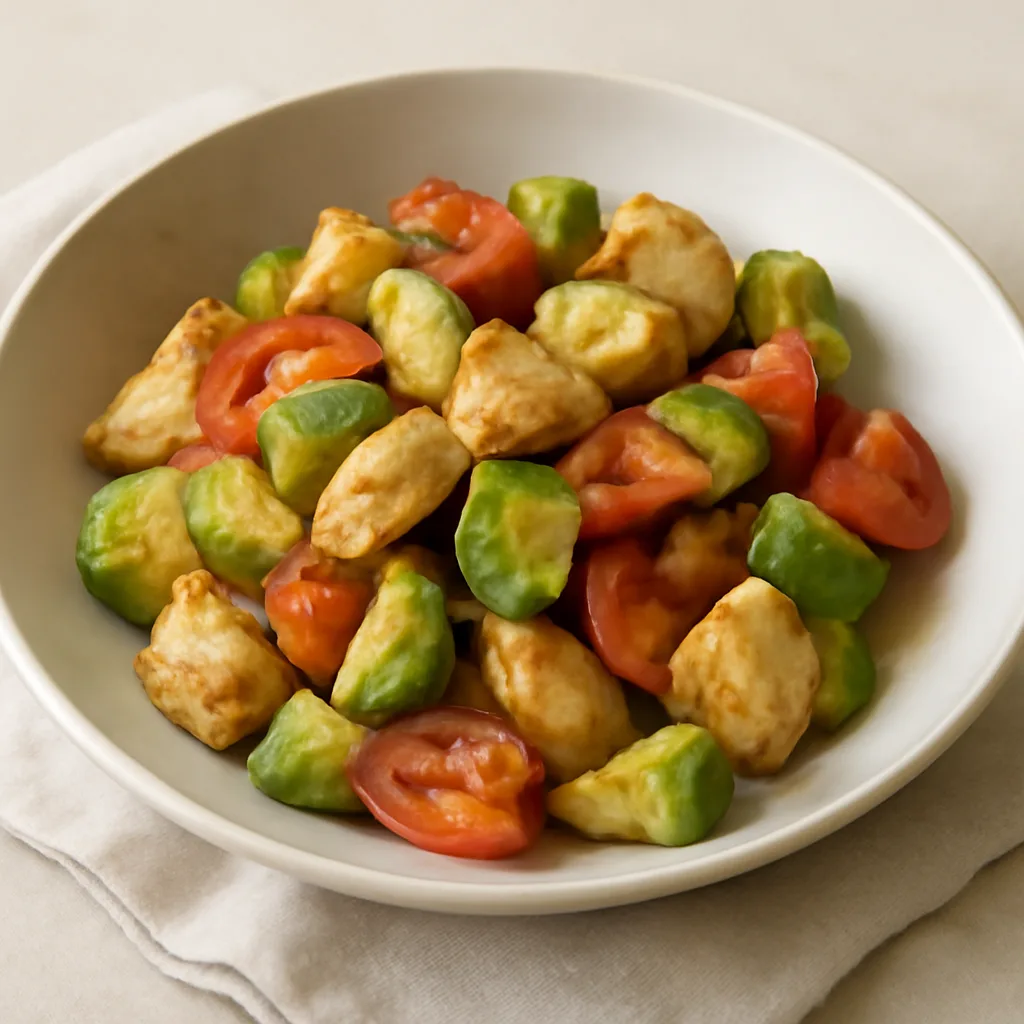
Here are the foods included in this theme, sorted by views from CookPagoda's public food.