Theme guide
Check the selection criteria and cooking ideas for foods that match this theme.
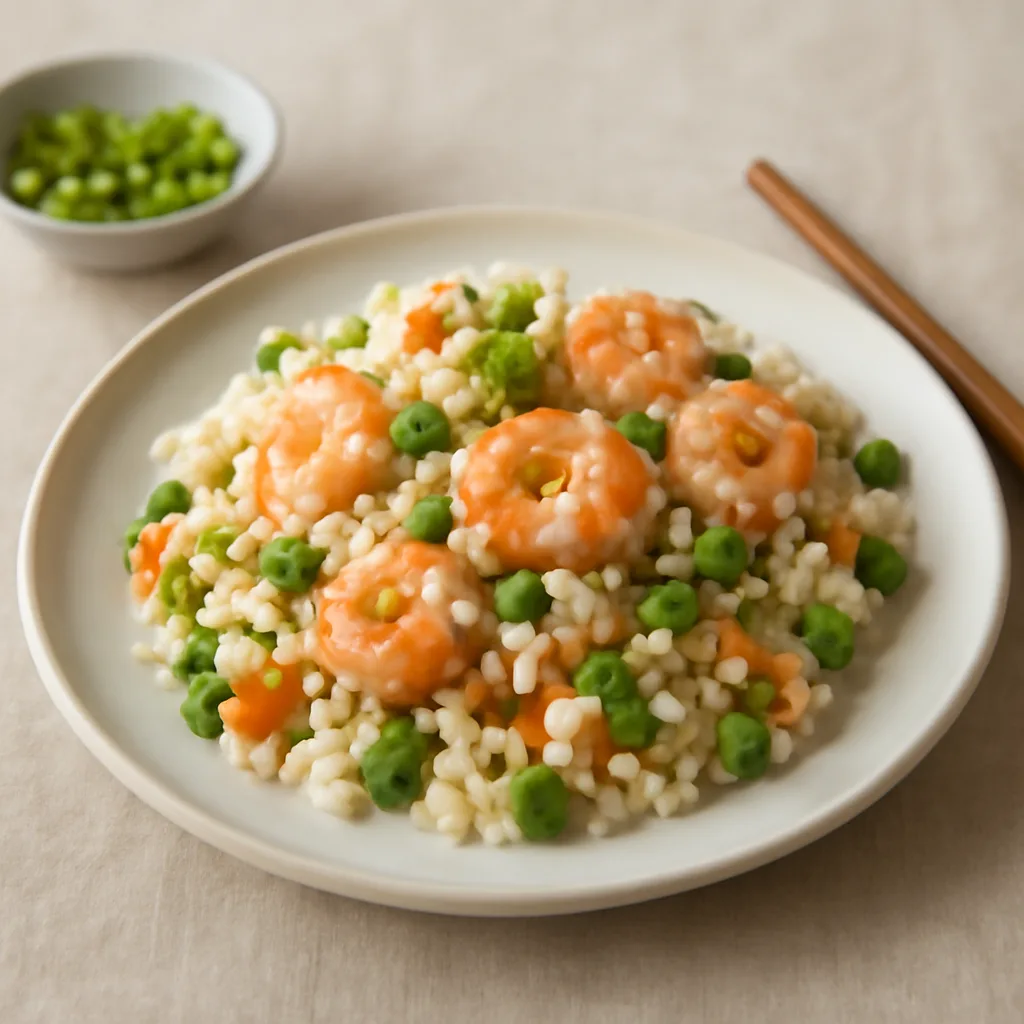
Stir-fried rice is a useful theme when looking for a dish that comes together in one plate by quickly frying rice and ingredients in a pan. You can combine leftovers like cooked rice, vegetables, eggs, meat, or seafood, but the moisture and strength of seasoning in the ingredients can greatly affect the result. If you want grains that are relatively separate and have a fluffy texture, choose rice that cools and separates well, such as cold rice; if you want a moister style, you can use a bit more sauce or eggs. However, if you add too many high-moisture ingredients and sauces at once, it tends to boil rather than fry, so it’s good to first judge whether the ingredients are better suited to a light, less seasoned fried rice rather than a strong, rich one. Stir-fried rice is a good option for organizing ingredients, but it doesn’t suit putting all leftover foods into one pan. If there are several strongly seasoned side dishes, reduce the seasoning or serve them separately, and if you can’t sufficiently dry ingredients from watery broth-based dishes, using them in another dish might be better.
Well-suited for these people
- Suitable when you want to compose a meal with rice and a few ingredients in a short time.
- A good choice when you have small amounts of vegetables, eggs, or cooked protein left in the fridge and want to put them on one plate.
- If each ingredient has a different level of saltiness, start with a mild seasoning for the fried rice itself and add salt, soy sauce, or sauce after tasting to adjust.
- If you prefer soft and moist rice grains, that is possible, but combinations using a lot of watery ingredients may not be suitable for fluffy fried rice.
Food Selection Guide
- When you squeeze the rice, if it clumps into a ball easily, it may take longer to loosen in the pan, so spread it out to cool or first loosen the clumps by hand before using.
- Ingredients like zucchini, mushrooms, and onions that release water while frying should be fried separately to dry moisture before combining with the rice, especially in larger amounts.
- If you see salty ingredients like ham, kimchi, or pickles, omit or use very little seasoning and check the taste right before finishing to adjust.
- If you want soft pieces of egg, pre-cook and set aside, then mix at the end; if you want a texture that coats the grains, you can consider frying the eggs quickly together with the rice.
Frequently paired ingredients
- Rice is the central ingredient, and cooled, separated rice is convenient to mix with other ingredients in the pan.
- Aromatic ingredients like green onions, onions, and garlic are good to fry first to build the flavor base, but garlic pieces can turn dark brown quickly and become bitter, so lower the heat or add the next ingredients.
- Eggs, tofu, cooked chicken, ham, shrimp are examples of protein ingredients, and if using raw ingredients, make sure they are cooked before mixing with the rice.
- Carrots, peas, corn, kimchi, mushrooms add color and texture, but ingredients with a lot of moisture like kimchi or mushrooms require moisture management.
- Soy sauce, salt, pepper, sesame oil, gochujang are optional finishing elements; if you center on one strong seasoning, reduce other salty ingredients to keep balance.
Compatible cooking methods
- Preheat a wide pan well and fry ingredients separately to minimize moisture pooling in one place.
- If you fry aromatics and sturdy vegetables first, then add cooked protein and rice later, each ingredient will cook in the necessary time.
- When the ingredients are crowded and steam rises, you may approach steaming rather than frying; divide into batches or use a larger pan.
- You can add a small amount of seasoning along the edge of the pan to release fragrance, then mix into the rice, but sweet or thick sauces can burn easily, so control the heat.
Tips for beginners
- After adding the rice, pressing hard with a spatula continuously can crush the grains and make them gummy, so only break up large chunks and fold them in.
- If the bottom sticks and brown marks form quickly, the pan may be too dry or the heat is high; add a small amount of oil or lower the heat by one level.
- If the result is bland, start by adding a little salt or soy sauce gradually rather than pouring a lot of sauce from the beginning to guide the flavor.
- If the fried rice becomes soggy, spread it out in the pan to dry moisture and prepare drier ingredients first next time.
Menu Composition Tips
- If the fried rice is oily and strongly seasoned, pair it with contrasting sides like a clear broth, fresh vegetables, or light pickles.
- For fried rice seasoned with kimchi or spicy flavors, consider adding eggs or mild vegetables to balance the palate.
- If you plan to serve several side dishes in one meal, reduce the number of fried rice ingredients and keep the saltiness mild to avoid an overly heavy overall meal.
- When serving for many people, make a relatively simple fried rice base and keep spicy sauces, sesame furikake, or pepper as separate finishing items for individual adjustment.
Foods included in this theme
Here are the foods included in this theme, sorted by views from CookPagoda's public food.