Theme guide
Check the selection criteria and cooking ideas for foods that match this theme.
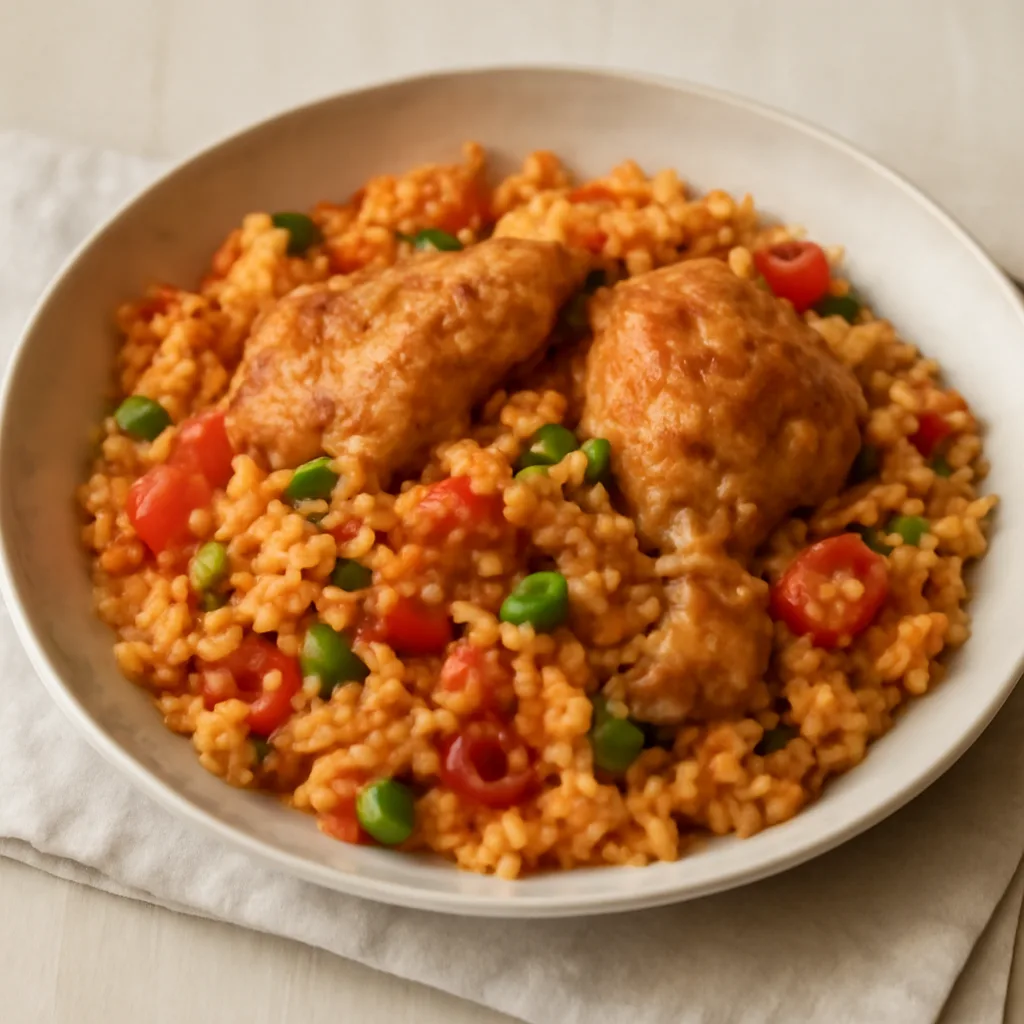
Spanish-style cooking is a dining style that broadly combines olive oil-based flavors with garlic, onion, tomato, paprika, herbs, and seafood, meat, legumes, and vegetables. Rather than layering strong seasonings on a single plate, it pairs ingredients by sautéing to release aromas, cooking to bring out flavors, or assembling several small dishes alongside. When choosing a menu, it is convenient to start with the desired dining form. If you want to share lightly, consider dishes that are easy to pick up by hand such as olives, potatoes, and roasted vegetables; for a complete meal, consider warm dishes with rice or beans plus seafood or meat. Not all Spanish-style dishes use seafood or rice, so it's good to choose based on the number of people, cooking time, and available ingredients. The core of the flavor usually lies in the balance between aromas released in oil and the moisture from the ingredients. If you add garlic and onion to the pan and they scent but color darkens quickly, the heat is likely high, so lower the heat and wait until the aromatics soften before adding the next ingredients to reduce harshness in flavor.
Well-suited for these people
- For gatherings where many people share food, a composition with small side dishes and a warm main dish works well.
- Suitable for those who want to build flavor with familiar ingredients like olive oil, garlic, and tomato, and for menus with many ingredients, it’s good to allow time for pre-prep.
- If you need a quick weekday meal, it may be practical to choose a pan dish using potatoes, vegetables, and eggs rather than a long-cooking rice dish.
- If you don’t eat shellfish or certain meats, choose menus centered on beans, mushrooms, and roasted vegetables to maintain the same meal flow.
Food Selection Guide
- If you want a deeper flavor using browned vegetables and tomatoes on the pan, choose a dish that is sautéed first and then simmered slowly; if you’re pressed for time, opt for a dish with fewer ingredients or a simple pan fry.
- When choosing a rice dish, if you want to preserve the texture of the grains, consider cooking them in a wide pan over relatively shallow heat, but stirring often in a deeper pot can yield a softer texture and a different mouthfeel.
- If using seafood, choose a menu that is cooked briefly if the seafood has a strong off-flavor or looks dry on the surface; if the seafood isn’t reliable, switch to vegetables or beans as the main ingredient.
- For serving, prepare one dish that tastes best when cooked last, and set the rest up in advance as pickled, roasted, or cold sides to reduce finishing workload.
Frequently paired ingredients
- Olive oil is often used to transfer the aroma of aromatics like garlic, onion, and paprika; if you see steam before the oil releases fragrance, it’s best to lower the temperature.
- Tomatoes and tomato-based ingredients can be simmered with sautéed onions to form a savory base; if the finished flavor is too sharp, reduce by simmering longer to tighten moisture and flavor first.
- Potatoes, rice, chickpeas, or white beans can be central to the meal, so avoid making the side dishes too heavy to keep the menu balanced.
- Bell peppers, mushrooms, zucchini and proteins like seafood, chicken, or pork can be combined selectively, adding ingredients that take longer to cook first and then adding the faster-cooking ones later.
- Lemons, parsley, and herbs can brighten the finish, but their aromas fade with long heating, so add them at the finishing stage if you expect aroma.
Compatible cooking methods
- Sautéing aromatics over low heat to form a base helps mellow the sharpness of garlic and onion; if the color browns too quickly, lower the heat or adjust oil and ingredient quantities.
- Cooking and browning in a wide pan is good for potatoes, vegetables, and meat to add seared flavors, but don’t crowd the pan; cook in batches to avoid steaming.
- Gently simmering with tomatoes or stock works well for beans and sturdy vegetables; if the sauce is too thin, uncover to reduce moisture at the end.
- Oven or grill cooking provides a concise option for vegetables and proteins; when combining ingredients of different sizes in one pan, add the ones that finish cooking earlier last.
Tips for beginners
- Begin by limiting main ingredients to one or two, and pick only the necessary bases (garlic, onion, olive oil, tomato) to guide flavor.
- If garlic tastes bitter or browns, the pan was likely too hot, so add garlic later with a lower heat and brief cook.
- Season with a small amount of salt early, and adjust after the tomatoes or stock reduce; as moisture decreases, the initial salt concentrates.
- If the bottom of a pan with rice or potatoes burns, lower the heat and add a small amount of hot water or stock around the edges to continue cooking.
Menu Composition Tips
- Plan meals with one warm main, one cold-accenting tangy or crunchy side, and one bread, potato, or rice to keep prep manageable.
- If the main is strongly tomato and garlic-flavored, choose simple sides like lemony vegetables or plain olives to avoid overlapping aromas.
- When serving both oven and pan-cooked dishes, start with items that take longer in the oven and finish seafood or leafy greens close to mealtime.
- Having all three carbohydrates (rice, potatoes, bread) in generous portions can feel heavy, so designate one as the staple and offer smaller portions of the others to maintain balance.
Foods included in this theme
Here are the foods included in this theme, sorted by views from CookPagoda's public food.