Theme guide
Check the selection criteria and cooking ideas for foods that match this theme.
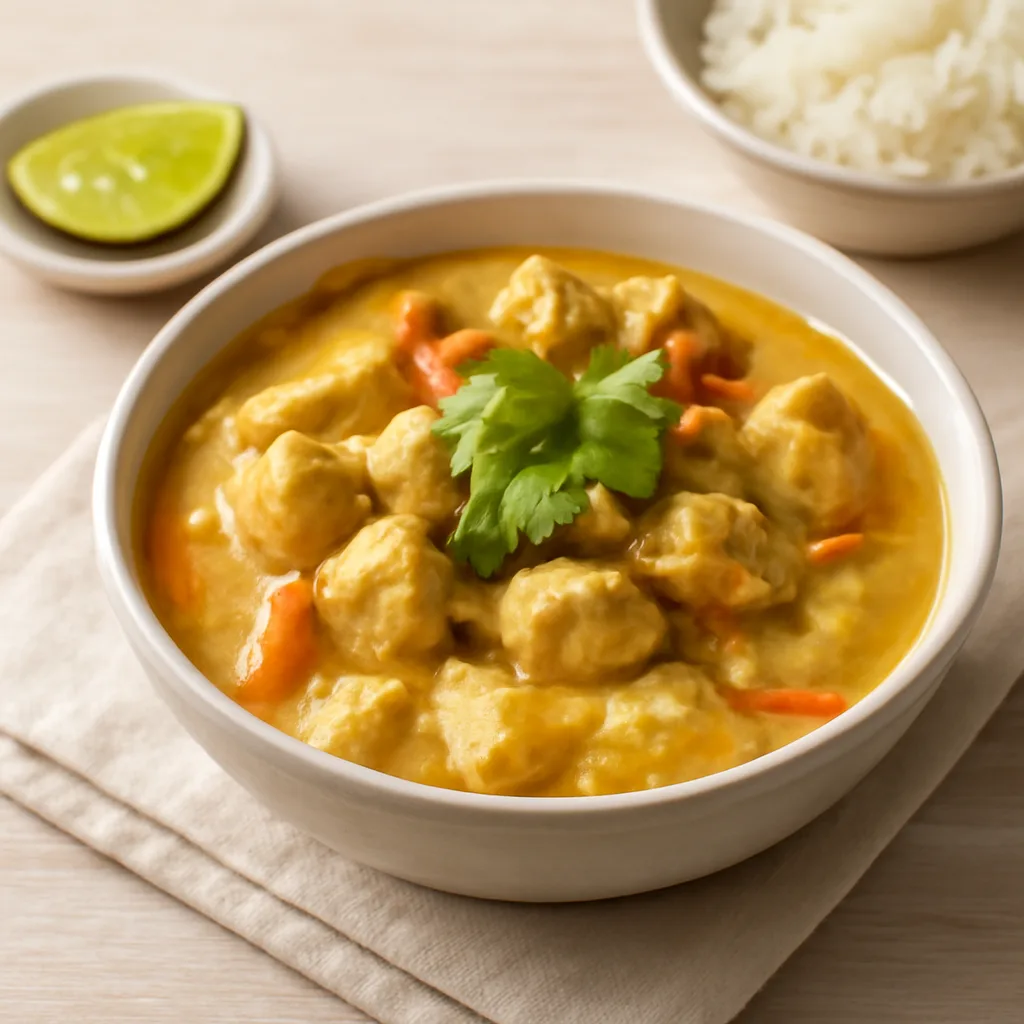
Coconut milk dishes are a option that adds the smooth texture and subtle flavor of coconut to soups, sauces, and stews. With a wide range from one-bowl dishes where spices take center stage, like curry, to light-broth dishes that lightly cook seafood and vegetables, or desserts that emphasize sweetness, it’s easy to choose once you decide the desired concentration and compatible side dishes rather than the “coconut flavor” itself. If you want a rich and hearty sauce, dishes with a higher proportion of coconut milk such as stews and curries are suitable, and they pair well with rice or noodles. Conversely, if you expect a fresh, clear taste, coconut-milk-rich dishes can feel heavy, so it’s better to choose soups or stir-fry sauces that are thinned with broth or water. Coconut milk can separate and look oily or have a coarse texture if boiled for a long time. Add ingredients toward the end, heat only briefly on low heat to make a relatively smooth sauce, and adjust the flavor balance by adding a little salt, heat, and sourness.
Well-suited for these people
- People who enjoy sauces that gently wrap spicy flavors, herbs, and heat.
- Good for meals that include sides to soak up sauce, such as rice, noodles, or bread.
- Useful when cooking vegetables and proteins in one pan or pot together.
- If you want a light clear broth or mild roast, a menu with less coconut milk than a rich coconut-milk dish may be more suitable.
Food Selection Guide
- If you want generous sauce on the finished plate to dip rice or noodles, choose coconut-milk-based dishes like curries or stews.
- If the texture of the ingredients is important, use menus with shrimp, fish, or firm vegetables that cook quickly. If the ingredients seem to fall apart during long cooking, add them in at the final stage.
- If you worry about spiciness, choose a sauce-based option where you can split the spicy ingredients rather than recipes with a lot of chili or hot spices.
- If the coconut aroma feels too sweet or heavy, balance it with acidic elements like lime or lemon, or include tomatoes or leafy greens.
Frequently paired ingredients
- Onion, garlic, and ginger with coconut milk are commonly used as a base to add aroma to a smooth sauce.
- Spices such as chili, curry powder, and cumin help contrast the round flavor of coconut milk, so start with small amounts and add more as needed.
- Proteins such as chicken, shrimp, fish, tofu, and chickpeas can be used with coconut sauce. Since they cook at different times, add the ingredients that take the longest to cook first.
- Starchy vegetables like potatoes and pumpkin can thicken the sauce, while leafy greens like spinach or bok choy can be added at the end to preserve color and texture.
- Lemon juice, lime juice, or vinegar can help brighten the sauce if it feels heavy, but adding too much from the start can overpower the coconut aroma.
Compatible cooking methods
- Tom for fragrance: sauté spices and onions first, then add coconut milk for a braise or curry to build a layered sauce.
- A gentle simmer for soups or stews allows the sauce flavors to permeate vegetables and proteins; if it starts to separate on high heat, lower the heat and add a little stock or water.
- After sautéing ingredients in a pan, finish with a small amount of coconut milk to add a moist sauce to stir-fries. If the sauce is too thin, remove the ingredients and reduce the sauce briefly, then rejoin.
- Cassing, steaming, or oven cooking can be used, but in methods where the surface dries quickly, coconut milk may scorch. If the top browns quickly, cover with a lid or foil or lower the temperature.
Tips for beginners
- Before using a can or carton of coconut milk, mix the contents well. If a dense layer appears at the top, it may be separated, so stir toCheck consistency before adding all at once.
- Start with only part of the coconut milk listed in the recipe and adjust after assessing thickness to avoid overly thick sauce.
- If the sauce looks oily and starts to separate, it may be due to vigorous boiling. Instead of boiling hard, gently stir and heat.
- Taste for seasoning after adding coconut milk. The smooth flavor can make salt or soy sauce feel mild early on.
Menu Composition Tips
- Pair rich coconut-milk curries or stews with a bland rice, rice noodles, or flatbread to complete a meal.
- If the main dish is spicy and heavy, balance with side ingredients that are crunchy or refreshing like cucumbers, leafy greens, or herbs.
- Having more than one coconut-milk dish on a plate can feel one-note and heavy, so arrange another dish with a clear broth, roasted vegetables, or a tangy salad to provide contrast in texture and flavor.
- When preparing for guests or multiple meals, manage sauce and quickly-cooking seafood and greens separately. Adding these ingredients right before serving helps prevent overcooking.
Foods included in this theme
Here are the foods included in this theme, sorted by views from CookPagoda's public food.