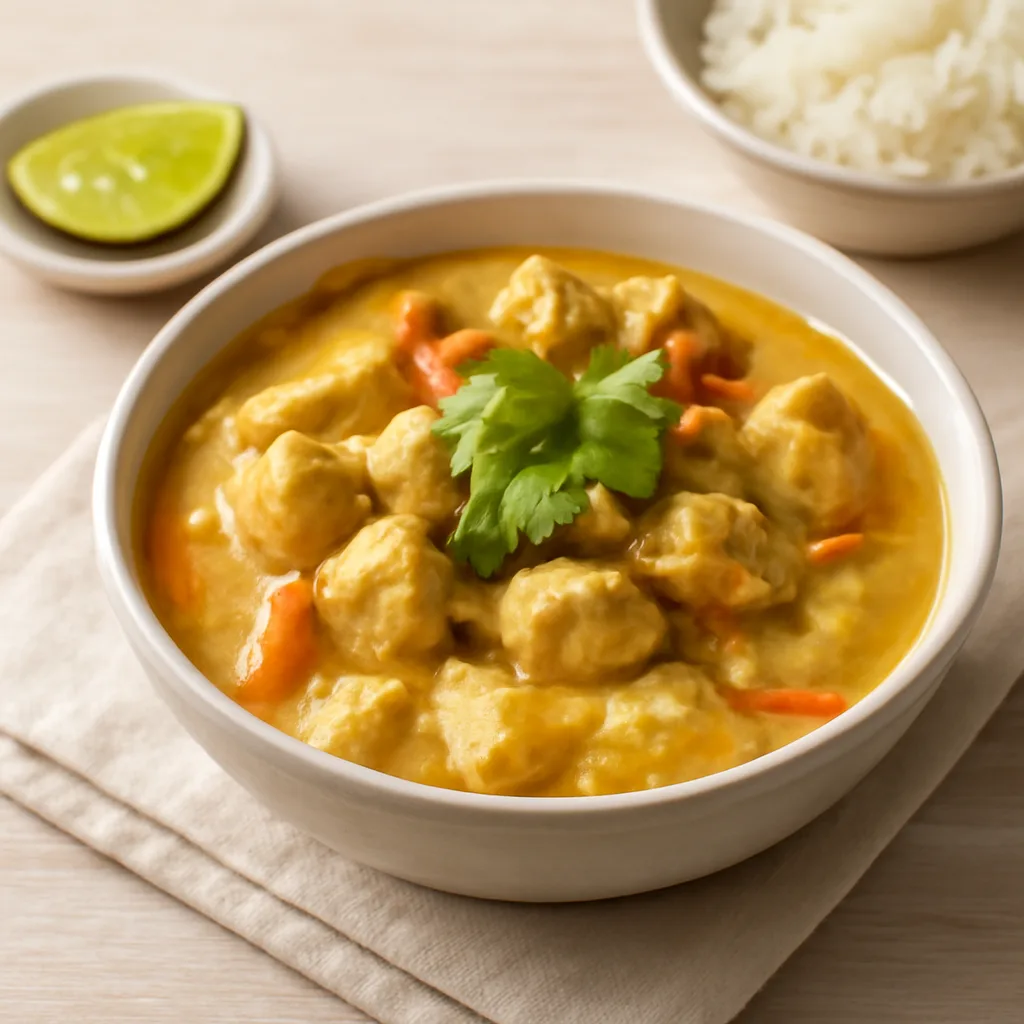
Theme guide
Check the selection criteria and cooking ideas for foods that match this theme.
This topic covers chicken dishes that range from light meals to rich seasoned preparations, depending on the cut and cooking method. Breasts tend to work well for dishes with a clean texture like stir-fries, salads, and steaming, while bone-in parts such as thighs and wings are often suitable for grilling, braising, and soups. When choosing a menu, deciding the desired texture and cooking time first makes it easier. If you want a quick meal, use thinly sliced meat or ground chicken for a stir-fry, and if you want a moist and soft flavor, consider marinating in a sauce or cooking with broth. However, crispy fried items or deeply seasoned braises may require more preparation and cleanup, so simple grilling or stir-frying may be better for weekday meals.
Well-suited for these people
- It is suitable for people who want to compose different meals using variations in texture from different parts.
- For family meals with diverse preferences, it is nice to present sauces or accompaniments separately so each person can adjust to their preferred taste.
- If you need to prepare a protein-centered main dish within a short time, you can choose chicken stir-fry or bite-sized grilled pieces.
- If you prefer broth-based dishes or long-simmered braises, choosing bone-in parts can add depth to the broth, but if ease of eating is priority, boneless cuts are more suitable.
Food Selection Guide
- If you worry the finished dish will be too dry, start with thinner breast meat and consider chicken thigh meat, steaming, or braises with sauce before attempting tougher options.
- If you want a surface that is browned and fragrant, choose skin-on parts or boneless pieces laid out wide, but if too much fat is a concern you can partially remove the skin or switch to oven or air fryer grilling.
- For broth, matching the cooking time and size of the chicken is important, so use large bone pieces for dishes with longer cooking times and smaller boneless pieces for quick broths.
- If you plan to use strongly spicy or sweet sauces, start with a small amount and taste after cooking, then add more. During simmering, moisture reduces and the sauce flavor can become more intense.
Frequently paired ingredients
- Onions, garlic, scallions, ginger, and other aromatics are commonly used with chicken, and if you’re sensitive to a fishy odor you can add a small amount of ginger or pepper to adjust.
- Seasonings like soy sauce, gochujang, and chili powder are good for stir-fries and braises, while salt, pepper, and herbs are suitable for bringing out the chicken’s natural flavor in dishes like grilling.
- Potatoes, carrots, cabbage, mushrooms, and bell peppers are good accompaniments to cook with chicken. If tougher vegetables aren’t fully cooked, cook them before the chicken or cut them smaller.
- Milk, yogurt, cornstarch, and egg wash can be used for marinades or batters depending on the dish, but they aren’t required for all chicken dishes, so choose according to the recipe’s purpose.
Compatible cooking methods
- Pan stir-frying is good for quickly cooking bite-sized chicken and vegetables, but if you crowd the pan with ingredients moisture can accumulate and the dish may seem boiled, so cook in batches.
- Roasting enhances surface color and aroma. If the surface browns too quickly while the inside isn’t cooked, reduce the heat, cover briefly, or cook in smaller pieces.
- Braising involves cooking the chicken with the sauce to make a meal that goes well with rice, and if the liquid reduces too much you can add water or broth to prevent the seasoning from becoming too strong.
- Boiling or steaming is convenient for preparing chicken with a mild flavor. If the meat becomes coarse after boiling, you may have simmered for too long; turn off the heat at the point when it’s done and let it rest a moment.
Tips for beginners
- Wash cutting boards and knives used for raw chicken before using them for other ingredients, and wash your hands immediately to reduce cross-contamination.
- Check that the thickest part of the chicken is cooked through; if you see red or translucent portions, reheat, and if the exterior is overcooked, cut the pieces smaller and finish quickly.
- If the chicken releases a lot of moisture after marinating, gently press with a paper towel to remove moisture; surface moisture can prevent browning during grilling and stir-frying.
- If you’re making the first recipe, using boneless bite-sized pieces is easier to control doneness. If you want the flavor of bone-in parts, start with braising or broth-based dishes that allow longer cooking times.
Menu Composition Tips
- For spicy chicken stir-fries or braises, adding light sides like plain rice, blanched vegetables, or a clear broth helps balance the meal.
- If chicken is the main focus of the dish, pair it with grilled vegetables or a light salad to create textural contrast. Be cautious that heavy sides like creamy accompaniments can make the meal feel weighty.
- When preparing multiple dishes at once, don’t unify the main dish with a single strong sauce; offering separate sauces or dressings expands the use of leftovers.
- If planning a broth-based chicken dish, choose one starch (noodles or rice) as the main carbohydrate and minimize starchy sides to avoid the meal becoming too heavy.
Foods included in this theme
Here are the foods included in this theme, sorted by views from CookPagoda's public food.