Theme guide
Check the selection criteria and cooking ideas for foods that match this theme.
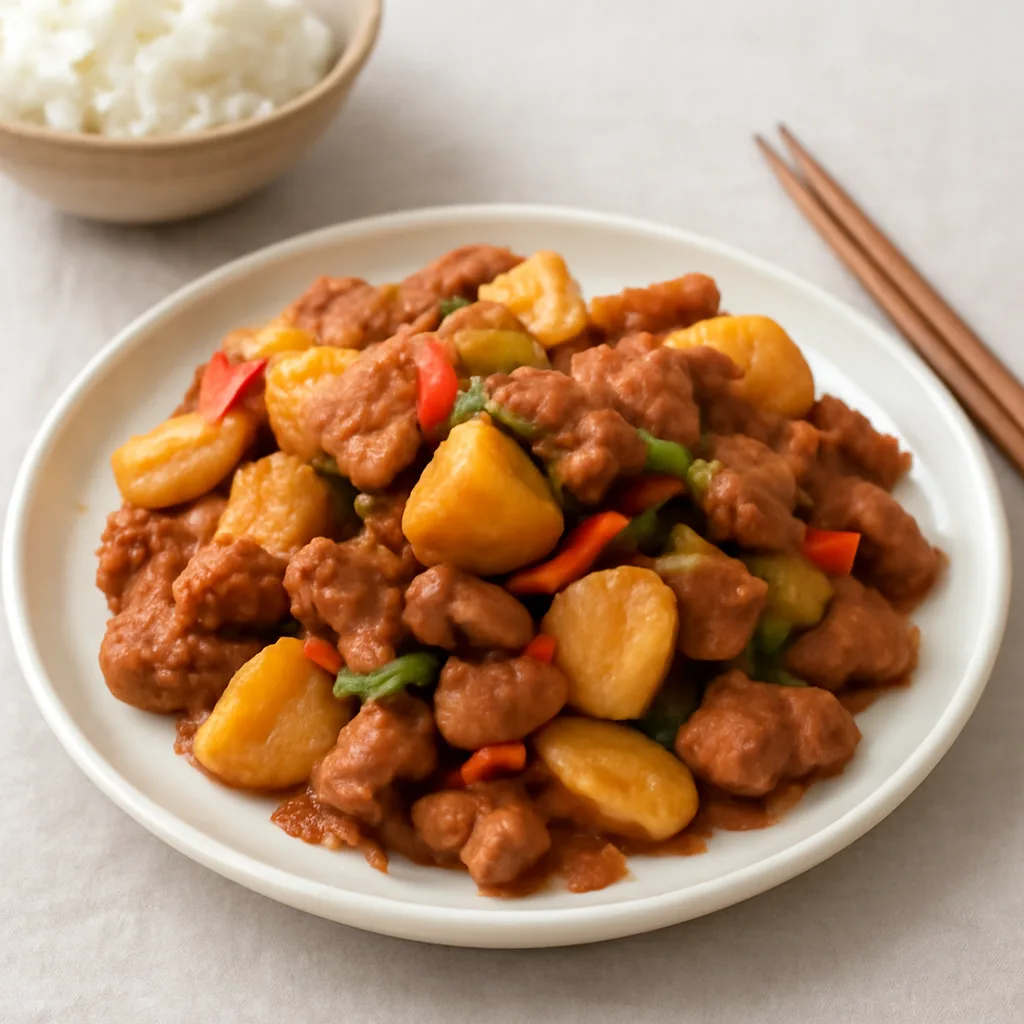
The tart-sweet flavor is a direction where the acidity freshens the palate and the sweetness softens that sharpness. Rather than relying on a single ingredient to finish, it often achieves balance by adjusting acidic elements such as vinegar, citrus, and fruit with sweeteners like sugar, corn syrup, and sweet vegetables. The range is broad, from appetizing accompaniments to sauces on stir-frry and fried dishes, to light menus using fruit. If the acidity comes on strongly first, it can feel less flat if you check harmony with saltiness or oily ingredients rather than simply increasing sweetness. Good selection criteria are aroma and concentration. If you want to highlight citrus aroma, a briefly heated dish is suitable, and if you need glossy sauce, a stir-fry or braising method with a small amount of starch is convenient. However, for delicate fish or mild vegetables, an overly strong sauce can overwhelm the natural flavor, so a thin dressing or light toss may be more appropriate.
Well-suited for these people
- It is well suited when you want a refreshing side dish or sauce that contrasts with fatty main dishes.
- In menus for both kids and adults, it is good to choose for balancing familiar sweetness and acidity instead of spiciness.
- It is practical for beginner cooks who want to adjust acidity and sweetness to taste, applying one seasoning to multiple ingredients.
- If you don’t prefer strong sourness or want to reduce sugars, menus that preserve the natural sweetness of fruits and vegetables may be more suitable than intensely sweet-sour sauces.
Food Selection Guide
- When pairing with crispy fried foods or roasted meat, choose a sauce with a slight viscosity rather than a thin runny one so it sticks to the surface; if it’s too thick, the fried texture will fade quickly, so apply it just before eating.
- When tossing crunchy vegetables, start with a small amount of clearly scented vinegar or citrus juice; since moisture from vegetables can dilute flavor, judge the seasoning after tossing.
- If you want a menu with fruit aroma at the center, choose combinations that do not simmer the flesh for long; long heating can weaken the aroma, so it’s better to add at the final stage.
- If the sauce looks cloudy or remains too sweet, add a salty element such as salt or soy sauce a little at a time rather than all at once to check the flavor profile.
Frequently paired ingredients
- Vinegar, citrus juice such as lemon or lime, maesil juice, or fruit can be used to add a fresh acidity, and since each ingredient has a different aroma strength, avoid using the same amount across ingredients.
- Sugar, high-fructose corn syrup, honey, or the sweetness of onions, bell peppers, or fruits are used to round the acidity; too much sweetness can mute saltiness and acidity, so add gradually.
- Ingredients that add umami and salinity like soy sauce, salt, fish sauce can make the boundary between sweetness and sourness more defined.
- Starch mixtures give gloss and viscosity to stir-fry or fried sauces, but can feel heavy in vegetable tosses, so omit according to use.
Compatible cooking methods
- Briefly stir-fry ingredients on high heat and then add sauce to quickly simmer to capture aroma and crisp texture.
- Prepare fried or grilled items with the sauce separately to reduce moisture from affecting surface texture during cooking.
- For raw vegetable tosses, marinate or drain moisture before seasoning to prevent quick thinning of flavor due to water release.
- Slowly simmer the sauce on low heat to match thickness, which helps coat ingredients evenly, but for aromas that fade easily like citrus juice, finish by adding at the end.
Tips for beginners
- Start with small amounts of both sweetness and acidity, taste, and only add more on the lacking side; increasing both at once makes it hard to judge what went wrong.
- If the sauce is too sour, don’t just increase sweetness; add more water or stock and adjust saltiness subtly; when thinner, you can reduce by simmering briefly again as needed.
- If the sauce is sticky and too sweet, add a little more acidic ingredient and stop heating if starch was used; continuous simmering will make it denser.
- If vegetables soften quickly or release a lot of water, don’t mix with seasoning in advance; mix just before serving.
Menu Composition Tips
- When serving a sour-sweet main, pair it with a clear broth, bland rice, or lightly seasoned roasted vegetables to create a palate rest and avoid overly sweet overall flavor.
- If choosing fried or fried-rich methods, pair with acidic vegetable side dishes, but avoid making both main and side sauces too rich for balance.
- If planning a single table with fruit sauce, sweet drinks, and a dessert, consider lowering the sweetness of the main sauce; too much sweetness can dull the advantage of acidity.
- In a group setting, keep the base sauce relatively mild and allow guests to finish with vinegar, citrus juice, or chili to adjust individually, expanding options.
Foods included in this theme
Here are the foods included in this theme, sorted by views from CookPagoda's public food.