Theme guide
Check the selection criteria and cooking ideas for foods that match this theme.
Steaming is a cooking method that preserves the natural flavors and tender texture of ingredients by cooking with steam or a small amount of moisture, rather than boiling them in water or broth for a long time. The range runs from steaming in a steamer to gently simmering in a pot with some sauce and liquid, so even within the same method, the final taste and concentration can vary greatly. It pairs well with ingredients that you want to cook without heavy turning, such as lean meat, fish, seafood, eggs, tofu, and root vegetables. However, if exposed to high heat for too long, moisture can evaporate excessively and the texture can become dry, so it’s important to adjust time and heat according to the thickness and cooking speed of the ingredients. When choosing a menu, it helps to decide first whether you need a moist, mild main dish or a side dish with flavors built in. The former can be a clear steamed dish or a steam focused on fragrant herbs, while the latter can be a flavored steam using soy sauce, gochujang, chili powder, and other seasonings.
Well-suited for these people
- When you want a meal that preserves the soft texture and moisture of ingredients over richer cooking.
- Useful when you want to make a main dish in one pot or steamer, and convenient on days when you have little time to manage doneness of meat, fish, or vegetables.
- Consider this when you need a tender texture but not all ingredients will become soft with long steaming, so pre-trimming tough parts or allowing enough cooking time may be necessary.
- If a dish’s core is a deep sear or crispy texture, steaming alone may not meet expectations, so it’s better to pair with grilled or pan-fried components.
Food Selection Guide
- If ingredient pieces vary in thickness, cut them to similar sizes or start with the tougher ingredients to avoid thinner parts drying out first.
- If you want a side dish to dip into a sauce, choose a steaming method with remaining sauce and moisture (a saucy steam). If you want to taste the ingredient’s own flavor, choose a steam method with minimal moisture.
- Bones in meat or sturdy root vegetables require longer cooking time than quick steam; when time is limited, prioritize thinly sliced meat, fish fillets, tofu, or eggs that cook quickly.
- If the spiciness is intimidating, choose a menu that centers on flavors from soy sauce, garlic, scallion, and mushrooms rather than gochugaru or gochujang.
Frequently paired ingredients
- Steaming often uses proteins that retain moisture and cook tenderly, such as pork or beef, fish and shellfish, tofu, and eggs.
- Vegetables like cabbage, potato, carrot, onion, and mushrooms absorb the flavors of broth and seasonings, making them good accompaniments to saucy steam. However, hard ingredients like potato and carrot should be cut small or pre-cooked to align cooking times with other ingredients.
- Soy sauce, garlic, ginger, and scallions add umami and aroma, while gochugaru, gochujang, and chili pepper can be used for spicy steamed dishes.
- In steaming, using cabbage leaves, parchment paper, or plates as supports helps prevent ingredients from sticking to the bottom or getting splashed by condensation.
Compatible cooking methods
- Steaming ingredients on a steamer to cook with steam is suitable for foods you want to keep shape intact, such as fish, dumplings, and egg custard.
- Cooking in a pot with ingredients, seasonings, and a small amount of water or broth covered with a lid works well for steam-seasoned meat and vegetables to absorb flavors.
- Start by bringing it to a boil to raise internal temperature, then reduce heat when contents shake too much or the liquid reduces too much. Boiling vigorously can break delicate fish flesh or tofu.
- Avoid frequent lid opening, as it lets heat and steam escape; keep lid on or check minimally until the expected cooking time passes.
Tips for beginners
- If the water runs low in the steamer, the pot can overheat, so check water beforehand and be prepared to add hot water for longer cooking.
- If the pot steam becomes too thin, open the lid briefly to simmer off excess moisture, but remove already tender ingredients first to prevent overcooking.
- If the sauce reduces too quickly and sticks to the bottom, lower the heat and add water or broth gradually. Adding too much at once can dull the flavor.
- Check whether the center of meat or fish is opaque and prone to splitting to judge doneness. For thick ingredients, cut one piece to try, and repeated steaming can cause moisture loss.
Menu Composition Tips
- Pair a sauce-rich, broth-based steamed dish with plain rice and fresh vegetables or a light salad to create contrast in flavors.
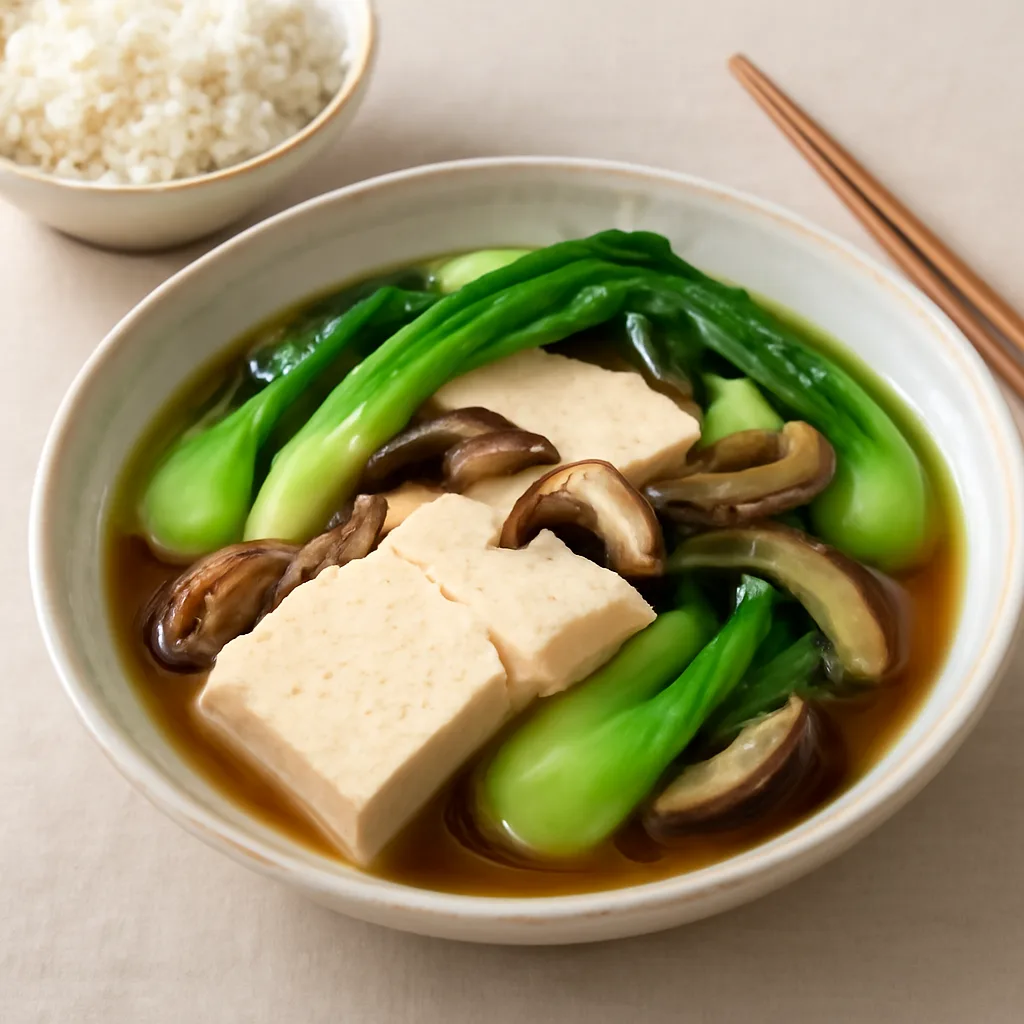
- For mild main dishes like clear fish steam or tofu steam, keep the center flavor by adding a few aromatic side dishes rather than strong sauces; seasonal vegetables and simple paired condiments work well.
- When using multiple ingredients in one meal, account for differing cooking speeds; start with firmer ingredients like daikon or carrot, then add tofu, mushrooms, and leafy greens later to minimize texture differences.
- If you plan to have leftover broth, consider whether it can be used with side dishes instead of adding many accompaniments. If your goal is to avoid liquid leftovers, reduce the amount of liquid added at the start.
Foods included in this theme
Here are the foods included in this theme, sorted by views from CookPagoda's public food.