THEME GUIDE
Theme guide
Check the selection criteria and cooking ideas for foods that match this theme.
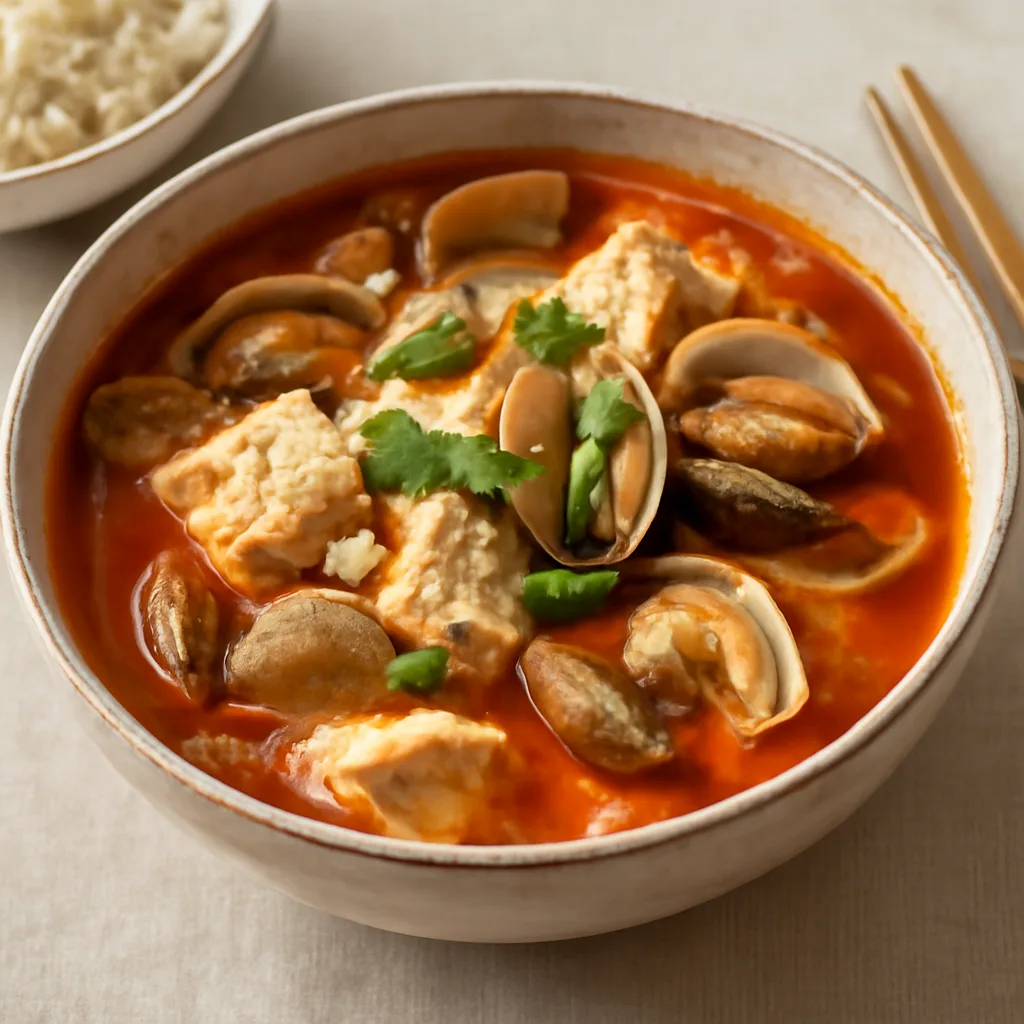
‘Warm meal’ is a way to compose a meal with food that is freshly cooked or reheated to feel warmth. It doesn’t only mean soups; it can center on rice with stew, fried rice, warm noodles, or dishes baked in the oven or pan, where temperature and fullness just before eating matter.
Well-suited for these people
- It’s well suited for people who need to prepare a hot meal at home within a short time, adding a hot side to a center of rice or noodles.
- On cold days or when warm food is desired, prioritize menus with moisture or heat like soups, steamed dishes, or donburi that retain warmth.
- If several people eat at different times, it’s more practical to have easy-to-reheat stews, curries, or braises rather than fried items that need to be served all at once.
- If using heat is difficult or there’s a long gap before dining, choose dishes whose form hardly changes when reheated rather than those whose texture changes a lot right after cooking.
Food Selection Guide
- If making it longer than 15 minutes until serving, consider a donburi or stew with liquid instead of a wide-surfaced fried dish. Moist dishes tend to retain heat more slowly outward, but the seasoning can taste stronger as it cools, so start gentle at first.
- If there are vegetables and protein that refrigerate and cook easily together, choose the method that has the shortest prep time among frying, steaming, or boiling. When ingredients vary in size, either cut hard ingredients small or cook them first.
- If rice is already prepared, you can combine it with fried or soup/stew to make one meal. Conversely, if there’s no time to cook new rice, choose carbohydrates like noodles, rice cakes, or potatoes that cook relatively quickly to keep the process simple.
- If crisp texture is key to the meal, do not pre-cook just because it’s a warm meal. Steam can make surfaces soggy, so prepare other dishes first and cook only the crispy items last and serve immediately.
Frequently paired ingredients
- Carbohydrate ingredients like rice, noodles, rice cakes, or potatoes form the meal’s center, and are easy to enjoy with soups or sauces to prevent drying.
- Onion, scallion, garlic and other aromatics help build base flavors when sautéing or simmering. If the aroma intensifies quickly or a burnt smell appears, lower the heat and add liquids or the main ingredients to continue cooking.
- Tofu, eggs, meat, fish, and legumes are protein options depending on the dish. If too much moisture-rich ingredients are added, the soup or stir-fry can become thin, so reduce water or glaze at the end for a richer flavor.
- Mushrooms, leafy vegetables, and root vegetables have different cooking and moisture levels. If you dislike leafy greens wilting too quickly, add them almost at the end; thinly slice harder root vegetables and cook first.
Compatible cooking methods
- Boiling and simmering to extract flavor and keep the dish warm are good methods to bring ingredients together in one pot. If the broth becomes cloudy or ingredients overly soft, reduce to medium-low heat and add later for quick-cooking ingredients.
- Pan-frying mixes rice, noodles, vegetables, and protein quickly. If the pan is crowded and water accumulates, it becomes more like boiling, so split quantities or cook high-moisture ingredients separately and then combine.
- Steaming and braising suit dishes with relatively soft textures and warmth. If the sauce reduces too quickly and the bottom shows, add a little water or stock and use a lid to give time for ingredients to cook.
- Oven or air fryer appears less hands-on, but after cooking, leaving the dish in the appliance for a long time can dry the surface or alter texture. Adjust the order to finish other dishes first and remove the crispy items to serve right away.
Tips for beginners
- Start with one main ingredient, one or two vegetables, and one seasoning to judge balance easily. If there are too many ingredients and the pan or pot seems crowded, set some aside and cook in batches.
- For soups or stews, start with slightly less water than needed so it’s easier to adjust. If it becomes too thick, add hot water; to restore thickness after dilution, reduce it again.
- Season gradually during cooking and just before serving. If it tastes too salty after reduced moisture, add a bit of water or non-salty ingredients; avoid adding more salty ingredients.
- If you plan to soak noodles or rice in the broth for a long time, starch may thicken the whole dish. Add to the dish just before serving or serve noodles separately with the broth to maintain texture.
Menu Composition Tips
- When composing a meal, pair one warm central dish with one cool or refreshing side to create flavor contrast. However, avoid piling multiple strongly seasoned soups and sides on top, which can make the overall flavor heavy; keep one side mild.
- Start with the longer-cook items like rice or braises, and finish quickly-cooked items like fried vegetables or eggs last for efficiency. If the completed dish cools, prepare bowls in advance and keep warm with lids.
- When using leftover ingredients, separate already cooked items from raw ones and plan the order accordingly. If cooked items tend to dry out or crumble, reheat only lightly at the end.
- If dining time is uncertain, dividing into components like rice, broth, and fried items may be advantageous. Combine just before eating to control temperature and texture of each element.
RELATED FOODS
Foods included in this theme
Here are the foods included in this theme, sorted by views from CookPagoda's public food.