Theme guide
Check the selection criteria and cooking ideas for foods that match this theme.
‘Simple’ cooking is a selection criterion that makes it easy to prepare a meal on busy days by reducing ingredients, steps, and tools. Short cooking time alone isn’t the point; dishes that are easy to see the process and minimize cleanup—such as a stir-fry that finishes in one pan, a donburi with cooked ingredients, or boiled noodles—fit well. When choosing a menu, it’s good to first look at whether several ingredients require a lot of trimming and whether there are many heat sources and times to manage at once. Set the sauce or seasoning to one or two core flavors, and add one protein and one vegetable to the staple like rice, bread, or noodles to make a complete meal even in a small setup. However, simple doesn’t always mean the best. When many people want different textures or sides, or when the goal is a deeply flavorful menu built through longer simmering, a prep-with-multiple steps can be more convenient than a low-step recipe.
Well-suited for these people
- It’s suitable for people who have limited time for cooking and washing dishes after work, and it’s easy to track progress when you pick a one-pan or one-pot menu.
- Beginners to cooking can reduce their burden by focusing on ingredients that show variety easily, like eggs, tofu, or thin slices of meat rather than managing multiple degrees of doneness at once.
- Even for small meals, planning sides in advance is helpful for occasions like hosting, where a simple single dish may not be enough to assemble a table with multiple plates.
Food Selection Guide
- If the cooking steps overlap between preparation, cooking, and simmering, which could interrupt the flow, choose a menu where you can gather ingredients, water, or prep them on one plate first.
- If you already have ready-to-use ingredients in the fridge, such as pre-cooked rice, noodles, canned ingredients, or washed vegetables, use them as the main ingredient to reduce prep.
- If the seasoning list is long, check whether you can establish the flavor direction with basic staples at home like soy sauce, salt, pepper, gochujang, and if substitutions are hard, it’s faster to choose another menu.
- Close to finishing, recipes with many ingredients are easy to miss the order of adding them, so prioritize stir-fries or donburi where ingredients are added in two or three stages.
- For dishes where a crispy texture is key, adding a large amount at once can release moisture and make them soggy, so if you need to cook in large quantities, a baking or split-cooking approach may be better.
Frequently paired ingredients
- Staple ingredients like rice, noodles, bread, or tortillas that form the base of a single meal make the dish easier to shape with fewer other components.
- Easy protein ingredients such as eggs, tofu, tuna, or legumes can be added within a short cook time, but flavors may vary by product, so add seasonings after tasting.
- Aromatics like onions, scallions, and garlic can form the meal’s flavor with only a small amount; if there’s no prep time, choose pre-cut ingredients or combinations that can be skipped.
- Frozen vegetables or leftover cooked vegetables are great for stir-fries, soups, or donburi, but excess moisture can dilute flavor, so sauté on high heat briefly or pat dry first.
Compatible cooking methods
- Stir-frying is good for small cuts and quick cooking; when water starts to pool in the pan, it signals you’ve added too much at once, so reduce quantity or increase heat. Boiling lets you visually adjust the broth or sauce thickness; if it looks too thin, remove the lid and simmer longer, and if the flavor is already strong, add a small amount of water or a neutral ingredient to adjust.
- Donburi and bibimbap arrange cooked ingredients over rice, making it easy to supplement one central ingredient with others if it’s a bit short.
- Oven or air fryer cooking requires less monitoring, but since devices vary in heat, start by watching and lower temp or time if color develops too quickly.
Tips for beginners
- Before starting, set out the pan, spatula, plate, and seasonings to reduce the chance of overcooking ingredients during cooking.
- Rather than adding all seasonings at once, add only part at first and taste to avoid mistakes that are hard to correct for saltiness or spiciness.
- When sautéing meat or mushrooms, if the pan is cold or ingredients are crowded, moisture will form and the aroma may be weak; heat the pan first and spread ingredients evenly.
- After adding noodles or rice, clumps can prevent sauce from coating evenly, so use a little reserved cooking water for the pasta and break up the rice with a spatula as you mix.
- Rather than starting with multiple menus, begin with one staple and one side, and add a simple salad or fruit only if there’s time.
Menu Composition Tips
- Choose one staple (rice, noodles, or bread) as a base, then pick one protein and one vegetable to place on top or alongside to speed up decisions.
- If you plan to use the same ingredients in succession, vary the form by preparing stir-fry on the first day and soup or donburi on the next to maintain preparation effort while changing texture.
- Before shopping, separate ingredients into ‘ready-to-eat’ and ‘to-cook’ and place the most time-constrained menu on the days with the least time.
- Preparing both soup and stir-fry on the same day can increase heat and dishwashing, so one side should be served cold or prepared without cooking.
- If there are small amounts of leftover sauce or cooked ingredients, don’t force a new menu; instead, see if they can be combined with rice, noodles, or eggs for the next meal.
Foods included in this theme
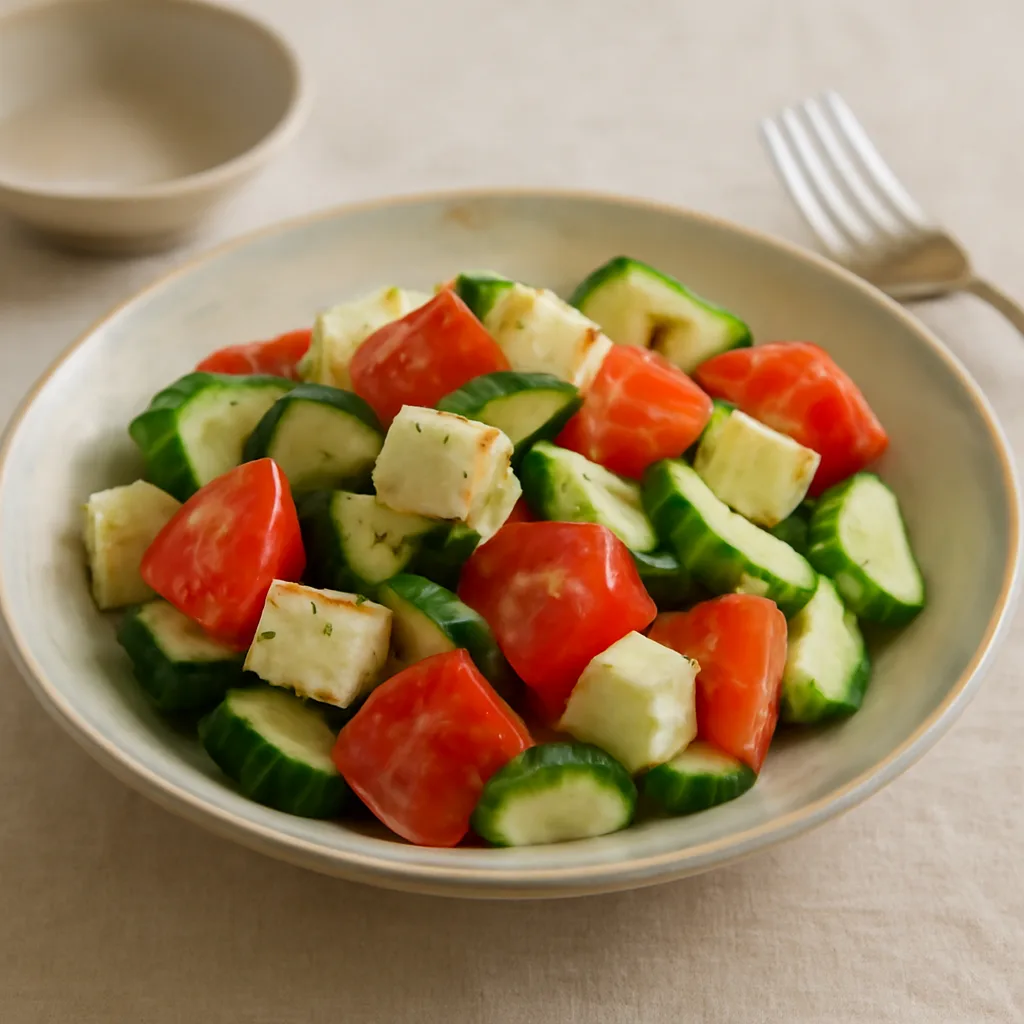
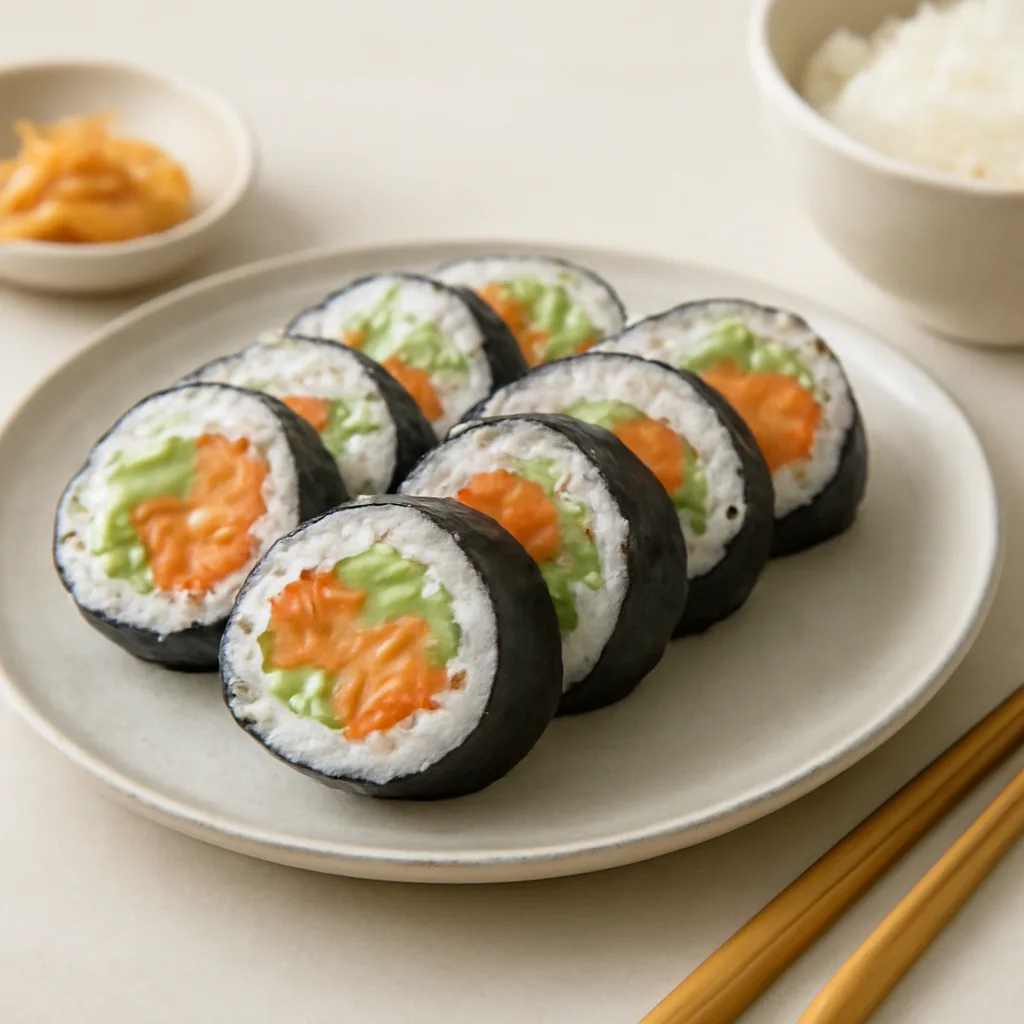
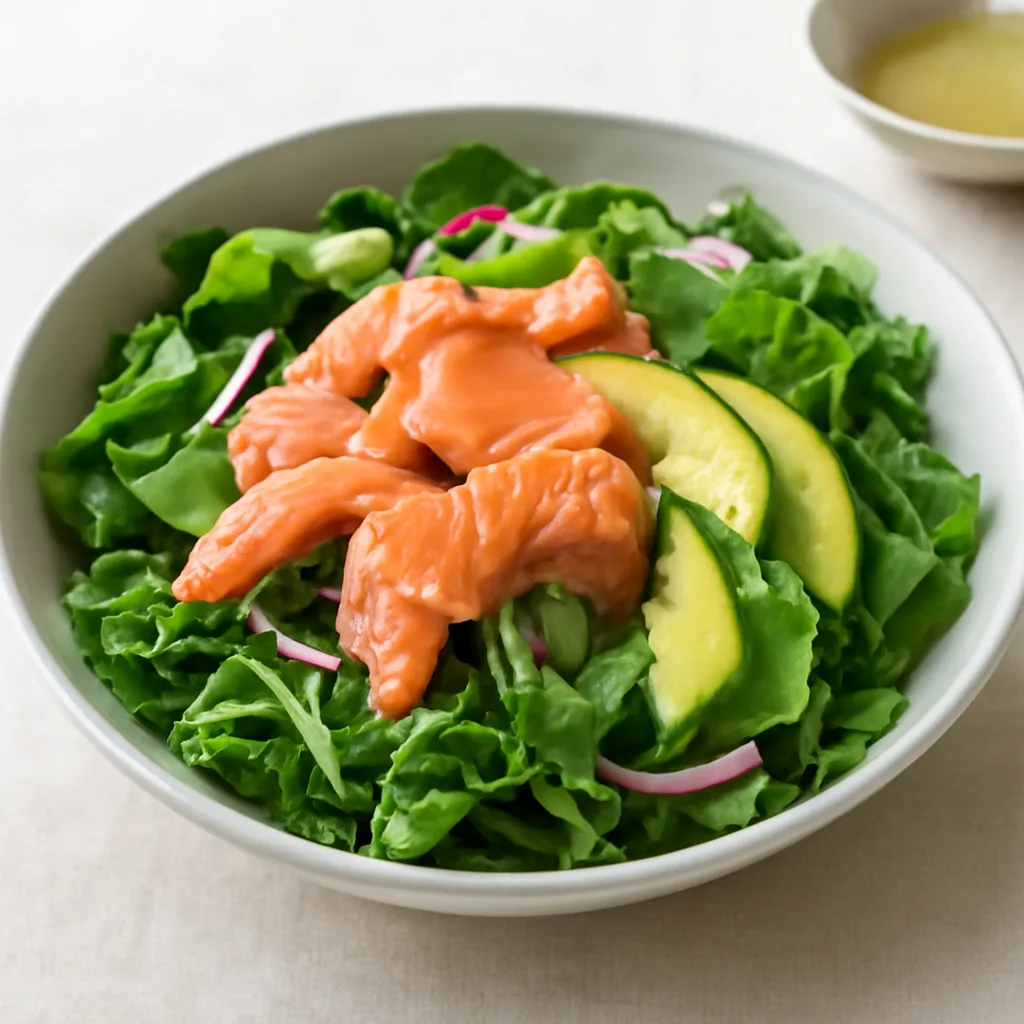
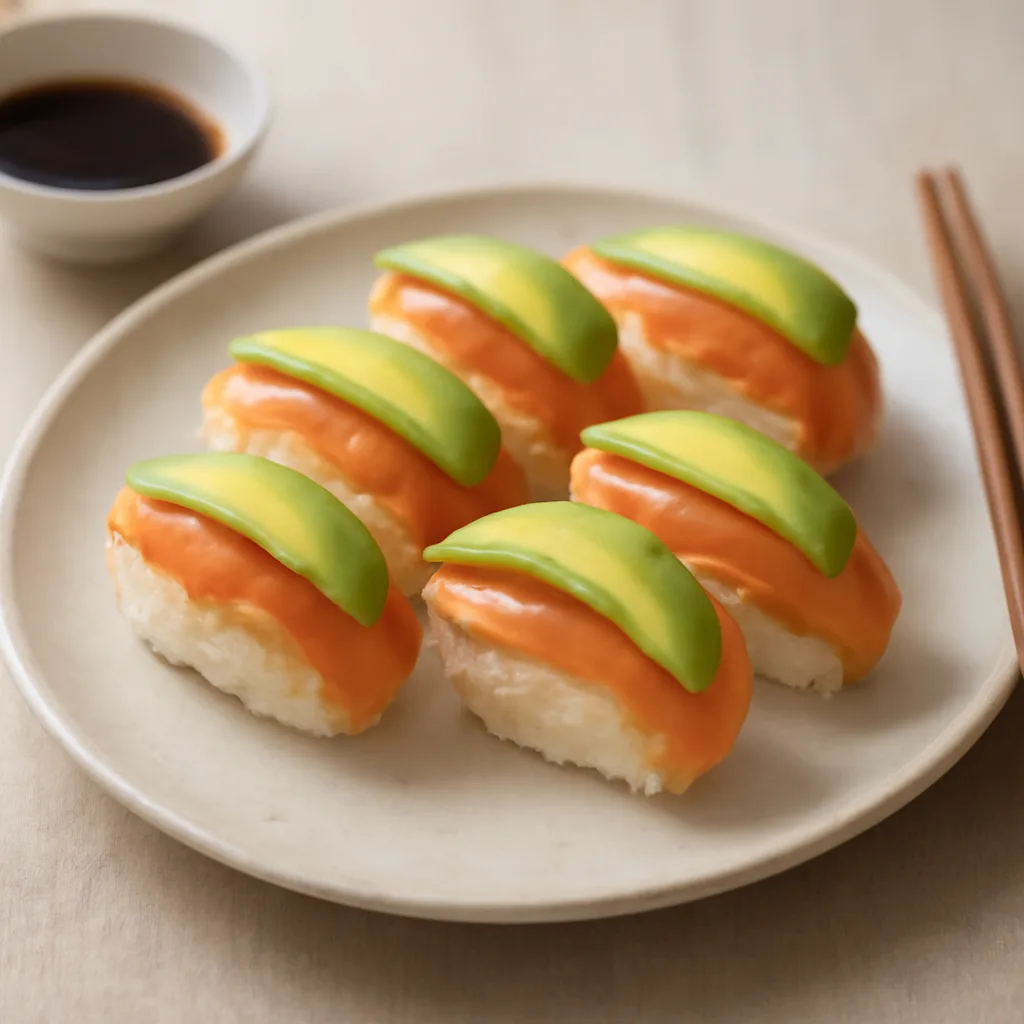
Here are the foods included in this theme, sorted by views from CookPagoda's public food.