Theme guide
Check the selection criteria and cooking ideas for foods that match this theme.
The meal when you have no appetite focuses on finding a composition that starts with a small amount of one or two spoonfuls rather than eating a lot. Foods with overly strong aromas or large portions can make starting difficult, so options such as warm broth, soft rice, and lightly seasoned side dishes with comfortable textures and temperatures are favored. However, the reasons for a lack of appetite differ by situation. On some days colder, fresher flavors go down better, while on other days a warm one-bowl meal feels right because the stomach feels empty. After noticing signals like whether aromas bother you, whether chewing feels burdensome, or whether the broth is okay, adjust the amount and cooking method accordingly. Rather than forcing one dish to completion, a practical approach is to add available elements to a small portion of rice or noodles along with broth, a mild protein, and briefly marinated vegetables. There are times when fattier or more刺激 foods are craved, but if they feel more burdensome after eating, reduce the amount and balance with clear broth or soft accompaniments.
Well-suited for these people
- It suits people who have less appetite than usual and are looking for a comfortable small-portion meal rather than one large serving.
- On hot days, tired days, or busy schedules when it’s hard to spend time cooking and eating, it can be used to choose a simple one-bowl menu.
- If strong smells are burdensome, it is better to start with milder ingredients and clear preparations.
- If continuing to eat is difficult or discomfort is severe, it is better to check for needed help outside of meal choices rather than trying to solve it with a specific menu.
Food Selection Guide
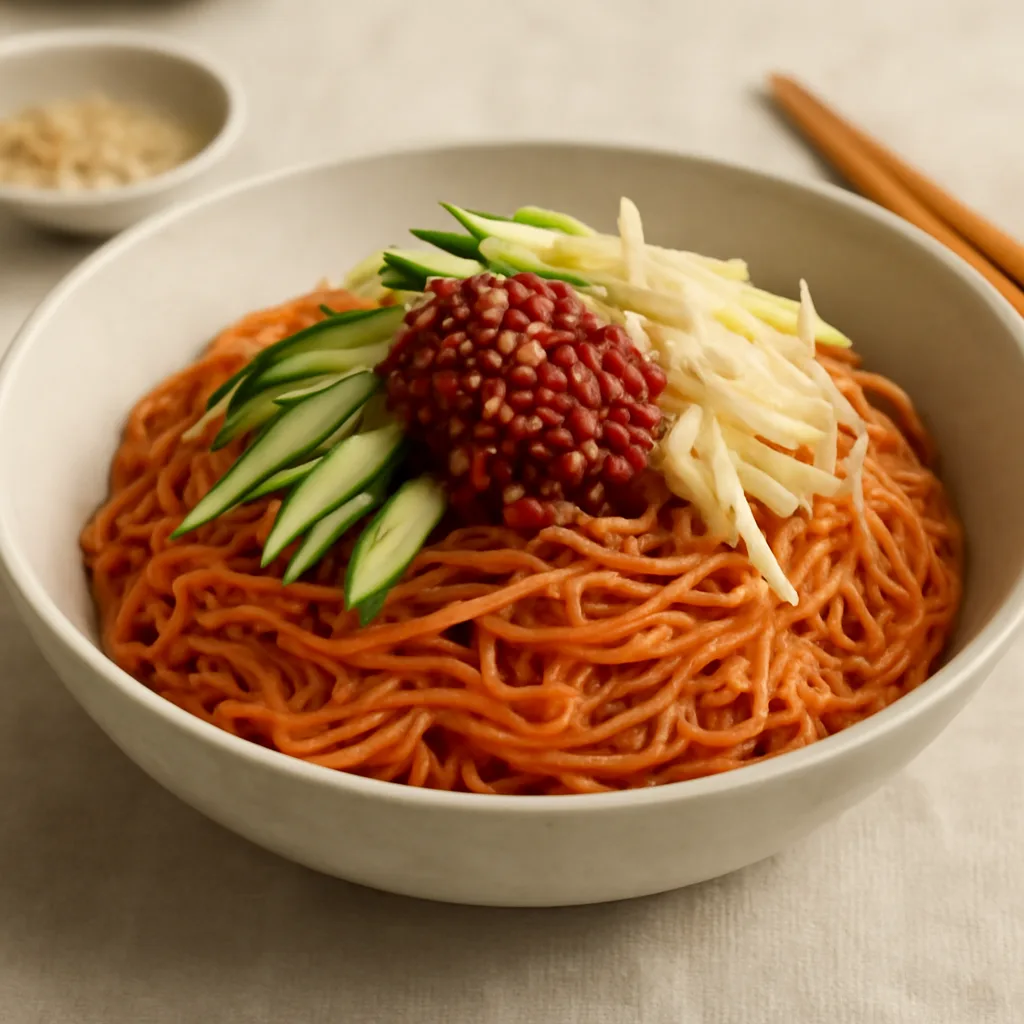
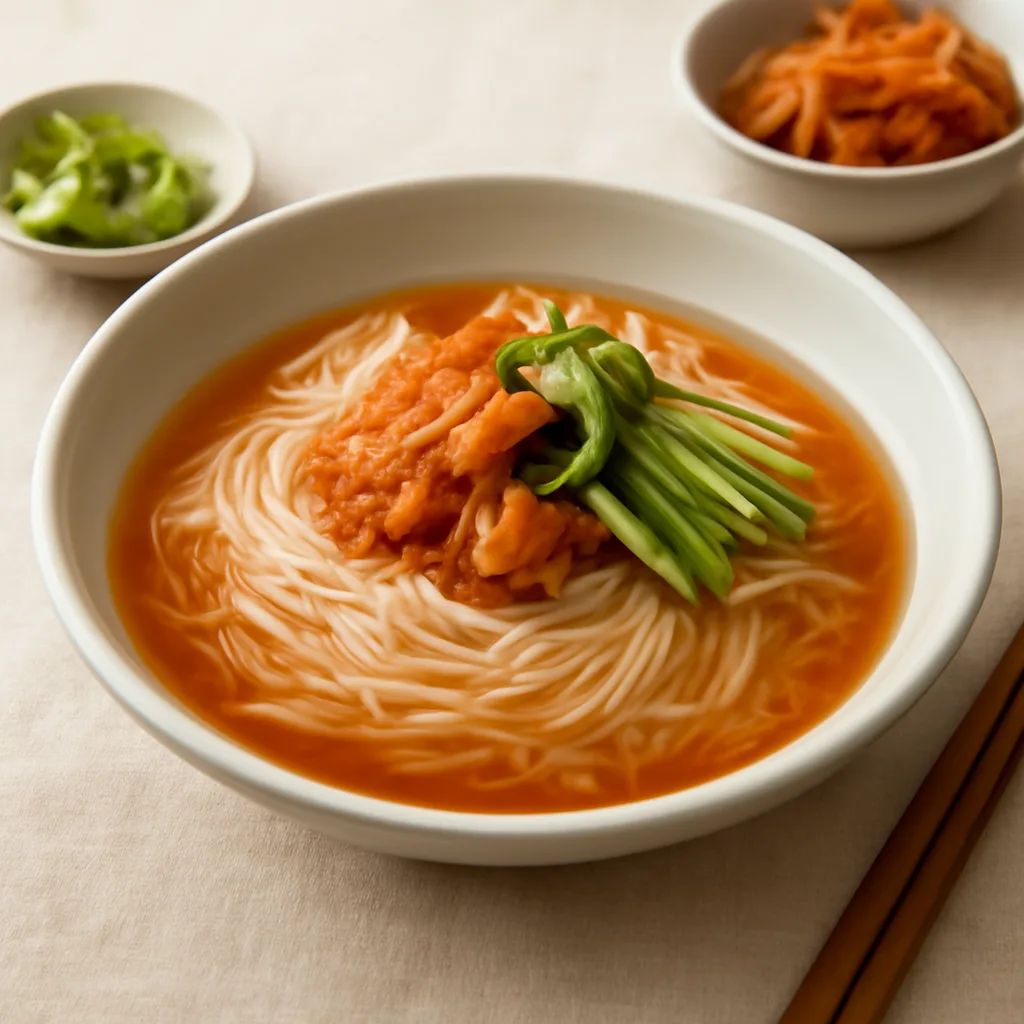
- If the first spoonful brings a heavy smell of hot steam or oil, choose a dish with relatively low aroma such as clear broth, porridge, or cold noodles.
- If chewing feels bothersome or the mouth feels dull, choose dishes with soft ingredients like rice dipped in broth, eggs, tofu, or well-cooked vegetables.
- If a sour or cool taste is appealing, don’t overdo vinegar or citrus; rather offer small portions of cold soups or salads with a touch of acidity.
- If you think you will drink only the broth, make the meal by adding a few spoonfuls of rice, a handful of noodles, and one of eggs or tofu.
- If hot peppers and oil are tempting but you feel uncomfortable after eating, reduce the amount of spicy seasonings and offer them separately so you can adjust.
Frequently paired ingredients
- Carbohydrates like rice, noodles, or gruel are easy to measure and work well as a small meal base.
- Eggs, tofu, lean meat, and fish have different textures and aromas, so on days when smells are sensitive, pick the one that feels least burdensome.
- Zucchini, potatoes, carrots, mushrooms, leafy greens are vegetables that soften when cooked and are easy to add in small amounts to soups, stir-fries, or porridge.
- Green onions, garlic, sesame oil, seaweed, soy sauce can help whet the appetite, but if aromas bother you, reduce or omit them.
- Vinegar, lemon juice, kimchi broth are acidic ingredients that can lift a heavy flavor; if sourness is uncomfortable, switch to clear broth or milder seasoning.
Compatible cooking methods
- Boiling and simmering soften ingredients and add moisture, suitable for soups, porridge, soups, and noodle dishes.
- Steaming is good when you want to soften textures like eggs, fish, or vegetables without using much oil.
- Quick stir-frying is good for preparing side dishes quickly to go with rice, but if oil smells are burdensome, add a bit more water or broth to create a moist texture between stir-frying and braising.
- Salads can be chosen when a cool and fresh bite is needed, but if raw vegetables are too rough, blanch lightly or chop finely.
Tips for beginners
- Don’t make a whole meal in one go; start with half the usual amount of rice or noodles, and only add more if you want it.
- If the broth or porridge tastes bland, add seasoning gradually instead of all at once to avoid a salty or刺激ly flavored result; taste as you go.
- If the porridge or broth is too thick for easy spooning, adjust to a flowing consistency by adding hot water or broth.
- If vegetables remain tough and unappealing, cut them smaller and cook until they break apart easily with chopsticks before adding other ingredients.
Menu Composition Tips
- Keep each meal simple: one staple with a soup or a moist side dish to reduce decision fatigue.
- If warm-only menus feel burdensome, add a small portion of cool sides like a cold salad or fruit, but omit them on days when cold foods are uncomfortable.
- When planning multiple meals, reuse the same ingredients in different forms like soup, porridge, or over rice to reduce prep time and avoid monotony in textures.
- If the remaining broth or cooked ingredients become too strong, add water and reduce the rice or noodle portions to lower the burden.
- If you still don’t feel like eating at a mealtime, starting with a drinkable broth or a small bite is more practical than insisting on a full plate.
Foods included in this theme
Here are the foods included in this theme, sorted by views from CookPagoda's public food.