Theme guide
Check the selection criteria and cooking ideas for foods that match this theme.
Healthy snacks are a snack theme that helps manage between-meal hunger without bias toward a single ingredient or flavor. Focusing on snacks where the ingredient form is visible, such as fruits and vegetables, nuts and seeds, dairy or fermented dairy, legumes, and whole grains makes selection easier. However, the word “healthy” does not automatically imply the same composition for every product, so it’s good to consider sweetness, saltiness, oiliness, and the portion size at once. This theme offers a broad range from quick-to-prepare, portable options to small baked snacks that can be shared. On busy days, simple-to-eat combos like washed fruit and nuts are practical, and on days when you study or work for long periods, pairing with protein foods or whole grains helps keep flavors from becoming monotonous. Conversely, right before a meal, heavy or oily snacks can dampen the next meal’s appetite, so lighter choices are more suitable.
Well-suited for these people
- Great for people who want to prepare something to snack on between meals without ending with just chips or drinks.
- When choosing snacks for kids, first check the texture of ingredients that are chewy like nuts and whether there are any allergies, and, if needed, switch to soft yogurt or fruit forms.
- If you need a snack while on the move, options like roasted beans or whole-grain bars or whole fruits that don’t soil hands are convenient.
- On days with smaller portions, it’s better to split snacks into portions that won’t affect the next meal rather than increasing the snack as a substitute for a meal.
Food Selection Guide
- When choosing packaged products, check the ingredient list and the serving size rather than the ‘health’ claim on the front. If syrup, sugar, salt, or oil appear multiple times at the front, the product is likely sweet or salty, so reduce the amount or substitute with another snack to avoid overlapping flavors with regular meals.
- If you feel hungry in the afternoon, try pairing a small amount of ingredients like nuts, plain yogurt, or boiled beans with fruit instead of eating fruit alone. However, since nuts can feel heavy in small amounts, start with a smaller portion than a handful.
- When you need something sweet, choose fresh fruit with moisture over dried fruit first. Dried fruit tends to be easy to eat in one bite, so if you choose it, serve on a small plate and eat it with other ingredients.
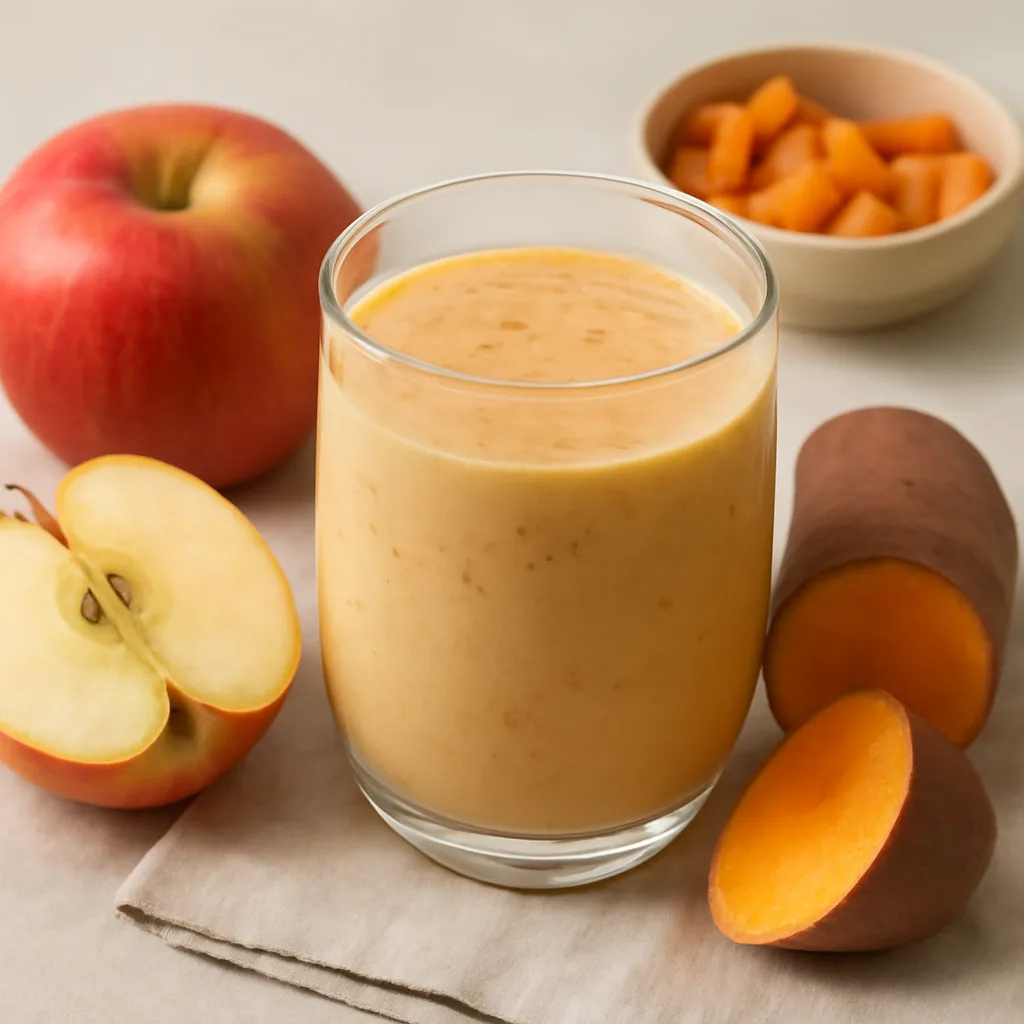
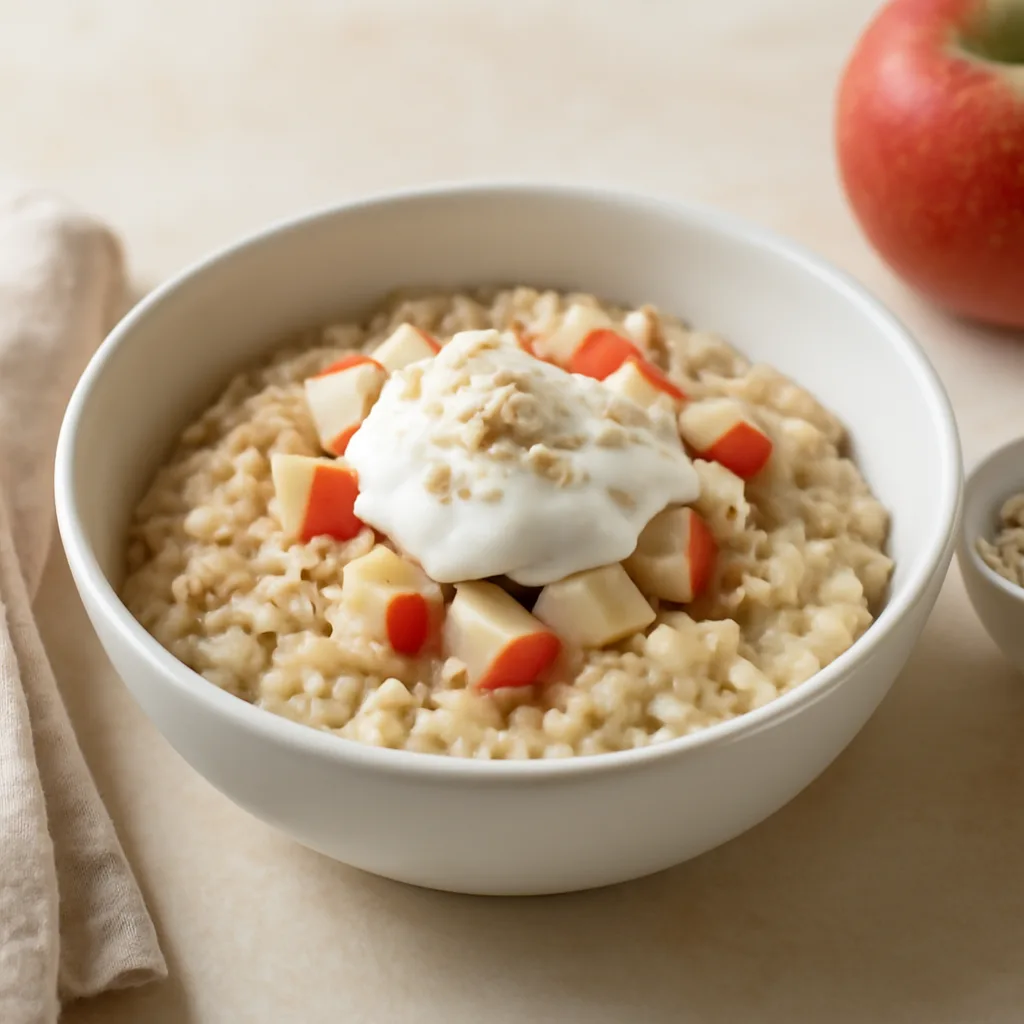
- On days when cold snacks feel burdensome or uncomfortable, consider warm options like warmed milk, baked sweet potato, or oatmeal instead of cold yogurt.
Frequently paired ingredients
- Fruits like apples, bananas, tangerines, and berries offer different levels of prep and portability, so choose according to the situation. On days when peeling or seeding is cumbersome, choose pre-washed varieties for easier eating.
- Nuts and seeds add a nutty flavor and crunchy texture; for products with strong saltiness, switch to unsalted or low-sodium options and adjust so they don’t clash with other salty foods at the same time of day.
- Plain yogurt, milk, or soy milk mix well with fruits or whole grains, but sweetened products can be sweeter than expected. If sweetness is enough, prefer reducing fruit rather than adding syrups or jams.
- Oats, whole-grain bread, brown rice cakes, and legumes can add chewiness. However, if there are many sweet fillings/toppings on cake or bread, don’t judge only by the ingredient name—check the overall composition.
Compatible cooking methods
- Washing and slicing to serve immediately works with fruits, vegetables, and yogurt, taking almost no time, suitable for weekday snacks. However, if you cut too much in advance, surfaces may dry out or soften, so prepare only the portions you’ll eat.
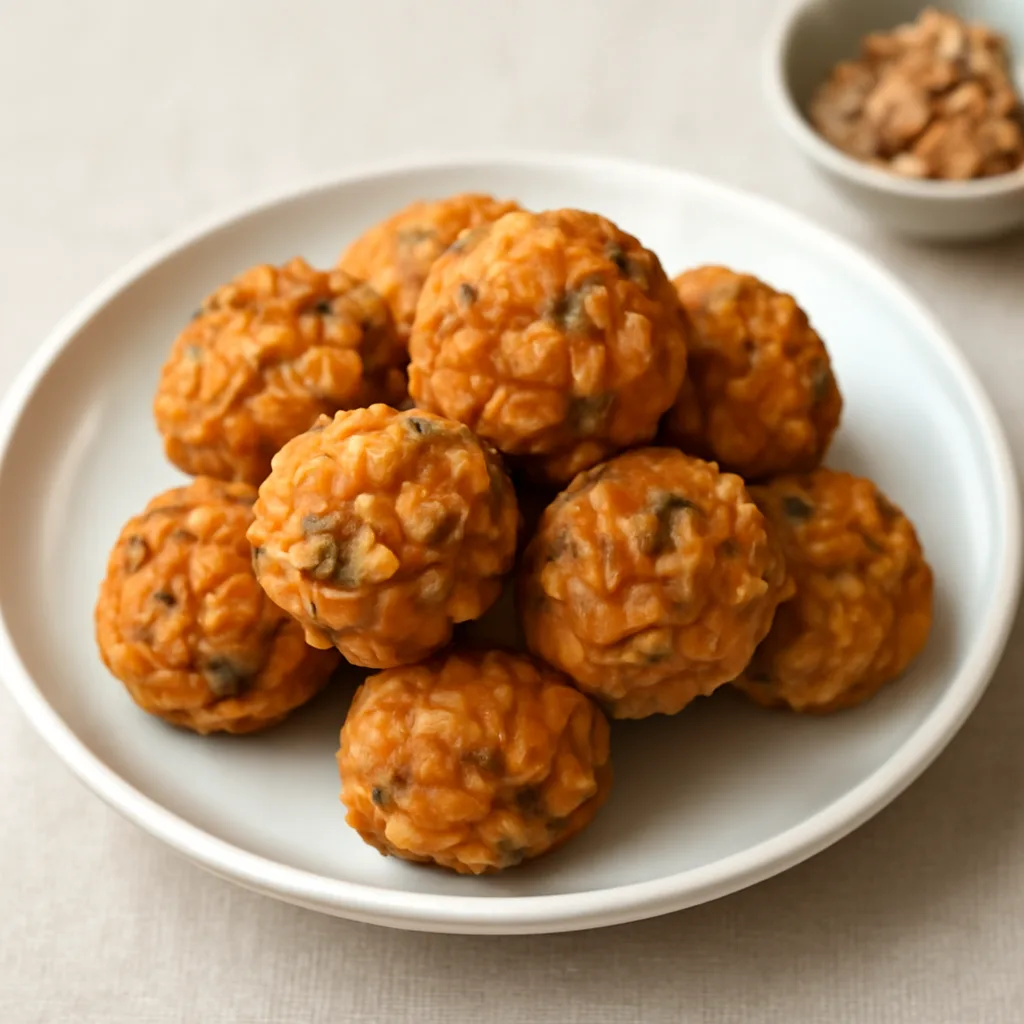
- Baking or air-frying can add a crispy or soft texture to snacks based on sweet potatoes, chickpeas, or oats. If the surface browns too quickly, this may be a signal that the temperature is high or time is long, so lower the temperature and check the status partway through.
- Gently warming or simmering is suitable for soft snacks like oats, milk, or bean drinks. If the bottom sticks, there may be insufficient moisture or heat being too high; reduce the heat and add a little liquid.
- Blending frozen fruit is great for hot days, but adding too much liquid can make the beverage-like and less filling. Start with a small amount of liquid and add more only as needed.
Tips for beginners
- Start with two simple pairs, such as fruit + plain yogurt, or whole-grain bread + boiled egg, rather than mixing many ingredients at first. If the taste seems flat, instead of adding sugar right away, try adding one flavor or texture like cinnamon, nuts, or the tartness of fruit.
- If snacks go soggy, the issue may be mixing dry and moist ingredients in advance. Add crunchy ingredients like granola or roasted nuts just before eating, and keep fruit and yogurt separate.
- Might not be ideal to prepare a lot at once. If leftovers are hard to handle, choose larger packages only when you can use the same ingredients for breakfast or salads within the week.
- If sweetness feels lacking, avoid repeatedly adding sweeteners, which can mask the flavors of the original ingredients. First try riper fruit or add more spice, and only adjust with small amounts if needed.
Menu Composition Tips
- For a week of snacks, mix quick-eat items, quick-cook items, and occasionally baked options so you don’t get tired of one method. For example, alternate between instant options like fruit and yogurt and warm options like baked sweet potatoes or oatmeal.
- Before shopping, divide snacks by where you’ll eat them. At a desk or on the go, choose low-m crumb and low-odor options; at home, choose yogurt or oatmeal that require bowls and spoons to reduce prep burden.
- If buying the same ingredients repeatedly, vary their roles. Bananas can go with yogurt or be mixed into oatmeal, but on weeks with many already-sweet snacks, choose less sweet fruits or vegetables sticks to balance flavor.
- Close to dinnertime, keep snack portions small; if there’s a long time until the next meal, try combining fruits with a protein or whole grains rather than a single-ingredient snack. However, if you need to eat enough for the next meal, adjust the portion size accordingly.
Foods included in this theme
Here are the foods included in this theme, sorted by views from CookPagoda's public food.