Theme guide
Check the selection criteria and cooking ideas for foods that match this theme.
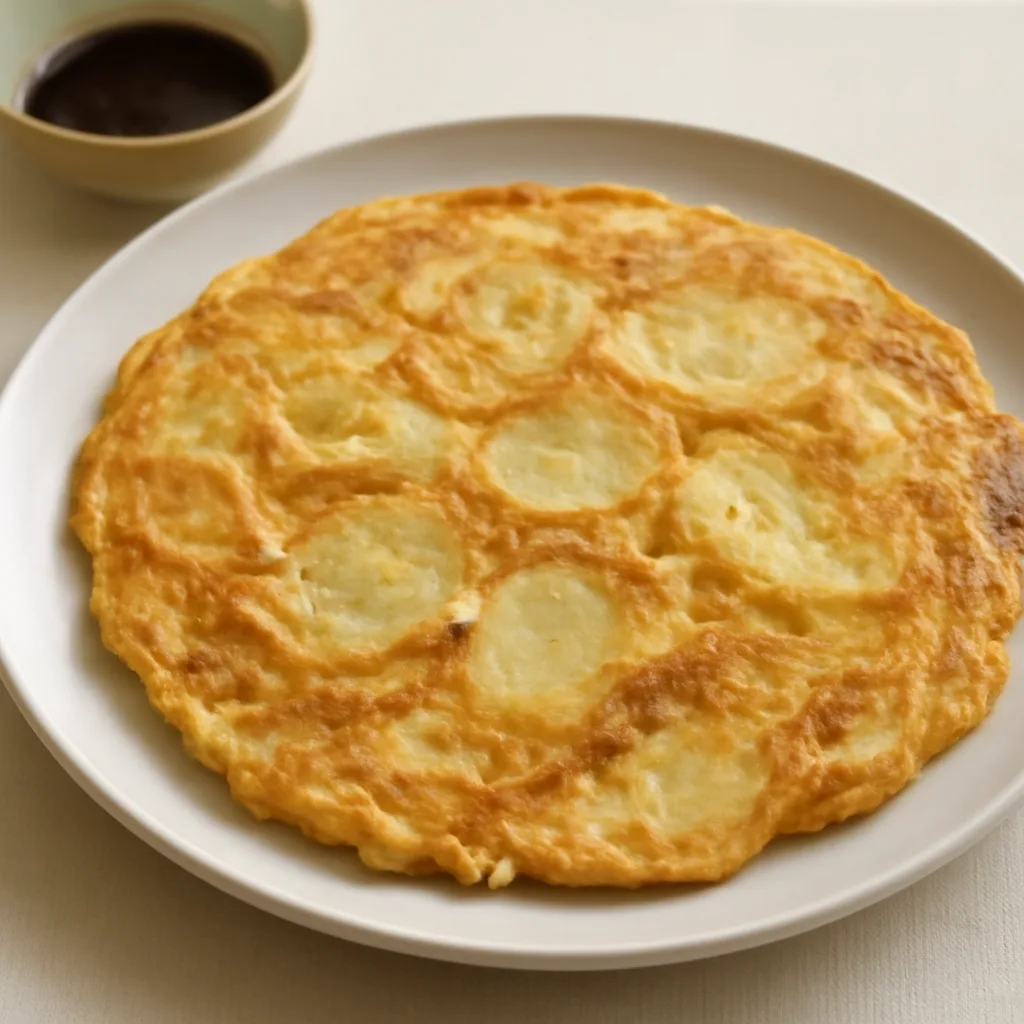
Jeon is a broad term for dishes where ingredients are thinly sliced or minced and then battered or egg-wrapped and fried. The appeal lies in the contrast between a golden-brown crust and a moist interior, and the impression of a dish changes greatly depending on ingredient choices like vegetables, seafood, meat, or tofu. The moisture and thickness of the ingredients determine the result. If the edges brown quickly while the center is still soft when placed in the pan, it often means moisture is coming out of the ingredient or the heat is too low, so for the next batch, pat dry the moisture and divide the portions to fry. Conversely, for dishes that are rich in oil or where a crisp texture feels heavy, lighter options like steaming or mixing can be more suitable than frying.
Well-suited for these people
- When you’re preparing a meal or gathering with several different ingredients served in portions.
- A good choice when you want to unify leftover vegetables, mushrooms, tofu, or seafood into one flavor.
- Suitable when you want to serve warm with a crispy surface right from the pan, and in situations where you don’t want to prepare ahead for a long time and keep crispness.
Food Selection Guide
- If the ingredients are thin and have a smooth texture, consider round-cut fried patties that highlight cross-sections or battered pancakes if they’re finely minced and won’t lose shape.
- For watery ingredients like zucchini or mushrooms, salt early to draw out moisture, then slice thinly, pat dry, and season just before cooking.
- Shrimp or clams, which cook quickly, are best when spread thinly in the batter rather than thick clumps to prevent overcooking inside.
- If there are already dishes with rich broth or seasoning on the table, choose a lighter-tasting jeon, and if the meal is bland, pair with soy sauce or vinegar-based accompaniments.
Frequently paired ingredients
- Vegetable pancakes often use ingredients like zucchini, potatoes, chives, onions, or mushrooms that are easy to slice or julienne, and keeping pieces roughly the same thickness helps even cooking.
- Seafood pancakes can use shrimp, squid, or shellfish, but if the surface feels slimy or wet, pat dry with a paper towel and coat with batter or flour to help it stick.
- For mixtures with tofu, ground meat, or finely chopped vegetables, you can add binding agents like egg, pancake mix, or flour. If the batter is too sticky to handle, add flour gradually to check its consistency.
- Egg-coated jeon allows for thin coats of flour and egg to reveal the ingredients’ shapes, but if the flour lumps and leaves white clumps, shake off the remaining flour and dip in egg wash.
Compatible cooking methods
- The most common method is pan-frying in oil over medium-low heat. If the oil responds slowly, the pan may be cold; test with one piece before frying.
- Before dipping, scoop batter and spread it not too thick so heat can reach the center easily. When the top surface’s wet batter reduces and the edges set, flip to minimize tearing.
- When preserving the ingredient’s shape, avoid pressing too often after flipping. Pressing too much causes moisture to escape and the surface to become soggy.
- If too much is in the pan at once, the pan temperature drops and moisture may pool instead of browning; cook in batches or with space between pieces.
Tips for beginners
- Start with small pieces on the first attempt to check heat and batter consistency. If the color darkens quickly but the interior is undercooked, lower the heat and reduce size or thickness.
- If the jeon sticks to the pan, don’t force it to release immediately; wait until the edges are cooked and naturally separate. If it still sticks, heat the pan enough next time and spread the oil thinly and evenly.
- If the edges of the batter spread loosely before frying, it may signal watery batter or low pan temperature. recheck the moisture of the ingredients and add a small amount of batter or extend preheating time.
- Seasoning is easier when added in small portions to batter or ingredients just before cooking. If planning to serve with soy sauce, keep the jeon’s own seasoning mild.
Menu Composition Tips
- Pair jeon with side dishes of different textures like grilled meat, namul, or soup to prevent the oiliness from clustering on one side. If your spread already includes fried or stir-fried dishes, add a light vegetable-focused jeon in small portions to balance.
- Instead of making one large batch, prepare two or three small varieties (e.g., vegetable jeon and seafood or tofu jeon) in small sizes for easier selection.
- Since jeon’s texture changes significantly right after frying, for guests, finish prep and slicing just before serving and fry in order as needed.
- Prepare dipping sauces to match the saltiness and ingredients of the jeon. If the ingredients are salty or very aromatic, keep the dipping sauce separate and use sparingly; for spicy or sour sauces, pair them with bland jeon.
Foods included in this theme
Here are the foods included in this theme, sorted by views from CookPagoda's public food.