Theme guide
Check the selection criteria and cooking ideas for foods that match this theme.
Seafood cooking centers on ingredients from the sea such as fish, shellfish, shrimp, and squid. For each ingredient, fat marbling, moisture, and cooking speed differ, so even with the same method, how you trim and heat it matters. Mild white fish pair well with sauces or vegetables to highlight their sweetness, and shellfish can add depth to broths. When choosing a menu, consider the fresh aroma and state of the ingredients, the desired texture, and how much time you have to cook. Firm, well-formed fish or shrimp suit grilling or sautéing, while shellfish like clams or mussels shine in stews or broths. If strong aromas or extensive preparation are a concern for a quick meal, it can be practical to narrow to whole seafoods, or ready-to-cut fillets. Seafood often benefits from cooking just enough to stay moist rather than overcooking. If you put many ingredients in the pan at once, the temperature can drop and moisture can form, so cooking in batches or shifting toward broth-based dishes can yield closer results.
Well-suited for these people
- People who want to make a quick, single‑dish meal like pan‑fried fish, sautéed shrimp, or steamed shellfish that lets the seafood’s flavor come through.
- People who want to broaden meals from a complete plate with rice and soup to lighter menus like pasta or salads.
- If you are sensitive to strong smells, start with milder white fish or prepared shrimp, and save intensely scented fish or those with innards for later as you gain familiarity.
- If time for shellfish cleaning is tight, whole shellfish or untrimmed fish can be less practical than fillets and pre-cleaned seafood.
Food Selection Guide
- For grilling, choose fish fillets or shrimp with firm flesh and little surface moisture. Excess moisture weakens the heat and can give a boiled texture, so gently pat dry before cooking.
- For broths, prioritize shellfish, mussels, or shrimp whose flavors will spread through the broth. For a clear broth, add aromatic vegetables sparingly and in order as the ingredients open or cook.
- For chewy ingredients like squid or octopus, pick either a quick, high-heat method or a method that cooks until very tender. If cooking briefly, add to the end to avoid toughness.
- If you want to enjoy the ingredient’s natural flavor, use simple seasonings like salt, lemon, or garlic; if you worry about moisture loss from frozen ingredients, choose stews, hot pots, or pasta sauces that absorb moisture.
Frequently paired ingredients
- Seafood dishes use a variety of textures such as fish, shrimp, squid, shellfish, mussels, and crab, which can be centered on one ingredient or mixed.
- Aromatics like garlic, green onions, onions, and ginger are often used to settle the seafood’s aroma. If you want a clearer aroma, reduce aromatics; if aromas feel heavy, sauté them briefly in oil first to mellow them before adding seafood.
- Ingredients that add acidity like lemon or vinegar are good for finishing with a small amount. Adding too early can alter the surface texture of some ingredients, so adjust by tasting.
- Butters, olive oil, chili pastes, miso, or tomato bases can change the direction of the dish. To highlight the seafood’s natural mildness, use light oils and salt; for side dishes or soups, choose a seasoning base.
Compatible cooking methods
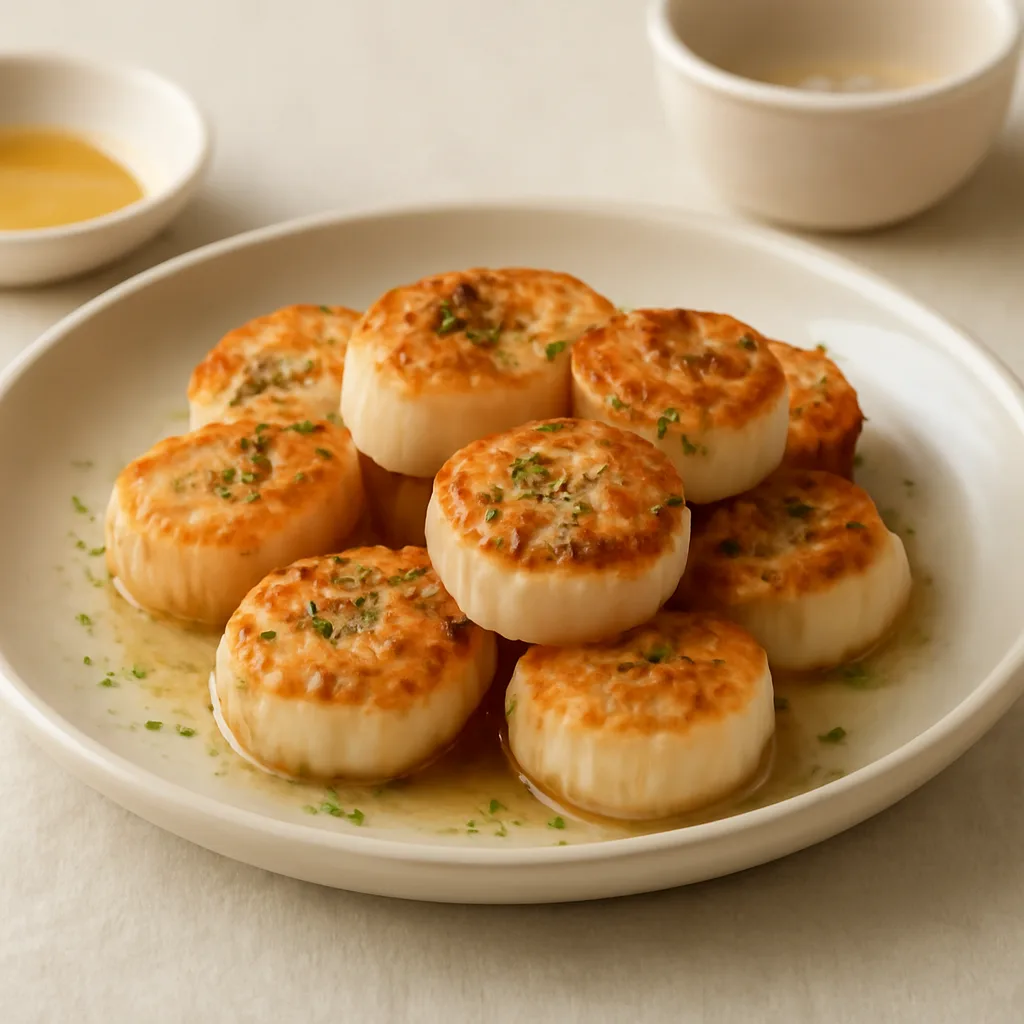
- Pan-searing suits fish fillets and shrimp; use a well-preheated dry pan to develop color and aroma. If it sticks, you likely flipped too early; wait until the bottom releases naturally.
- Steaming is good for shellfish and white fish to preserve moisture. When shells begin to open, check their state and remove opened ones first to avoid overcooking others.
- Soups, stews, and hot pots are good for using shellfish, shrimp, and fish with vegetables. If the broth becomes cloudy or the fish breaks apart, lower the heat after it comes to a simmer and add ingredients in stages.
- Stir-frying can be quickly applied to squid, shrimp, and cleaned seafood. If moisture is high, avoid crowding the pan; cook in batches or use high heat for a short time.
Tips for beginners
- First, choose readily identifiable ingredients like cleaned shrimp or boneless fillets. Whole fish or shell-on seafood can be more time-consuming to prepare, making them less practical on busy days.
- Frozen seafood should be thawed and surface ice/mucus removed before use to reduce moisture in pan cooking. If the flesh becomes too soft after thawing, use it in broth or sauce instead of a quick fry.
- Don’t over-season early; adjust after tasting the seafood’s moisture and the sauce’s thickness. If it tastes under-salted at the end, add water or unsalted stock and vegetables to adjust.
- Inspect shellfish before cooking, and don’t assume unopened ones are undercooked. If you notice odd odor or appearance, don’t use them and switch to another ingredient.
Menu Composition Tips
- To keep a single meal simple, pick one seafood plus one or two vegetables and align the cooking method. For example, pair pan-seared seafood with roasted vegetables or salad, and serve with rice or noodles for a quick setup.
- When using multiple seafoods, plan the order by their cooking speeds. Prepare firmer vegetables and the broth base first, then add quickly cooking shrimp or squid at the end to manage texture differences.
- Keep flavor elements simple by focusing on one strong element like spicy seasoning, butter sauce, or tomato sauce. If you have leftovers of sauces, choose one that complements the primary ingredient rather than mixing everything together.
- If you want a balanced meal with a lighter array, pair grilled or sautéed seafood with a lighter option like steamed vegetables, a salad, or a clear broth; or, if you aim for a hearty plate, finish with a seafood stir-fry served with rice or noodles.
Foods included in this theme
Here are the foods included in this theme, sorted by views from CookPagoda's public food.