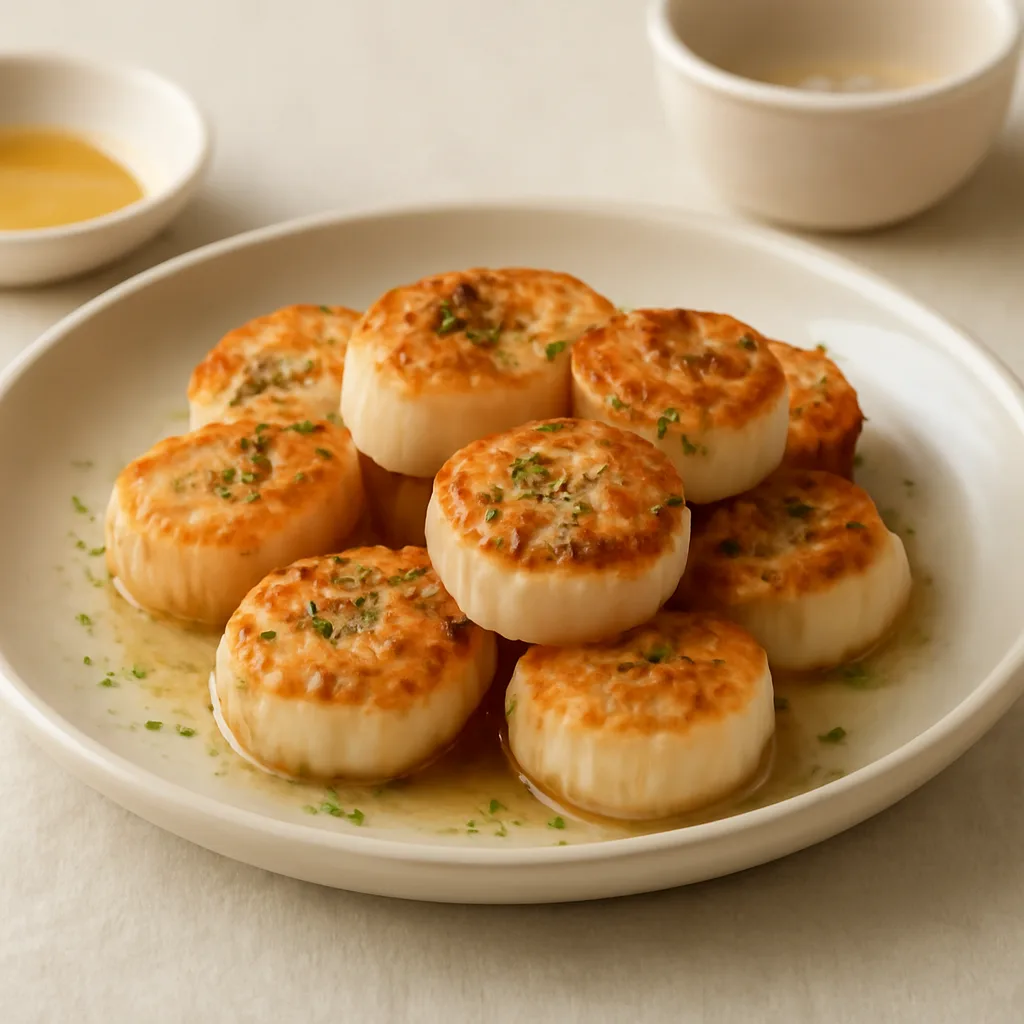
Theme guide
Check the selection criteria and cooking ideas for foods that match this theme.
The theme is for finding dishes where heat is applied directly or indirectly to ingredients to draw out surface aroma and color while cooking the inside according to the nature of the ingredient. Because the range of ingredients is broad—meat, fish, seafood, vegetables, mushrooms, tofu—it’s helpful to look at thickness, moisture, and whether a sauce is used before naming it simply as “grilled.” If you want a dish with a brownish surface and a toasty aroma, grilling is a good fit. However, sweet sauces tend to burn easily on high heat, so when you expect a strong sauce flavor, lowering the heat at the start or applying the sauce after cooking may be more appropriate. A grilled menu can be a single main dish served with rice, or a spread where several ingredients are grilled and plated separately. Even with the same method, thin vegetable grilling and thick meat grilling require different timing and heat control, so it’s best to check the preparation steps and the order of grilling noted in the recipe when choosing.
Well-suited for these people
- People who want to achieve a relatively clear grilled aroma and texture using a single pan, oven, air fryer, or grill.
- Useful when you want to prepare a main dish quickly, but if the ingredient is thick or heavily seasoned, it may not be a hands-off method and will require occasional checks and turning.
- When hosting guests, it’s convenient to serve multiple ingredients at once, but there are many menus that taste best immediately after grilling, so it may be less suitable for situations requiring long warm storage.
Food Selection Guide
- If the ingredient is thin and broad or cut into bite-sized pieces, it’s likely suitable for pan grilling or fast high-heat cooking, so choose menus with shorter cooking times.
- If the thickness is uneven, thinner parts will dry or burn first, so divide into similar sizes or choose a method that uses gentle heat to match the pace.
- If many sauces contain sugars like honey or corn syrup, the surface may darken quickly, so choose menus that apply the sauce later or use medium-low heat.
- Fattier cuts or ingredients with skin can release a lot of oil and create smoke, so on days with poor ventilation you might consider methods like oven grilling that separate the oil.
Frequently paired ingredients
- Proteins such as meat, fish, and shrimp are commonly used, and the amount of additional oil is adjusted according to the moisture and fat of the ingredient itself.
- Vegetables that soften or reveal sweetness when heated, such as zucchini, eggplant, onion, bell pepper, and mushrooms, also grill well.
- Basic seasoning and aroma come from salt, pepper, soy sauce, garlic, sesame oil, and cooking oil; gochujang (red chili paste) or sweet sauces can deepen color and flavor.
- Fresh accompaniments like lemon juice, vinegar, scallions, and perilla leaves can balance richness or heaviness after a fatty or strong grill.
Compatible cooking methods
- Pan grilling is convenient for thin meat, fish pieces, and vegetables because you can watch the surface and flip easily, but filling the pan too much can cause moisture to escape and the food to cook more than grill.
- Oven grilling is relatively good for evenly cooking thicker ingredients, and you can finish with a high heat to develop surface color.
- Air fryer is convenient for small portions, but light vegetables or thin sauces may fly off or leak, so check size and use a rack.
- Grates or grills impart smoky flavor and distinct marks, but fat can drip and cause smoke and flare-ups, so for fatty ingredients it’s safer to move them often.
Tips for beginners
- Wipe moisture from the surface of ingredients before placing them in the pan to reduce splatter and a soggy surface.
- If the pan is not preheated enough, food may stick and color poorly, so heat with only a small amount of oil until it just coats the surface and then add the food.
- Starting with frequent flipping can cause the surface to tear before it sets, so try starting with one flip after one side has colored and the edges look cooked.
- If the exterior is already dark but the inside seems undercooked, lowering the heat and finishing with covered or indirect heat can reduce charring.
- If the sugars in a sauce burn quickly, lower the heat and brush on the remaining sauce at the final stage.
Menu Composition Tips
- If you make a strong-flavored grilled dish as the main, pair it with light sides like fresh vegetables, salads, or a clear soup to modulate the meal.
- When serving meat and vegetables together, the meat’s fat and seasoning can affect the vegetable flavors, so grill the vegetables first or use a separate pan for a cleaner presentation.
- If planning to grill multiple items, start with thicker ingredients that take longer, and grill mushrooms or leafy greens right before serving to prevent them from becoming soggy on the plate.
- For a rice-based meal, pair a single strong sauce grill with a milder grilled or pickled side, and when serving with bread or noodles, choose ingredients with moderate juices and fat.
Foods included in this theme
Here are the foods included in this theme, sorted by views from CookPagoda's public food.