Theme guide
Check the selection criteria and cooking ideas for foods that match this theme.
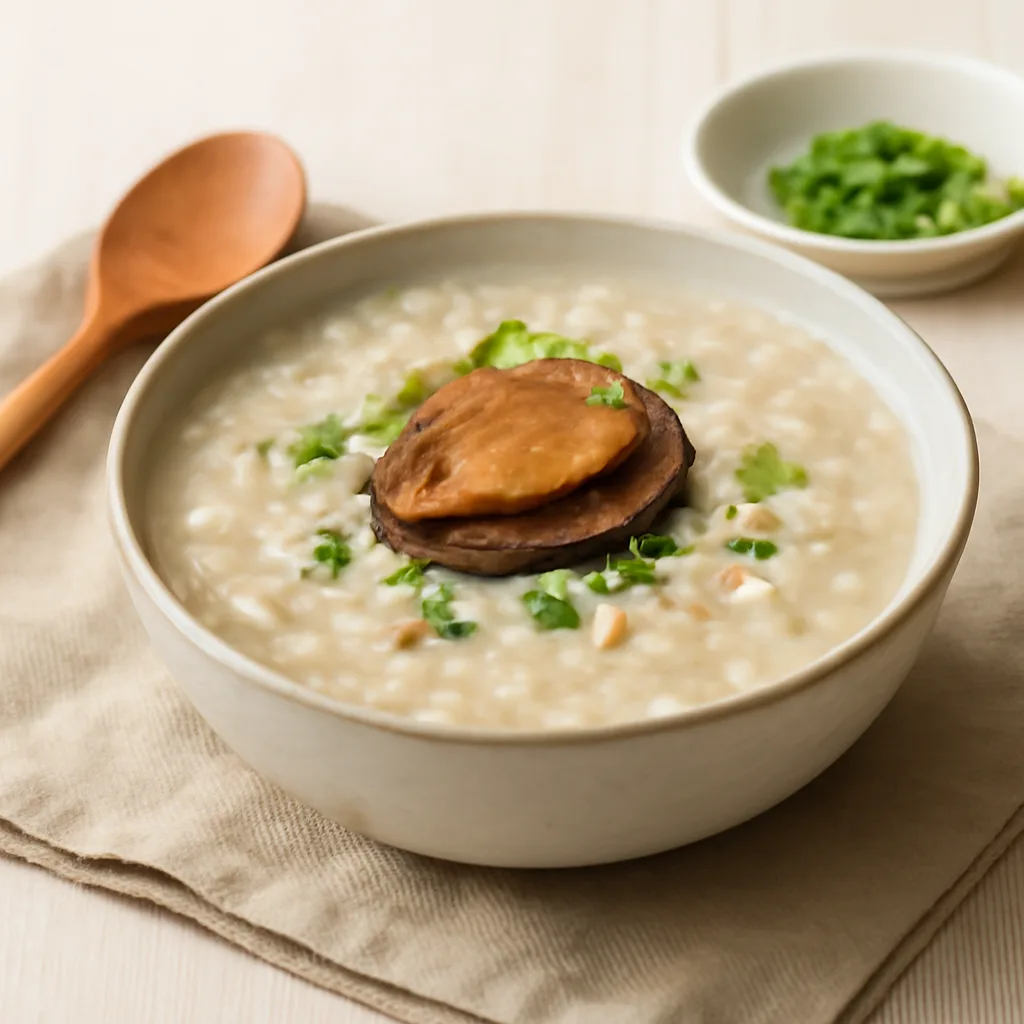
A guide theme for choosing meals that boost energy. It often evokes warm soups, slowly cooked meat or seafood, grains, and root vegetables—one-bowl menus with multiple ingredients. It doesn’t necessarily mean only rich or heavy foods. It’s good to select a balanced composition that suits the eater’s taste, the season, and the cooking time. Whether the broth is clear or thick, the ratio of meat, and whether it is eaten with rice are visible factors that greatly affect satisfaction. While rich stocks and long-cooked ingredients can feel comforting, in hot weather or when a lighter meal is desired, a clear broth or porridge with reduced portions and fat may be more suitable.
Well-suited for these people
- Perfect for someone who wants a warm, hearty meal or wants to serve soup and main ingredients together in a single table.
- Suitable for those who prefer meals that bring out the flavors of ingredients through longer cooking, but if you need to prepare a fresh menu in a short time, a simpler hot pot or steamed dish is a better choice.
- When eating with many people, hot pot or large-bowl soup dishes that are easy to share are convenient; for small portions, a porridge or individual hot pot is easier to portion.
Food Selection Guide
- If there is a thick oil layer on the surface and a strong aroma, the dish may have high flavor density, so choose a clear broth or an oil-skimming menu when you want a milder meal.
- First decide whether you need a chewy bite or a soft texture. Long-simmered meat and root vegetables tend to be soft, so if you want contrasting crunch, pair with lightly dressed greens or raw vegetables.
- Identify the main ingredient, such as chicken, beef, or seafood, and tailor to the preferences of those eating together. If you need to avoid a specific ingredient, even with the same cooking method you can shift toward rice porridge or mushroom soup with more vegetables as the main.
Frequently paired ingredients
- Meat such as chicken, beef, or pork, or seafood like fish or shellfish are used to add umami to the broth, and sometimes a single ingredient is used.
- Starchy ingredients like glutinous rice, regular rice, or noodles are used to adjust the broth’s thickness and the meal’s fullness. If the broth feels too thin, add rice or porridge ingredients, but reduce the amount if you want to maintain a clear flavor.
- Aromatics like scallions, garlic, ginger, and onions are often used to smooth the aroma of meat or seafood. If the aroma becomes strong, reduce the amount of ginger or garlic in the next cooking to highlight the main ingredients.
- Vegetables and supporting ingredients like radish, potato, mushrooms, or jujubes can add sweetness and texture, so adjust according to the desired clarity and sweetness of the broth.
Compatible cooking methods
- Simmering hot pot or boiled stock at low heat allows flavors from the ingredients to spread into the broth, fitting for warm, broth-centered dishes. If the boil becomes rough and the broth clouds, lower the heat to maintain a gentle simmer.
- Pressure cooking is useful to tenderize tougher meat or bone-related ingredients in a relatively short time. However, avoid adding vegetables from the start as they may become too soft; add those that should be tender later.
- Steaming is suitable when you want to keep the broth amount low and preserve the shape and distinct flavor of the ingredients. If the dish looks too dry, add a small amount of broth or water and cover to finish cooking.
- Porridge or rice-based dishes like risotto can be chosen for small portions or a soft texture, but rice thickens quickly, so adjust the consistency with hot water or broth partway through.
Tips for beginners
- Boiling broth ingredients and garnish together for too long can cause vegetables to fall apart and aromas to feel heavy. Start with a base flavor from meat or bones, then add quick-cooking vegetables and scallions at the final stage.
- Season the broth after the ingredients are well cooked. If it tastes salty after moisture has reduced, balance with unsalted broth or hot water rather than pouring in a lot of water.
- When meat releases a lot of foam, it may leave proteinaceous scum in the broth. For a clear broth, skim the foam after bringing to a boil; for a rich texture, don’t over-stir.
- If ingredients are still tough, simmer with ample moisture rather than boiling vigorously; conversely, already tender ingredients should not be cooked too long and can be finished with residual heat once the heat is off.
Menu Composition Tips
- When centering a broth dish, avoid layering many salty side dishes like kimchi or pickles; add one refreshing component such as fresh vegetables or lightly blanched greens for contrast.
- For rich soups or hot pots, designate either rice or noodles as the main staple to avoid the table becoming too heavy. If planning to add noodles to leftovers, adjust the initial seasoning to be slightly milder.
- For a group, consider the amount of meat pieces and soup together; if the pieces look sparse, add mushrooms, tofu, or vegetables to share easily.
- On hot days or late hours when heavy dishes are burdensome, choose a lighter form within the same theme, such as a clear broth, more vegetables in porridge, or a small portion of steamed dishes.
Foods included in this theme
Here are the foods included in this theme, sorted by views from CookPagoda's public food.