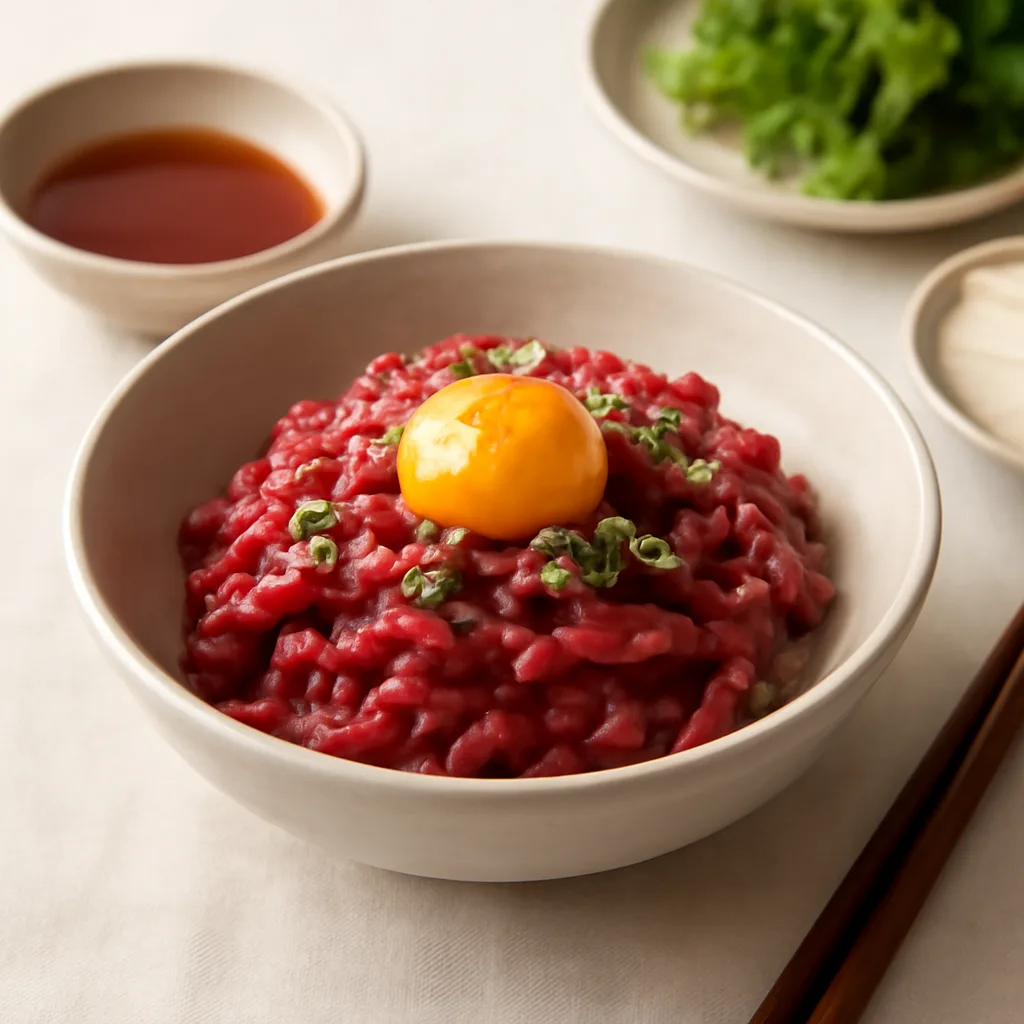
Theme guide
Check the selection criteria and cooking ideas for foods that match this theme.
A cooking theme centered on fresh ingredients treats aroma, moisture, color, and texture as the core of the dish. It focuses on highlighting flavor differences by properly preparing seasonal vegetables, fruits, fish, meat, and herbs in good condition, rather than relying on complex seasonings or lengthy cooking. When selecting ingredients, prioritize actual condition over name. For leafy greens, ensure they are firm with few wilted parts; for mushrooms, the surface should not be excessively damp; for fish and meat, check that surface color and smell are natural. If the ingredients have weak aroma or have released a lot of moisture, methods that use heat and seasonings—such as sauté, soup, or braise—may suit the dish better than serving them raw. This theme can be applied from a light meal to an elegant guest presentation, but it does not require minimal cooking for all ingredients. Hard root vegetables or tough parts should be cooked well to improve texture, and piling strong-flavored ingredients on one plate can overpower freshness rather than enhance it.
Well-suited for these people
- People who want to use fresh vegetables, fruits, seafood, or meat first in their meals right after shopping.
- Situations where you choose salads, grilled, steamed, or simple sautéed dishes that highlight the colors and textures of ingredients.
- Ideal when you want to distinguish aromas of ingredients rather than relying on heavy seasonings, but on days when you need to use up many stored ingredients at once, broth dishes or braises can be more practical.
Food Selection Guide
- Leafy vegetables that are wilted or have browning cuts may lose moisture and crispness, so choose sturdy ones for salads and reserve others for thermal cooking.
- For ingredients where aroma matters like tomatoes or peaches, check whether the natural scent is present when smelled up close; if aroma is weak, choose methods to concentrate flavor through roasting or sauces rather than serving cold.
- For fish or shellfish, ensure surfaces are not excessively dry or foul-smelling; when in good condition, enhance flavor with brief grilling or steaming, but do not use if unsure.
- When selecting ingredients for a single plate, choose textures that do not clash. If using soft avocado or tofu, add crunch with cucumber, radish, or nuts; if there are already many crisp vegetables, adjust the dressing to be lighter.
Frequently paired ingredients
- Leafy greens, cucumbers, tomatoes, bell peppers, radish and other vegetables with visible textures raw work well when thinly sliced or lightly sautéed.
- Herbs like basil, parsley, chives add aroma at the end; long cooking can diminish their presence, so add toward the end of cooking.
- Seasonal fruits can add acidity and sweetness to salads or as accompaniments; when using very sweet fruits, pair with salty cheese or a light vinegar to balance.
- Mild ingredients such as fish, eggs, tofu, chicken pair easily with fresh vegetables, but each requires different doneness, so avoid cooking everything the same way.
Compatible cooking methods
- Salads and raw dressings show moisture and texture directly, after washing dry thoroughly and add dressing just before eating.
- A quick high-heat sauté works for ingredients where you want to retain aroma and bite, like asparagus, mushrooms, peppers; avoid crowding the pan. If needed, cook in batches.
- Grilling adds sweetness and a toasty aroma; for watery ingredients like tomatoes, zucchini, mushrooms, sear surfaces then add salt and acidity to finish flavor.
- Steaming or blanching suits leafy greens, fish, and shellfish where moisture and tenderness matter more than browning; be careful not to overcook, which dulls color and texture.
Tips for beginners
- Don’t try to cook all purchased ingredients on the same day; prioritize items that need to be used first like greens and seafood in your menu.
- If a salad is releasing a lot of water, it may be because greens are still wet or salt was added too early; dry the moisture and season right before serving.
- If sautéed vegetables become soggy, the pan may not be hot enough or there may be too much material in the pan; preheat the pan well and cook in smaller batches.
- Add seasonings in small amounts of salt, fat, and acidity, tasting as you go. If the ingredient aromas are already clear, avoid using garlic, chili paste, and strong spices all at once; focus on one or two.
Menu Composition Tips
- For a meal, combine one raw element, one warm-cooked element, and one starchy or protein element to create temperature and texture contrast.
- For example, pair a crisp greens salad with grilled fish or tofu, and add one of rice, bread, or noodles to anchor the meal.
- If ingredients are similar in color and texture, the plate can feel monotonous, so add at least one contrasting element like red tomatoes or orange grilled vegetables to green leafy greens.
- For guest presentations, serving dressing, herbs, and crunchy toppings separately allows guests to assemble just before eating, reducing texture disruption.
Foods included in this theme
Here are the foods included in this theme, sorted by views from CookPagoda's public food.