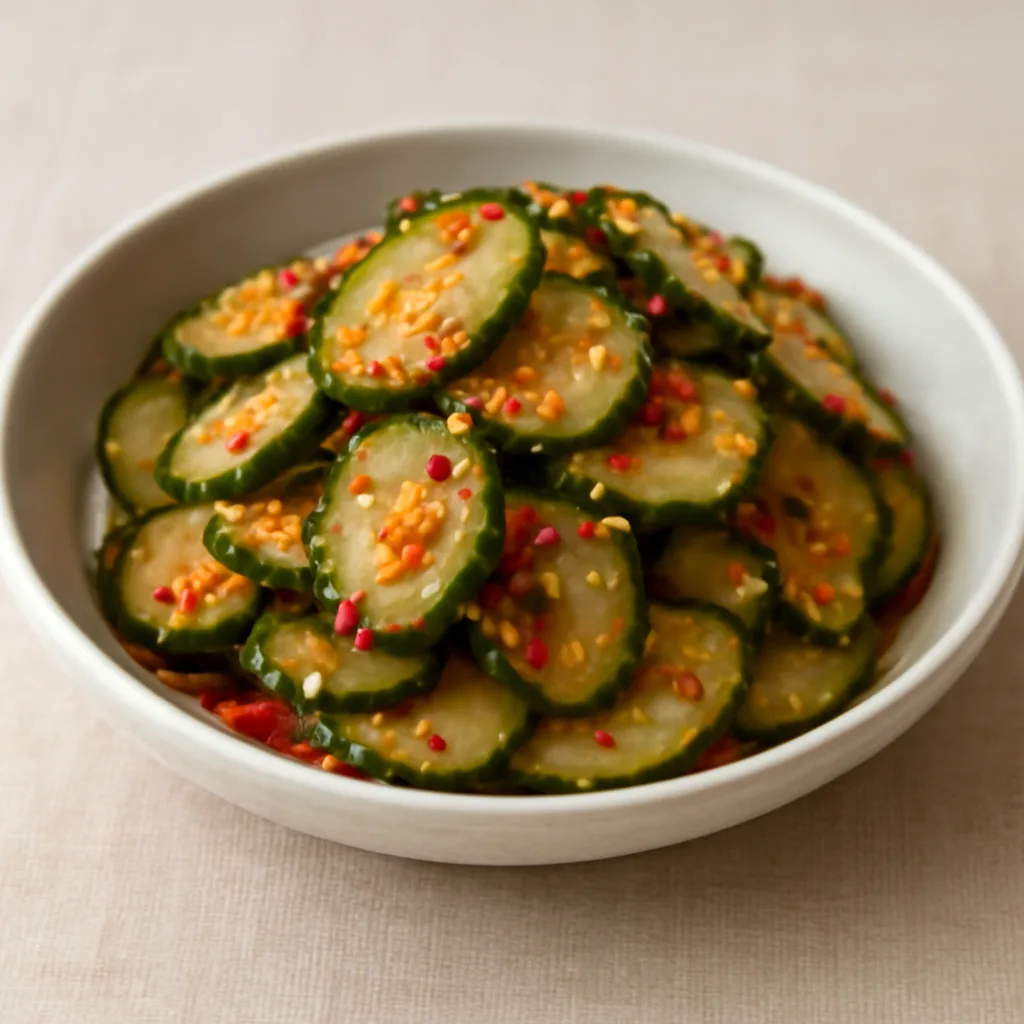
Theme guide
Check the selection criteria and cooking ideas for foods that match this theme.
The bright-tasting direction refers to adding acidity to enhance a dish’s impression, using citrus like lemon or lime, vinegar, tomatoes, or fermented ingredients. When acidity appears between sweetness, fattiness, and saltiness, the taste boundary becomes clearer, opening up options from salads to grilled dishes, noodles, and seafood. The core of this theme is not to force the ingredients to be sour, but to adjust the position and amount of acidity to suit the main ingredient’s flavor. If a single bite leaves the mouth with lingering acidity, it may be better to add a small amount of sweetness, fat, or moisture to balance. It pairs well with a light hot meal, side dishes for fatty main dishes, or meals with multiple courses that need a flavor transition. However, for meals with deep, heavy flavors or menus for those sensitive to刺激, it may be appropriate to use milder fragrant ingredients rather than strong vinegar or citrus juice.
Well-suited for these people
- It works well when you want to offset very flavorful fried, grilled, or cream-sauce dishes.
- Suitable for people who want to clearly taste the flavors of plain ingredients like vegetables, fish, or chicken.
- Great for creating changes on the table by quickly making a dressing, sauce, or marinade in a short time.
- If you don’t prefer sour flavors themselves or cooking for a child, it is better to serve acidity as a separate side sauce rather than as the main ingredient.
Food Selection Guide
- If the dish feels oily or heavy, try direct acidity options like lemon juice, vinegar-based sauces, or pickled vegetables to balance the lipids.
- If the ingredients themselves are sweet, such as tomatoes, carrots, or fruits, acidity can become more pronounced, so start with a small amount of acidic ingredient and taste before increasing.
- For warm stir-fries or grilled items, finishing with citrus juice or vinegar can leave a fragrance; for cold salads, you can toss dressing in advance to evenly distribute flavors.
- In dishes with strong spices or fermented aromas as the main scent, avoid layering multiple acids, choose one as the primary acidity (vinegar, citrus, or fermented ingredients) to prevent flavor muddiness.
- If a single spoonful of acidity makes the broth taste dull, add vinegar or citrus juice gradually in individual bowls rather than pouring a lot into the pot.
Frequently paired ingredients
- Citrus like lemon, lime, or yuzu can be used for both juice and zest; use zest sparingly for aroma and add juice when acidity is needed.
- Vinegars such as rice vinegar, apple cider vinegar, or wine vinegar can vary in aroma and sharpness, so start with milder vinegars for delicate-colored dishes.
- Tomatoes, citrus, apples, and pineapples, which carry acidity, also add moisture and sweetness, so in sauces that should not become too thin, add them in portions.
- Ingredients that combine acidity and saltiness like pickles, pickled vegetables, and fermented pastes can quickly raise the seasoning, so adjust salt or soy sauce after adding them.
- Olive oil, sesame oil, yogurt, or mayonnaise are creamy elements that can soften the edges of acidity, but consider that they may emphasize richness over freshness.
Compatible cooking methods
- Mixing raw vegetables or making salad dressings directly brings acidity and aroma most straightforwardly.
- Grilling and pan-frying deepen the savory notes before adding citrus juice or vinegar to create a clear contrast, so acidic ingredients are generally added at the finish.
- Pickling to let acidity permeate vegetables is great for sides; if the pickling liquid feels too strong, dilute with water or a touch of sweetness and adjust again.
- Cold noodles or cold dishes benefit from pre-mixed acidic seasonings to stabilize flavors, but water release from vegetables over time can dull taste, so toss just before serving.
- When adding acidity to soups or stews, flavors can change during simmering, so if you want to preserve the aroma of acidity, turn off the heat and add gradually.
Tips for beginners
- Start with a very small amount of acidic ingredient per serving, and taste before adding more.
- If the dressing is too sharp, instead of piling on salt to cover the sourness, try adding more fat or a touch of sweetness to balance texture.
- If citrus juice makes fish or vegetables soften or release too much moisture, add it just before finishing cooking or serve the sauce separately next time.
- When heating vinegar, if the scent is too strong, reduce heat or remove from heat before adding, then add only as needed after tasting.
- When using multiple acidic ingredients on one plate, focus on one primary acid (lemon juice, vinegar, or pickles) rather than all of them strong.
Menu Composition Tips
- Pair a fatty main dish with a tangy salad, pickled vegetables, or citrus sauce to create contrast across the plate.
- When centering on brightness, keep main, side, and sauce from tasting too sour; balance by keeping one or two components savory or mild.
- If a salad uses citrus dressing, add other aromas like roasted ingredients or herbs to the main dish to prevent the same acidity from repeating.
- With guests who have different sourness preferences, start with a gentle baseline and let each person adjust with vinegar, lemon wedges, or spicy pickles.
- When serving warm and cold dishes together, cold pickles or salads should be kept for the end to maintain texture and prevent moisture buildup.
Foods included in this theme
Here are the foods included in this theme, sorted by views from CookPagoda's public food.