Zutaten-Enzyklopädie
Überprüfen Sie die Eigenschaften der Zutaten und wie sie in der Küche verwendet werden.
Miesmuschel
2
2
Mussels are a shellfish ingredient that uses both the meat inside the shell and the savory broth released during cooking. They pair especially well with soups, stews, pastas, and steaming dishes that have a liquid component or require moisture, and it’s important to cook them briefly to maintain a firm texture. Fresh mussels are usually tightly closed or close when lightly tapped. Broken shells or ones that do not respond even when opened should be removed, and anything that doesn’t open after cooking should be discarded as practical. The saltiness of mussels themselves and the seawater flavor that leaches out during cooking affect the broth. Rather than adding a lot of salt or fish sauce from the start, taste the broth after the mussels open and adjust the seasoning to keep the saltiness in check.
Geschmack und Textur
Mussels have a subtle sweetness, a salty ocean aroma, and a deep umami flavor. When cooked properly, the meat is soft yet elastic, but overcooking causes loss of moisture, making it tough and small. Cooking them in the shell not only enhances the meat flavor but the shellfish broth also deepens the overall dish. On the other hand, because their oceanic aroma is strong, in very delicate cream sauces or clear broths, using too much can overpower other aromas.
Hauptverwendungszweck
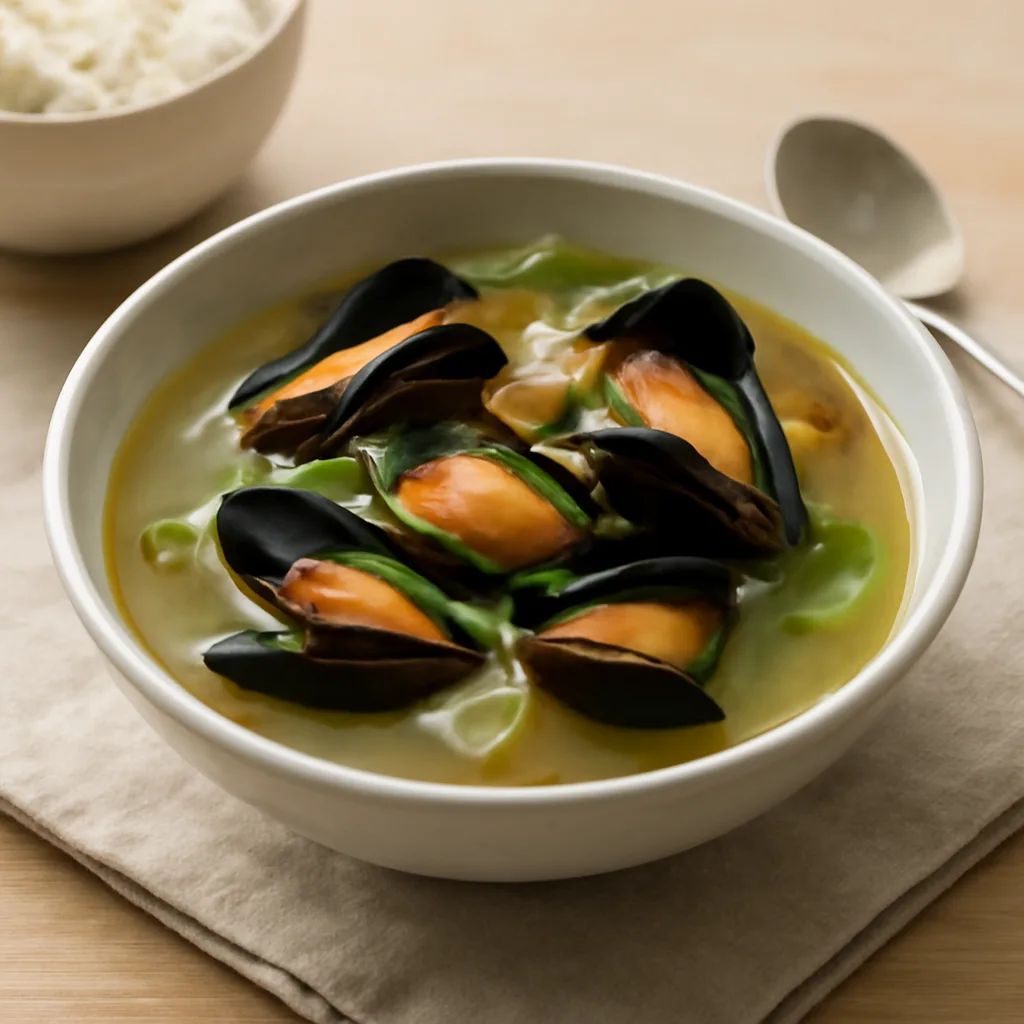
- For mussel soup or clear broths, add water, daikon, and scallions or other mild aromatics to highlight the fresh mussel broth.
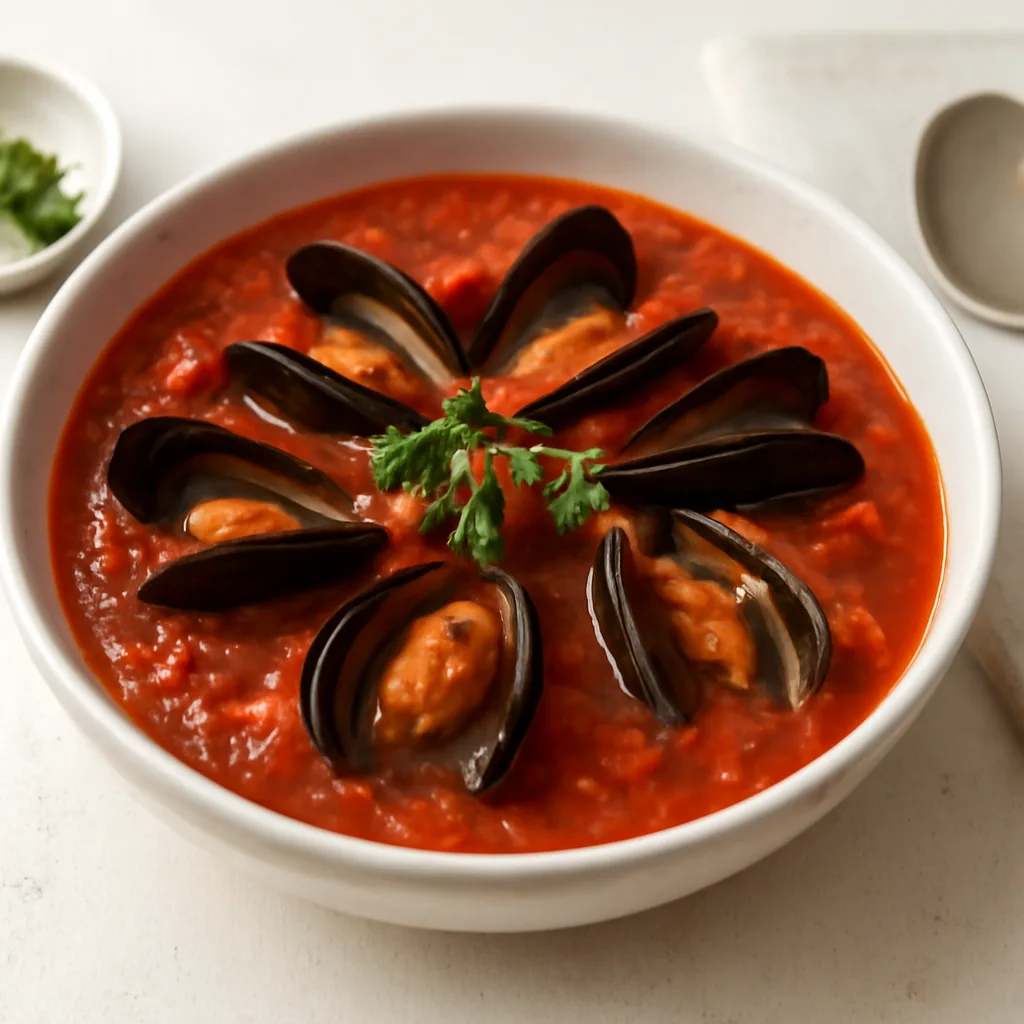
- For pasta with tomato sauce or a white wine base, steam the mussels in the shell and use both the opened mussels and the resulting broth in the sauce.
- In stews or hotpots, add at the end with a brief cook to enrich the broth while preventing the meat from becoming tough.
- For steaming dishes, cook with garlic, onion, and herbs, then turn off the heat as soon as the shells open to use the shellfish juices as a sauce.
Vorbereitungstipps
- Scrub the mussel surfaces under running water and remove the beard by holding the shell with one hand and pulling the beard with the other. Do not twist the beard forcefully as it can damage the meat; pull with a short, firm motion.
- As you rinse, Mussels that have opened slightly should be tapped to check responsiveness. If they do not close again, do not keep for cooking and discard.
- If there is a lot of sand or impurities, rinse with cold water several times, but do not soak for long. Soaking for too long can dilute flavor and release unnecessary water during cooking.
- When adding to a broth, do not immediately pour in the soaking water from rinsed mussels; if needed, strain and check for sand before using.
Besonderheiten beim Kochen
- Cook mussels over high heat with the lid on; the shells will open and release moisture and umami. If the bottom of the pan becomes dry, add a small amount of water, broth, or wine to create steam before scorching.
- When you start to see opened shells, remove them with tongs first or reduce the heat. If you cook them too long after all open, the meat that opened first will contract and become chewy.
- Because the broth can be salty, taste it before adjusting the sauce or stew. If the broth is too salty or opaque, ladle out only what is needed and balance with additional stock or water.
- For cream or butter sauces, briefly cook the mussels first, then remove, and add back to finish the sauce to avoid separation or overcooking.
Gut passende Kombinationen
- Vegetables that form a flavor base like garlic, onion, scallion, and celery help calm the sea aroma of mussels and complement the broth’s flavor.
- The acidity of tomatoes, the brightness of lemon, and the fresh scent of white wine pair well with the mussel’s umami, but adding too much or too early can make the dish overly salty.
- Spicy notes like chili, pepper, or Thai chili work well in mussel soup and steaming dishes. If you want the mussel aroma to be the focus, use less strong chili oil or spices.
- For pasta, pair with olive oil and herbs, or add daikon or tofu for lighter flavors in clear broths.
Hinweise zum Ersetzen
- If the goal is the broth’s shellfish umami, you can substitute clams or geoduck, but their size, salinity, and cooking times differ, so adjust by tasting the broth as you go.
- Shell-on substitutes like littleneck or manila clams work naturally for steaming or pasta, but the visual and texture impact of large shells will differ.
- If the aim is to boost seafood flavor, you can use shrimp or squid, but the distinct salty umami of shellfish broth will weaken. In that case, adjust the broth or tomato sauce seasoning separately.
- Because mussels are the main ingredient, substitutions can change the character of the dish; if you must avoid shellfish, consider adjusting to a different style centered on mushrooms, tofu, or vegetables rather than trying to force a shellfish-flavored dish.
Zutaten, die häufig zusammen in echten Gerichten verwendet werden
Basierend auf der Häufigkeit der gleichzeitigen Verwendung von Hauptzutaten in den bei CookPagoda registrierten öffentlichen Gerichten.
Gerichte, in denen diese Zutat verwendet wird
Wir zeigen Ihnen die Gerichte, in denen diese Zutat als Hauptzutat enthalten ist, nach Aufrufzahlen sortiert.