Zutaten-Enzyklopädie
Überprüfen Sie die Eigenschaften der Zutaten und wie sie in der Küche verwendet werden.
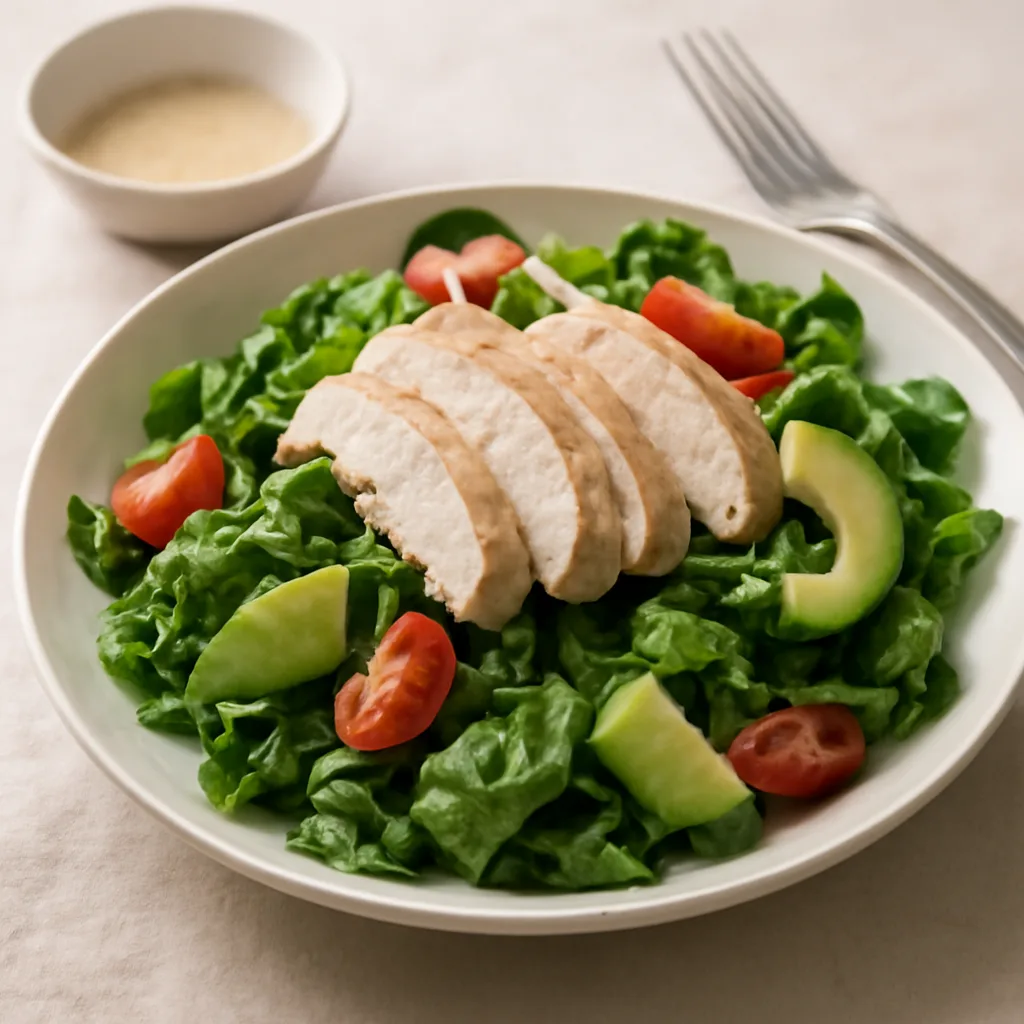
Kopfsalat
1
2
Lettuce can be eaten raw or briefly heated, useful to add fresh volume and crisp texture to salads. Its leaves are wide and juicy, so they wrap dressing, meat, and stir-fry ingredients well. Most lettuces have a mild, clean flavor rather than strong aroma, making them good to support salty cheeses, grilled meats, and tangy sauces with bold flavors. However, the leaves themselves can be relatively subtle, so they are not ideal as a main ingredient in soups or long-simmered dishes that require deep flavors. Discard outer leaves that are wilted or damaged, and choose leaves that are firm with minimal browning on the cut edge for best texture when eaten raw. After washing, be sure to dry thoroughly, as moisture left on the leaves can make dressing watery and cause excessive moisture when sautéing.
Geschmack und Textur
Lettuce has a gentle sweetness and a fresh vegetable aroma, with a slight bitterness depending on variety and freshness. It does not have a strong scent, so it does not overpower other ingredients. Raw leaves are cold, crisp, and juicy. If heated for too long, cell structure breaks down quickly, becoming soft and damp, so for crisp texture it is better to add at the end or serve raw.
Hauptverwendungszweck
- Use as the basic leafy vegetable in salads, lightly tossing with oil-and-vinegar-based dressings or creamy dressings. If dressing is added too early, the leaves wilt quickly, so mix just before eating.
- Use as outer wrap for wraps or rolls to enclose grilled meat, sautéed minced meat, or rice with sauce. If leaves are too small or torn, they can burst with moisture from the filling, so choosing larger outer leaves is convenient.
- Add to sandwiches and burgers to create a crisp contrast between the soft bread and meat. If placed hot patty on top, it can wilt quickly, so best to add just before assembling.
- For high-heat stir-fry or noodles, add at the end just to wilt lightly. Prolonged frying can cause the lettuce moisture to release into the pan and thin the sauce.
Vorbereitungstipps
- Tear leaves one by one and rinse under running water, checking for dirt or debris between leaves. Rinse quickly rather than soaking for long, and dry thoroughly to maintain crispness.
- If finely chopped with a knife, the cut surfaces increase and leaves can become mushy, so for salads it's better to tear by hand into bite-sized pieces. For sandwiches requiring neat shape, cut with a knife into wide pieces and use immediately.
- Soak briefly in cold water and drain completely to revive limp leaves to some extent. Leaves that are slimy or smell off should be discarded rather than revived.
- When adding to stir-fry, do not cut leaves too small; prepare large pieces. Small pieces can collapse quickly and lose presence in the pan.
Besonderheiten beim Kochen
- Lettuce loses moisture and shrinks in volume the longer it is heated. If water pools on the pan bottom during sautéing, raise heat and instead of cooking longer, add the lettuce at the end, toss briefly, and finish immediately to avoid sogginess.
- Searing over high heat for a short time softens only the edges while some light texture remains in the center. Conversely, covering the pan or adding a lot at once steams it, resulting in a softer texture rather than crunch.
- Salt can increase the rate at which moisture leaves the leaves. For raw salads, add salt and acidic dressing just before eating; for sautéing, balance the flavors of the other ingredients first, then add lettuce.
- When added to hot broth, it softens quickly and can be used as finishing greens for clear soups or noodle dishes. However, simmering for a long time weakens color and texture, so it is not suitable for textures that require chewing.
Gut passende Kombinationen
- Using fragrant oils like olive oil or sesame oil with acids such as vinegar or lemon juice helps bring out the lettuce's mild flavor. If the dressing is strongly acidic, add separately so it doesn’t wilt the leaves too quickly.
- Pair with grilled chicken, pork, or beef to cut the fatty richness of the meat. Since lettuce itself is mild, adding texture or aroma with nuts, cheese, herbs, or spicy sauces helps balance the dish.
- It pairs well with raw vegetables like cucumber, tomato, and onion, but if you mix highly watery ingredients all at once, liquid may pool at the bottom of the salad. In this case, add tomatoes just before serving or serve separately.
Hinweise zum Ersetzen
- In salads, you can substitute romaine, butterhead, or the lighter leaves of cabbage, but texture and dressing absorption will differ. For crunch, choose romaine; for softer leaf texture, butterhead varieties are closer.
- For wraps or rolls, you can use large cabbage leaves, romaine, or blanched perilla leaves. Note perilla has a much stronger aroma and cabbage differs in moisture and thickness, so adjust filling and sauce quantities accordingly.
- If lettuce is not available for stir-fry or broth dishes, substitute with bok choy, cabbage, or spinach. Bok choy and cabbage hold their shape longer when cooked, but spinach wilts faster, so add later.
Zutaten, die häufig zusammen in echten Gerichten verwendet werden
Basierend auf der Häufigkeit der gleichzeitigen Verwendung von Hauptzutaten in den bei CookPagoda registrierten öffentlichen Gerichten.
Gerichte, in denen diese Zutat verwendet wird
Wir zeigen Ihnen die Gerichte, in denen diese Zutat als Hauptzutat enthalten ist, nach Aufrufzahlen sortiert.