Zutaten-Enzyklopädie
Überprüfen Sie die Eigenschaften der Zutaten und wie sie in der Küche verwendet werden.
Makrele
1
2
Mackerel is a relatively fatty, oily, blue-backed fish, suitable for grilling, braising, steaming, and soups. The flesh has a distinct flavor, so even simply grilled with salt is satisfying, but it also pairs well with salty, flavorful sauces like radish, gochujang, and soy sauce. When cleaned, the thickness on the skin side and the belly side can differ, so the cooking speed may vary. When the flesh becomes opaque and can be easily torn along the grain with chopsticks, it is generally cooked through, so lowering the heat or finishing the cooking at that point helps retain moisture. Because mackerel has a strong flavor, using very delicate sauces like plain white fish can cause the fish taste to be overwhelmed by the sauce. Conversely, if you want to highlight the strong fish flavor, pairing with aroma-stripping ingredients such as lemon, ginger, garlic, and scallions is practical.
Geschmack und Textur
Mackerel has a rich, nutty fish flavor, with a fatty, oily feel depending on the part. When cooked, the flesh is soft and flakes well, but overcooking can cause moisture to escape and the edges to become dry. If you fry the skin to a golden brown, you get a crunchy texture and roasted aroma; braising yields juicy, tender flesh that has absorbed the seasoning. If a fishy odor is prominent, don’t assume the fish is spoiled; it may be influenced by blood, surface moisture, or oil released during cooking, so it’s better to adjust trimming and cooking method first.
Hauptverwendungszweck
- Salt-season the fish and cook it skin-side down on a pan or grill, serving with rice as a representative method. If the skin easily separates from the pan, it may not be fully cooked yet, so wait until the edges are golden before flipping rather than forcing a turnover.
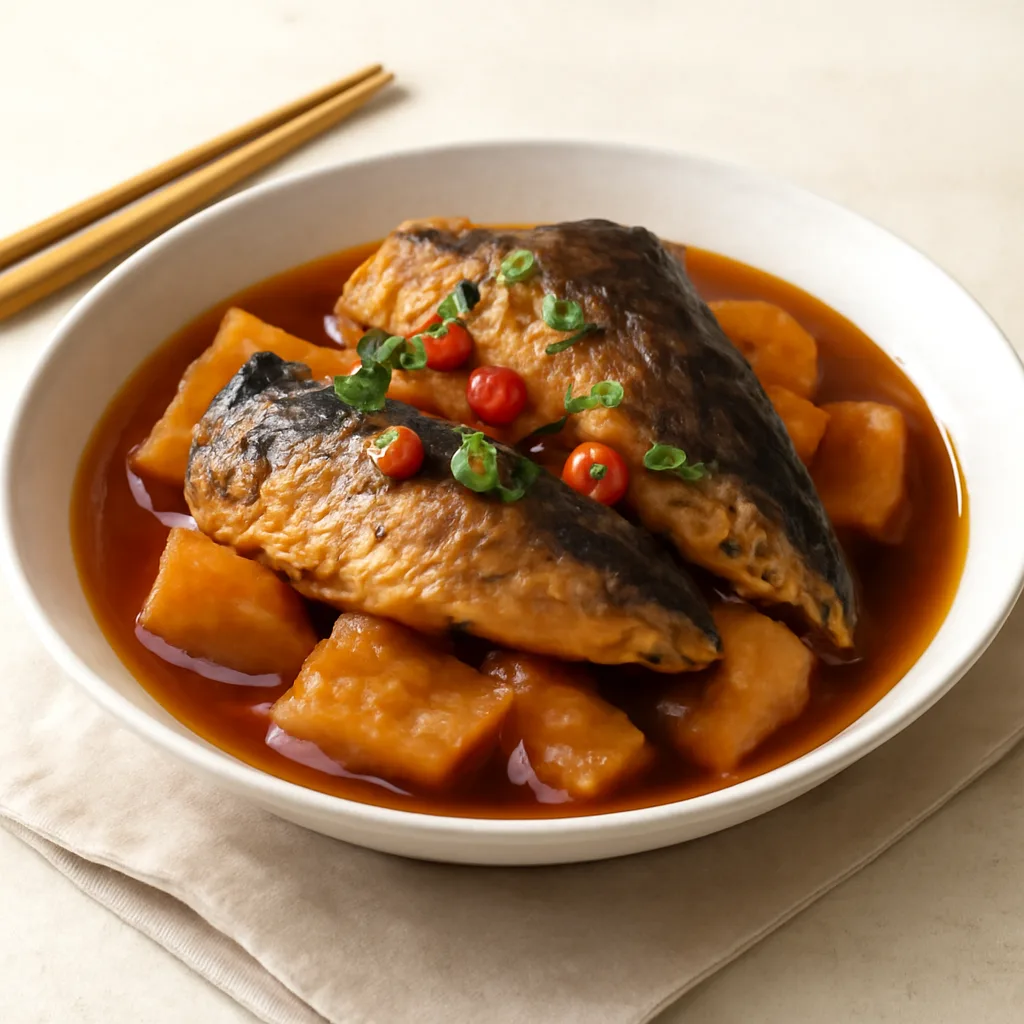
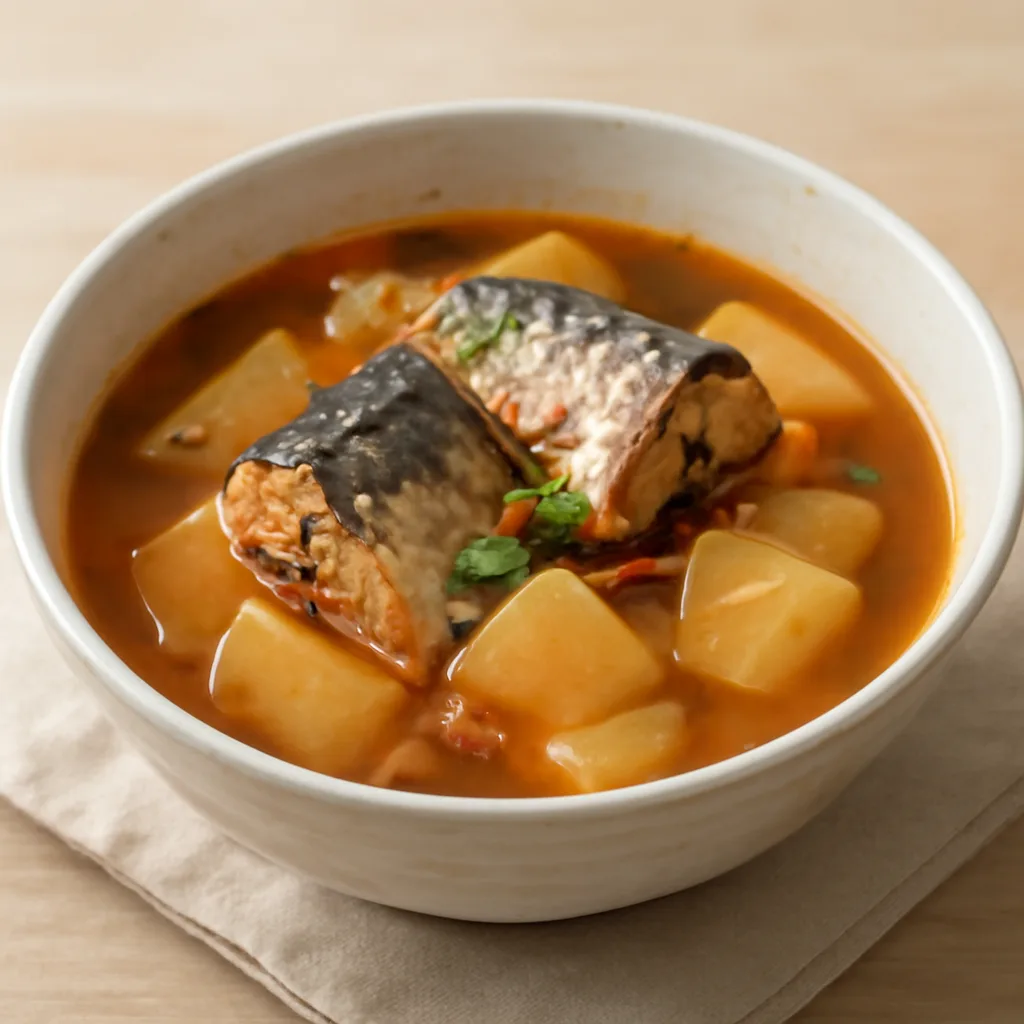
- If braised with radish, onion, and green onion in soy sauce or gochujang, you can use it as mackerel braised in soy sauce. Before the radish becomes soft enough, long simmering can cause the fish to fall apart, so it’s advantageous to cook the radish first and then add the fish.
- You can add it to miso or clear broth to make a soup or stew. To deepen the broth, avoid boiling vigorously for long periods, as the fish may fall apart and oil may spread too much; once the fish is added, keep at medium-low heat.
- Roast mackerel meat can be picked and used as an ingredient for fried rice, kimbap, or bibimbap. If small bones remain, it’s inconvenient to eat, so ensure it is fully cooked and remove the big bones and side bones along the bone direction.
Vorbereitungstipps
- Pat dry with paper towels the surface moisture and residual blood from the refrigerated or thawed mackerel. If moisture remains, oil may splatter and the skin may become soggy, which is especially important when aiming for a crispy fry.
- Salt should be added just before cooking or left only briefly; if surface moisture forms after salting, wipe again before frying to promote more even browning.
- To reduce fishy odor, use ginger, cooking wine, pepper, garlic, and scallions according to the recipe. However, using too many strong aromatics can mask the mackerel’s nutty flavor, so for simple dishes like salt-grilled fish it’s best to limit to one or two.
- Braised chunks should not be flipped too often. Once the flesh becomes tender, using a wider turner rather than tongs helps prevent surface damage.
Besonderheiten beim Kochen
- Pan-frying should start by thoroughly cooking the skin side to prevent sticking and for easier flipping. When the skin edges contract and lift and darken in color, it’s close to flipping time.
- The oil from mackerel adds flavor, but too much oil in the pan can feel over-fried or prevent the skin from browning evenly. If there is a lot of oil, skim off some mid-way and keep the heat at medium.
- In braising, the flavors soak into the flesh as the sauce boils, but long vigorous boiling can cause chunks to break apart. After the broth comes to a boil, keep it simmering gently with the lid slightly ajar to help maintain shape.
- Using acidic ingredients can lighten the fatty impression. However, adding vinegar or lemon juice too early can make the aroma fade or taste sharp, so it’s better to add at the final stage for grilling.
Gut passende Kombinationen
- Radish yields a soft, rich flavor as it absorbs fish oil and seasoning in mackerel braise, and green onions and onions add sweetness and aroma.
- A little lemon, yuzu, or vinegar helps balance the oily taste. However, adding too much acidity to braises with strong pastes like gochujang or doenjang can disrupt balance.
- Ginger, garlic, and fresh chili (cheongyang pepper) complement the mackerel’s strong aroma, but for plain grilling that doesn’t want heat, keep to simple options like pepper and lemon.
- Side dishes that are mild, such as rice, seaweed, or fresh vegetables, suit the mackerel’s flavor well.
Hinweise zum Ersetzen
- For grilled or braised dishes that rely on the fish’s fatty flavor and tender flesh, spanish mackerel or saury can be relatively close substitutes. However, saury flesh may feel softer, and saury has different aroma and bones, so cooking times cannot be applied identically.
- If you substitute another fish in broth-based dishes, adjust the amount of seasonings and aromatics to match the oiliness of the fish. Substituting a lean white fish may make the broth feel lighter with the same amount of seasoning.
- For dishes like mackerel braised with radish and strong seasonings, you could use a cut of hairtail or saury, but since the thickness of the fillet and the firmness differ, you should adjust the radish cooking time and when you add the fish.
Zutaten, die häufig zusammen in echten Gerichten verwendet werden
Basierend auf der Häufigkeit der gleichzeitigen Verwendung von Hauptzutaten in den bei CookPagoda registrierten öffentlichen Gerichten.
Gerichte, in denen diese Zutat verwendet wird
Wir zeigen Ihnen die Gerichte, in denen diese Zutat als Hauptzutat enthalten ist, nach Aufrufzahlen sortiert.