Zutaten-Enzyklopädie
Überprüfen Sie die Eigenschaften der Zutaten und wie sie in der Küche verwendet werden.
드라지
1
1
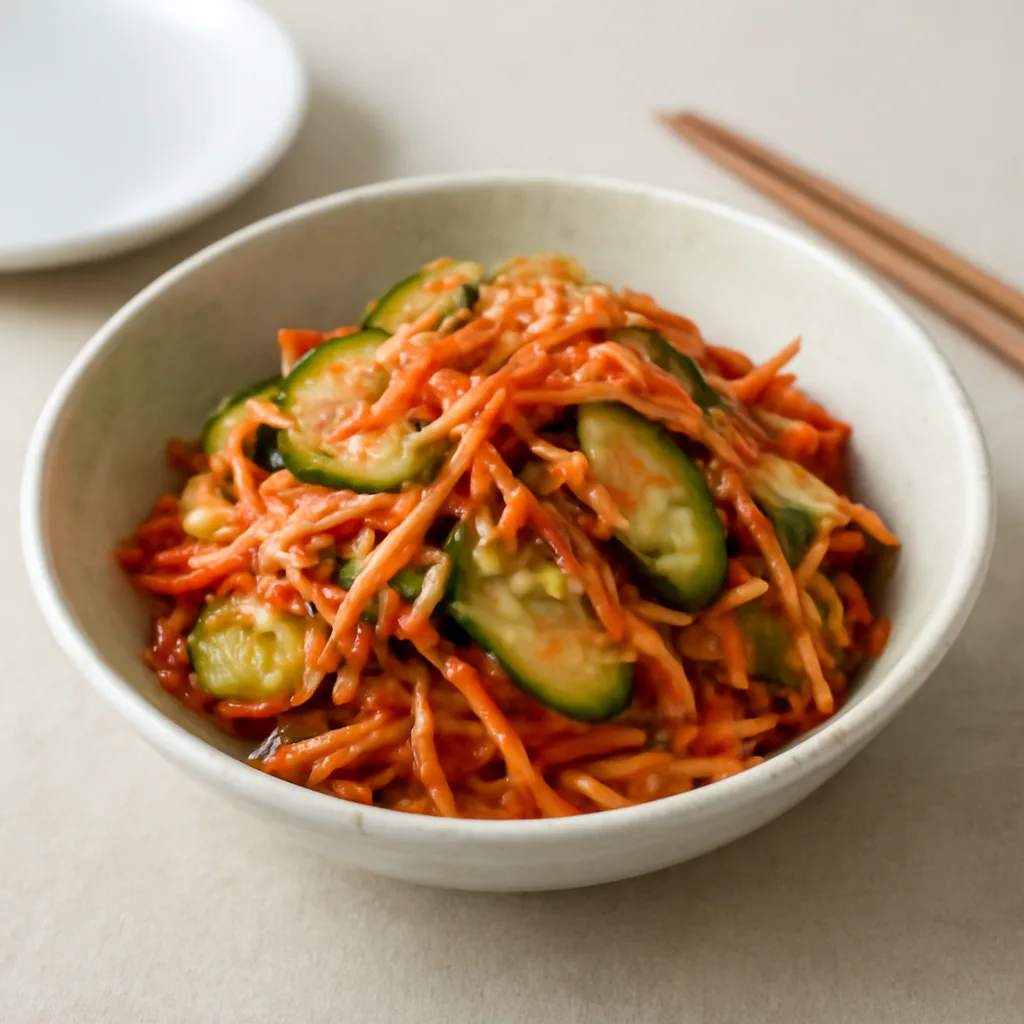
Doraeji (歸) is a root of the bellflower plant, used in Korean dishes as namul, muchim, stir-fry, and soups. Skimming or shredding the prepared roots is common; whether you highlight or reduce its characteristic bitter and astringent notes greatly affects the result. Usually the bitterness is adjusted by rubbing with salt and washing or soaking in water, then seasoning. It pairs well with a bold flavor when made like doraji muchim with gochujang or gochugaru, and is also suitable for clear soups or simple side dishes where the root's aroma remains with a light seasoning. If the dish aims to showcase the natural bitterness, do not stew it too long.
Geschmack und Textur
Doraji has a gentle earthy aroma and a root-vegetable character, with a lingering bitter aftertaste. When rubbed with salt or soaked in water, the sharp bitterness eases but the aroma does not disappear completely. Raw, it is firm with fibrous texture; a short blanch or quick stir-fry softens it while preserving some chew. If cooked too long, the grain can break down and the texture may become mushy.
Hauptverwendungszweck
- Slivered doraji tossed with chili pepper flakes, gochugaru, vinegar, sesame oil, etc., to make a bright, sour-spicy namul.
- After salting to reduce bitterness, stir-fry into a bland root aroma for namul side dishes that keep a comfortable bite.
- Add to bibimbap or various namul dishes to create color and texture contrast.
- When used in clear soups or broths, season lightly and add at the end so as not to overpower other ingredients and to avoid over-mashing.
Vorbereitungstipps
- If the skin remains or the root is thick, tear along the grain or slice thinly so seasoning distributes evenly and it is easier to eat.
- When slicing, sprinkle with salt and let it sit to release moisture and soften; rinse under cold water several times. This helps reduce bitterness, but if handled too harshly or for too long, aroma and crunchiness can be weakened.
- If further bitterness is desired, soak the prepared doraji in water and taste before use. If bitterness has already softened, avoid soaking longer and squeeze out moisture well so the seasoning won’t thin out.
- For namul, squeeze out excess moisture after rinsing; for stir-fry, parboil briefly if needed and drain. Excess surface moisture can make seasoning runny and push the result toward steaming rather than stir-frying.
Besonderheiten beim Kochen
- Replace long, high-heat frying with medium heat for a shorter time to keep the texture intact. When moisture begins to appear in the pan, finish quickly with seasoning rather than adding more cooking time.
- Boiling softens texture and mellows bitterness, but overboiling can dull the color and make it fragile, reducing the characteristic chew in namul or stir-fry.
- Thick, viscous seasonings (like gochujang) cling well to the doraji surface, but using too much from the start can obscure the root’s aroma and bitterness. It’s more reliable to mix a small portion first and adjust later.
- Frying with oil rounds out aroma and softens bitterness, but too much oil makes it heavier rather than crisp, fresh-namuly.
Gut passende Kombinationen
- Garlic, green onion, sesame oil, and sesame seeds complement the root aroma without dulling it, adding a nutty finish.
- A combination of gochugaru, gochujang, and vinegar provides contrast between bitterness and bright-sour flavors, well-suited for namul.
- When cooked with umami-rich ingredients like beef or mushrooms in broth, the doraji’s bitterness is gentled.
- Cucumber or pear, which contain moisture and sweetness, balance fresh cuts or namul; however, they release water over time and can thin the seasoning, so mix just before eating.
Hinweise zum Ersetzen
- Replacing doraji’s bitter root aroma and texture exactly is rare; substitution should depend on dish purpose.
- For namul or bibimbap where crisp vegetable texture is desired, use deodeok, burdock, or carrot (thinly sliced). Deodeok has a stronger aroma; burdock is fibrous and sweet, giving different flavor even with the same seasoning.
- In broth-based dishes needing a mild root presence, consider radish or burdock, but the unique doraji bitter finish won’t be reproduced.
- If avoiding bitterness altogether, instead of substituting, adjust salt rubbing and rinsing times to maintain the dish’s character.
Zutaten, die häufig zusammen in echten Gerichten verwendet werden
Basierend auf der Häufigkeit der gleichzeitigen Verwendung von Hauptzutaten in den bei CookPagoda registrierten öffentlichen Gerichten.
Gerichte, in denen diese Zutat verwendet wird
Wir zeigen Ihnen die Gerichte, in denen diese Zutat als Hauptzutat enthalten ist, nach Aufrufzahlen sortiert.