Themaleitfaden
Überprüfen Sie die Auswahlkriterien und Kochideen für Lebensmittel, die zu diesem Thema passen.
Südostasiatisches Essen
3
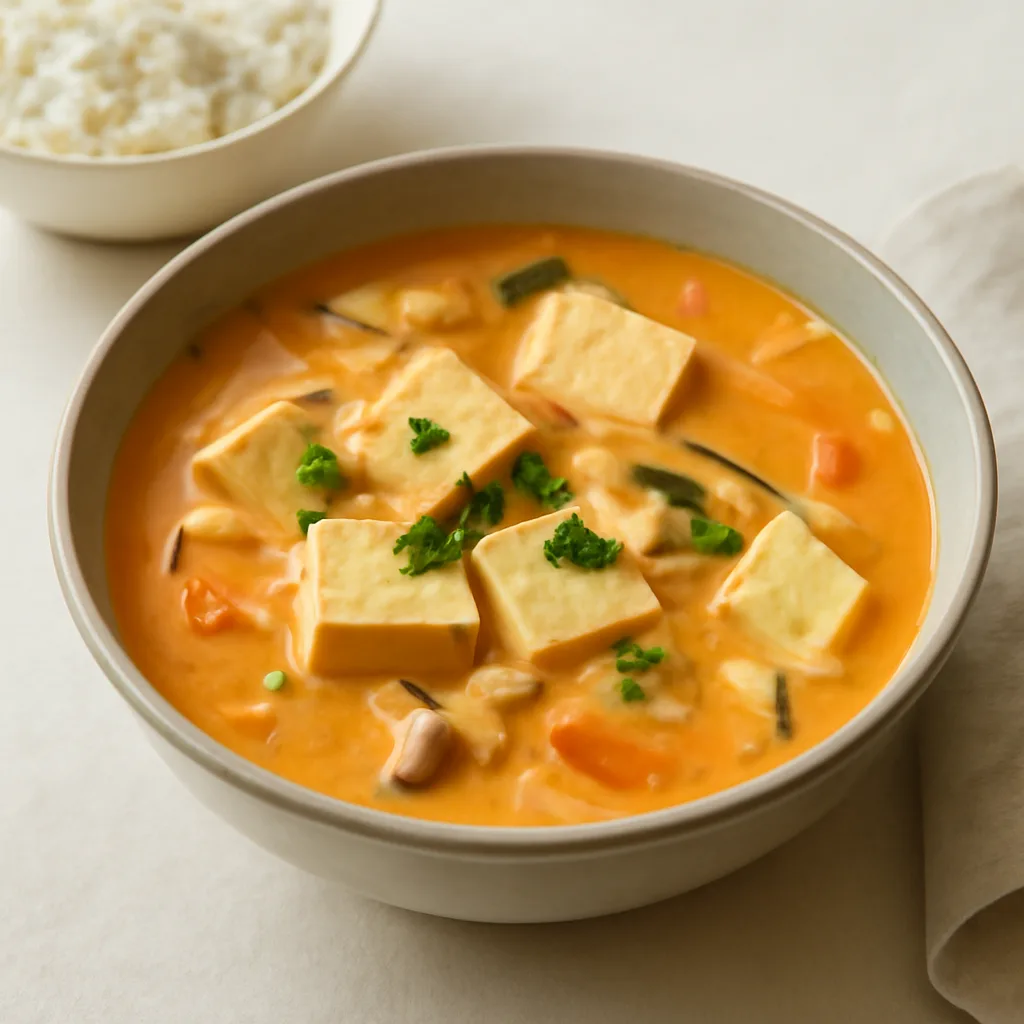
East and Southeast Asian dishes invite exploration of meals where a variety of regional spices, herbs, sauces, and fresh ingredients come together rather than a single preparation or uniform flavor. The impression changes with combinations like lime’s bright acidity, chili heat, fresh herbs, creaminess from coconut or peanut, and the umami of fish sauces. When choosing a menu, it’s helpful to first define the desired flavor focus. For a light and refreshing meal, look for dishes that highlight herbs, vegetables, and acidity; for a heartier meal, seek dishes with noodles, rice, or coconut-based sauces. If strongly scented ingredients feel heavy, opt for menus with fewer spices or more accompanying vegetables to widen your choices. Even with the same name, there can be soups, stir-fries, grilled items, salads, and rice/noodle-based dishes, so judging by spiciness alone can be misleading. If the sauce is thick and salty, pair it with plain rice or raw vegetables; for menus focused on acidity and aroma, add more protein or starch ingredients to balance the meal.
Geeignet für diese Personen
- People who want one of: bright and spicy flavor, fragrant herbs, or a strong sauce with a clear, pronounced taste.
- If you want a quick one-bowl meal on busy days, you can choose dishes where a staple and sauce are eaten together, like fried rice, noodles, or curry.
- In social gatherings, a configuration with a strong sauce or bold sides is convenient, but some menus may not suit those who do not want any spice aroma.
Leitfaden zur Lebensmittelauswahl
- If you see ingredients implying acidity such as lime, herbs, or pickled vegetables in the menu description, start with a dish where spiciness can be adjusted, and choose something with mild heat first.
- If you notice ingredients that add body, such as coconut milk, peanut sauce, or rich broths, check whether the dish includes plain rice or vegetables to keep the flavor from feeling heavy.
- Dishes centered on chilies, chili paste, or hot sauces can be very spicy, so if you’re not used to heat, offer only half the sauce or serve it separately.
- If you’re concerned about fish sauces or fermented sauces, don’t expect aromas to disappear completely after cooking; instead start with relatively fresh options that use lemon grass, lime, and herbs together.
Häufig kombinierte Zutaten
- Lime, lemongrass, cilantro, and other sour or fragrant ingredients can help define the sauce or broth; if the scent feels strong, adjust by adding a little at the end rather than increasing quantities early on.
- Chili, garlic, ginger, and shallots as aromatics form a flavor base when sautéed or crushed; if the scent becomes unbalanced, lower the flame and add liquid ingredients first.
- Coconut milk, peanuts, sesame seeds add a creamy texture to sauces, but too much can mask other aromas; pairing with a little acidity or herbs is an option.
- Rice, rice noodles or wheat noodles with vegetables and proteins like chicken, seafood, or tofu can be used together depending on the dish, often with just one protein and a few vegetables.
Passende Kochmethoden
- High-heat quick stir-frying is good for blending aromatics and sauces in a short time, but if the pan isn’t hot enough, ingredients release water and you may end up with a stewy result, so cook in batches.
- Soups or coconut-based dishes benefit from toasting spices first and then adding liquid to simmer; finish with herbs and lime juice to preserve aroma, as simmering long can dull it.
- Grilling or skewers benefit from thin layers of marinade applied multiple times to deepen flavor, but watch for sugary marinades that can darken quickly; grill on medium-low and simmer remaining marinade separately for use.
- For raw vegetables as a side or in salads, dress just before serving to minimize moisture; prep tips separate greens and dressing in advance.
Tipps für Anfänger
- In the beginning, using store-bought curry pastes or sauces is fine, but saltiness and heat intensity vary by product, so don’t add water or coconut milk all at once; adjust gradually while tasting.
- If lime juice or vinegar makes the acidity too sharp, balance with a touch of sweetness or a little more water, broth, or coconut to soften the bite.
- Overcooked noodles or clumping can result from cooking pasta too long or leaving the sauce on too long; cook noodles slightly under and toss at the end.
- Rather than buying a lot of spices at once, start with one or two items needed for the dishes you want to make frequently.
Tipps zur Menügestaltung
- Pair a strong main with a fresh, bright accompaniment to create flavor contrast, for example a coconut-based dish with light herbs, cucumber, and lime.
- When centering on spicy stir-fries or soups, prepare sides like rice, noodles, or greens to balance the heat and help portions taste right for everyone.
- For gatherings, keep the base preparation mild and offer chili sauces, lime, and herbs at the table to accommodate different tolerances.
- If planning both noodle and stir-fry dishes in the same meal, avoid overlapping cooking steps by making one a chilled or simple grilled side that can be prepared in advance.
Essen, das in diesem Thema enthalten ist
Hier sind die Speisen, die in diesem Thema enthalten sind, sortiert nach Aufrufen von CookPagoda.