Themaleitfaden
Überprüfen Sie die Auswahlkriterien und Kochideen für Lebensmittel, die zu diesem Thema passen.
The Mexican-themed dishes can be chosen by layering bright flavors like tortillas, beans, chiles, tomatoes, and lime to create a balanced plate. Rather than focusing only on heat, the balance of acidity, salt, richness, and the texture of fresh vegetables matters. Representative options include taco/burrito-style plates where the main ingredient is wrapped or piled in a tortilla, one-bowl compositions with beans and rice, and compositions with sides like salsa and guacamole. Within the same theme, the flavor weight varies greatly depending on the types and amounts of chilies and whether cheese or cream is used, so starting from the diner’s heat preference and meal format makes it easier to narrow the menu. When ingredients seem plentiful, having just one warm element, one fresh vegetable or salsa, and one acidic element ready first can set the direction. Conversely, piling many sauces and toppings at once can dilute flavors or make tortillas soggy, so it's better to separate the roles of each element.
Geeignet für diese Personen
- One-dish meals that let you enjoy the heartiness of meat or beans with the brightness of vegetables and lime are well suited.
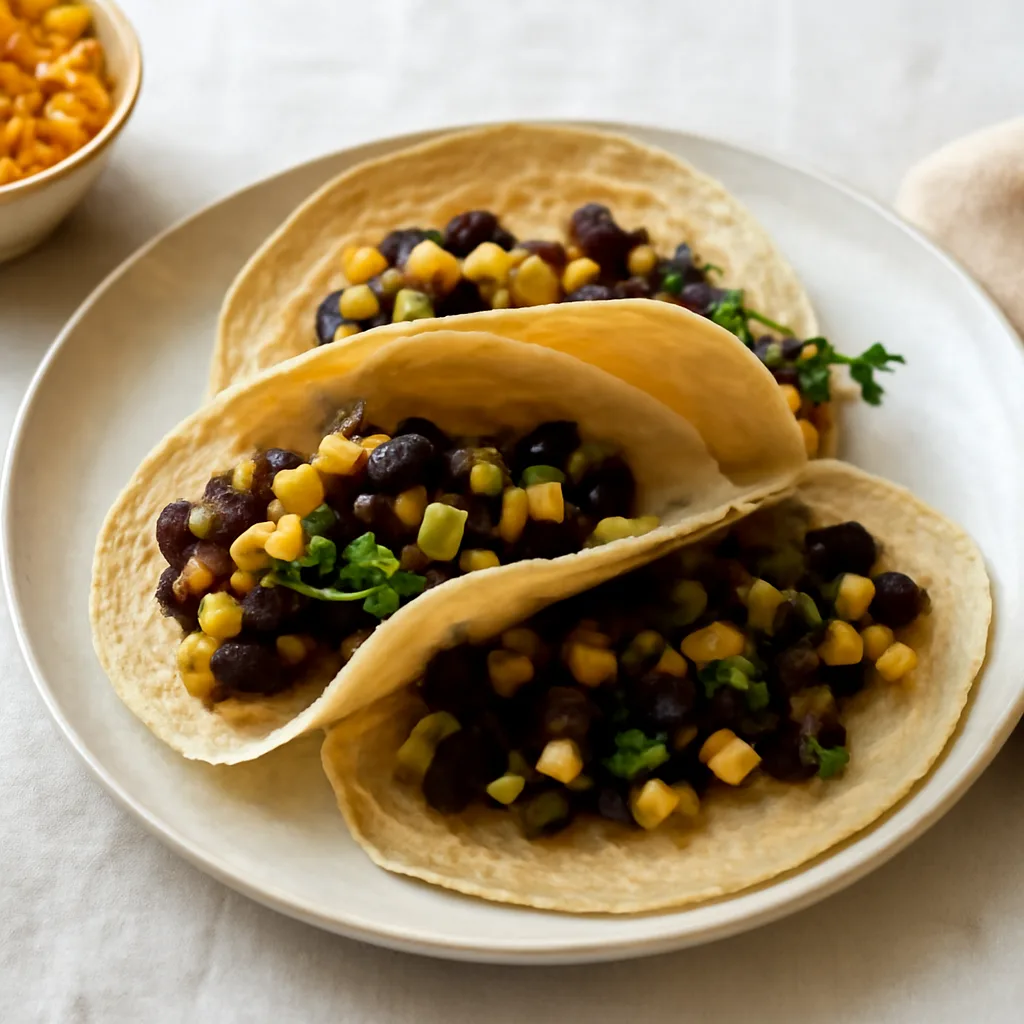
- If the group shares roles so each person adjusts meat, beans, salsa, and cheese, a build-your-own option like tacos is convenient.
- When someone isn’t used to spicy flavors, offer peppers separately as a salsa or hot sauce instead of cooking them into the dish to widen choices.
- For lighter meals, heavy crunchy tortilla chips or cheese-heavy compositions may feel too heavy; in that case, choose dishes centered on roasted vegetables and beans.
Leitfaden zur Lebensmittelauswahl
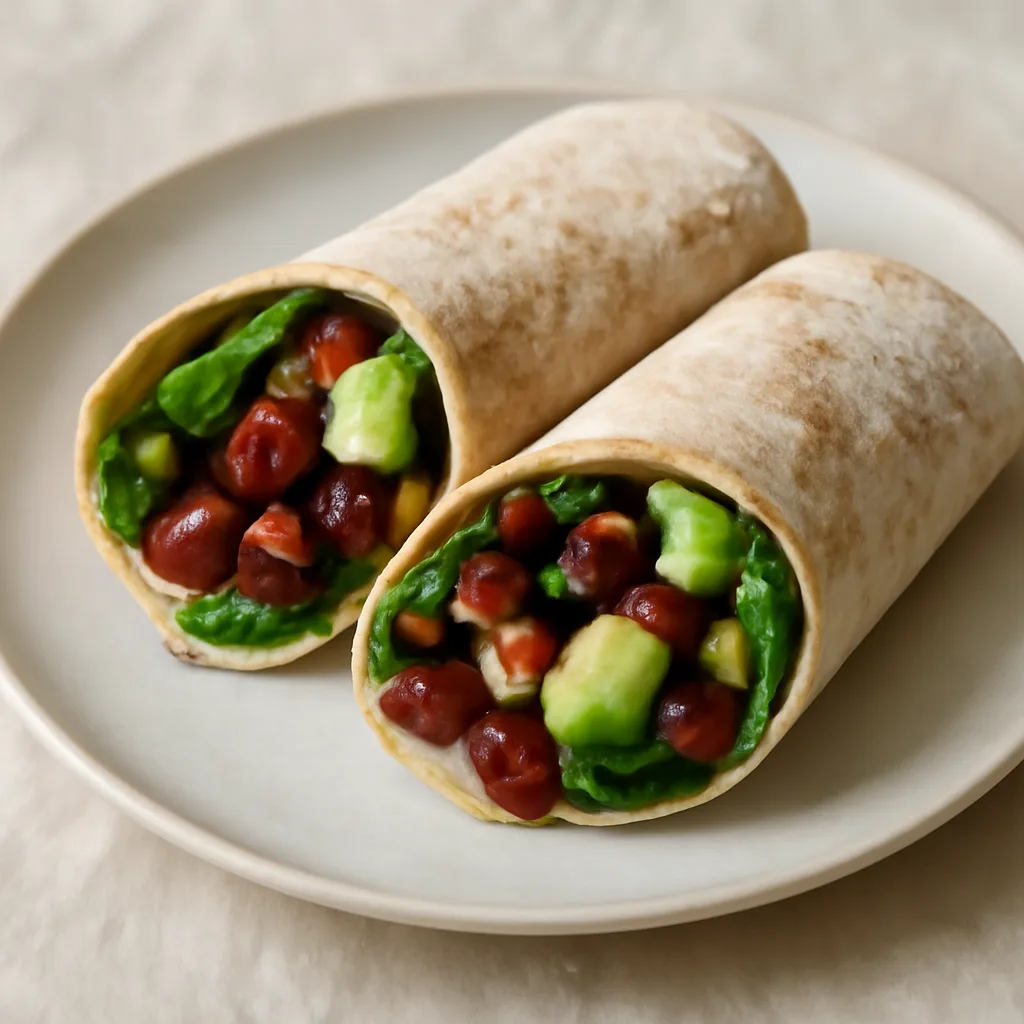
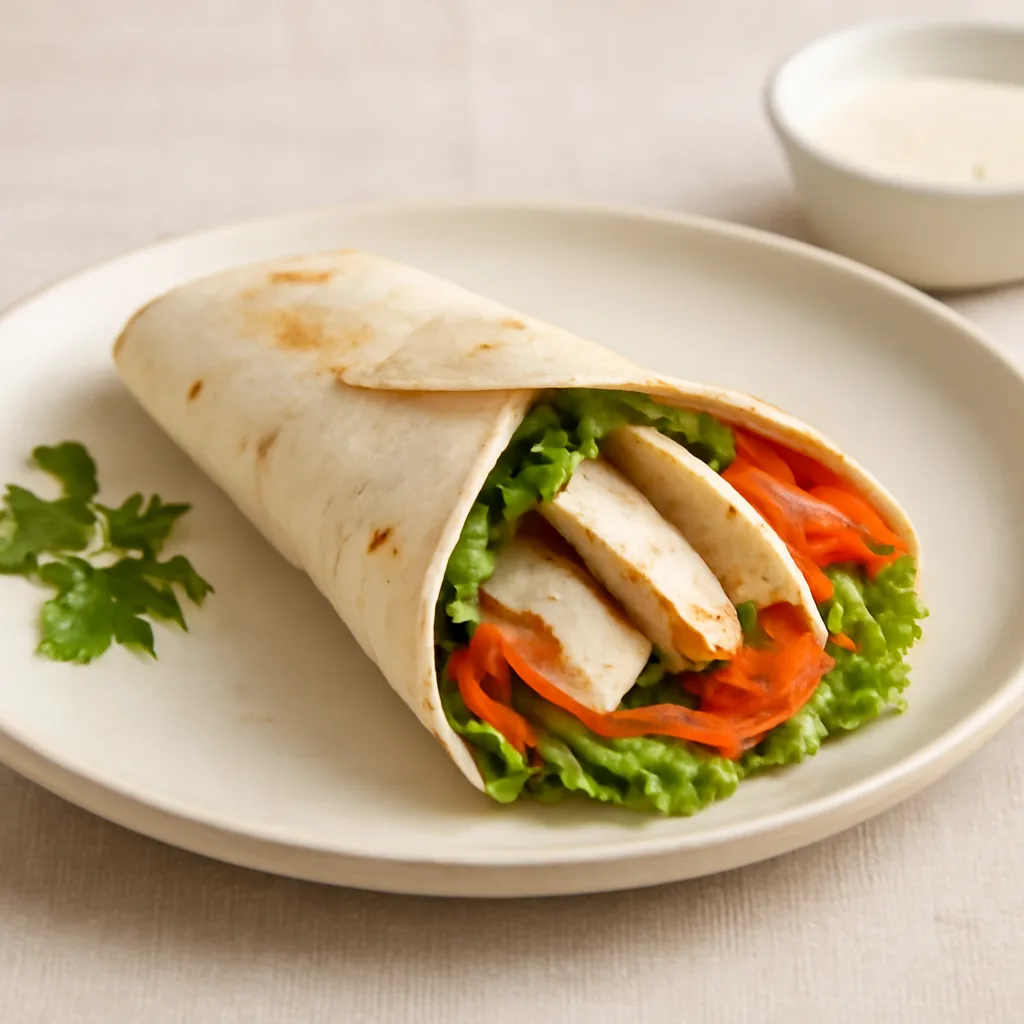
- If you want a hand-held tortilla-wrapped meal, choose drier cooked meat, sautéed vegetables, and beans as fillings. If you add a juicy salsa first, the juices can make the tortilla soggy, so pair it on the side or add it last.
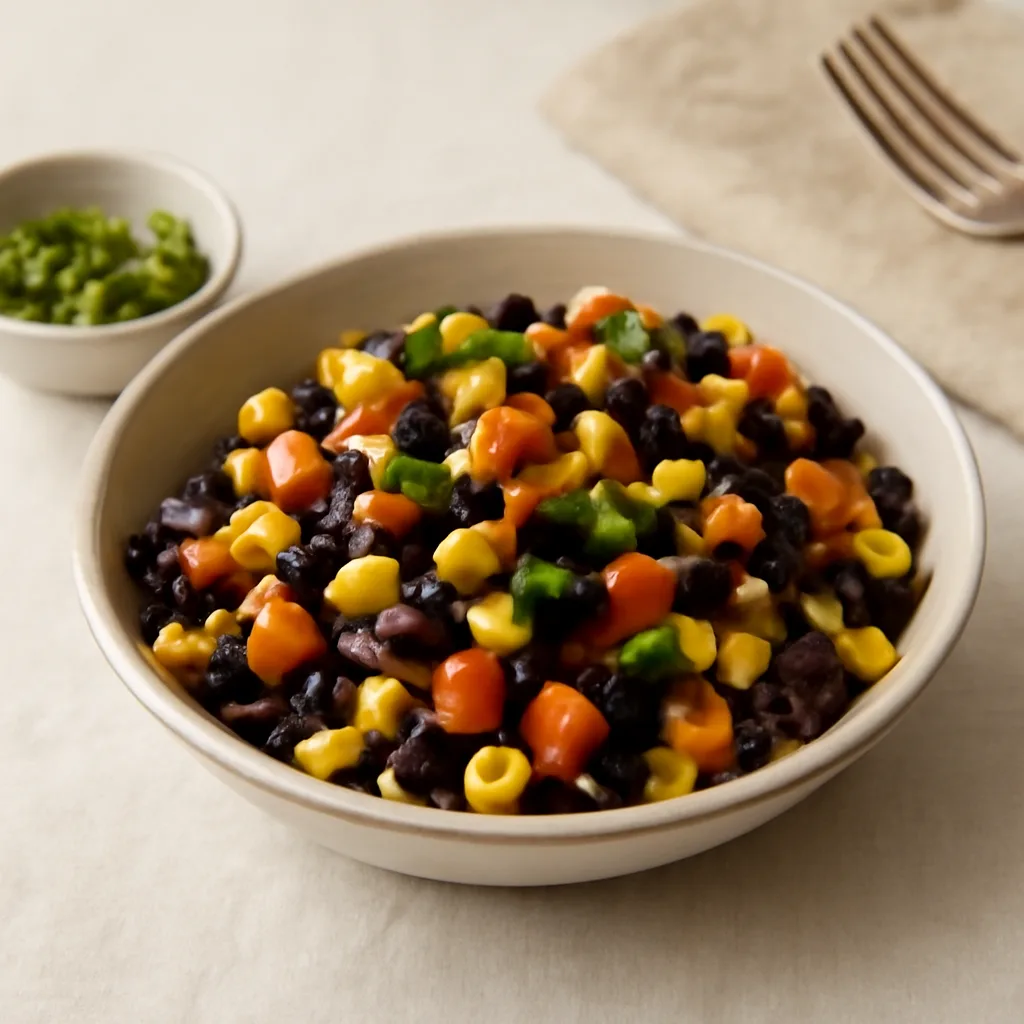
- When you need a quick meal, a bowl combining rice, beans, protein or roasted vegetables, and salsa is practical. Especially when there isn’t time to heat tortillas or prepare many toppings.
- If a rich meat/cheese menu feels lacking in brightness, add acidity with lime, tomato salsa, or pickled onions to balance it.
- When heat is the focus, check that the person can control it rather than relying on more chilies. If you keep a separate hot sauce, you can maintain base flavor while allowing individuals to adjust intensity.
- For a crisp texture, choose toppings that can be added and eaten immediately, like tacos or nacho-style setups. If you must prepare and store in advance, separate packaging for soft tortillas and sauces is more suitable.
Häufig kombinierte Zutaten
- Tortillas serve as wrappers or bases for crisp or soft textures, with moisture management depending on the intended form. Warm soft skins to keep them pliable, and keep crispy skins from meeting wet toppings too soon.
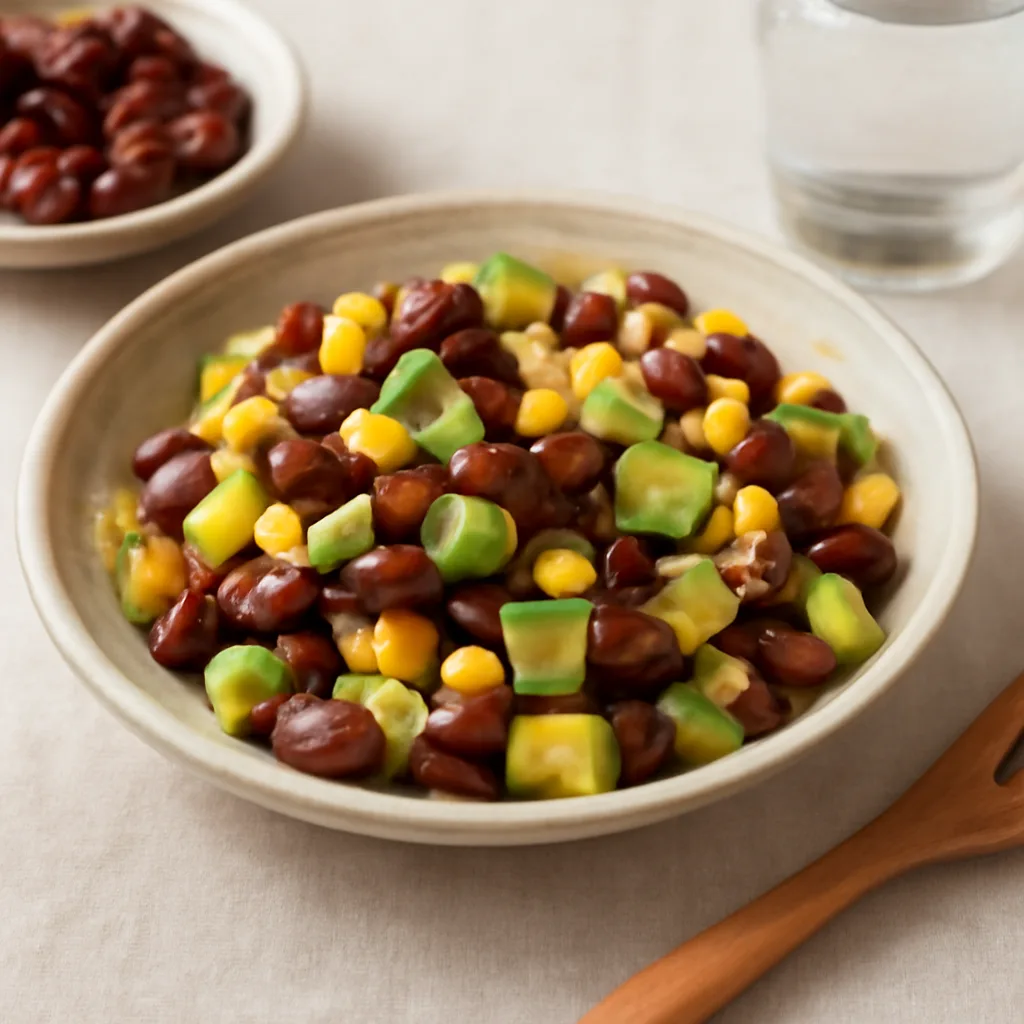
- Beans such as black beans or pinto beans form a filling base when used with meat or as a substitute. If using canned beans, water content and seasoning vary by product, so rinse and adjust flavor safely.
- Tomato, onion, cilantro, and lime are common in salsas or fresh toppings. If the onion aroma is too strong, finely chop and soak briefly in cold water to mellow the bite.
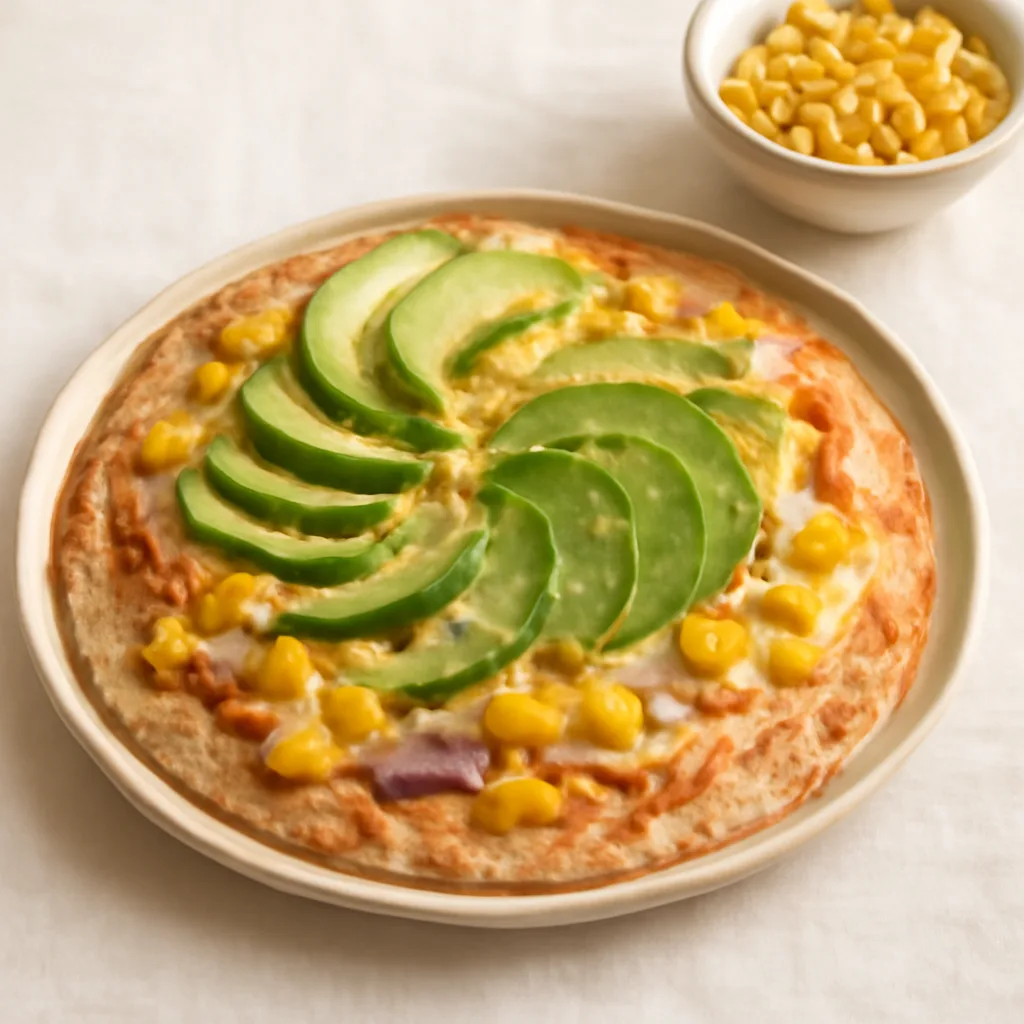
- Avocado adds a rich, creamy contrast when mashed or sliced. If you don't want cut surfaces to discolor, add lime juice and limit air exposure for immediate serving.
- Beef, chicken, pork, fish, mushrooms, and roasted vegetables can all be central ingredients. Choose according to cooking time and guest count rather than sticking to one single ingredient.
Passende Kochmethoden
- High-heat quick searing or stir-frying adds roasted aroma to meat and vegetables without over-moistening fillings, making it good for tacos. If the pan is small and ingredients crowd, cook in batches instead of piling.
- Beans can be sautéed or simmered into a soft filling. If too thin, reduce on lower heat or mash to thicken.
- Tortillas can be warmed on a dry pan or in an oven to become flexible or crispy. Avoid overcooking to prevent edges from cracking; stop when warm and fragrant.
- Chopped fresh ingredients mixed as a topping provide a bright contrast to heavy roasted dishes. If prepared too far in advance, tomatoes and onions release liquid, so adjust solids and liquids when serving.
Tipps für Anfänger
- Start with a simple build: one protein or bean, one vegetable topping, one salsa. More ingredients look impressive but can complicate assembly and moisture balance.
- Consider accompaniments with the fillings, so the tortilla or rice isn’t too salty on its own. If the final taste is flat, balance with a little lime juice or salsa before adding extra salt.
- If spiciness is too strong, increase soft elements like cheese, avocado, or beans to mellow the heat in a single bite.
- Avoid overfilling tacos, which can cause spilling. Spread slightly in the tortilla center and add sauce on the side if needed.
Tipps zur Menügestaltung
- For gatherings, prepare a common base of tortillas or rice, and keep beans, meat, or roasted vegetables, salsa, and cheese separate for easy customization.
- If the main is rich or cheese-forward, add a fresh, crisp element like lime-tomato salsa, cabbage, and pickled onions. If the salsa is already bright, balance with soft beans or avocado.
- Stagger prep: make easily reheatable ingredients first (beans or meat), and prep fresh toppings like avocado and salsa just before serving to preserve texture.
- Serran-style crisp nachos or tortilla chips pair well with sauces served separately; starting with too much sauce can dull crispness.
Essen, das in diesem Thema enthalten ist
Hier sind die Speisen, die in diesem Thema enthalten sind, sortiert nach Aufrufen von CookPagoda.