Themaleitfaden
Überprüfen Sie die Auswahlkriterien und Kochideen für Lebensmittel, die zu diesem Thema passen.
scharfe/Erfrischende Note
1
A refreshing taste refers to a direction that sharpens the impression of food and makes it lighter by adding acidity through citrus like lemon and lime, vinegar, tomatoes, or fermented ingredients. When acidity sits between sweetness, oiliness, and saltiness, the boundaries of flavor become clearer, expanding choices from salads to roasts, noodles, and seafood dishes. The core of this theme is not to strictly sour the ingredients, but to adjust the position and amount of acidity to bring out the primary ingredient’s flavor. If after a bite the acidity lingers in the mouth for a long time, it may be too much or added too early, so it’s better to balance with small amounts of sweetness, oil, or moisture. It pairs well with a light meal on hot days, side dishes for oily mains, or when a transition in flavor is needed across several dishes. However, for meals where the core flavor is deep and heavy or for those sensitive to刺激, a choice with milder scents and fewer strong vinegars or citrus juices may be more suitable.
Geeignet für diese Personen
- When you want to counterbalance richly flavored fried, grilled, or cream-sauce dishes.
- People who want to clearly taste the flavors of pale ingredients like vegetables, fish, and chicken.
- Useful for quickly creating a change in taste with a quick-mix, dressing, or sauce at the table.
- If you or children don’t prefer sour flavors, it’s better to serve acidity as a side sauce rather than as the main acidic ingredient.
Leitfaden zur Lebensmittelauswahl
- If the dish feels fatty or heavy, try direct acidity like lemon juice, vinegar-based sauces, or pickled vegetables to balance after the fat.
- If the ingredients themselves are very sweet (tomato, carrot, fruits), adding acidity can cause a larger contrast, so start with a small amount of acidic ingredients and taste, then increase.
- For warm stir-fry or grilled dishes, citrus juice or vinegar tends to linger as a finishing note, while for cold salads you can pre-tair the dressing to even out the flavors.
- In dishes with strong spices or fermentation aromas as the core, layering several acids can blur the direction of flavor, so pick one acid (vinegar, citrus, or fermented ingredient) as the main acidity.
- If a soup tastes dull after a spoonful, don’t dump a lot of vinegar or citrus juice into the entire pot; add in small amounts to individual bowls to find the right balance.
Häufig kombinierte Zutaten
- Citrus such as lemon, lime, yuzu can be used for both juice and zest; if aroma is needed, use a small amount of zest and add juice as acidity is needed.
- Vinegars like rice vinegar, apple cider vinegar, wine vinegar vary in aroma and sharpness, so for delicate dishes start with milder vinegars that won’t overwhelm the colors of the ingredients.
- Tomatoes, citrus, apples, pineapple and other fruits/vegetables with acidity bring moisture and sweetness, so if the sauce is too thin, divide the amount to avoid over-thinning.
- Ingredients that carry acidity and saltiness together, like pickles, brined vegetables, and fermented pastes, can raise the seasoning quickly, so adjust salt or soy sauce after adding them.
- Olive oil, sesame oil, yogurt or mayonnaise are soft ingredients that can soften the edge of acidity, but keep in mind they may emphasize richness over freshness.
Passende Kochmethoden
- Mixing raw vegetables or making salad dressings directly brings out acidity and aroma most directly.
- Roasting and pan-frying enhance the savory notes, after which adding citrus juice or vinegar clarifies the contrast, so acidic ingredients are generally added toward the end.
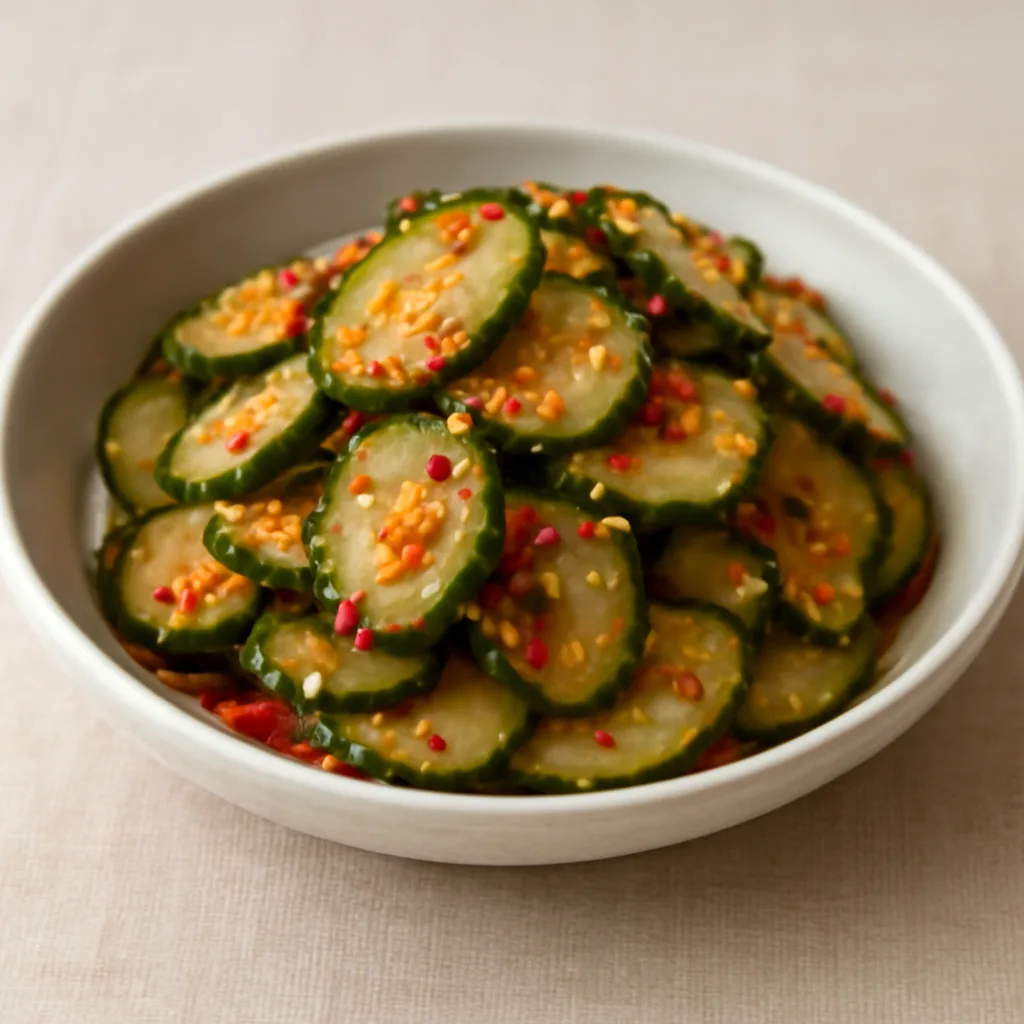
- Pickling is good for letting acidity soak into vegetables to create sides; if the pickling liquid tastes too strong, dilute with water or a touch of sweetness and adjust again.
- For cold noodles or salads, pre-mixing with acidic seasoning stabilizes flavors, but as moisture releases from vegetables over time, toss just before serving.
- When adding acidity to broths or stews, flavors can change during simmering, so if you want to preserve the aroma of acidity, turn off the heat and add gradually.
Tipps für Anfänger
- Start with a very small amount of acidic ingredient per serving, taste, then add more as needed.
- If dressing tastes too sharp, don’t compensate by adding salt; instead balance with a little more oil or sweetness to soften the texture.
- If citrus juice makes fish or vegetables too watery, add acidity just before serving or provide the sauce on the side.
- When heating vinegar, if its scent is too pungent, reduce heat or turn off heat before adding, then taste and add only as needed.
- If multiple acidic ingredients are used on one plate, don’t use all strongly; focus on one primary acid to maintain flavor focus.
Tipps zur Menügestaltung
- Pair a fatty main with a acidic salad, pickled vegetables, or citrus sauce to create contrast between dishes.
- When centering on refreshing acidity, ensure mains, side dishes, and sauces are not all equally sour; keep one or two components rich or neutral to balance.
- If you use citrus dressing on salad, add other aromatic elements like roasted ingredients and herbs to the main dish to avoid repeating the same acidity.
- Since guests have varying tastes for sourness, keep the base seasoning gentle and let guests adjust with vinegar, lemon wedges, or a tangy pickle.
- When serving hot and cold dishes together, cold pickles or salads should be plated last to maintain texture and moisture.
Essen, das in diesem Thema enthalten ist
Hier sind die Speisen, die in diesem Thema enthalten sind, sortiert nach Aufrufen von CookPagoda.