Ingredient Encyclopedia
Check the characteristics of the ingredients and how to use them in cooking.
Mussels
2
2
Mussels are a shellfish ingredient that uses both the meat inside the shell and the savory broth that cooks out. They pair especially well with soups, stews, pasta, and braises—dishes with liquid or moisture retention—and it’s important to briefly cook them to leave a firm, springy texture. Fresh mussels should be tightly closed or close when gently touched. Discard any with cracked shells or that do not respond even after being opened, and also discard any that do not open completely after cooking. The saltiness of the mussels themselves and the taste of seawater released during cooking affect the overall broth. Rather than adding a lot of salt or fish sauce from the start, taste the broth after the mussels have opened and adjust the seasoning to keep saltiness in check.
Taste and Texture
Mussels have a subtle sweetness, a salty sea aroma, and a deep umami flavor. When cooked properly, the flesh is tender with a chewy bite, but if cooked for too long moisture will escape, making it tough and smaller. Cooking them in the shell not only develops the mussel flavor but also releases a broth that deepens the dish. On the other hand, because their aroma is strong, using them in very delicate cream sauces or clear broths with excessive amounts can overpower other flavors.
Main uses
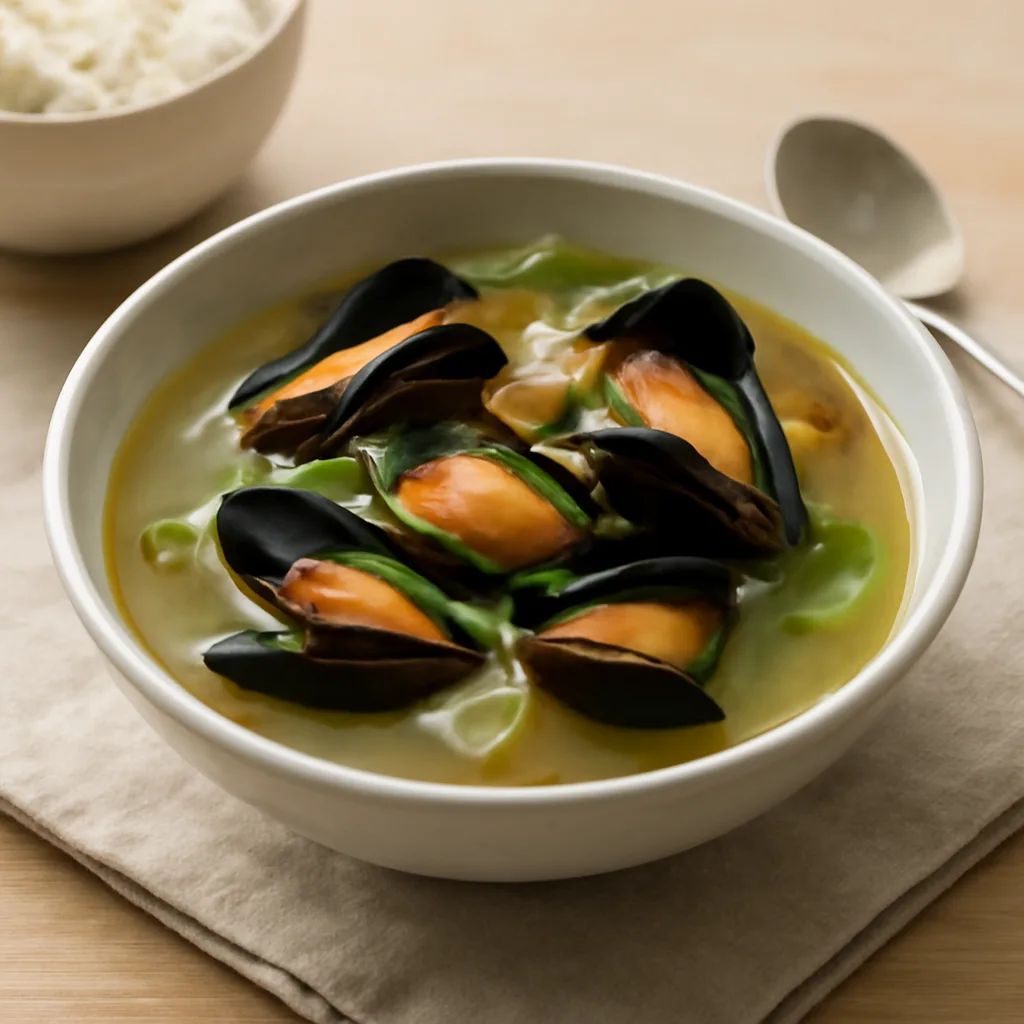
- For mussel soup or clear broths, add water, radish, and scallions, and mild aromatics to preserve the fresh taste of the mussel broth.
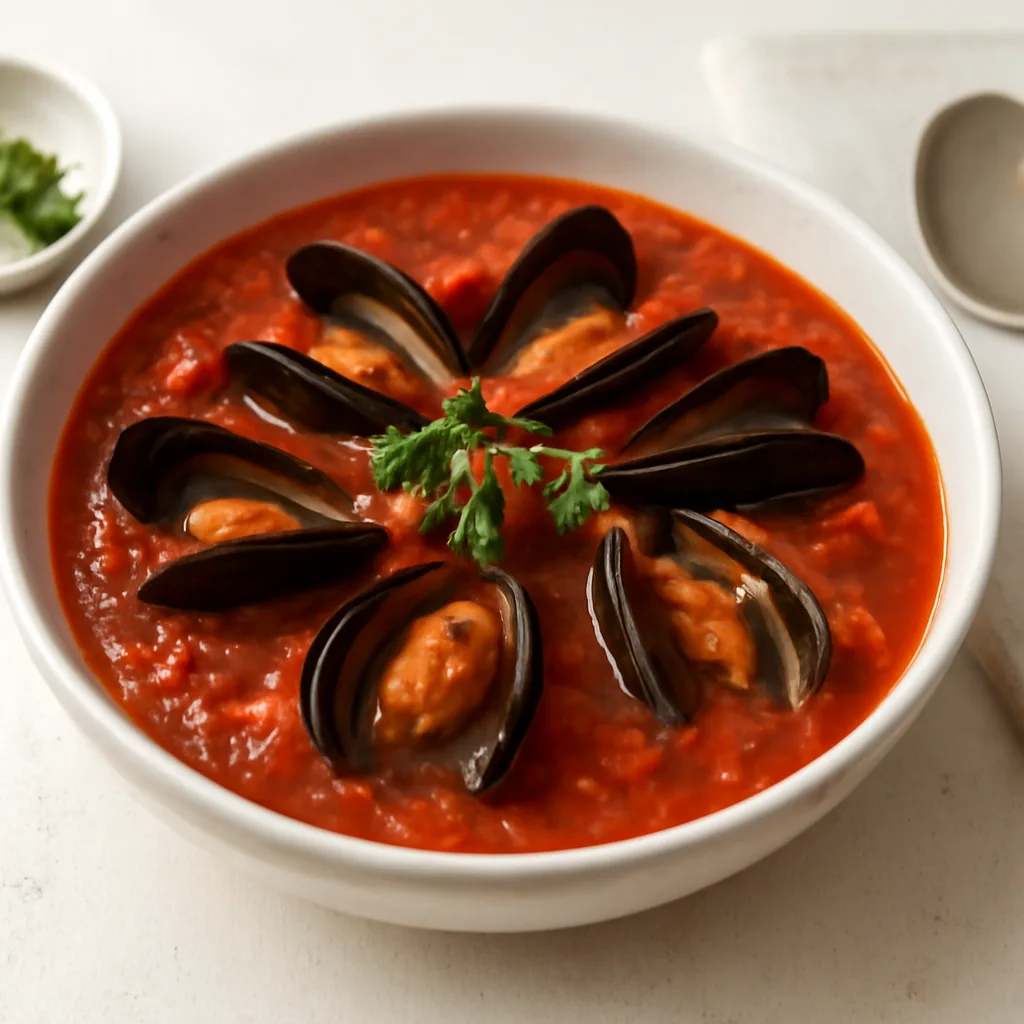
- For pasta based on tomato sauce or white wine, steam in the shell, then use the opened mussels and the released liquid in the sauce.
- For stews or hot pots, add at the end and cook briefly to add depth of umami to the broth while keeping the meat from getting tough.
- In steam dishes, cook with garlic, onion, and herbs, and turn off the heat as soon as the shells open to use the shell juices as a sauce.
Preparation tips
- Scrub the surface of the mussels under running water, and remove the beard by grabbing the shell with one hand and pulling it off with the other. Tugging the beard hard can damage the meat, so a quick, firm pull is better.
- When rinsing, tap the opened mussels lightly to see if they respond. If they don’t close again, discard them rather than keeping for cooking.
- If there is a lot of sand or debris, rinse in cold water several times, but don’t soak for long. Soaking for a long time can dull flavor and release unnecessary water during cooking.
- When adding to broth, don’t pour the water from rinsed mussels directly; if needed, strain to check for sand before use.
Cooking characteristics
- Cook mussels on high heat with the lid on; as the shells begin to open, they release moisture and umami. If the bottom of the pan dries out, add a small amount of water, stock, or wine to create steam before burning.
- When you start to see open mussels, remove them first with tongs or lower the heat. If cooked too long, the meat that opens first will tighten and become chewy.
- The broth from mussels can be salty, so taste before adjusting the seasoning of sauces or soups. If the broth is too salty or cloudy, reserve the needed amount and adjust with more stock or water.
- For cream or butter sauces, first briefly cook the mussels and set them aside, then add them back when finishing the sauce to reduce separation or overcooking.
Good combinations
- Vegetables that form the aroma base, like garlic, onion, scallion, and celery, help balance the mussel’s sea notes and complement the broth’s flavor.
- The acidity of tomatoes, lemon brightness, and the fresh aroma of white wine pair well with the mussels’ umami, but too much acidity early on can make the broth taste overly salty.
- Spicy aromatics like chili, black pepper, or Thai bird chili go well with mussel soups and braises. If you want the mussel aroma to be the focus, use fewer strong chili oils or spices.
- For pasta, pair with olive oil and herbs, or for rice noodle or clear broth bases, add leek and tofu to keep the flavor light.
Points to consider when substituting
- If you want the broth to have the shellfish umami, you can substitute clams or vongole, but their size, salinity, and cooking speed differ, so adjust by tasting the broth.
- For shell-on dishes or pasta, clams can be a natural alternative, but the visual effect and texture of the meat from larger shells will differ.
- If the goal is more seafood flavor, shrimp or squid can be used, but the distinct briny umami of shellfish will be weaker. In this case, adjust the broth or tomato sauce separately.
- Since mussels are a main ingredient, substitution may significantly change the dish’s character, so if you need to avoid shellfish, it’s more natural to pivot to other styles using mushrooms, tofu, or vegetables rather than trying to replicate with seafood.
Ingredients commonly used together in actual dishes
Aggregated based on the co-occurrence count of representative ingredients in public dishes registered in CookPagoda.
Dishes that use this ingredient
Shows dishes where this ingredient is a representative ingredient, sorted by view count.