View recipes
Check the reference data for the selected food.
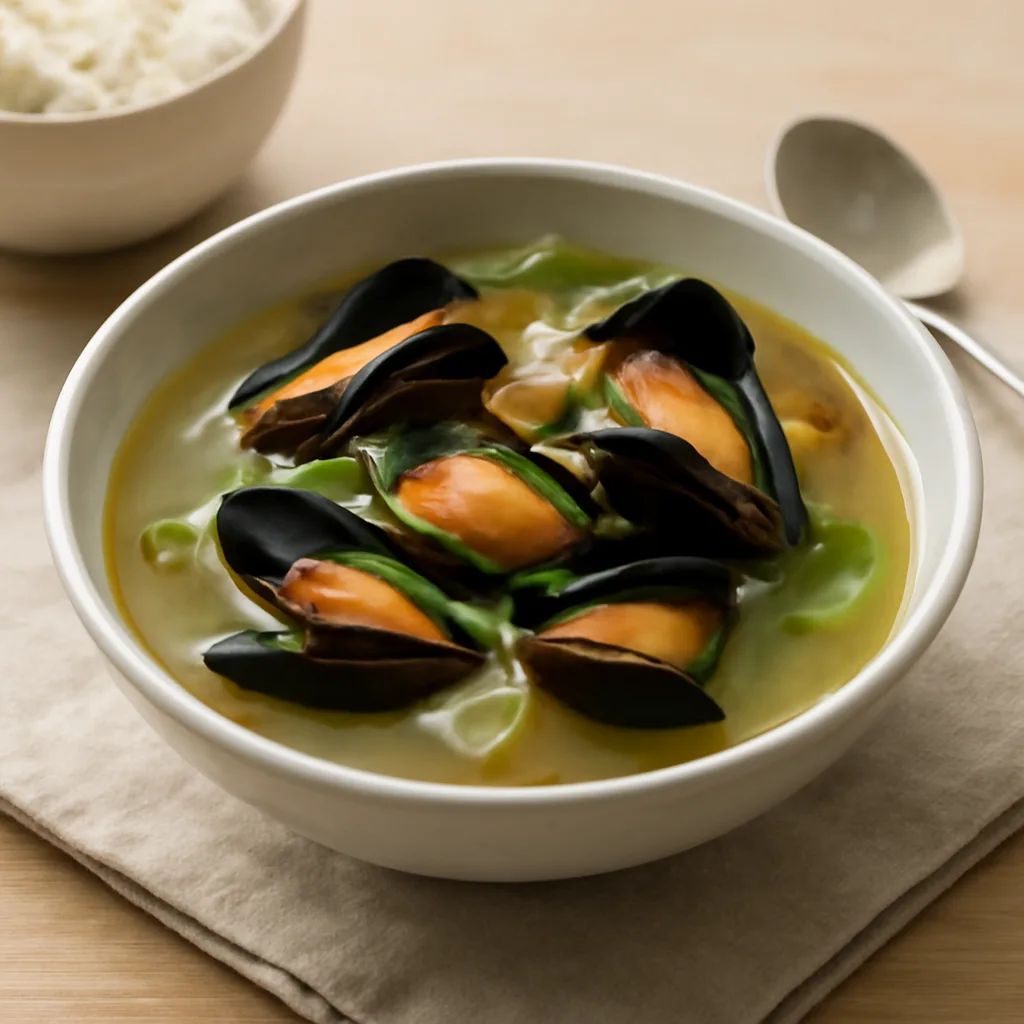
Mussels Soup
A warm soup made with fresh mussels and vegetables. The tanginess of tomatoes complements the umami of mussels, and it’s especially delicious with bread.
Related Themes
12
View0
Like1
AI recommendations0
CreatedAbout this recipe
Mussel soup is a warm broth dish where the salty, savory notes released from mussels are balanced with the acidity of tomatoes, the sweetness of onions, and the aroma of celery. Even with few ingredients, each flavor comes through clearly, so the mussels’ condition and the level of vegetable doneness largely determine the final texture. It can be prepared in about 30 minutes, though the difficulty is intermediate. You need to prep and check the mussels’ status, and rather than boiling the broth for a long time, focus on extracting the base vegetable flavors and watching for the moment the mussels open. If the broth becomes too rich, the tomato acidity can be overwhelmed, and if you use too much tomato, the mussels’ characteristic flavor may be muted, so balancing the two tastes is important. As described, serving with bread lets you enjoy the broth to the last drop. However, if the bread is left in the broth too long, it tends to soften, so it is best served separately in a crispy state or dipped just before eating.
Taste and Texture
Oyster mussels that are properly cooked are plump and tender, and the broth blends the deep umami of seafood with the light acidity of tomatoes. Onions add sweetness, and celery finishes with a refreshing note. The broth can be enjoyed clear and light, or made a bit richer by concentrating the tomato flavor. Overcooking the mussels can make the flesh tough, so if you want a soft texture, stop cooking when the shells start to open.
Key to making it delicious
- Choose mussels with intact shells and that react to stimuli; discard shells that are cracked or already open and not responding, and use live mussels that will open during cooking to indicate doneness.
- From the start, cook onions and celery not by burning them on high heat, but until their scent mellows and the onions turn translucent, creating a sweet base that supports the flavors of tomato and mussel.
- If the tomato acidity feels strong, simmer with the vegetables a bit longer before adding the mussels to soften the sharp taste; if the broth is already sufficiently acidic, it’s better not to add extra acidic ingredients for balance.
- After adding mussels, avoid keeping the broth boiling vigorously for long; watch for shells opening frequently and cook the mussels that have opened first, preventing overcooking.
- Because mussels contribute saltiness to the broth, do not oversalt early; adjust final seasoning after the mussels have cooked and the broth flavor has developed.
Common mistakes
- If you sense grit or impurities in the broth, it may be because the mussel shells and beards weren’t cleaned thoroughly; rinse under running water and recheck prep before cooking.
- If the mussel flesh becomes small and chewy, it’s often because of overcooking; next time briefly reduce heat after the shells open and only cook those that haven’t opened yet to check their status.
- If the broth tastes overly sour and the mussel flavor is faint, the tomato may be dominating; instead of adding more tomato, fully cook the onions to build a sweet base and adjust seasoning at the end.
- If the broth is too salty, it could be because the mussels released salt into the broth; don’t add a lot of salt at the start and finish seasoning only as needed.
- If celery flavor is harsh, perhaps the pieces were too large or not fully cooked; chop smaller and cook with onions until soft, or reduce celery amount if its aroma is too strong.
Application Ideas
- If you want to highlight the tomatoes, cook them a bit longer so they blend naturally into the broth, but if the mussel flavor weakens, reduce additional tomato accordingly.
- For a clearer, lighter soup, avoid increasing the amount and degree of cooking of tomatoes so that the aroma of mussels and celery stays central.
- If you prefer a bit more chew in the vegetables, don’t chop onions and celery too finely; cut them to a uniform size and simmer until tender for a soft broth.
- If the mussel shells feel cumbersome at the table, you can remove some cooked mussels from their shells and return them to the broth; leaving shells gives a more seafood-soup visual impression.
Pairing ideas
- Serve with crispy bread to dip into the tomato-mussel broth, or keep the bread separate if you don’t want it to become too soggy.
- Arrange the mussels and vegetables in a deep bowl so the broth and solids are easy to eat together.
- Taste the broth for seasoning first at the table, then add bread; the saltiness from the mussels can make the bread taste saltier, so balance accordingly.