Theme guide
Check the selection criteria and cooking ideas for foods that match this theme.
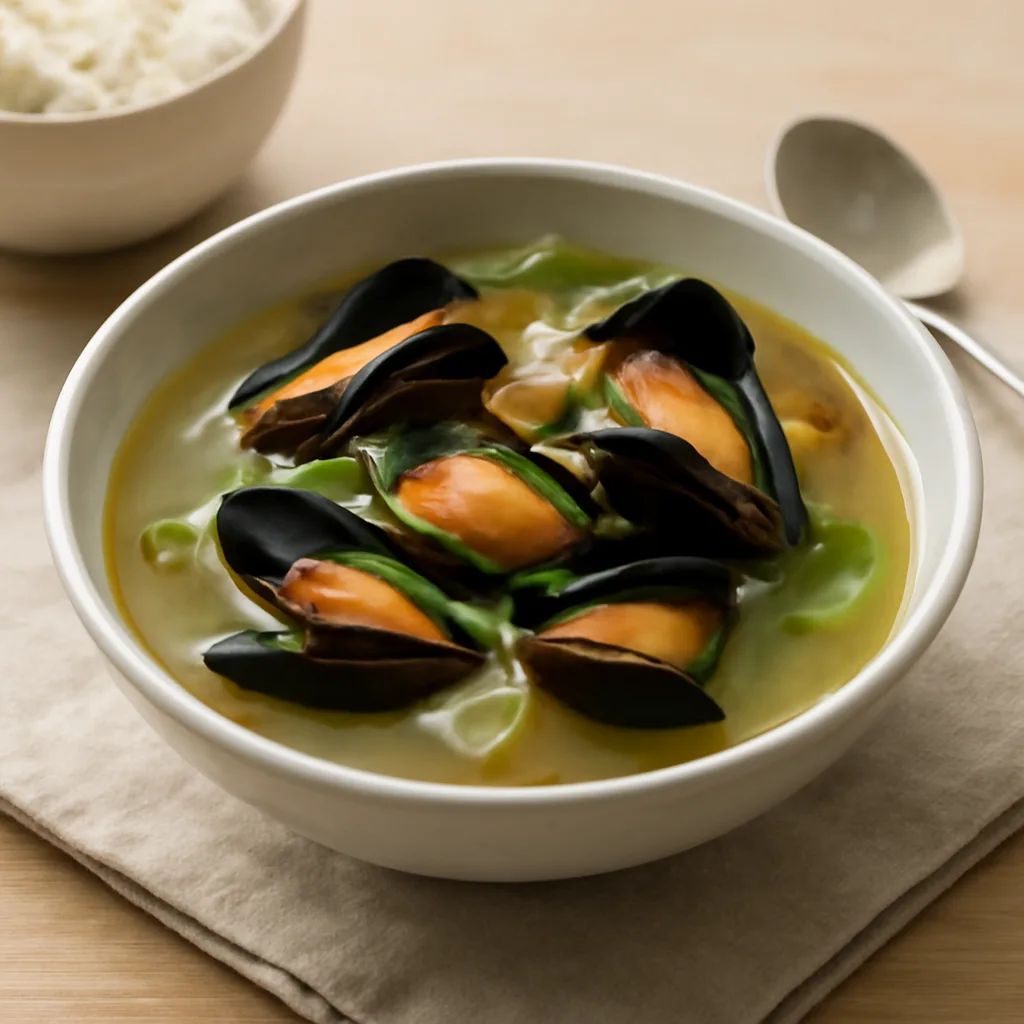
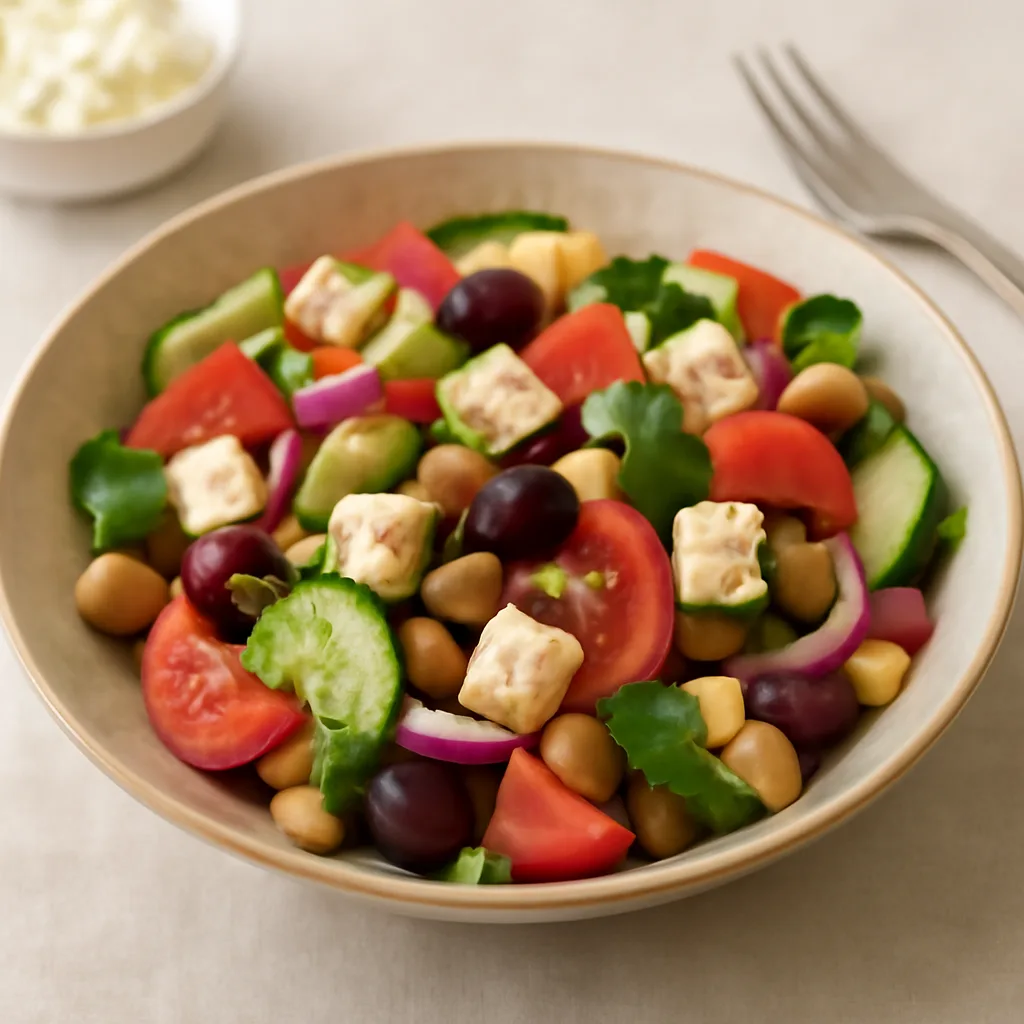
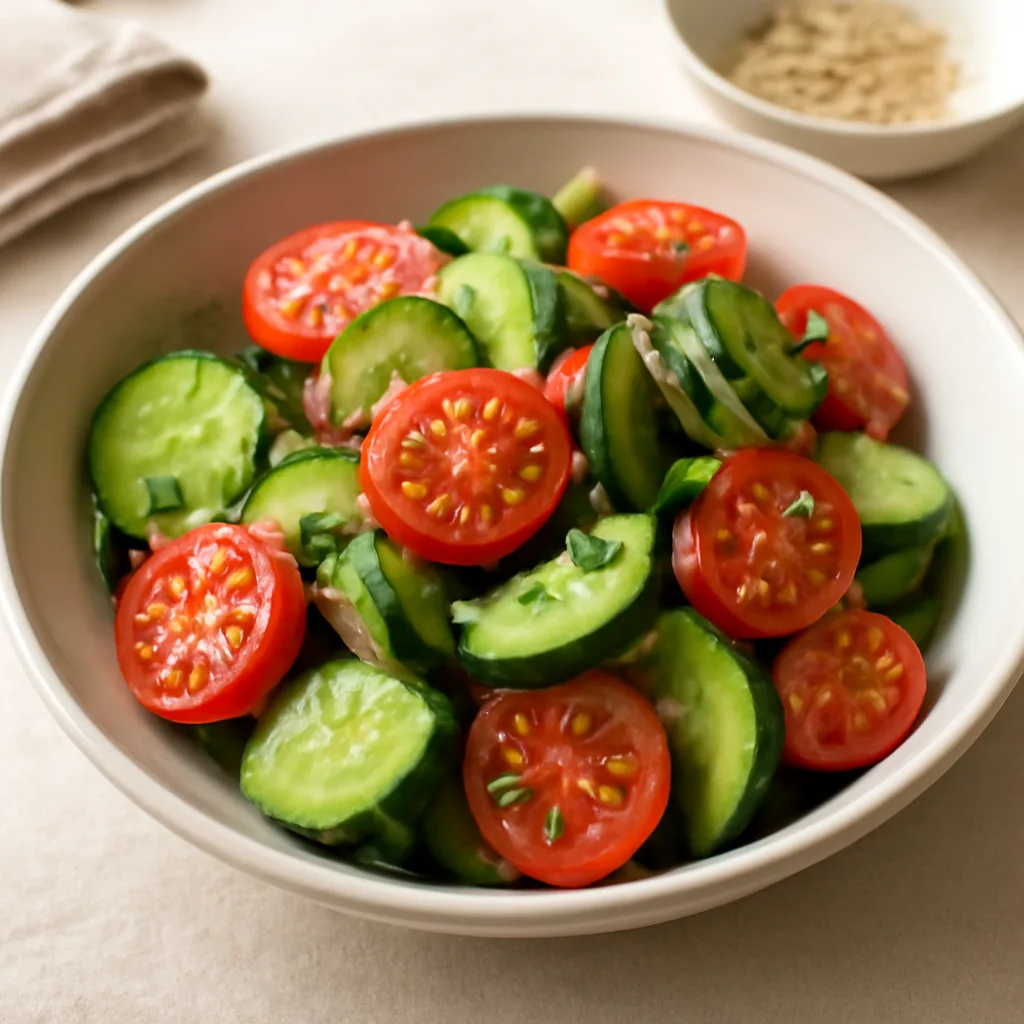
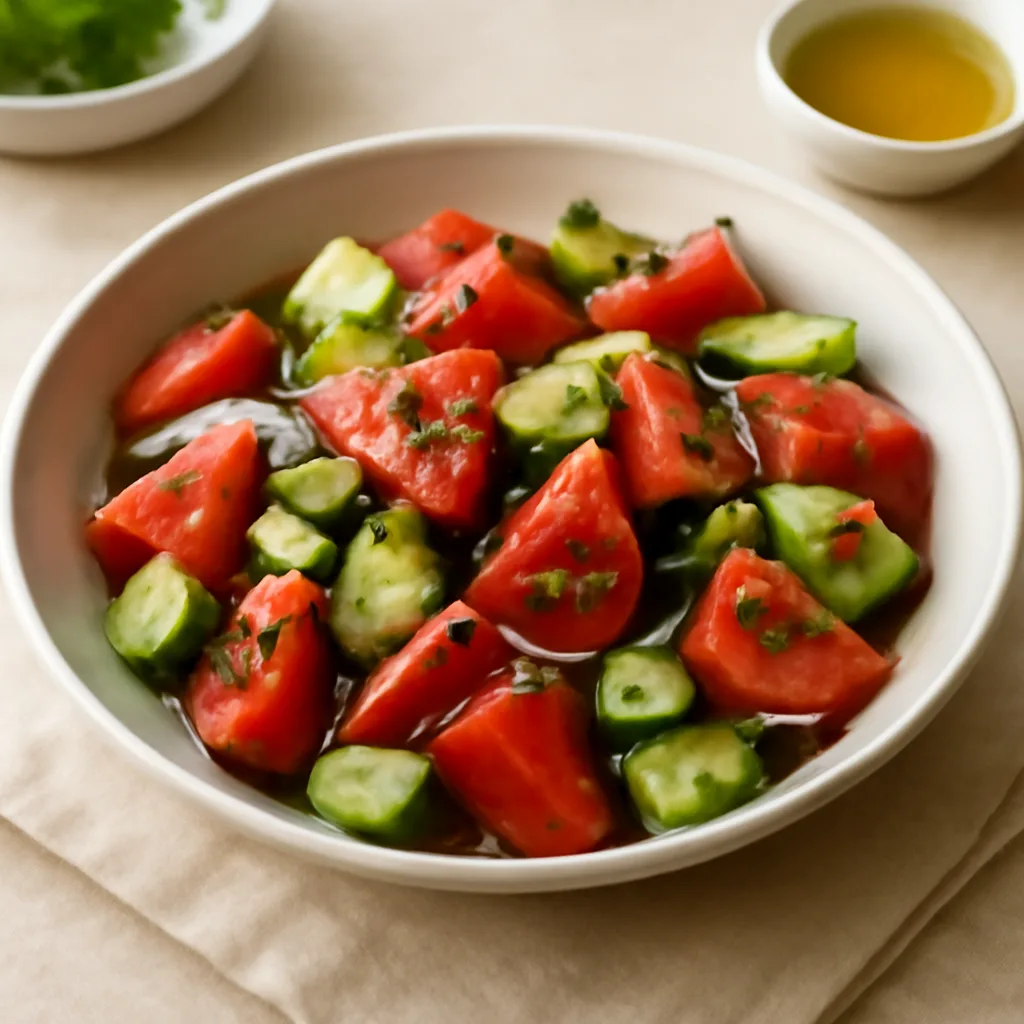
The Mediterranean theme evokes a meal composition that harmoniously uses olive oil, vegetables, legumes, grains, and fish or seafood, along with clearly fragrant herbs. Rather than one fixed recipe or method, it centers on selecting a menu based on the freshness of ingredients and the balance of acidity, herb aroma, and oil. At the table, you can start from simple combinations like roasted vegetables and grain salads, bean dishes with tomatoes, or grilled fish. However, not all Mediterranean-style dishes are light or quick to complete, so when choosing richer stews or bread-centered menus, it’s helpful to consider portion sizes and cooking times together.
Well-suited for these people
- It suits people who want vegetables and legumes as the core but don’t want a meal to feel monotonous.
- It is appropriate for those who want to use small amounts of flavor-shaping ingredients like olive oil, lemon, vinegar, garlic, and herbs.
- On weekdays you can grill fish or vegetables in one pan, and on weekends you can choose a menu that takes more time, like a bean stew or oven dishes.
- If you prefer strong cream sauces or very spicy seasonings, it’s natural to first find a balance by adding acidity and herbs rather than dramatically changing the flavors.
Food Selection Guide
- If two to three items among seasonal vegetables, legumes, whole grains, and fish/seafood appear in the ingredient list, it’s easy to connect them into a meal.
- If the plate looks heavy on watery vegetables, it’s best to pair with grains like bread, rice, or couscous, or legumes to provide satiety.
- Dishes with lemon juice or vinegar should not have all the acidity added before the final seasoning. If tomatoes or pickled ingredients are naturally tart, you can reduce acidity to balance the dish.
- If time for prep is limited, choose a combination that can be roasted with whole vegetables and canned beans, whereas chopping many ingredients finely can still be time-consuming.
Frequently paired ingredients
- Olive oil is widely used for sautéing, roasting, and dressings, but stronger-flavored varieties may pair better with beans or roasted vegetables than delicate white fish.
- Tomatoes, eggplant, zucchini, bell peppers, onions, and leafy greens are representative choices that add color and moisture. When cooking watery vegetables together, use a wide pan or cook in batches to prevent flavors from diluting.
- Chickpeas, lentils, and white beans add texture to salads and stews. Rinsed canned beans help avoid excessive broth saltiness or bean flavor lingering in the dish.
- Citrus and herbs such as lemon, vinegar, garlic, parsley, basil, and oregano are good for finishing flavors. If you don’t have herbs, it’s better to highlight one or two scents clearly rather than mixing many.
Compatible cooking methods
- Roasting or pan-searing vegetables helps bring out surface aroma, creating a flavor core without much dressing.
- Fish and seafood are well-suited to quick grilling or steaming. If the flesh is delicate, preheat the pan and reduce the number of flips.
- A slow-simmered stew of beans and tomatoes blends flavors, but for quick meals using canned beans in a stir-fry or salad is more practical.
- Grains should be boiled or steamed separately and then mixed with roasted vegetables to maintain texture. If the goal is a one-pot broth, simmering for a long time is only advisable when that is the intended result.
Tips for beginners
- Start with a basic flavor using olive oil, lemon or vinegar, salt, pepper, and garlic, and add herbs later. If the aroma feels complex, lowering acidity rather than increasing ingredient count can help identify the cause.
Menu Composition Tips
- Plan a meal around three elements: roasted vegetables or salad, beans or fish, and grains or bread for easy balance of quantity and texture.
- If the main dish is soft and watery like a tomato stew, pair with crunchy bread or crisp vegetables for contrast.
- For fish dishes with strong lemon and herb flavors, instead of adding many pickled sides that increase acidity, choose a mild grain or roasted vegetables to avoid overdoing flavors.
- When planning meals for several days, vary cooking methods rather than repeating the same salad; for example, day one roast, day two bean stew, day three grain salad to keep textures varied and use remaining ingredients.
Foods included in this theme
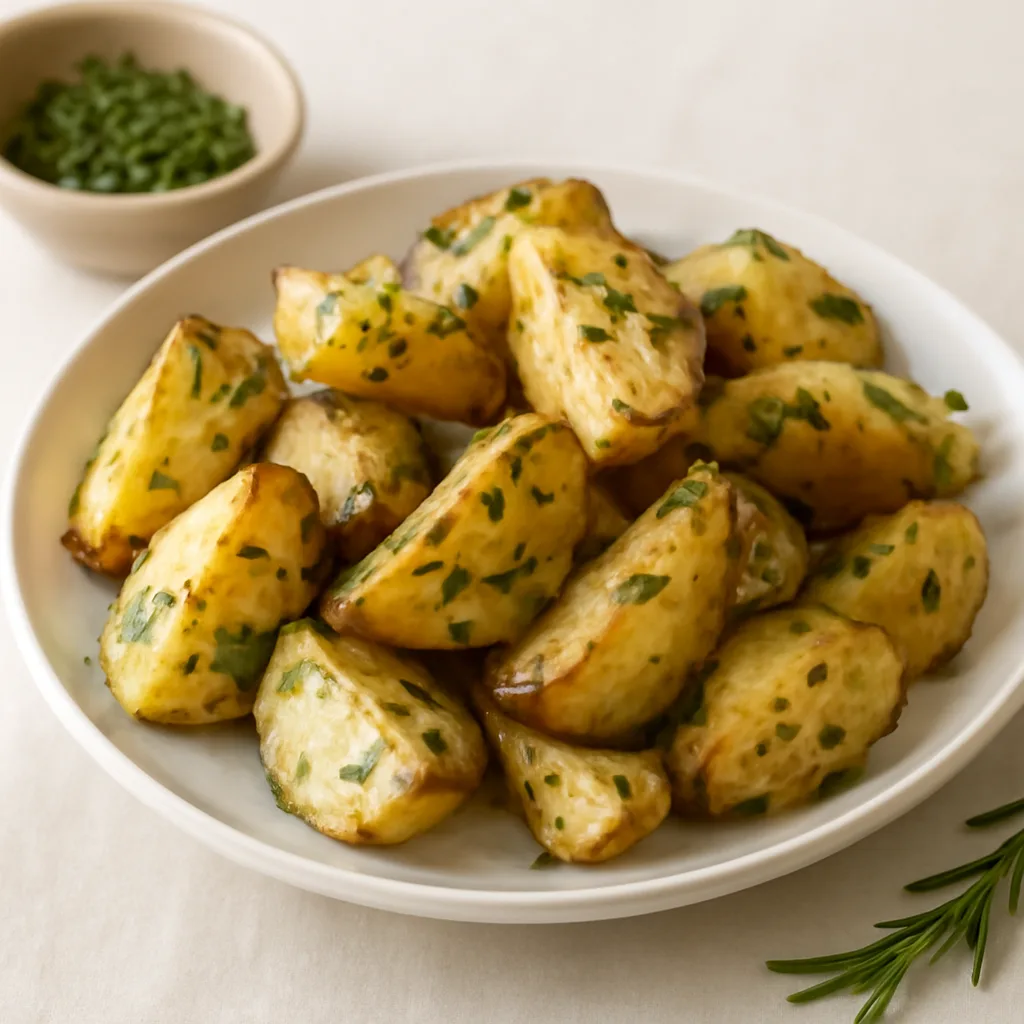
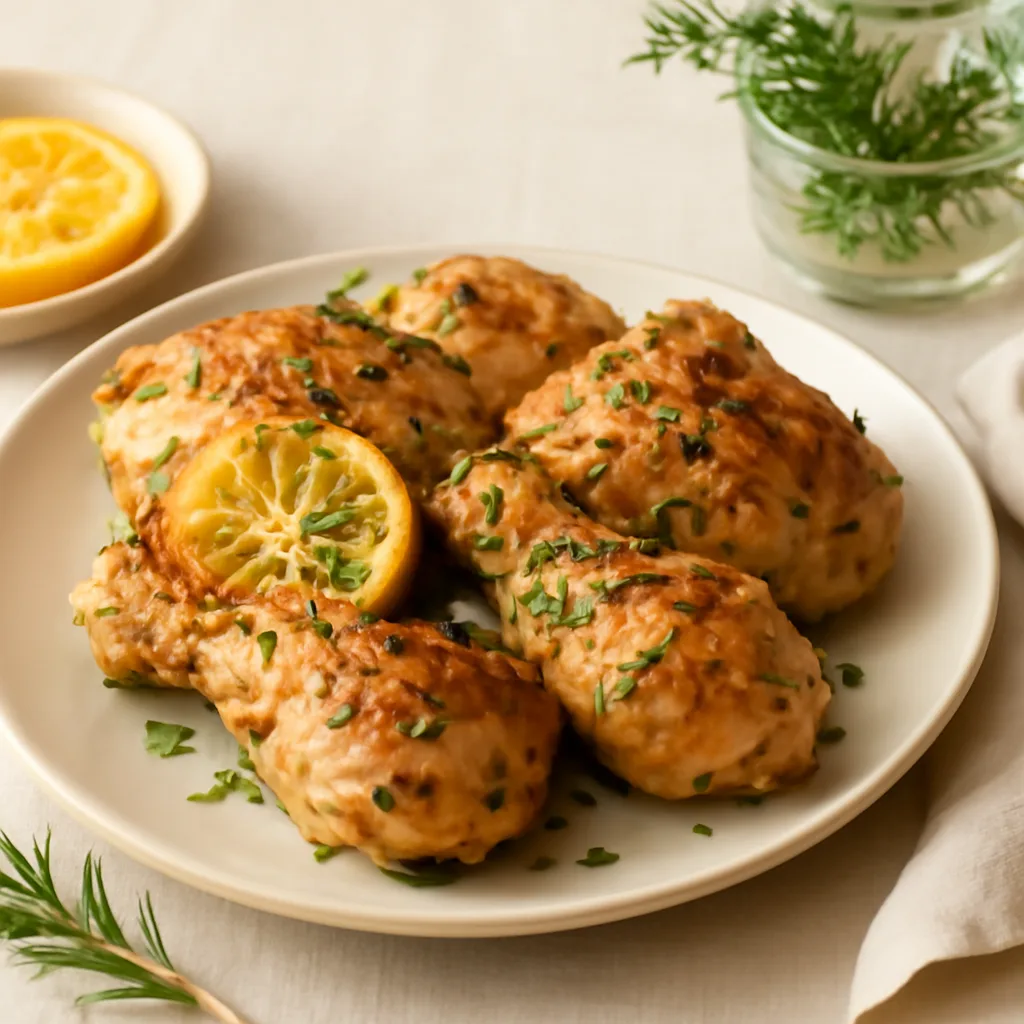
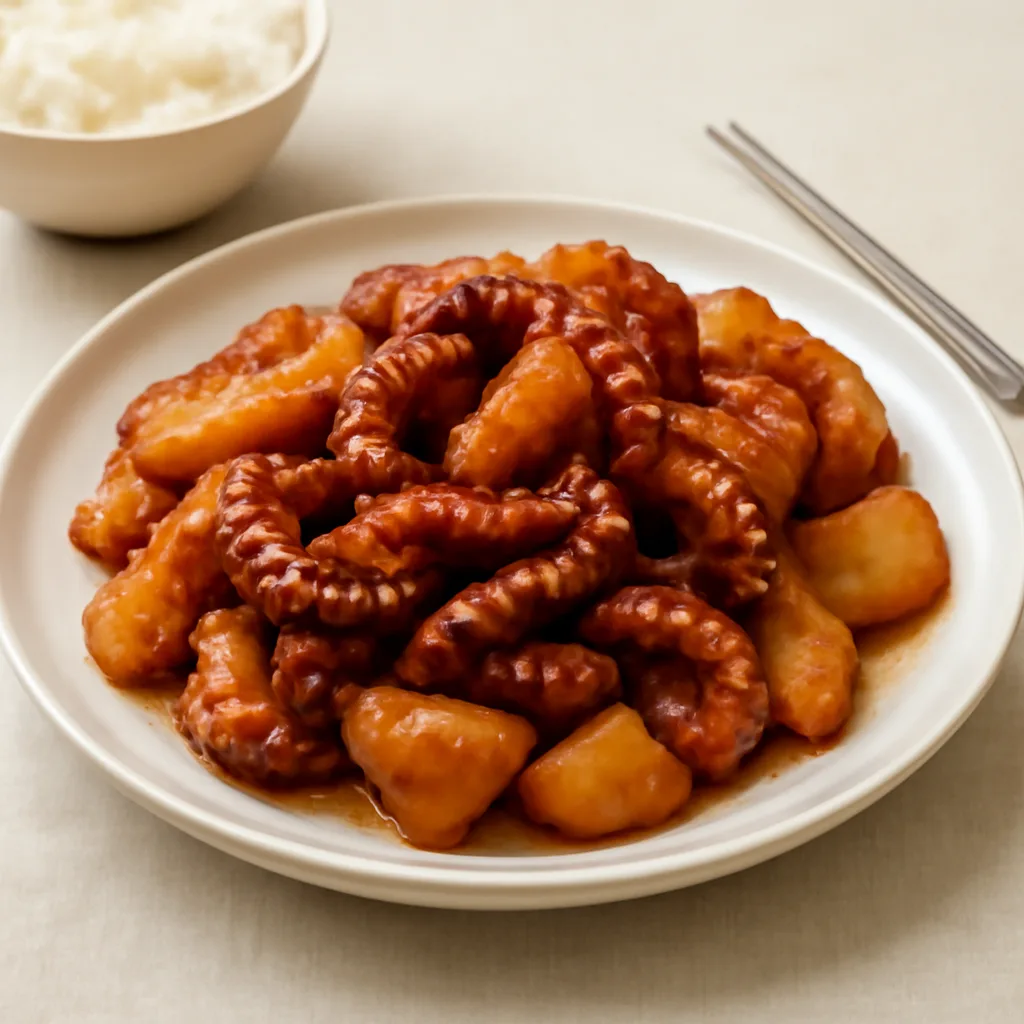
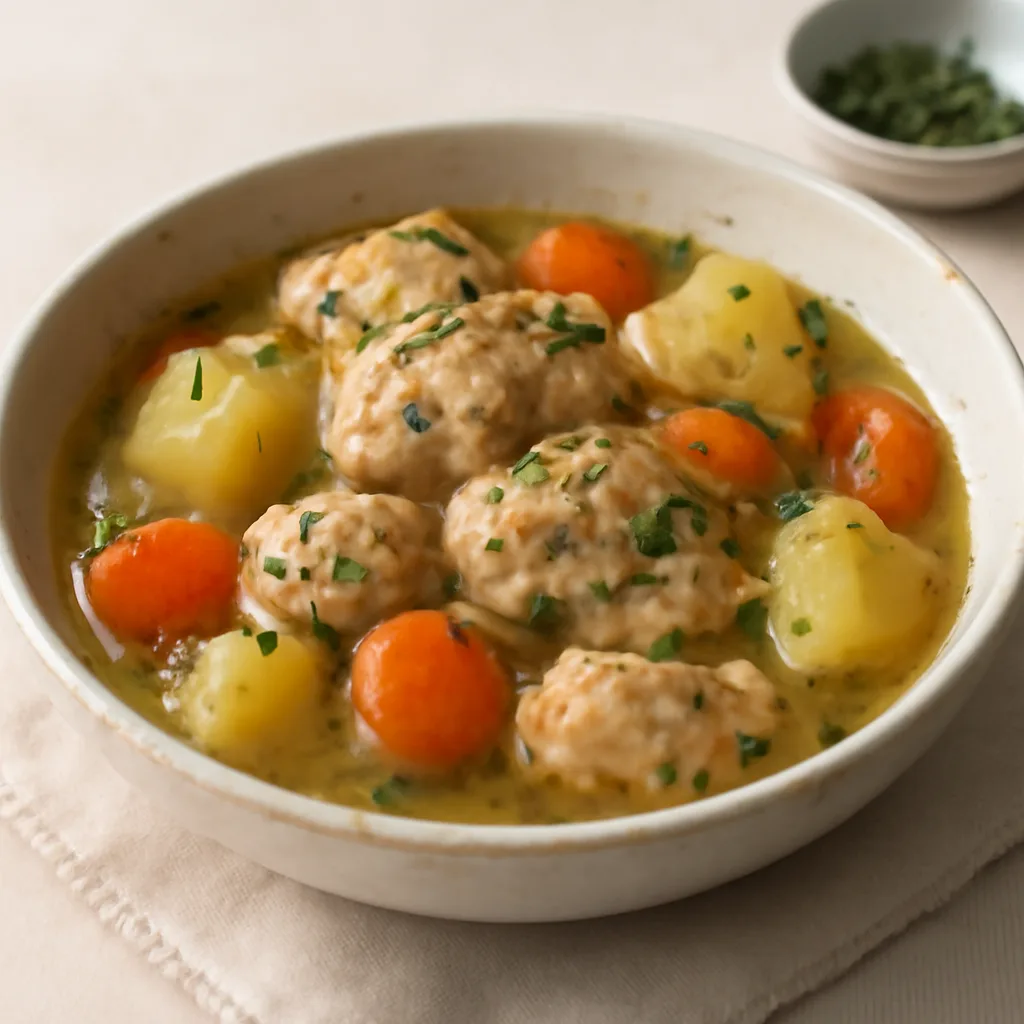
Here are the foods included in this theme, sorted by views from CookPagoda's public food.