Theme guide
Check the selection criteria and cooking ideas for foods that match this theme.
Warm dishes use the immediate warmth and steam after cooking, along with soft or rich textures to create a comforting meal. It does not only refer to broth-based dishes; freshly baked rice, steamed dishes, stir-frying, and grilling that become appealing when served warm are also included. However, not all dishes need to be served hot, and adding a cold side dish for temperature contrast can make the meal more defined. When choosing a menu, first consider eating time and travel distance. If you can eat right away, a clear soup or noodle dish where temperature matters is good to choose; if it will take time to reach the table, dishes like stews, braises, or porridge that hold their texture well even when cooled are practical. Even if the aroma develops well during cooking, it is better to adjust the seasoning at the end.
Well-suited for these people
- Well suited for those who want to prepare a calm meal or need a menu that can be eaten warm as soon as it’s ready rather than spending a long time seated.
- For gatherings with several people, choosing hotpot, stew, or large-dish braises that can be served from the pot makes it easy for everyone to serve themselves.
- If it’s not possible to plate the dish immediately after cooking, dishes that tolerate temperature changes like braises, porridge, or soups may be more suitable than fried items where crispness is key.
Food Selection Guide
- If warmth of the broth is the focus, choose dishes with moisture like clear soup, doenjang-guk (soybean paste soup), or stew, and decide first whether to accompany rice or noodles to gauge portions.
- If you want a chewy texture, add stir-fried or grilled items, but if both main and side dishes are oily, the table may feel heavy, so pair with clear broth or blanched vegetables.
- When putting many ingredients that cook quickly like leafy greens and long-cooking root vegetables or meats into one pot, plan for different cooking times by adding the ingredients that take longer to cook first and adding leafy greens at the end.
- If the mealtime is short, simpler arrangements with fewer steps, like one-pan stir-fry and a soup, are more suitable than complex menus with frequent reheating.
Frequently paired ingredients
- Carbohydrate ingredients like rice, noodles, rice cakes, or potatoes readily absorb warmth from broth or sauce, making them good as the central element of a warm meal.
- Aromatics like green onion, garlic, onion, and ginger can be used as a base flavor for soups, braises, and stir-fries; if the aroma feels harsh, cook gently with moisture rather than over-frying at high heat.
- Tofu, eggs, legumes, meat, fish, etc., can be chosen based on the desired fullness and cooking time. Tofu and eggs are quick-cooking options, but if added too early to long-simmering broth, they can fall apart.
- Seasonal vegetables or mushrooms can add moisture and fragrance. If mushrooms release a lot of water, the flavor may become diluted, so adjust the broth or seasoning at the end.
Compatible cooking methods
- Boiling and simmering are suitable when you want to eat the broth together, and keeping ingredient sizes similar helps minimize differences in doneness.
- Stewing with a lid on over gentle heat preserves moisture and cooks well. If the bottom browns or the sauce becomes too thick, add some water or broth gradually.
- Stir-frying is good for a quick warm side dish, but overloading the pan can cause moisture to accumulate and instead resemble braising. In that case, cook in batches or briefly remove moisture over high heat.
- Oven or pan-searing can add roasted aroma to the surface, but if kept on the table for a long time, crispness may fade. If you cannot serve immediately, choose dishes that are moist rather than crispy.
Tips for beginners
- When making soup or stew, do not season strongly from the start; taste after the ingredients release moisture, then add salt, soy sauce, or miso gradually.
- Adding cold ingredients all at once to hot broth can weaken the boil and extend cooking time, so refrigerate ingredients as possible and check the moment it comes back to a boil.
- If vegetables become soft and the pan accumulates liquid in a stir-fry, you may have salted too early. Next time, finish with seasoning after cooking, or stir-fry ingredients with more moisture separately.
- Leaving finished food on a hot flame for too long can soften noodles and dull vegetables. It helps to separate broth and solids and combine them just before serving.
Menu Composition Tips
- For a meal, plan one warm staple, one with moisture, and one contrasting-texture side to make planning easy. For example, pair rice with soup, then add a cold or refreshing side like a salad or pickle for contrast.
- When serving multiple dishes at once, start with stews or braises that can be kept warm for a long time, and cook quick-serving items like stir-fries and egg dishes last.
- If you serve a soup with a very strong sauce alongside a salty stir-fry, the saltiness can stack, so cook one of them mildly and accompany with rice or vegetables that are bland.
- Since warm dishes alone may keep texture soft, decide whether to add crisp raw vegetables or lightly dressed greens. However, in very cold environments or when immediate serving is required, it may be better to switch to warm blanched vegetables.
Foods included in this theme
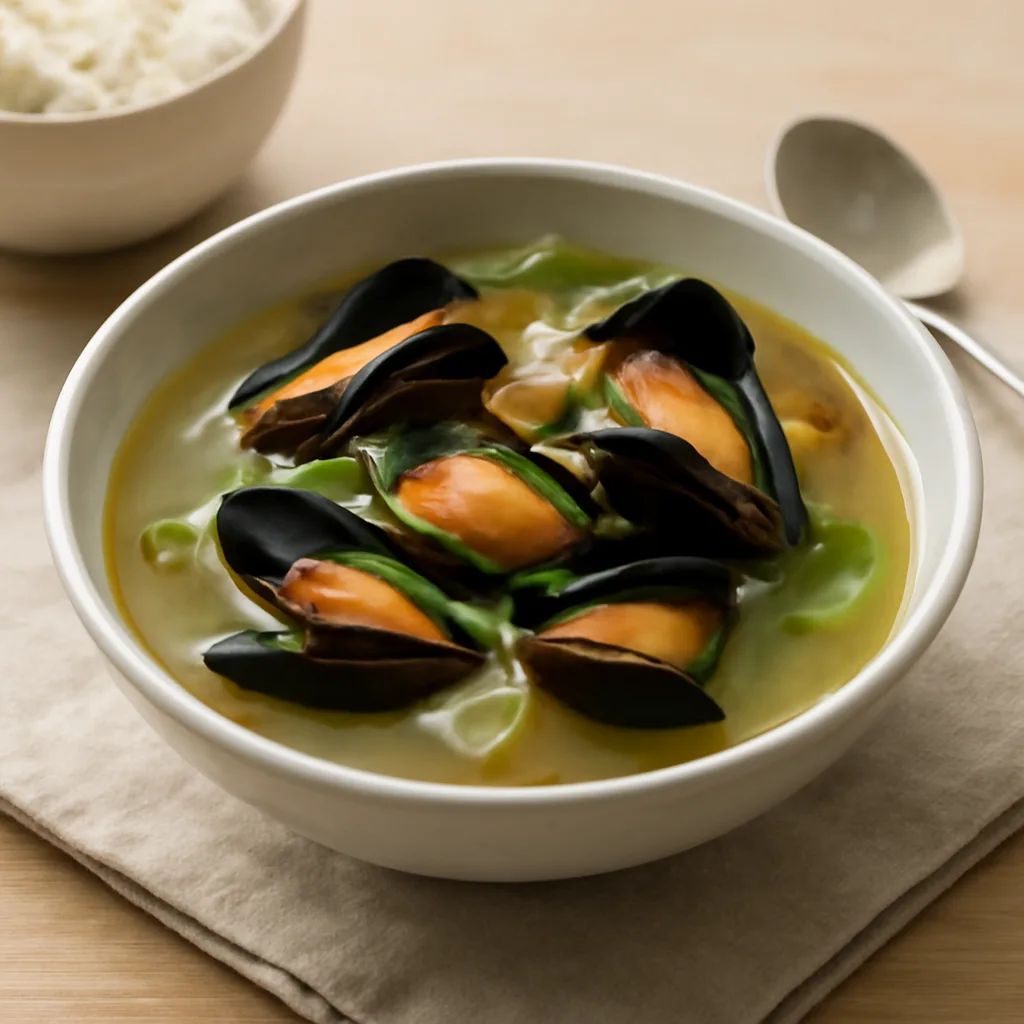
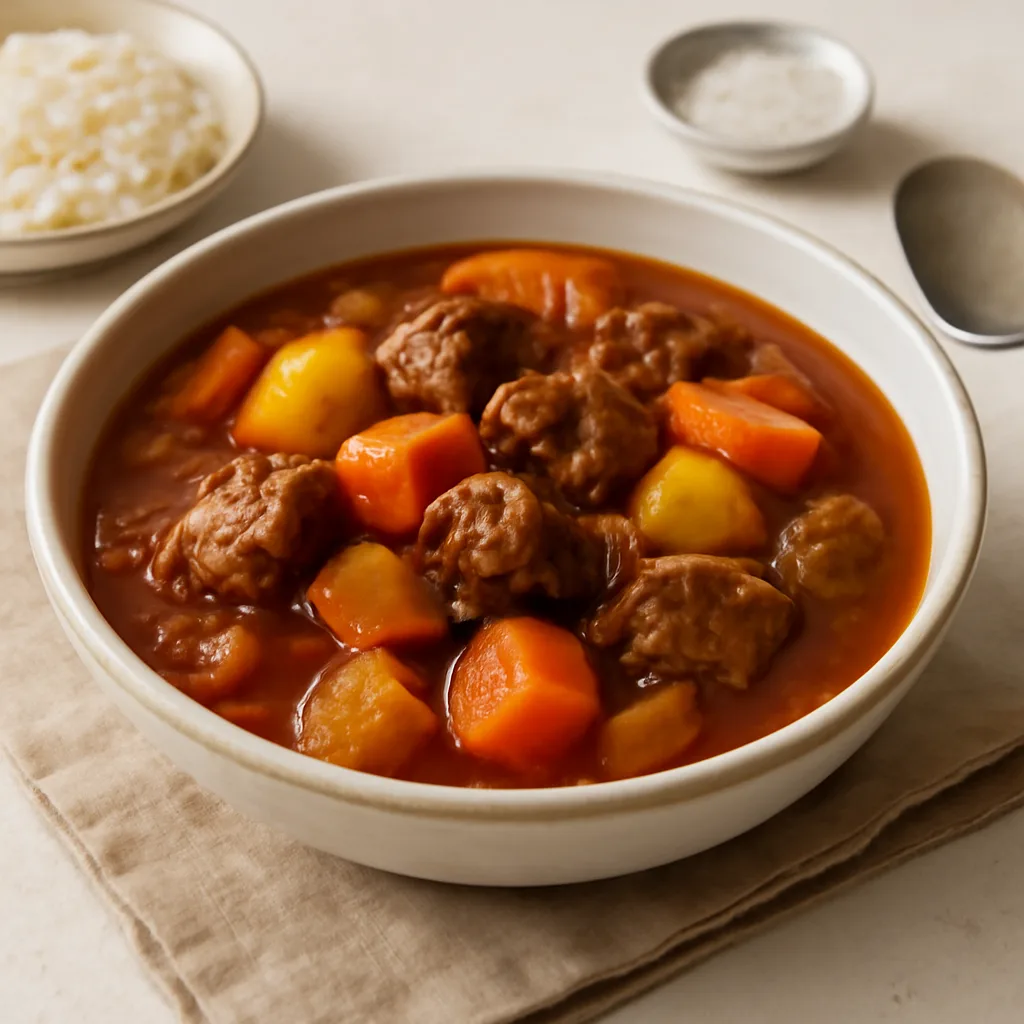
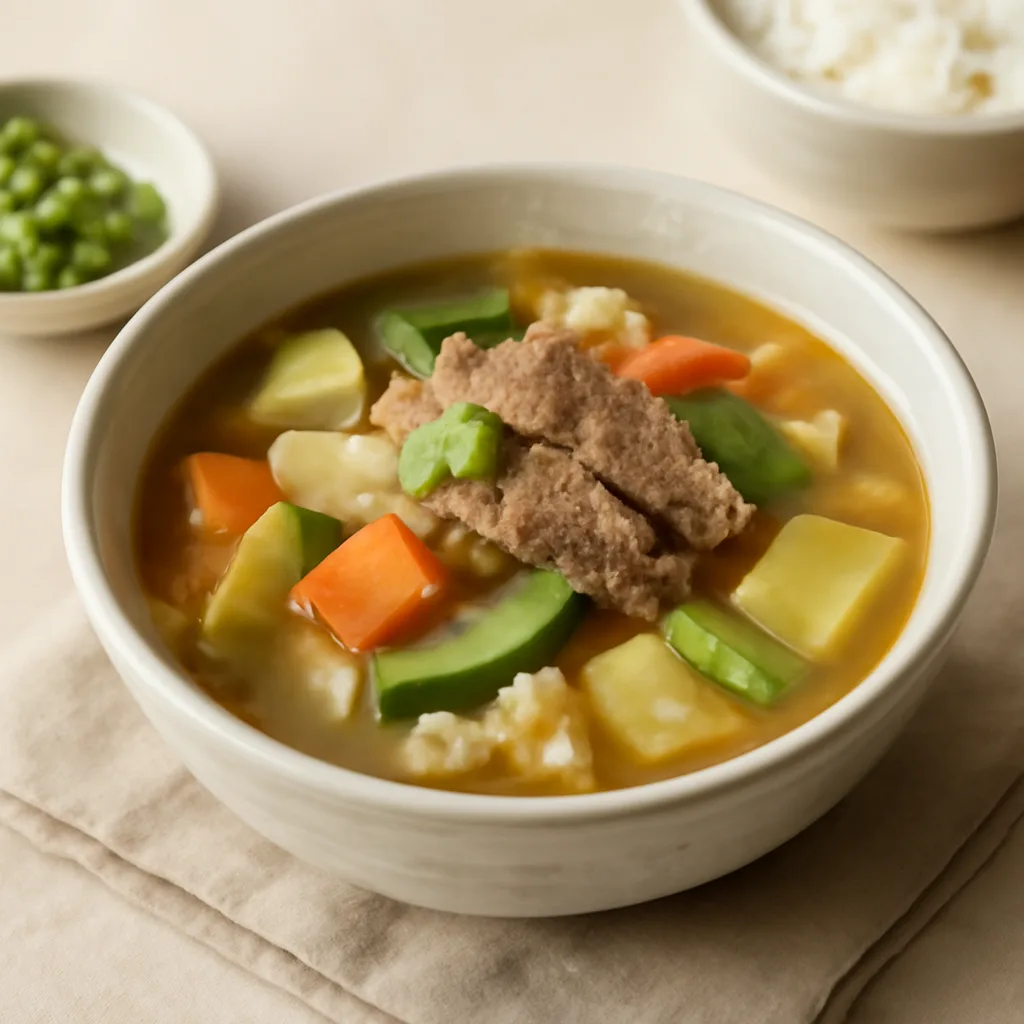
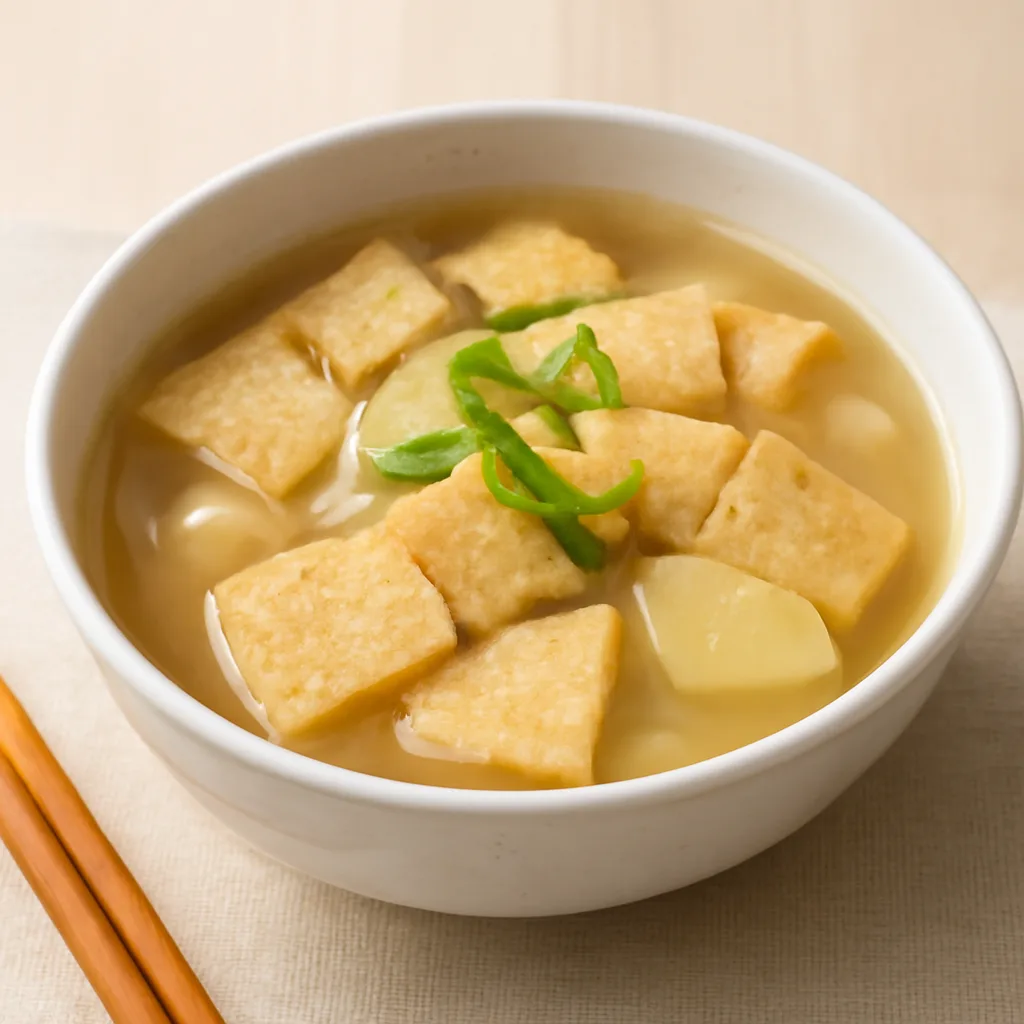
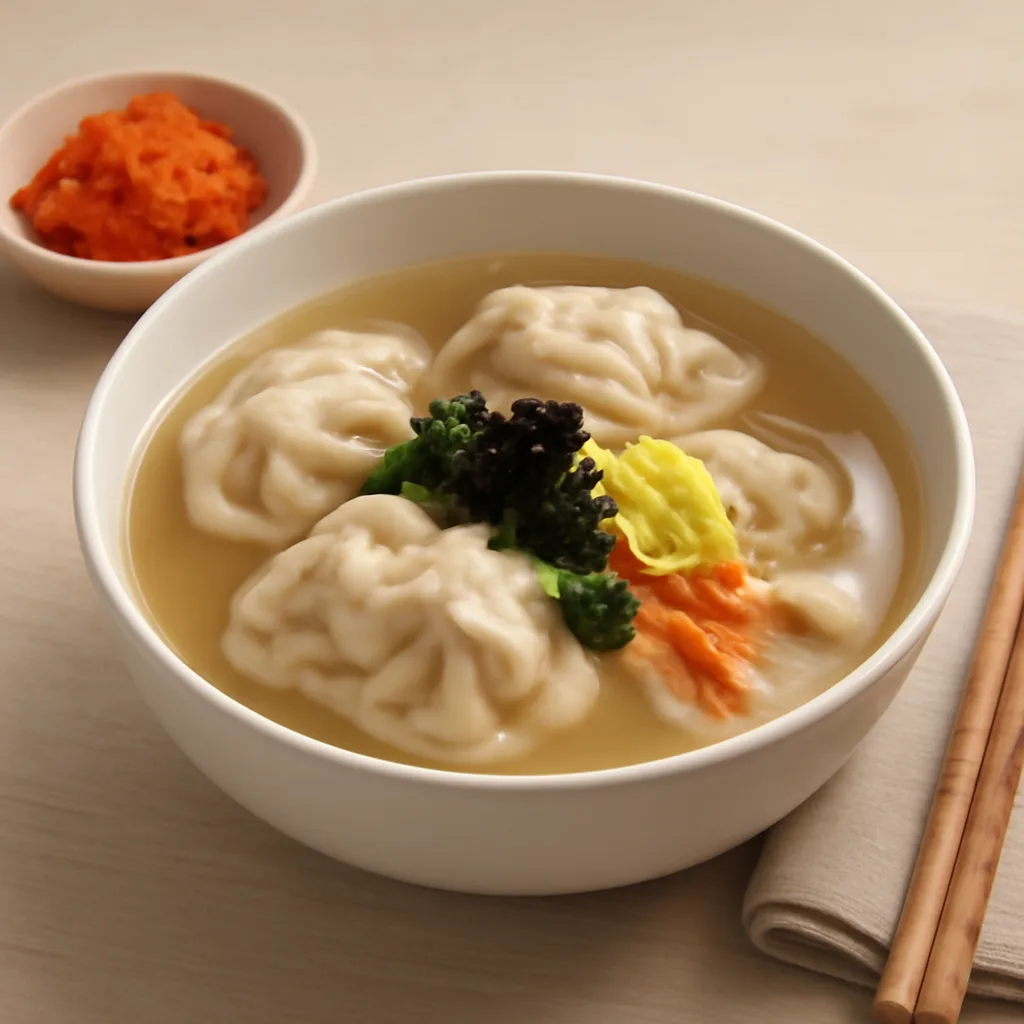
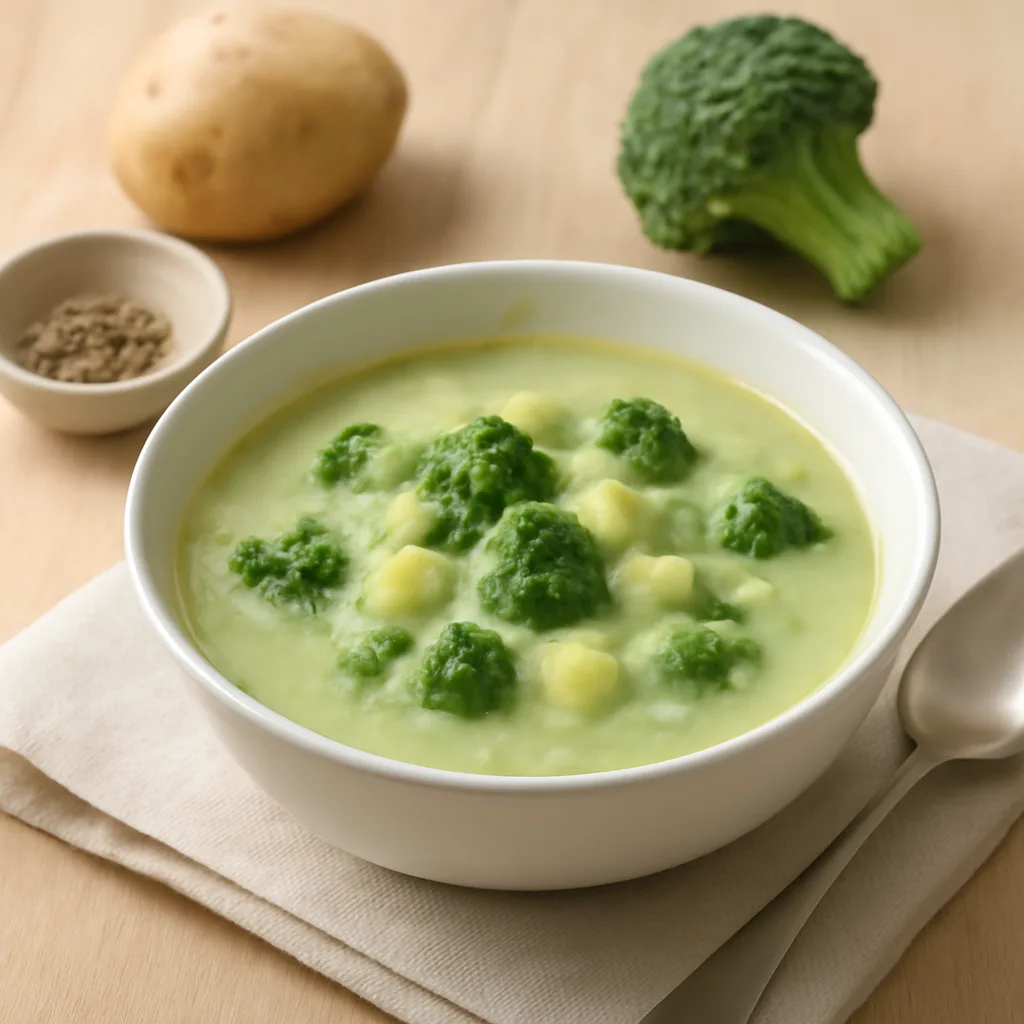
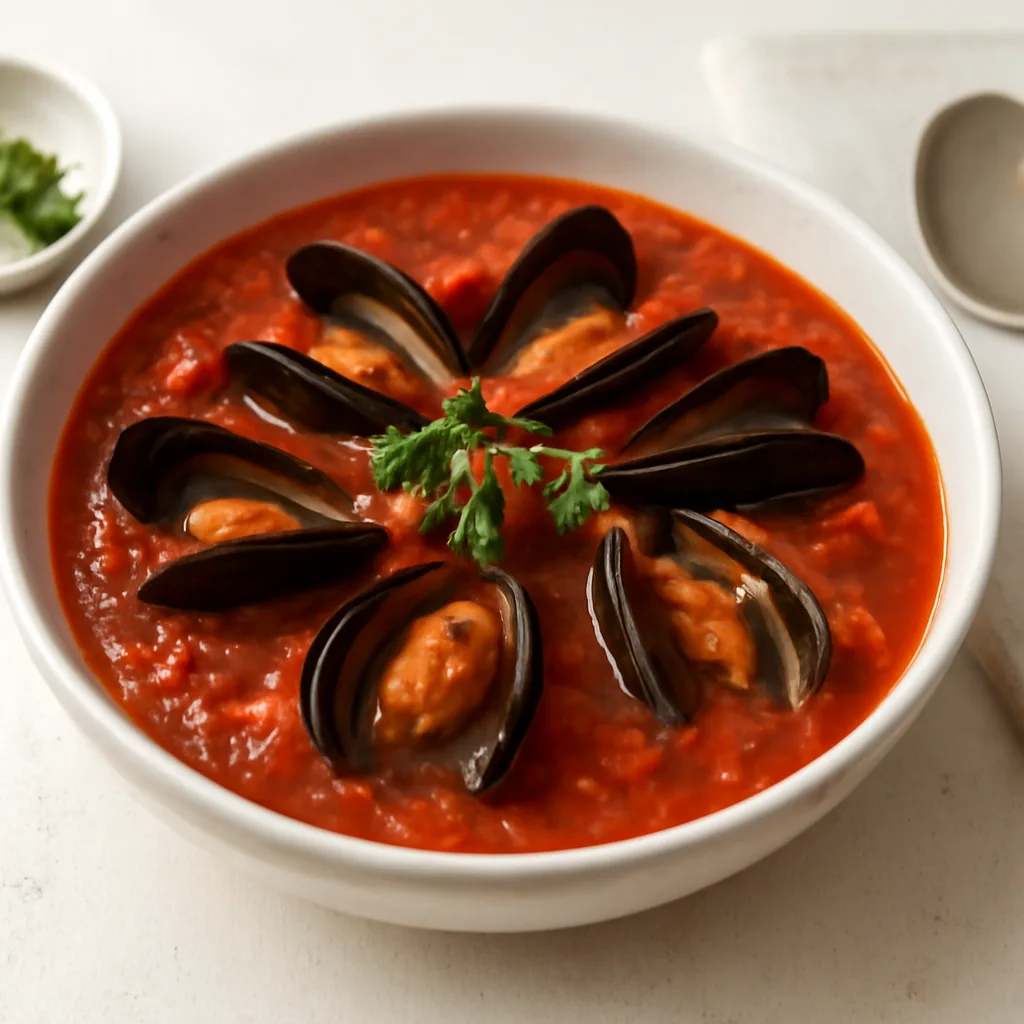
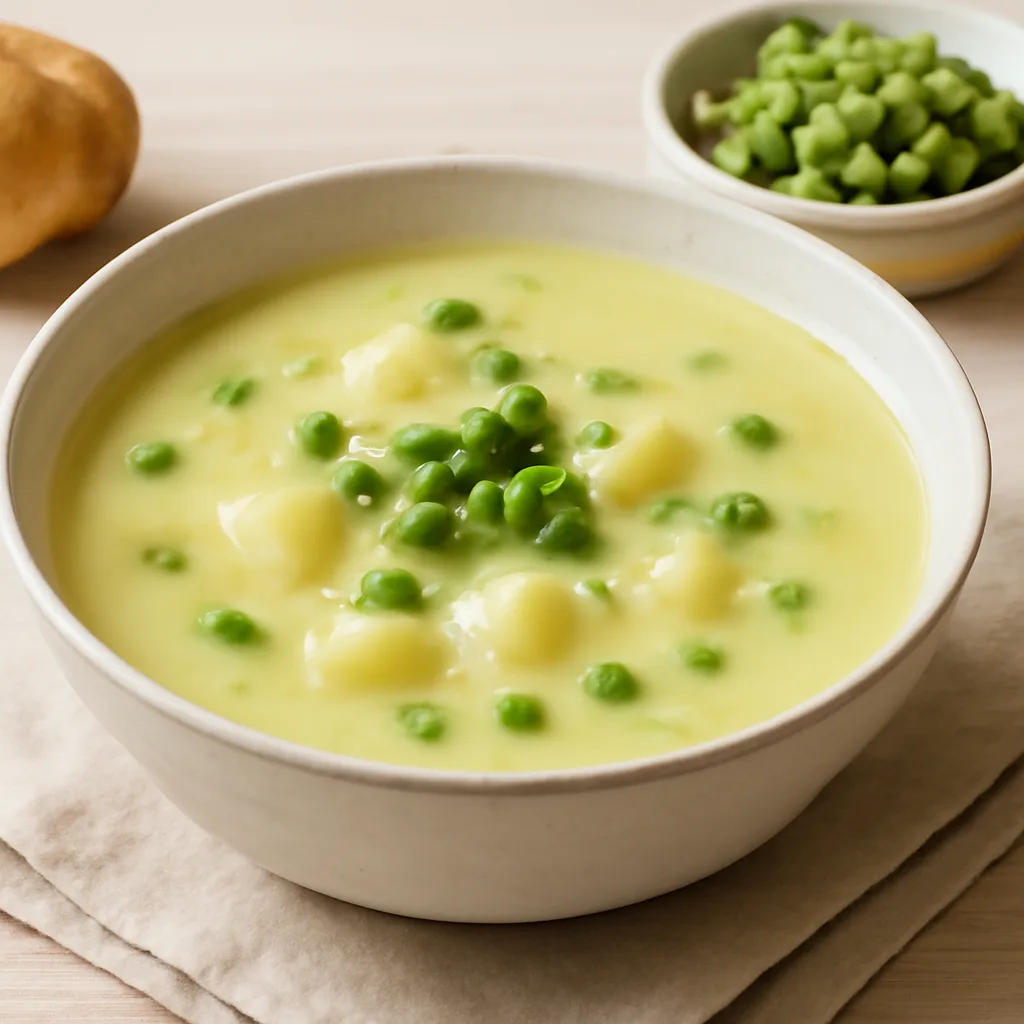
Here are the foods included in this theme, sorted by views from CookPagoda's public food.