Ingredient Encyclopedia
Check the characteristics of the ingredients and how to use them in cooking.
Smoked salmon
1
1
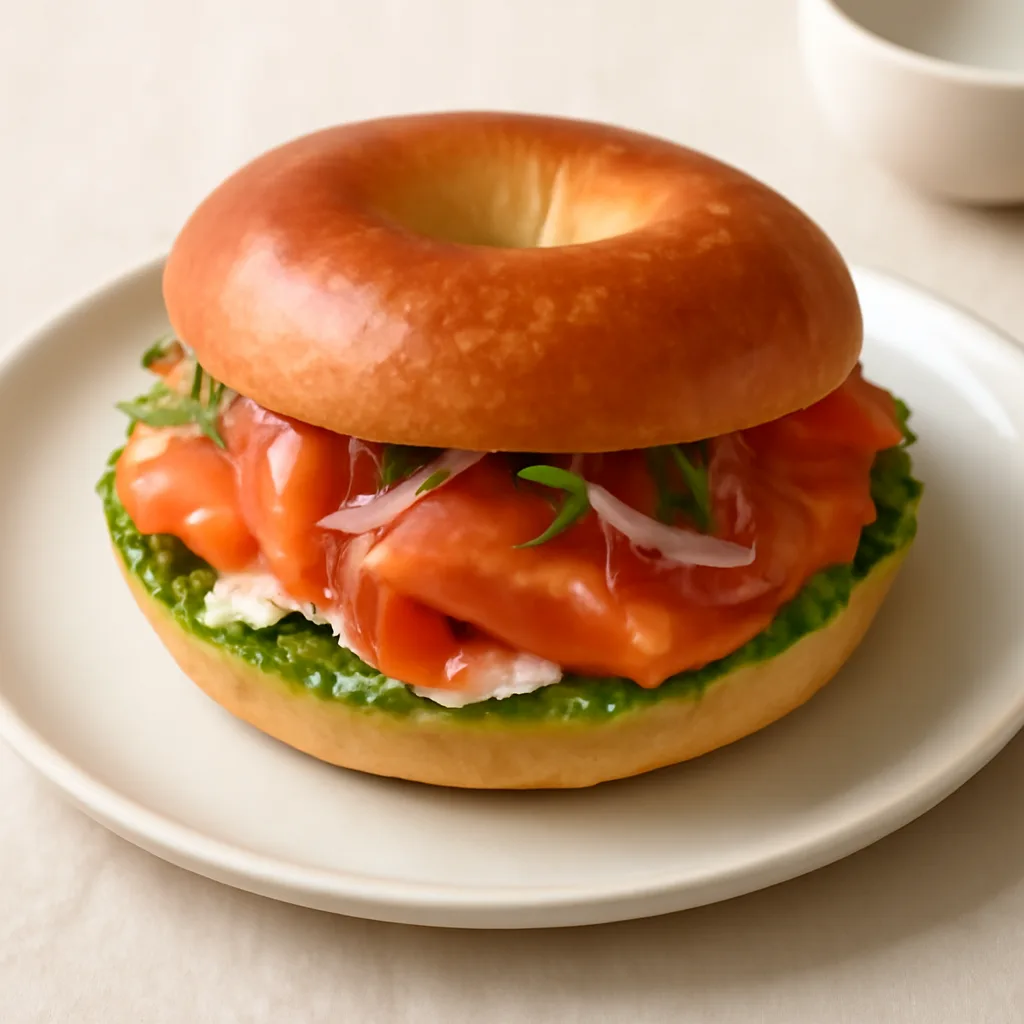
Smoked salmon is a salted salmon that has been infused with a smoky aroma, suitable for slicing thin and eating cold or as an accompaniment to dishes. It adds savory, fatty umami even without strong additional seasoning, making simple sandwiches, salads, and pastas more flavorful. Most of it is sold in a ready-to-use or processed state, so it’s easier to preserve texture and aroma by adding it at the finishing stage rather than cooking it for a long time. Since saltiness and the strength of the smoke vary by product, adjust the seasoning of sauces or cheeses after tasting the salmon. Pairing it cold with bagels and cream cheese highlights the contrast between its soft fat and fresh ingredients. Conversely, leaving it for a long time in hot broth or strong stir-fries can firm up the flesh and mute the smoky aroma, so in such dishes it is better used as a small garnish."
Taste and Texture
Aged savory saltiness, a nutty fattiness characteristic of salmon, and a subtle to distinct smoky aroma are felt together. If you add acidity like lemon or vinegar, the oily impression becomes lighter. Thinly sliced smoked salmon is moist and tender and shreds smoothly in the mouth. If the edges are dry or feel too chewy, it’s better not to use high heat cooking but cold dishes or brief warming.
Main uses
- Top cream cheese on bagels, toast, or crackers for a cold open-faced sandwich.
- Toss with arugula, cucumber, onion, and capers in salads, where the saltiness partially functions as the dressing's salt. However, adding too many pickled ingredients can make the whole dish too salty, so judge the saltiness of the dressing last.
- When making cream sauces or lemon-butter pastas, tear it in after turning off the heat or place on the plate just before serving. If simmered with the sauce, the salmon pieces shrink and the texture becomes less tender.
- Pair with scrambled eggs, omelets, or potato dishes to add smoky depth to a mild ingredient. When mixing with eggs, add it after fully cooking and heat with residual heat."
Preparation tips
- After opening the package, if the surface is damp, lightly blot with a paper towel. Rubbing to wipe can tear thin flesh and overly dry the oily surface.
- When cold, remove just before use and spread on a plate to minimize overlapping pieces. If it doesn't smell or taste smoky enough, let it sit a moment, but avoid leaving at room temperature for a long time.
- When adding to sauces, tearing into bite-sized pieces loosely rather than long strips can prevent all the saltiness from concentrating in one area.
- Since smoked salmon is already seasoned, avoid adding the full amount of salt in the recipe from the start. If using salty ingredients like cream cheese, capers, or olives, balance first with pepper, lemon juice, and herbs.
Cooking characteristics
- At low heat the fat becomes soft and the aroma spreads, but prolonged exposure to high heat can cause the proteins to contract, making the edges firm and dry. For pan cooking, it’s best to turn off the heat and add it, or heat it only briefly.
- In creamy or butter-based sauces the smoky aroma feels round, but the saltiness also spreads. As the sauce reduces, the saltiness becomes more pronounced, so adjust seasoning toward the end when it's almost done.
- Acidic ingredients like lemon juice, vinegar, or pickle brine can cut through the oily taste, but using too much can mask the delicate aroma of the salmon. Add acidity gradually and taste as you go.
- When added to hot soups or porridge, its color and texture can be disrupted. If you want to preserve shape, place it in the bowl and top, or finely chop and use only a small amount to add flavor to the broth.
Good combinations
- Bright herbs like lemon, dill, chives, and parsley sharpen the smoky aroma and lighten the fat.
- Soft dairy like cream cheese, sour cream, or yogurt softens the saltiness, but if you’re using it with already salted products, skip or greatly reduce the salt.
- Crisp or acidic ingredients like cucumber, radish, onion, capers, and pickles contrast with the soft texture. If using capers and pickles together, they can clash in acidity and saltiness, so choose one as the main source of acidity.
- Starchy neutrals like potatoes, eggs, rice, or pasta provide a base that lets the smoked salmon stand out even in small amounts.
Points to consider when substituting
- Cold bagels or salads can use smoked salmon as the closest substitute, but depending on the product the smoke flavor and fat content vary, so you may need to adjust seasoning.
- If the goal is savory, salty salmon flavor in pasta or egg dishes, you can use cooked salmon with a small amount of salt and lemon. However, since the smoky aroma is lacking, using smoked paprika as a minor complement is possible, but the color and aroma will be different, so results won’t be the same.
- For vegetarian options, try smoked tofu, roasted mushrooms, or pickled carrots, but texture and seafood-like flavor will be quite different. In this case, plan a separate salty and fresh direction with capers, lemon, and dill.
- If you simply need protein topping in hot dishes, you can use roasted salmon, chicken breast, or peas. However, substituting smoked salmon depends on whether the dish requires smoky aroma, a tender fish texture, or salty umami.
Ingredients commonly used together in actual dishes
Aggregated based on the co-occurrence count of representative ingredients in public dishes registered in CookPagoda.
Dishes that use this ingredient
Shows dishes where this ingredient is a representative ingredient, sorted by view count.