Ingredient Encyclopedia
Check the characteristics of the ingredients and how to use them in cooking.
Cucumber
18
23
Cucumber is a vegetable high in moisture with a fresh flavor, well suited for cooking that preserves its crisp texture when eaten raw. It can be thinly sliced and added to namul or salads, cut into long pieces as a side vegetable, or pickled for side dishes or sandwich fillings. If heated for a long time, the firm crispness is lost and water is released easily, so it is better to cook briefly for stir-fries or soups. Since cucumber has a subtle aroma, using seasonings that clearly define the flavor such as salt, vinegar, soy sauce, sesame oil, and garlic makes it easier to use. Cucumbers with large seeds and a soft center can release a lot of water when sliced. In such cases, scrape out part of the seed area or briefly salt and then wring out the moisture to keep namul from becoming too watery.
Taste and Texture
Cucumbers have a fresh, clear aroma, a mild sweetness, and a slight bitter finish. The skin side has stronger aroma and bite, while the flesh and seeds are soft and very moist. Fresh cucumbers, when cut, have a firm and moist cross-section and remain distinctly crunchy when chewed. Conversely, if the cross-section becomes soft or the area around the seeds is too wet, they are better suited to pickling or quick stir-fries to control moisture.
Main uses
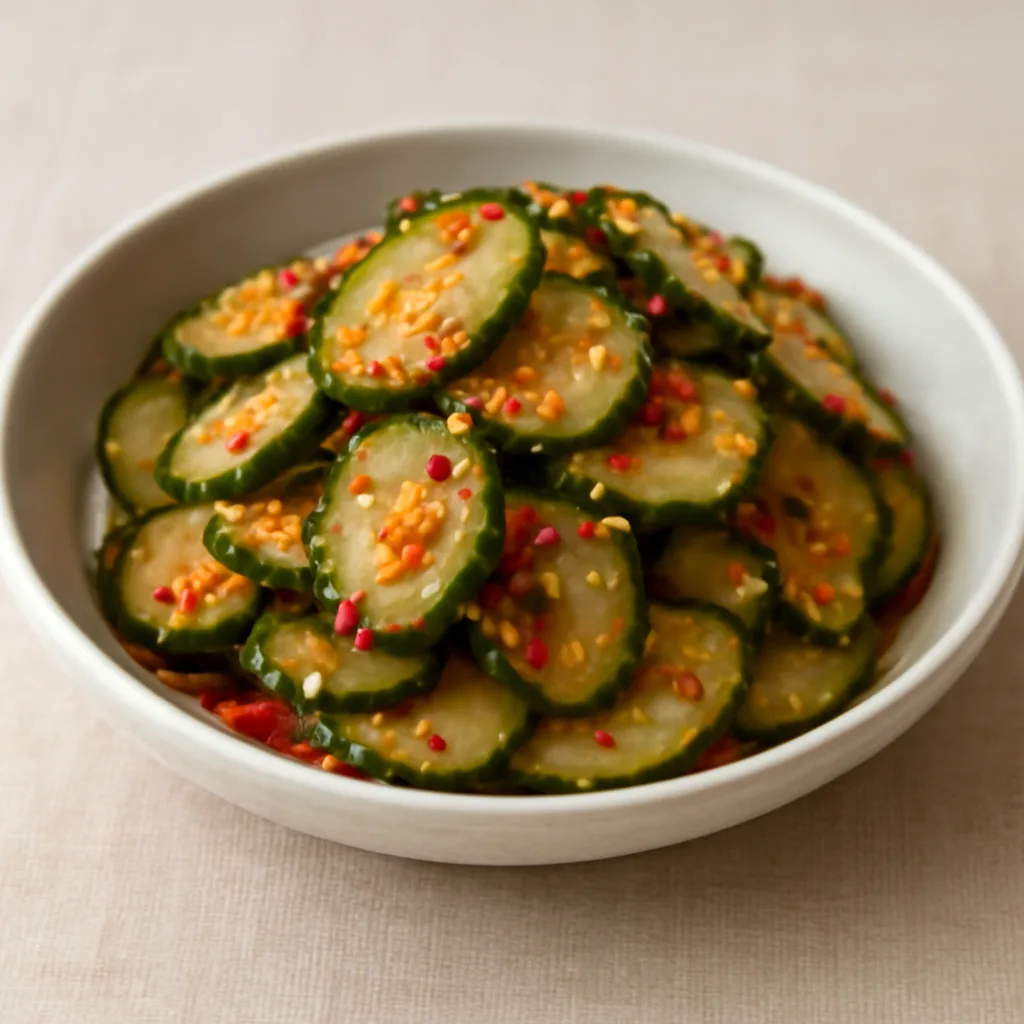
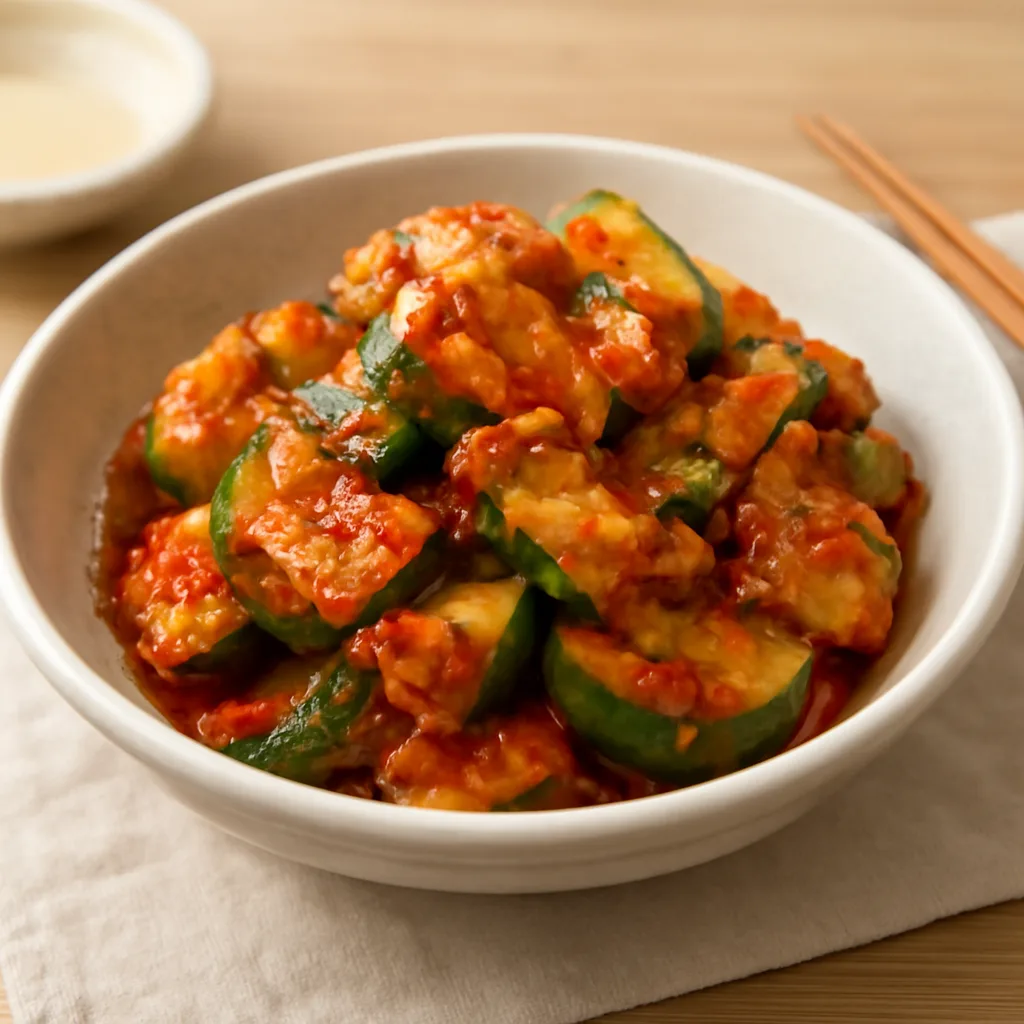
- Slice thinly or shred for cucumber namul seasoned with salt, vinegar, chili pepper, and garlic for a quick side dish. If left to sit, water is released, so seasoning close to eating time works best.
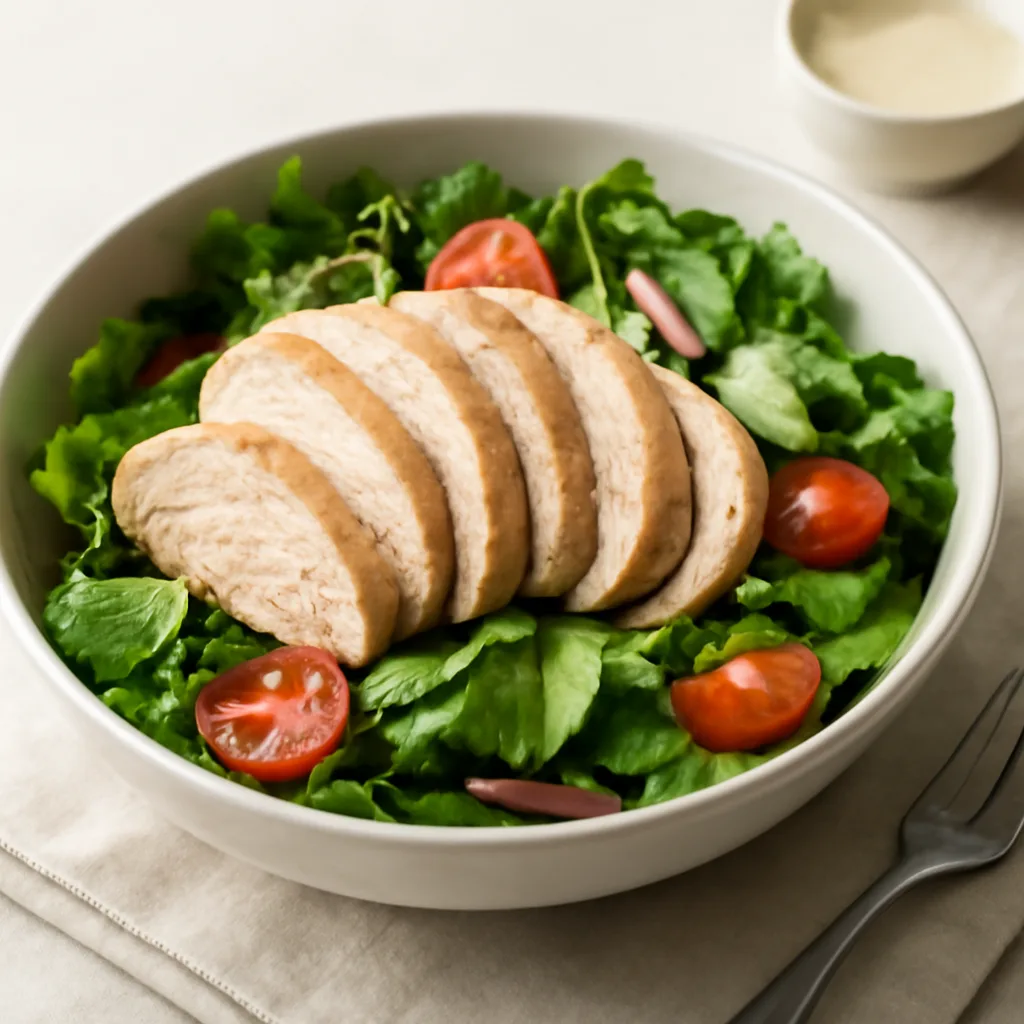
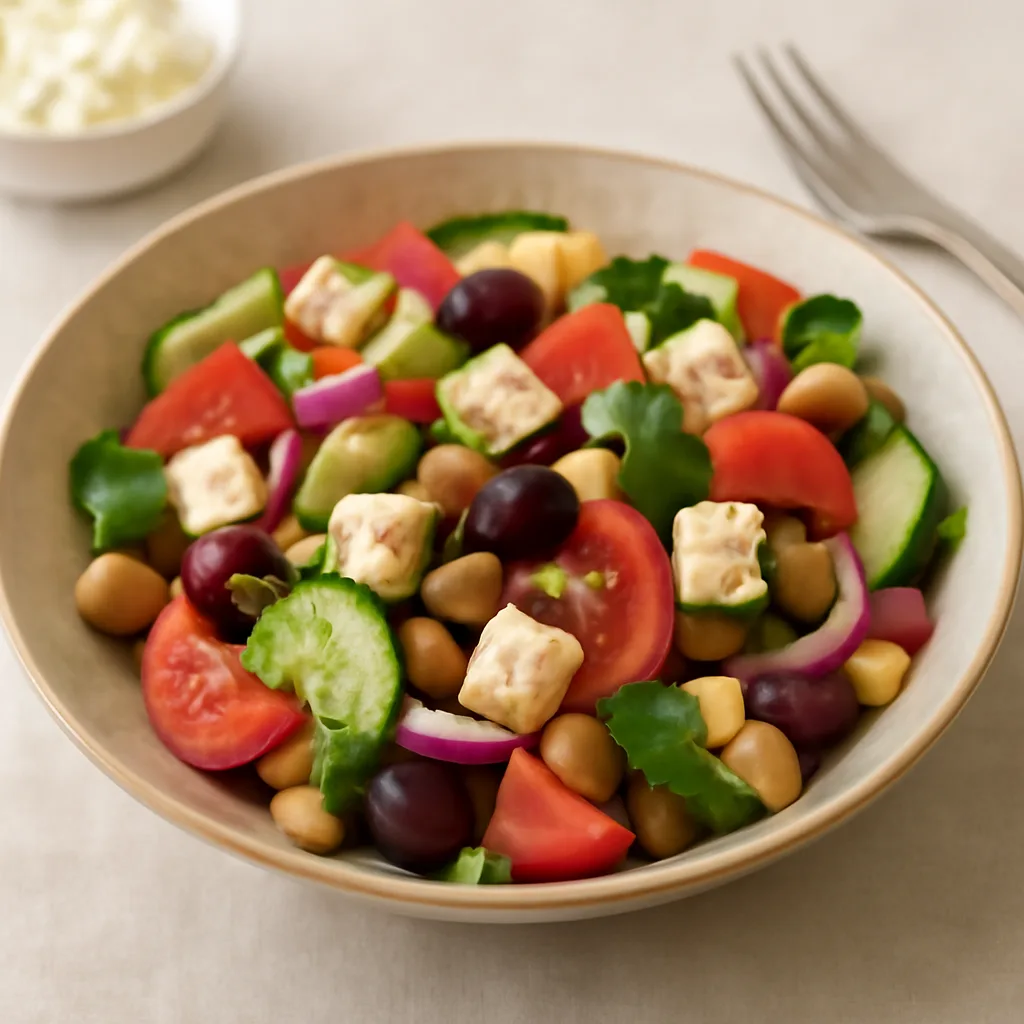
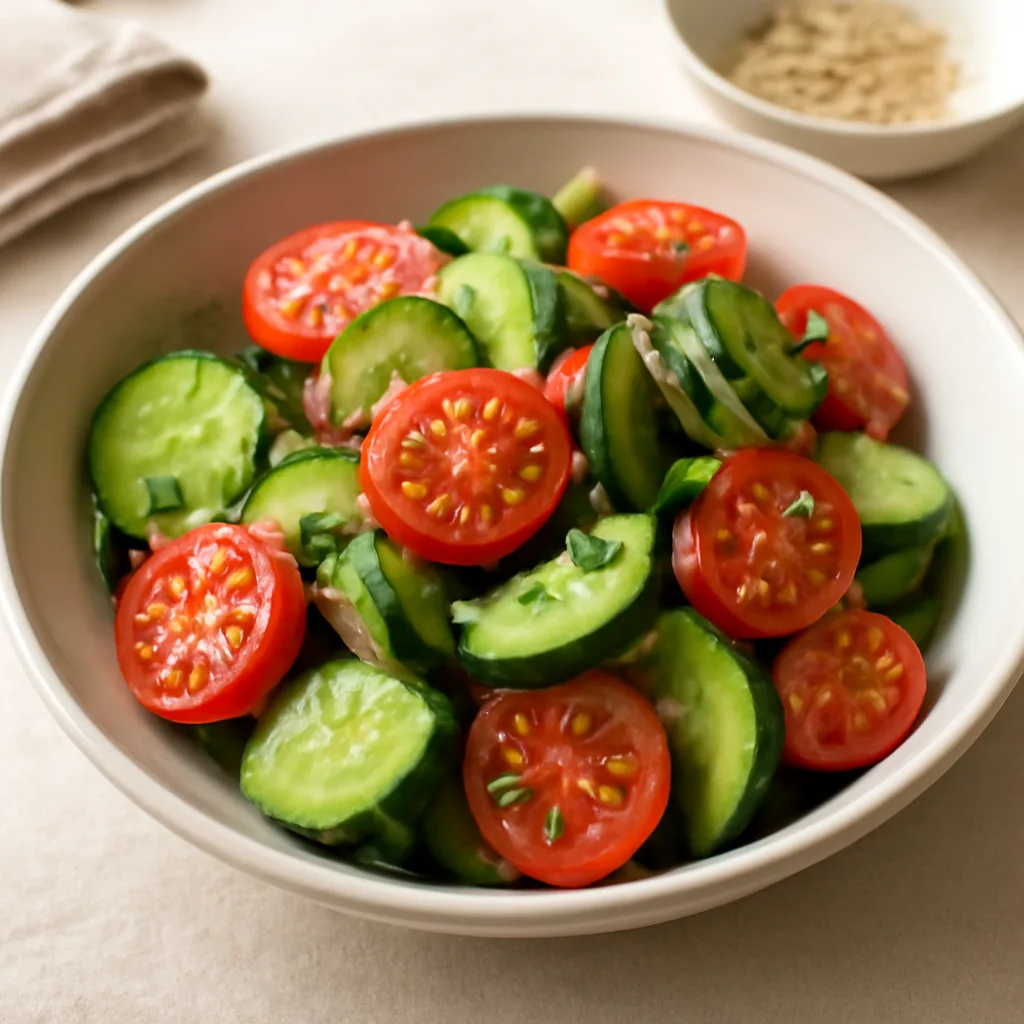
- In salads, use half-m-moon slices, ribbon cuts, or thick sticks to add cold crunch. If dressing is overly mixed beforehand, moisture will be released, so dress separately or add just before serving.
- In pickles with vinegar, salt, and sweetness, pair with fried dishes, sandwiches, or rice dishes. In pickles, the balance focuses on sour and salty flavors rather than crunch, so if pickling makes it too soft, the fresh cucumber texture is hard to achieve.
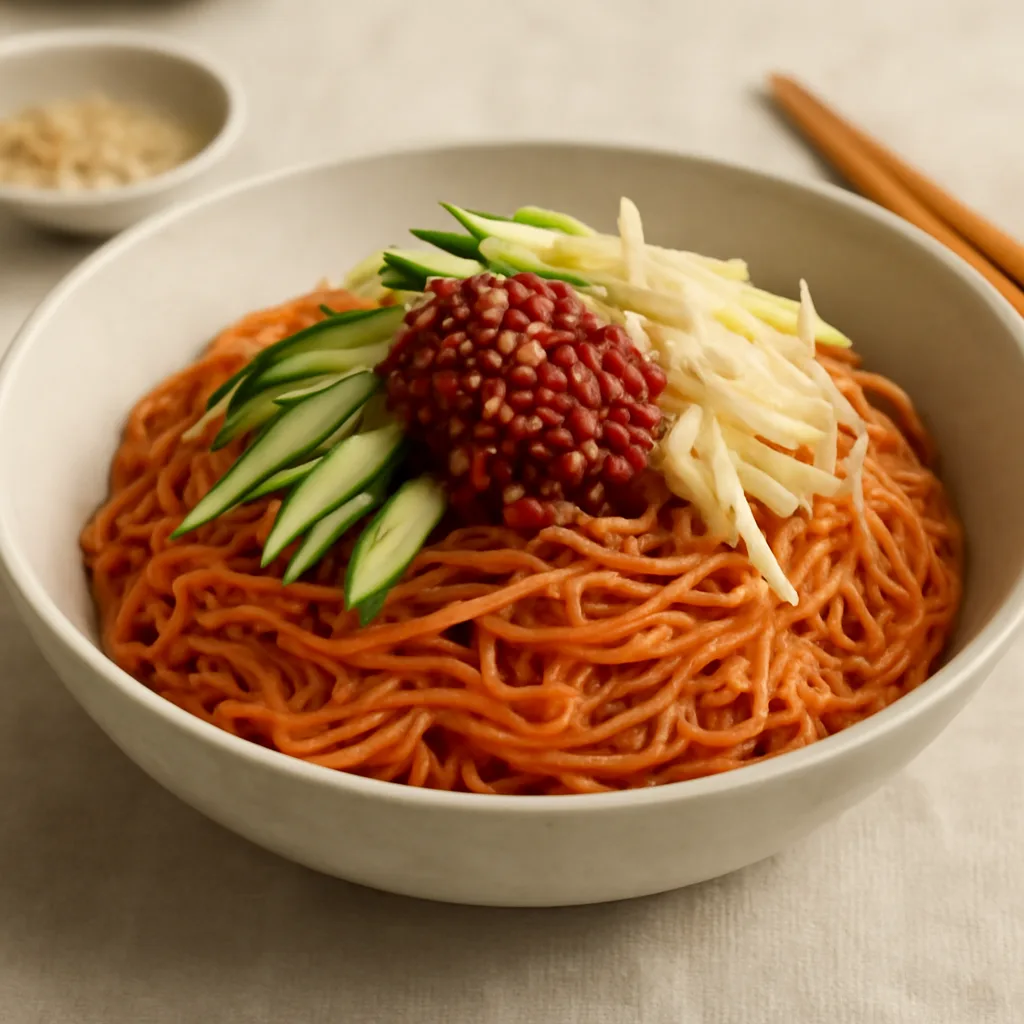
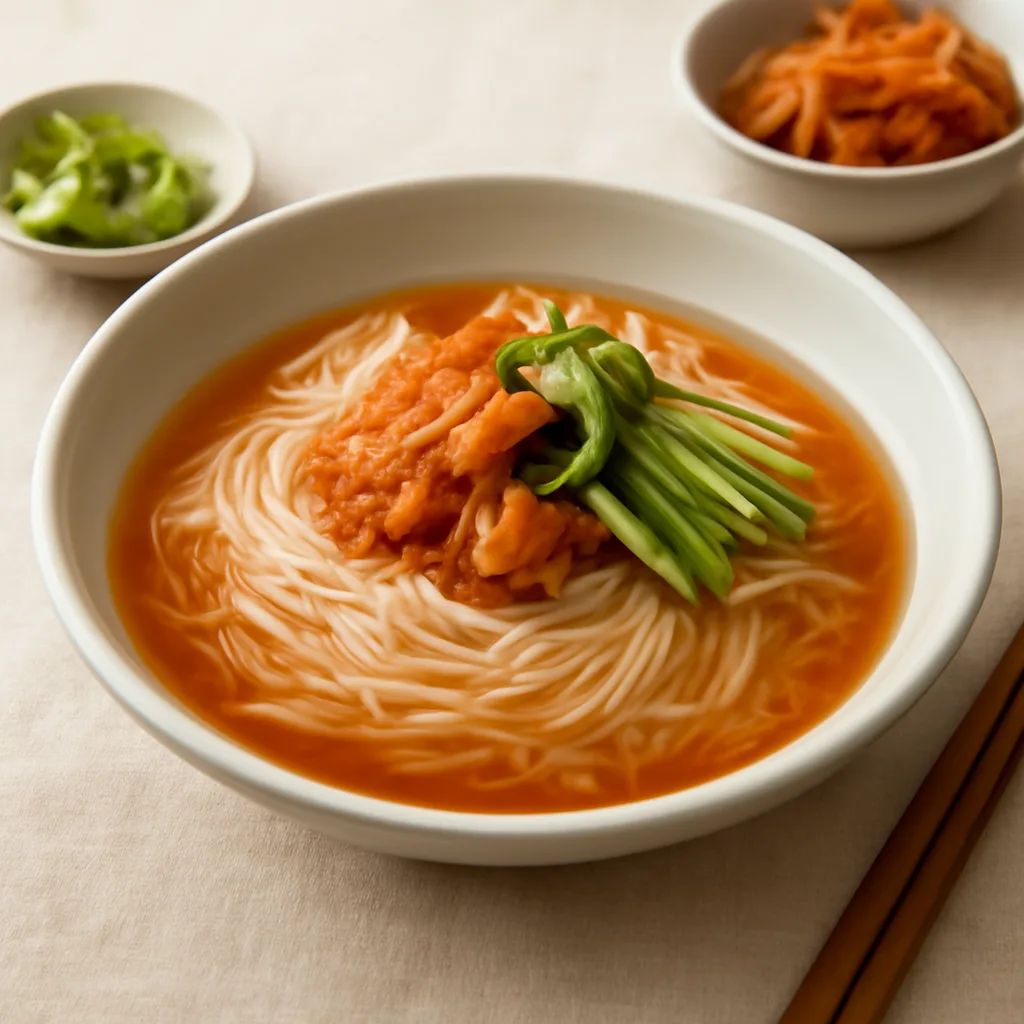
- As a topping for cold dishes like noodles or cold soups, it adds a cool impression and a crisp bite. Do not soak in advance in broth; add just before serving to keep the surface from getting waterlogged.
- For stir-frying, add at the very end with other ingredients almost cooked to briefly heat. If cooked too long and moisture is released, the sauce will become thin, so this method is not suitable if you want the cucumber to retain a soft firm texture.
Preparation tips
- Rinse under running water while rubbing the surface, trim both ends, and cut according to use. If the strong aroma or tough texture of the skin is bothersome, parts can be peeled, but removing all the skin reduces the crisp biting texture a bit.
- For namul, after slicing sprinkle lightly with salt and let sit briefly, then do not wring out the released water; press lightly to remove excess moisture to keep the seasoning from becoming too watery. If squeezed too hard, the tissue may become flattened and tough, so gently press with hands to adjust moisture.
- For seeds that are large and the center soft, split lengthwise and scrape out the seed area with a spoon before use. For cold soups or juices that require moisture, you may leave the seeds.
- For salad use, briefly soak sliced cucumbers in cold water, then pat dry completely to feel the crisp texture more distinctly. If cucumbers are already salted, skipping this step is fine.
Cooking characteristics
- Cucumbers tend to release water as they meet salty, sugary, or acidic seasonings. When the liquid pools in the bottom of the seasoning dish, that’s a sign the flavor is weakening, so rather than adding more seasoning, drain the moisture first or add to the namul just before serving.
- Stir-frying over high heat briefly warms the surface while retaining some chewiness in the center. On the other hand, cooking slowly over low heat makes the tissue soft and watery, more like a moist side dish than a crisp fry.
- In pickle with vinegar, as time passes the cucumber’s fresh green flavor diminishes and the sourness becomes more pronounced. If the pickling liquid becomes cloudy or the cucumber softens more than desired, shorten the pickling time and handle it colder next time.
- When added to hot broth, cucumbers can soften quickly, so adding at the end is suitable for clear soups or stews. Since they do not deepen the broth flavor with long cooking, if you want the cucumber’s presence, keep the heating time short.
Good combinations
- Using vinegar with sugar or other sweetness enhances the cucumber’s freshness and suits pickles and cold dishes. If the acidity feels strong, adjust by adding a little more sweetness or a nutty oil instead of increasing salt.
- Sesame oil, sesame seeds, garlic, and chili powder add a savory and pungent note to cucumber namul. If you want to preserve sesame oil aroma, add it last after mixing; in pickles that require longer storage, the aroma may weaken, so use sparingly.
- Pair with yogurt or soft dairy and herbs to create cold, mild sauces or salads. However, very watery sauces may make the cucumber release more water, so remove seeds or pat dry before using.
- Pairing with fatty meats, spicy sauces, or salty sandwich fillings creates contrast with cucumber’s cool, light texture.
Points to consider when substituting
- The fresh, crisp role of raw cucumber is not fully replaceable by zucchini or courgette; while they can be used raw, their aroma and firmness differ, so in salads or cold dishes it’s closer to combining a crisp vegetable like turnip or celery in small amounts.
- For pickles or sandwich fillings, you can pickle radish, cabbage, or carrot. However, these are firmer and less watery or have different aromas, so results may differ with the same seasoning and time.
- When using zucchini as a substitute in quick stir-fries, extend the cooking time a little and adjust seasoning at the end. Zucchini cooks softer and sweeter, so it’s not ideal for achieving cucumber-like crunch in such dishes.
- If cucumber is unavailable for cold soups or cold noodle toppings, you can use finely shredded radish. If radish has a strong peppery flavor, rinse briefly in cold water and drain to reduce flavor difference.
Ingredients commonly used together in actual dishes
Aggregated based on the co-occurrence count of representative ingredients in public dishes registered in CookPagoda.
Dishes that use this ingredient
Shows dishes where this ingredient is a representative ingredient, sorted by view count.