Ingredient Encyclopedia
Check the characteristics of the ingredients and how to use them in cooking.
Plain yogurt
6
7
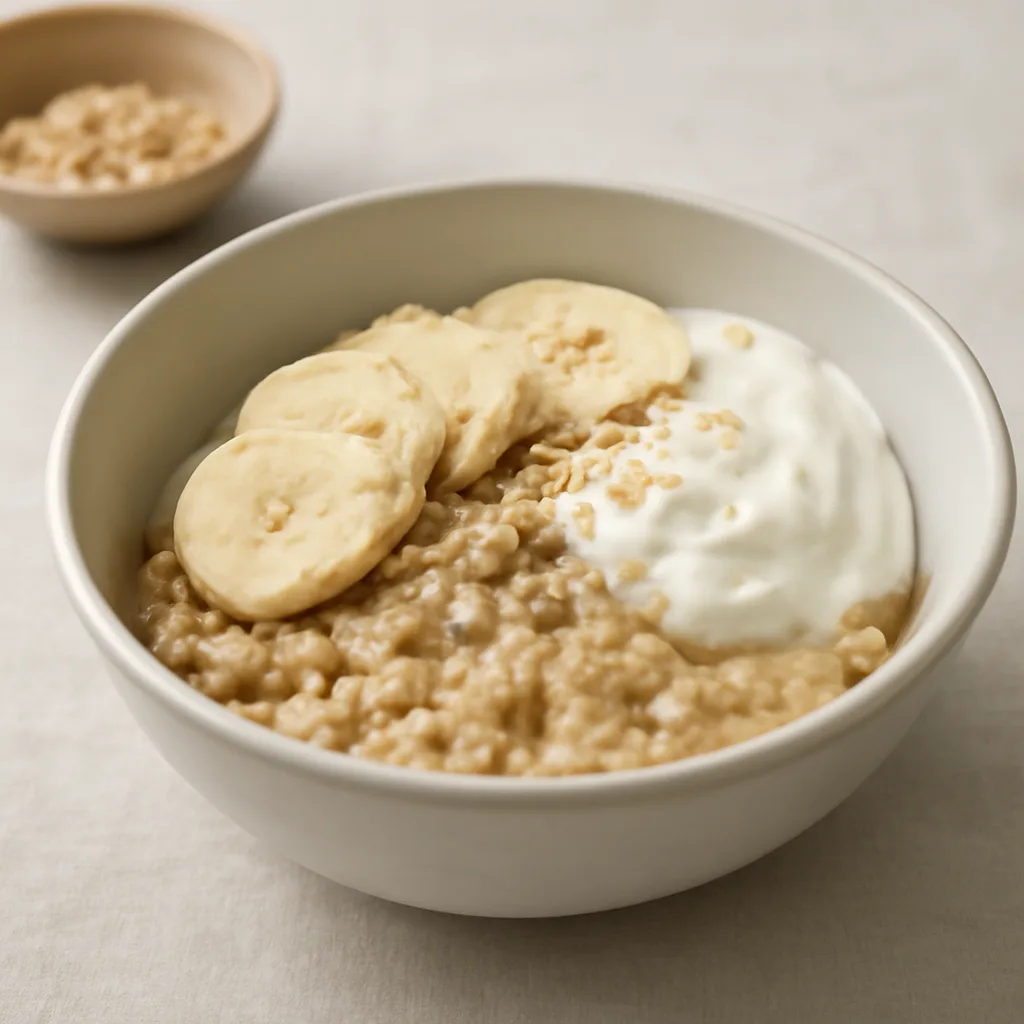
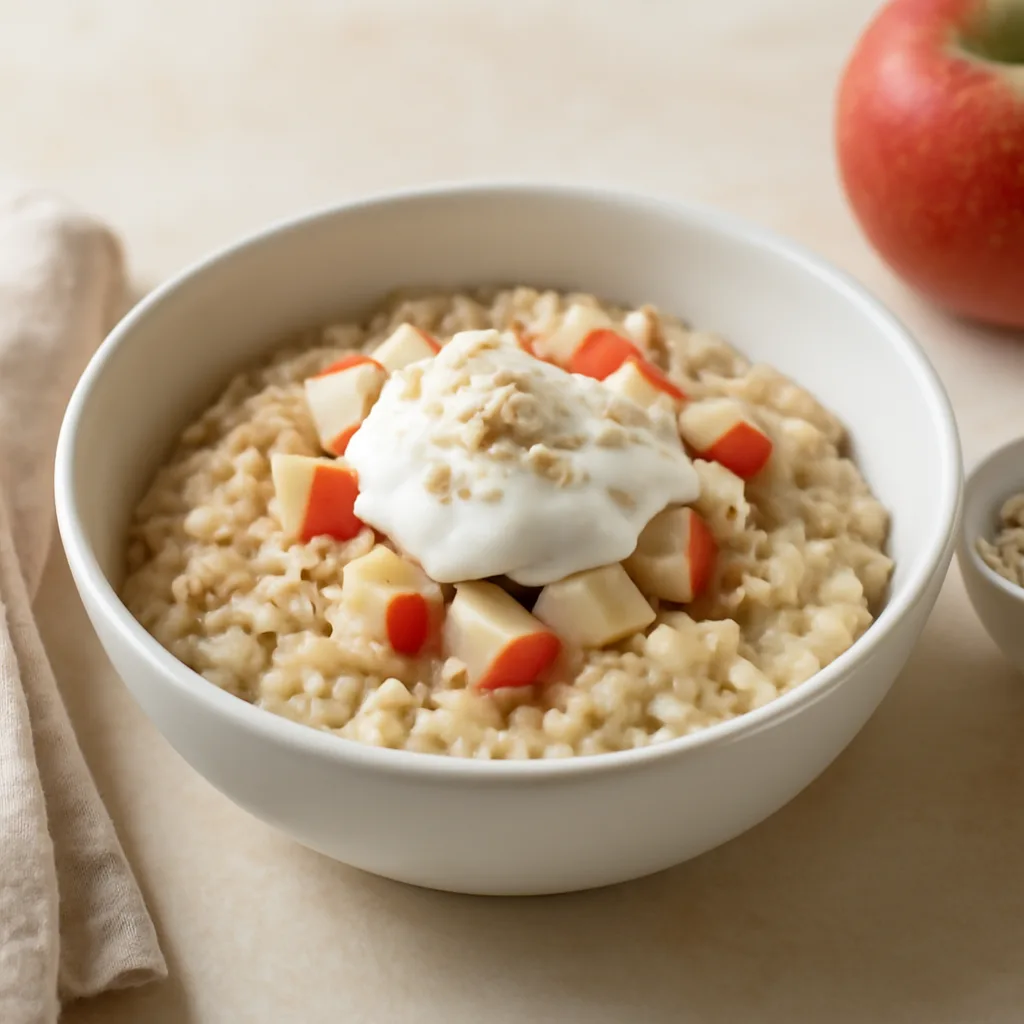
Plain yogurt is yogurt without added sugar, fruit flavors, or other ingredients, and it’s handy to add a refreshing acidity and soft, yogurt-y texture to dishes. Its consistency varies from thin regular yogurt to thick varieties and strained yogurts, so the flow of sauces and moisture in batters can differ. Chilled, it pairs well with dressings, dips, and breakfast; when cooked, it adds acidity and softness to soups, curries, and stews. However, boiling at high heat for a long time can cause the proteins to clump and separate, so for dishes that require a smooth finish, lower the heat or add it at the end. Taste a spoonful of the product’s acidity and thickness first to determine its use, which helps prevent mistakes. Very tart products can become overly acidic in recipes with lemon or vinegar, so add acidic ingredients gradually to balance.
Taste and Texture
A mild dairy flavor with subtle or pronounced acidity, and texture varies with fat content and thickness. Plain yogurt is soft and relatively runny, while thicker products are creamier and give sauces more body. When cold, the acidity comes through more clearly, and when mixed into warm dishes, the flavor becomes more rounded. However, exposing it to strong heat for a long time can cause small lumps or clear whey separation instead of a smooth finish.
Main uses
- Mix with cucumber, herbs, and garlic to make a cool dip or accompaniment sauce, adding brightness to vegetables, roasted meats, or flatbreads.
- Add olive oil and spices to yogurt for salad dressings to achieve a creamier texture than vinegar-only dressings. However, if you mix too much with leafy greens in advance, moisture can cause wilting, so mix just before serving.
- Stir in at the end of curries, stews, or soups to add acidity and softness. Instead of adding it right at boiling, reduce the heat slightly and mix first to reduce separation risk.
- Use in cakes, muffins, and pancake batters as a source of moisture and acidity. If the batter looks too thin, reduce other liquids like milk or choose a thicker yogurt.
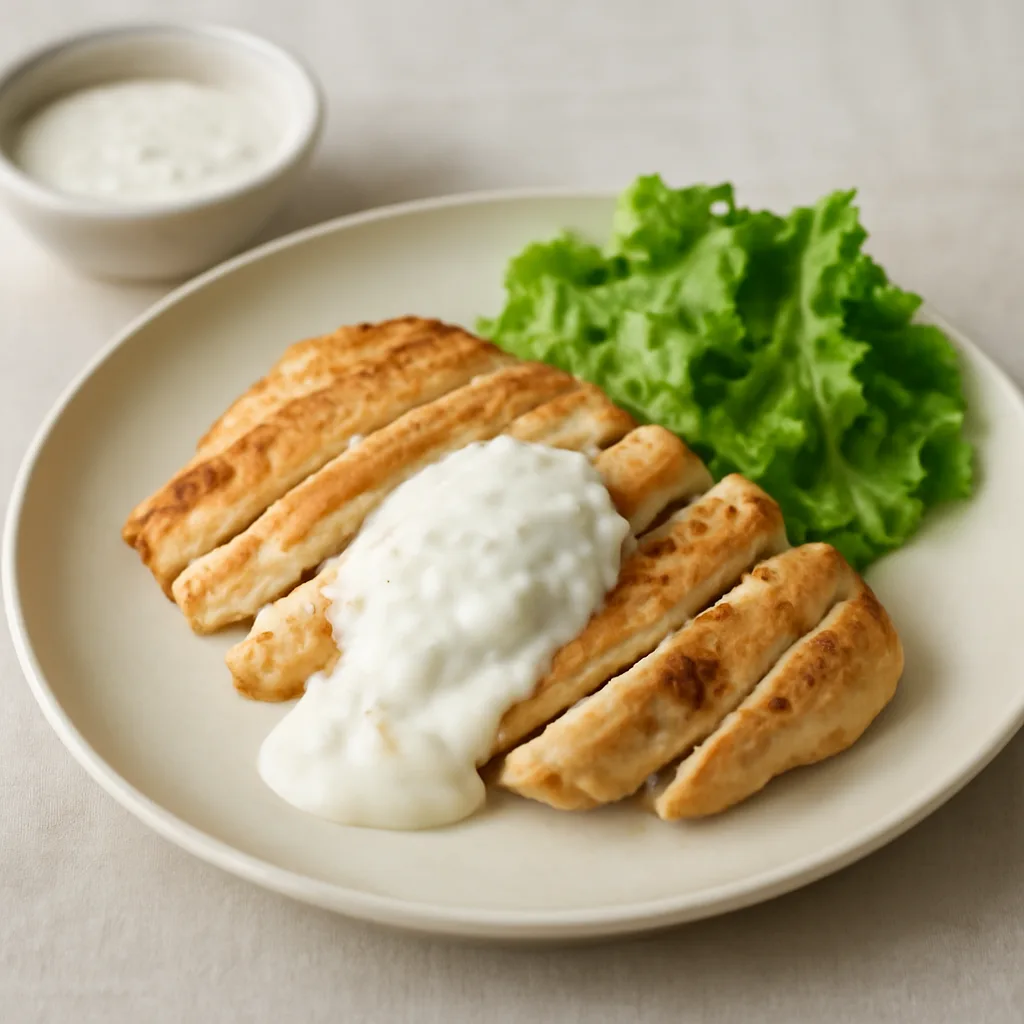
- It can also be spread thinly on meat or vegetables when seasoning; because it has acidity, if left to sit for a long time the surface texture and flavor can change, so keep processing time short and aligned with the cooking goal.
Preparation tips
- If the liquid separates in the container before use, whisk to homogenize the thickness. For thicker dips or toppings, drain briefly through a sieve or cloth, but keep using the liquid as needed in soups or batters.
- When adding to hot dishes, whisk a small amount of warm broth or sauce into the yogurt to raise the temperature, then add to the pot. Skipping this step and adding cold yogurt to boiling liquid can cause curdling from the temperature difference.
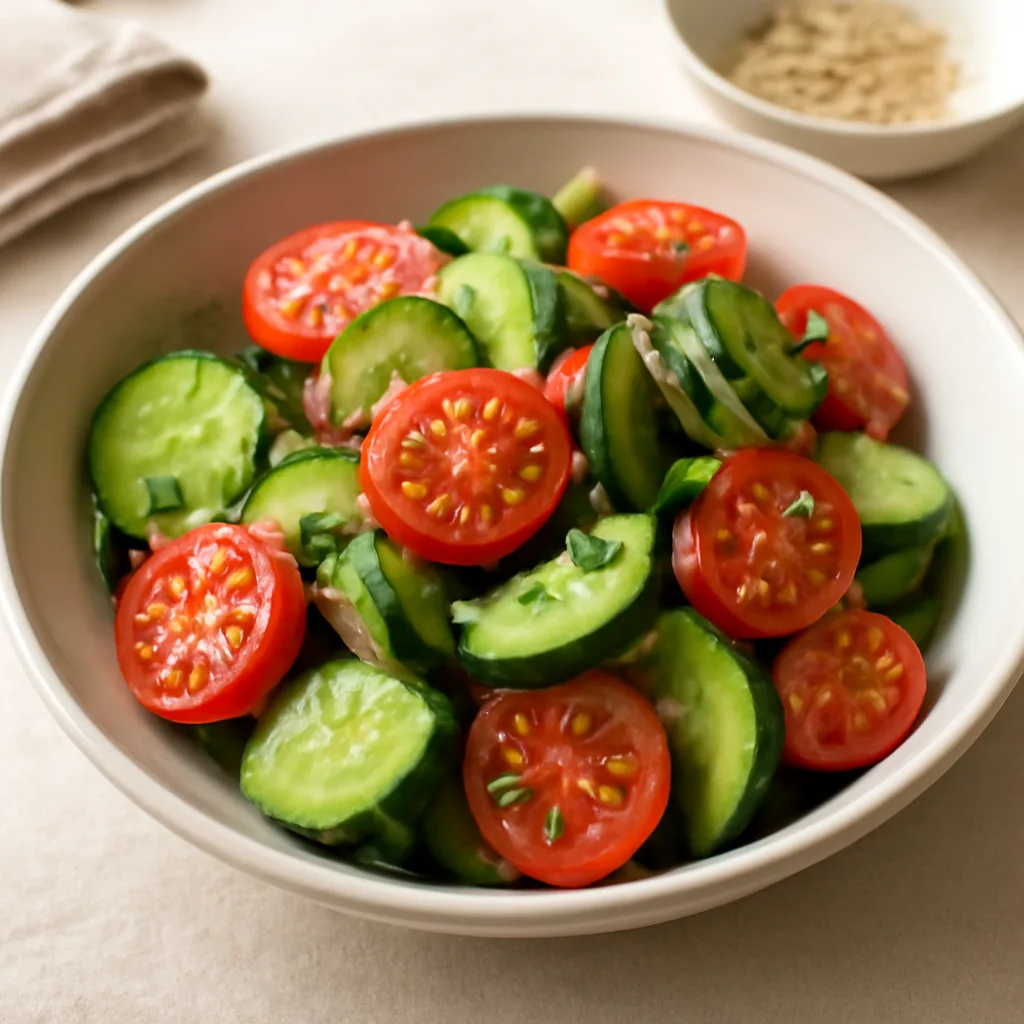
- Mix seasonings like garlic, herbs, and salt beforehand for even flavor distribution. However, with watery ingredients like cucumber or tomato, add later or drain moisture to avoid thinning the sauce.
- When baking, ensure the yogurt’s thickness matches the recipe. If you substitute drained yogurt in equal amounts, the batter can become stiff, so you may need to adjust with other liquids.
Cooking characteristics
- Plain yogurt is easiest to keep a smooth texture when warmed gently over low heat rather than boiling vigorously. If you see small grainy bits forming on the surface, that’s a sign of too much heat, so turn down the heat and don’t boil further.
- Lower-fat, thinner products may separate more noticeably in hot acidic sauces. For dishes where a perfectly smooth sauce is essential, use a thicker yogurt or add it at the end and heat briefly.
- In soups or curries, the acidity can mellow the saltiness and spiciness, but in dishes already strong with tomato, vinegar, or lemon, the flavor can become too sharp. In that case, reduce the yogurt amount or balance with a touch of sweetness or fats.
- In batters, the acidity can interact with leavening agents, so if the recipe assumes baking soda, omitting yogurt may change results. Conversely, with baking powder-focused batters, the effect of acidity is comparatively smaller, but moisture levels still need adjustment.
Good combinations
- Herbs like mint, dill, or parsley with garlic, cucumber, and olive oil enhance the freshness of cold dressings.
- When mixed with warm-spice aromas like cumin, coriander, paprika, or chili, the acidity can be softened by the spice’s strong impression.
- Roasted eggplant, zucchini, or carrots, which have natural sweetness, pair with yogurt’s acidity for contrast. If vegetables are already strongly seasoned with vinegar or lemon, use only a little yogurt for balance.
- In spicy curries or spice-stir-fries, serving yogurt on the side can mellow the heat. However, direct, hot pan contact and vigorous frying can cause separation, so this method is not ideal.
Points to consider when substituting
- In cold dips or dressings, sour cream can be used as a substitute, but it’s usually thicker and has a different acidity profile, so adjust with milk or water to reach the desired consistency.
- If creaminess is the goal more than acidity, consider creme fraiche or soft dairy; however, individual products react to heat differently, so test a small amount first in a simmering sauce.
- In baking, buttermilk can be an alternative but will be much thinner; if substituted by the same volume, moisture in the batter may increase. Adjust by reducing other liquids accordingly.
- Dairy-free cooking can use unsweetened plant-based yogurt, but flavors and thickness vary between soy, oats, and coconut. Spices in strongly flavored curries may tolerate it, but in bland sauces or baking the original flavor may come through.
Ingredients commonly used together in actual dishes
Aggregated based on the co-occurrence count of representative ingredients in public dishes registered in CookPagoda.
Dishes that use this ingredient
Shows dishes where this ingredient is a representative ingredient, sorted by view count.