Ingredient Encyclopedia
Check the characteristics of the ingredients and how to use them in cooking.
Oatmeal
3
2
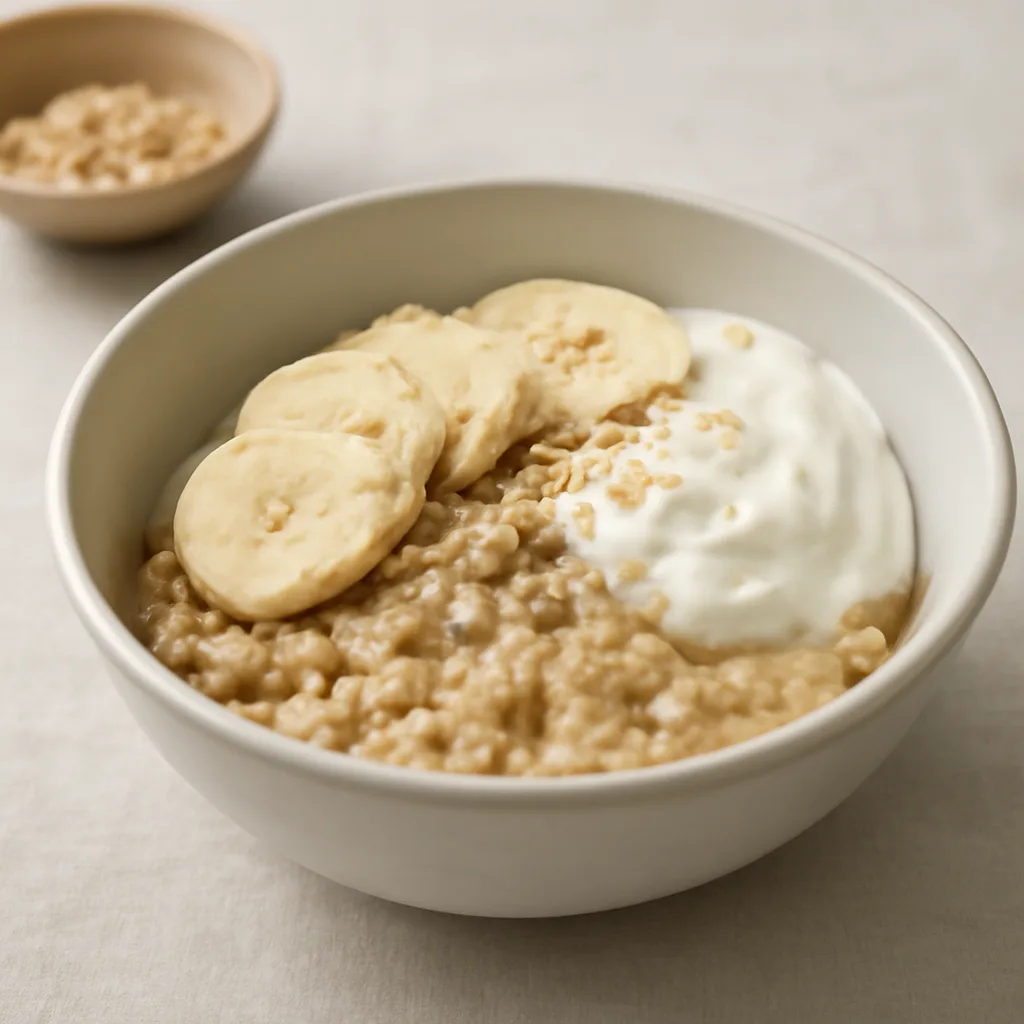
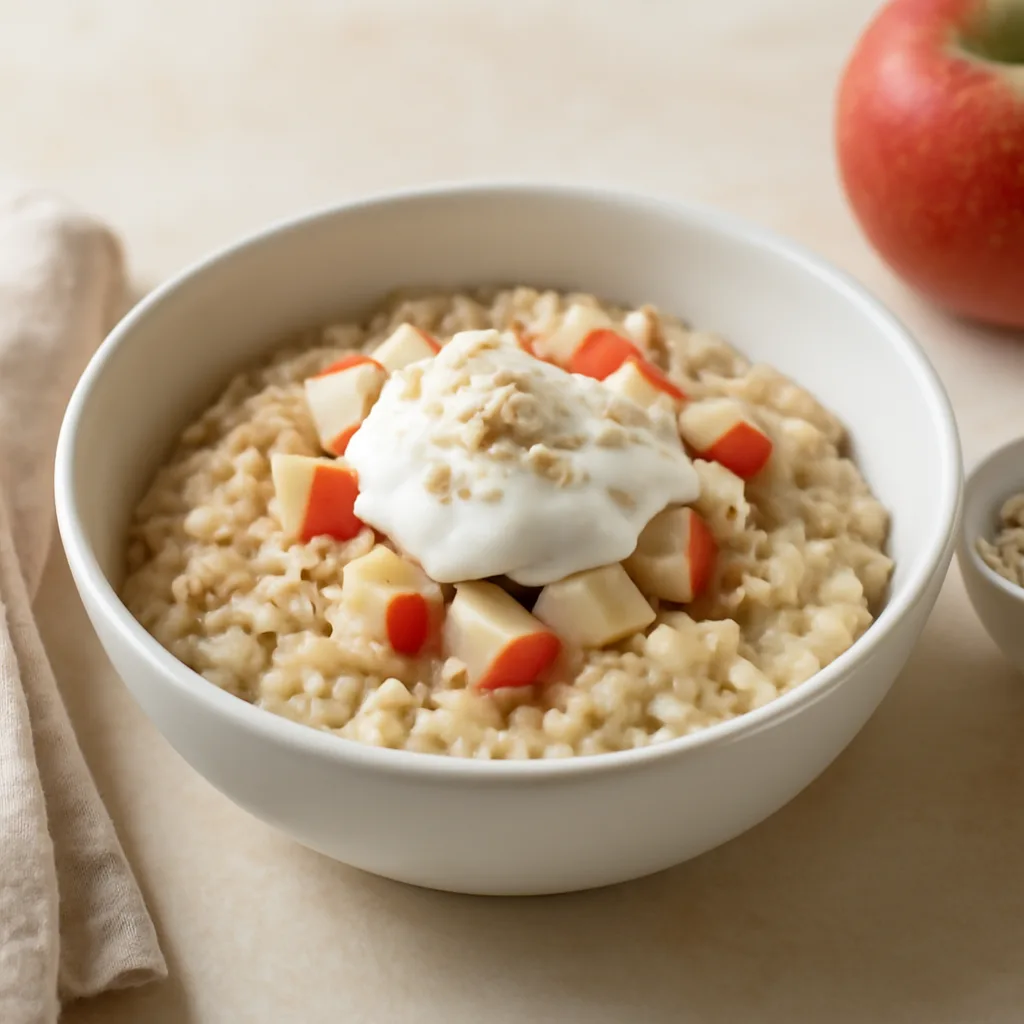
Oatmeal is a grain ingredient made by flattening or finely chopping oats to make cooking easier, and it readily absorbs liquids like water, milk, or broth to become a soft porridge. It’s most familiar as a breakfast porridge, but can also be used to add texture to dough or to adjust the thickness of soups and stews. Cooking results vary greatly depending on particle size and processing form. Coarse oats stay chewy longer and require longer cooking times, while quick or instant oats absorb liquid more quickly. To achieve a desired result—whether milky or spoonable—you’ll want to adjust the amount of liquid and heating time accordingly.
Taste and Texture
The flavor is mild and subtly nutty, gently supporting the taste of strong spices or salty ingredients. It doesn’t need added sweetness to deliver the grain’s earthy character. When hydrated, it becomes creamy and viscous, but simmering too long or stirring vigorously can break up the grains into a porridge-like smoothness. Conversely, coarser forms stay a bit elastic in the center even when fully cooked, giving a chewier texture.
Main uses
- Cook in milk or water with fruits, nuts, or spices to make a warm porridge. If sweetness becomes too pronounced, it can mask the oat’s nuttiness, so it’s best to cook first with a neutral flavor and add sweetness with accompanying ingredients.
- Cook in broth to make a savory grain porridge. When paired with umami-boosting ingredients like mushrooms, eggs, or cheese, the clean background flavor shines through.
- Fold into cookies, muffins, or pancake batters to add chew. However, using a lot can draw moisture from the batter, so when substituting for some flour, monitor the batter’s hydration.
- Mix into minced meat balls or vegetable patties to help retain moisture and shape. If the grains are too coarse, the finished product can crack easily, so pre-soaking or finely ground oats are more suitable.
Preparation tips
- Check the package to determine cooking time. Thin, pressed oats soften quickly with heat, whereas coarse oats or steel-cut varieties require sufficient moisture and time.
- Start with ample liquid and cook over medium-low heat, adjusting by adding more liquid gradually as you approach your desired thickness. If the surface shows dry grains, it may need more hydration, so let it sit briefly or add hot liquid.
- For a finer texture, soak briefly before cooking or mash a portion after cooking. To keep the grains intact, avoid stirring too frequently.
- When used in savory dishes, use broth instead of water and adjust salt at the end, since water loss during cooking concentrates salt.
Cooking characteristics
- Oatmeal thickens as it cooks because starches and soluble components trap liquid. If it thickens too quickly after boiling, reduce heat and stir to prevent sticking.
- Even after removing from heat, it will continue to absorb moisture from the residual heat. If it seems slightly watery right after boiling, it will set properly after a moment, so avoid adding too much oat too quickly.
- High heat for a long time can cause the bottom to scorch while the top becomes overly thick. If a dark film forms on the pot edge and it clumps when stirred, turn the heat down and add hot liquid to loosen.
- Baking causes moisture to evaporate, making the edges crisp and the interior set softly. For a moist baked porridge, use a deeper pan rather than a shallow one; for crunchy results like granola, this method isn’t ideal.
Good combinations
- Fruit like apples, bananas, and berries adds brightness or natural sweetness to the oat’s mild flavor. Since high-moisture fruits can thin the porridge, add them after reaching the right thickness or reduce the liquid slightly.
- Cinnamon, vanilla, cocoa, peanut butter, and nuts pair well with the toasty flavors. Add nuts near the end to preserve crunch.
- Savory pairings work well with mushrooms, spinach, scallions, eggs, and firm cheeses. If using many acidic ingredients, keep lemon juice or vinegar light to avoid weighing down the soft texture.
Points to consider when substituting
- In warm porridge, you can substitute rice flour, barley, millet, or polenta, but absorption and cooking time will differ, so swapping equal amounts isn’t straightforward. Rice flour is convenient for quick soft texture, but it reduces the oat’s chewiness.
- If you want the chewy texture of oats in baking, finely chopped nuts or coconut flakes can be alternatives, but fats and moisture absorption behave differently, so they may not fully replace the dough.
- For binding in meatballs or patties, breadcrumbs, cooked rice, or mashed legumes can be used. When the mixture already contains moisture, breadcrumbs help with structure, and legumes can significantly change flavor and texture.
Ingredients commonly used together in actual dishes
Aggregated based on the co-occurrence count of representative ingredients in public dishes registered in CookPagoda.
Dishes that use this ingredient
Shows dishes where this ingredient is a representative ingredient, sorted by view count.