Ingredient Encyclopedia
Check the characteristics of the ingredients and how to use them in cooking.
Apple
5
7
Apples are a fresh fruit eaten raw and also used to add bright sweetness and moisture to salads, sautéing, braising, and baking. Depending on variety and ripeness, sweetness, tartness, and flesh firmness vary greatly, so it's best to choose between crisp textures for dishes requiring crunch and softer textures for simmered dishes. Thinly sliced apples add light acidity and crunch to salads or sandwiches, while diced apples provide a sweet bite in fillings or stir-frried dishes. When heated, the flesh becomes tender and releases moisture, making the sweetness more pronounced. If you need shapes to hold, cook briefly; if the goal is a dissolved texture like sauce or compote, cook slowly. Apples are not only sweet; they also help balance rich ingredients and strong spices. However, because they release a lot of moisture, adding too much to doughs or stir-fries can make them soggy or waterlogged, so adjust quantity and size according to the recipe.
Taste and Texture
The taste of apples is a balance of clear sweetness and bright acidity. Unripe or strongly acidic apples feel tart, while well-ripe apples have a softer aroma and sweetness. Raw flesh is generally crisp and juicy, but heating breaks cell walls and turns it into a soft, jam-like texture. Firm apples are good for braising or pie pieces, while soft apples suit purées or sauce better.
Main uses
- Thinly sliced apples add crisp contrast and acidity to salads, cheese platters, and sandwiches. Since they release moisture, avoid pre-mixing with overly wet dressings or they will soften quickly; best to mix just before serving.
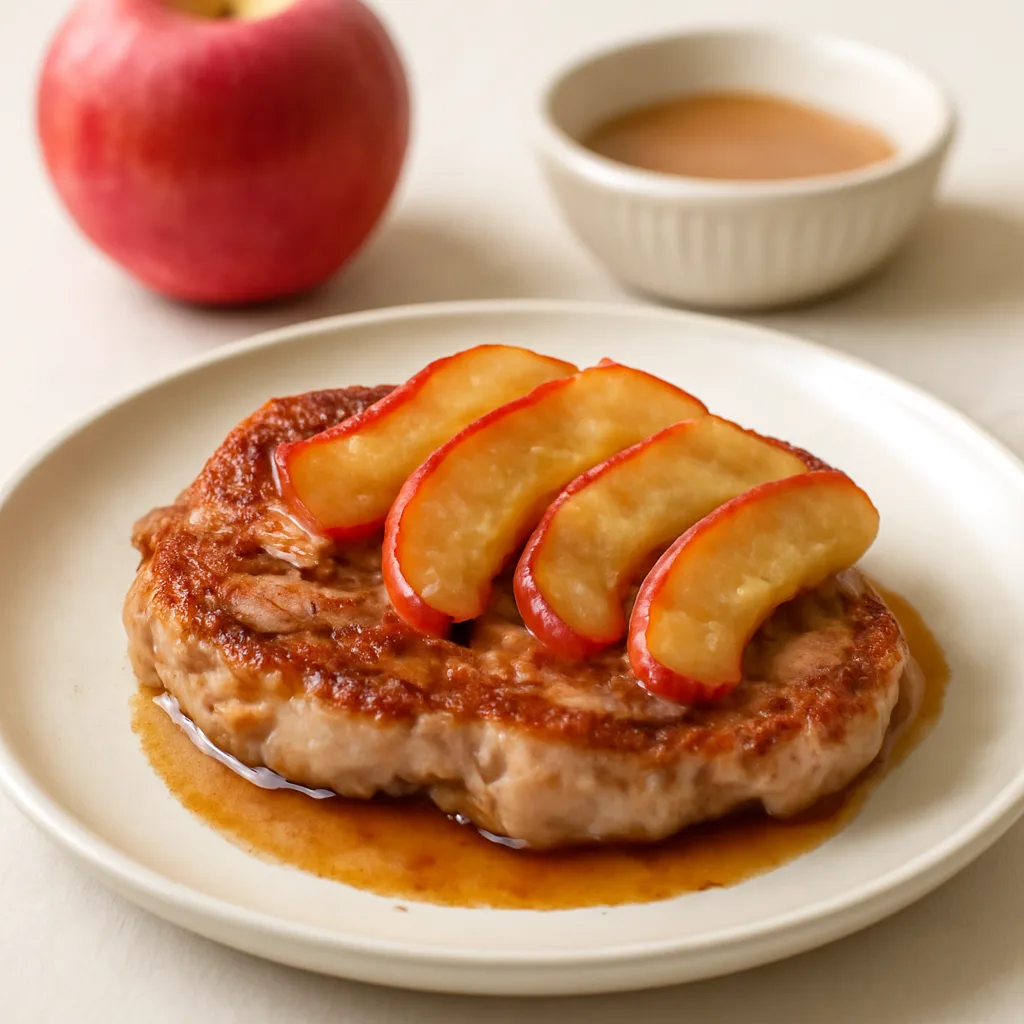
- Diced apples can accompany or stuff mild or fatty meats like pork or chicken. When sautéing, the moisture from apples helps cook the meat quickly over high heat, driving moisture off briefly.
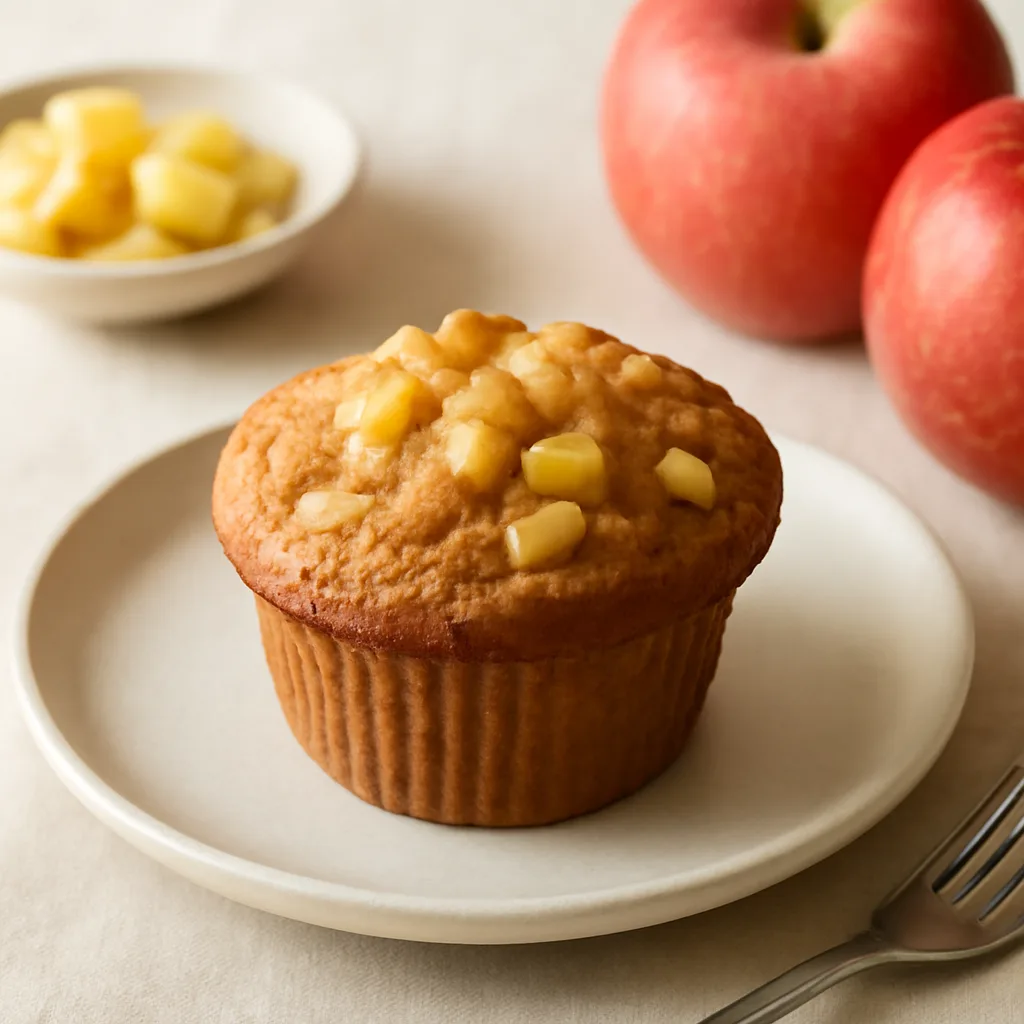
- Apples are frequently used in oven-baked desserts like pies, cakes, and crumbles. If the filling looks too watery, adjust moisture by lightly pre-cooking the apples or using a small amount of starch rather than adding more sugar.
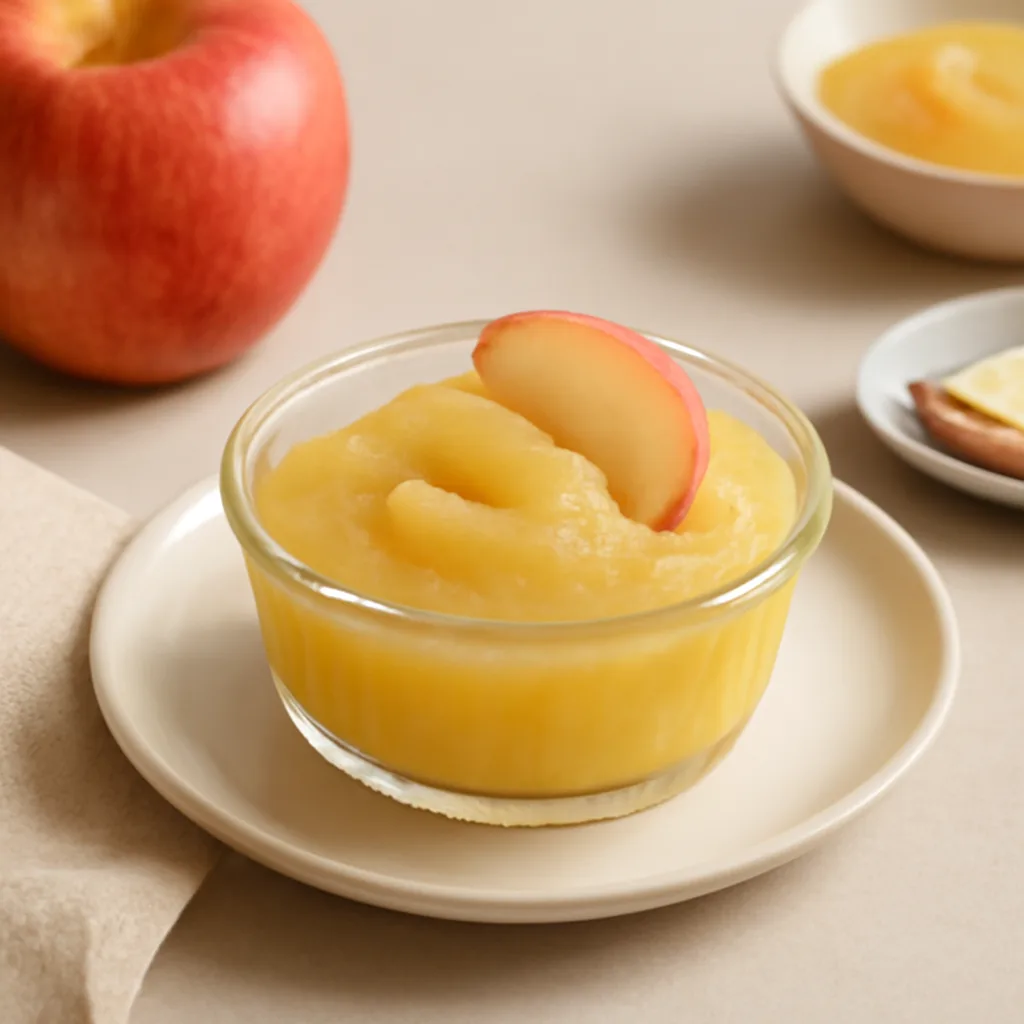
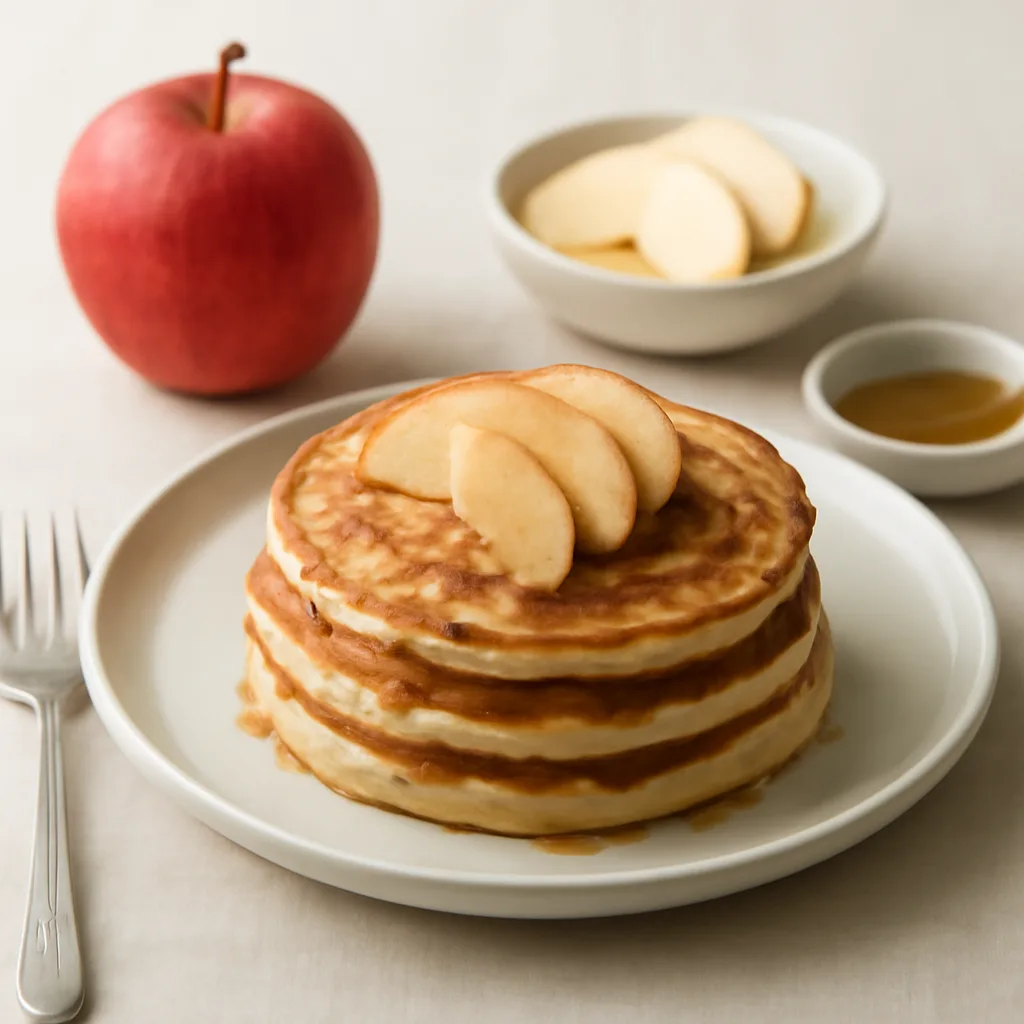
- Chopped apples simmered down to make a compote or sauce pair well with yogurt, pancakes, or roasted meats. If you want to keep the flesh intact, simmer briefly on medium heat; for a smooth sauce, cook longer and mash.
Preparation tips
- Rinse the surface under running water before use and check around the stem and any indentations for any remaining impurities. Peeling adds smooth texture and color, but if you need texture in the dish, you may leave the skin on for color and texture.
- If cut surfaces brown quickly, lightly dab with a lemon juice-like acidic liquid. For delicate desserts, taste may be altered, so use immediate cooking or methods that reduce air exposure.
- For salads, slice thinly or cut into matchsticks to mix well with other ingredients. For sautéing or braising, avoid cutting too small, which can cause them to fall apart; cut a bit larger than the desired final form.
- Core and seeds are firm and unpleasant to eat, so remove them. If mashing or puréeing apples, leaving the core can create rough bits.
Cooking characteristics
- When heated, apples release moisture and the flesh becomes tender and transparent. If liquid pools on the pan, browning flavors won’t develop well, so use a wide pan or avoid crowding the pan with apples.
- Sautéing in butter or oil will brown the surface lightly and intensify sweetness. But if the heat is too high, the outside may burn while the inside stays firm, so adjust the heat once color starts to appear.
- Cooking with sugar makes the apples release juice faster and creates a syrupy consistency. If the sauce is thin, simmer with the lid open, but already-soft apples can turn to mush if stirred too long.
- If cooking with acidic ingredients, the texture may stay relatively firm, which is good for keeping pieces intact in braising. Conversely, if a very soft texture is desired, add acidic ingredients at the end or reduce their amount.
Good combinations
- Warm spices like cinnamon, vanilla, and ginger deepen the sweetness of apples, and lemon helps sharpen the flavor. If the spices are strong, they can overwhelm the delicate aroma of apples, so add in small amounts first.
- Ripe cheeses like cheddar, soft cream cheese, and nuts contrast well with the crispness of apples. When pairing with salty cheeses, keep the apples naturally sweet to avoid overly sweet balance.
- Pork, duck, and chicken with rich flavors or fat pair well with the acidity of apples. If the dish already has a strong vinegar or wine sauce, choose a sweeter variety of apple or use less to avoid overlapping acidity.
Points to consider when substituting
- For salads where the crisp texture of raw apples is essential, a firm pear can be a close substitute, but it may be milder in aroma and acidity. If so, add a bit more lemon juice or vinegar to adjust flavor.
- For braising, sauces, or baking where softer cooking is needed, pears, peaches, or firm grapes can be used depending on the situation. Since moisture and cooking rate differ, adjust concentration and sweetness during cooking rather than swapping equal amounts.
- To replace the crisp, fresh sweetness of apples in meat dishes, add a small amount of citrus juice or vinegar to pears. On the other hand, if the goal is to keep the apple pieces in their shape for pies, substitutions with softer fruit may not be suitable.
Ingredients commonly used together in actual dishes
Aggregated based on the co-occurrence count of representative ingredients in public dishes registered in CookPagoda.
Dishes that use this ingredient
Shows dishes where this ingredient is a representative ingredient, sorted by view count.