Ingredient Encyclopedia
Check the characteristics of the ingredients and how to use them in cooking.
Butter
5
7
Butter is a fat-rich dairy product made primarily from the fat components of milk, adding a deep, rounded flavor to sautéing, roasting, and finishing sauces. When cold it is firm, but softens at room temperature, and when heated it melts to coat surfaces with gloss and flavor. It can be melted in a pan to cook vegetables or eggs, or added to bread or pastry dough to create a tender texture and nutty aroma. When added right before cooking meat like steak, fish, or pasta, it helps bring out aromas, but overheating on high heat can quickly brown the dairy solids beyond desirable, so it is often better to split with another oil depending on the cooking method. Unsalted butter allows easier adjustment of seasoning, while salted butter is convenient for spreading on bread or simple preparations. However, since the salt level changes with salted butter, if a recipe already includes salt, taste and adjust at the end.
Taste and Texture
Butter has a nutty, creamy aroma and a rich flavor with a hint of sweetness characteristic of dairy. Salted butter adds savoriness, making its flavor more pronounced. Chilled butter is hard and good for creating layers; softened butter is easy to cream. Melted butter acts as a smooth fat, but when added to dough it can reduce the incorporation of air.
Main uses
- Melt butter in a pan to sauté eggs, mushrooms, onions, and leafy greens to add a nutty aroma to the moisture-rich flavors of ingredients. If brown bits form on the bottom of the pan quickly, the heat may be high, so lower the flame or mix in a little oil.
- In cookies, cakes, pies, and biscuits, the state of the butter greatly affects the result. Creaming softened butter with sugar is suitable for a light crumb, while cutting cold butter into pieces is suitable for doughs that want lamination and crispness.
- When finishing pasta or risotto, add a small amount of cold butter and swirl or whisk to make the sauce feel glossy and smooth. If the sauce is already oily or thin, it is better to check the thickness and seasoning first rather than adding a lot of butter.
- When spreading on baked bread, corn, potatoes, or steamed vegetables, butter melts with heat to form a simple finishing sauce. If using salted butter, omit or reduce additional salt accordingly.
Preparation tips
- When using cold butter in dough, prepare at the right temperature for the use. If pressing with a finger leaves a mark but doesn’t smear, it is good for creaming; for pastries like pies or scones, cutting into small hard pieces is advantageous.
Cooking characteristics
- Butter melts at relatively low temperatures, and continued heating drives off moisture, after which milk solids brown. This step creates a savory aroma, but if the color becomes very dark and turns to black, it is burnt, so start with new butter.
- If you only use butter for sautéing, aroma may be good but it may not be suitable for high heat or long cooking. Start by cooking ingredients in a relatively neutral oil, then finish with butter at the end to reduce browning risk while gaining flavor.
- Butter adds richness and gloss to sauces, but if added all at once to a very watery sauce, fat may pool on the surface. Lower the heat or remove from heat and add cold butter gradually to blend more smoothly.
Good combinations
- Butter pairs well with garlic, onion, herbs, and pepper as a base for simple flavored butter. If using garlic, add it before the butter browns, either briefly over low heat or toward the end of cooking.
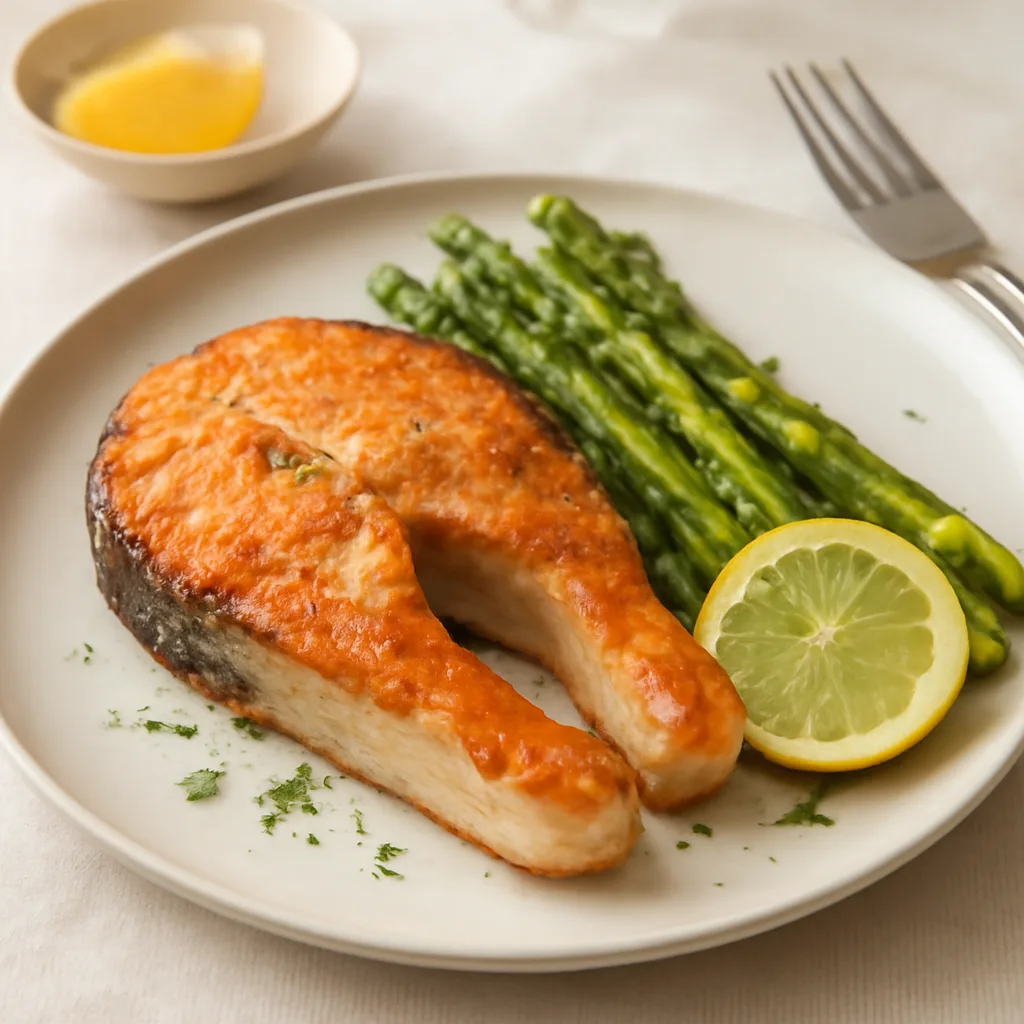
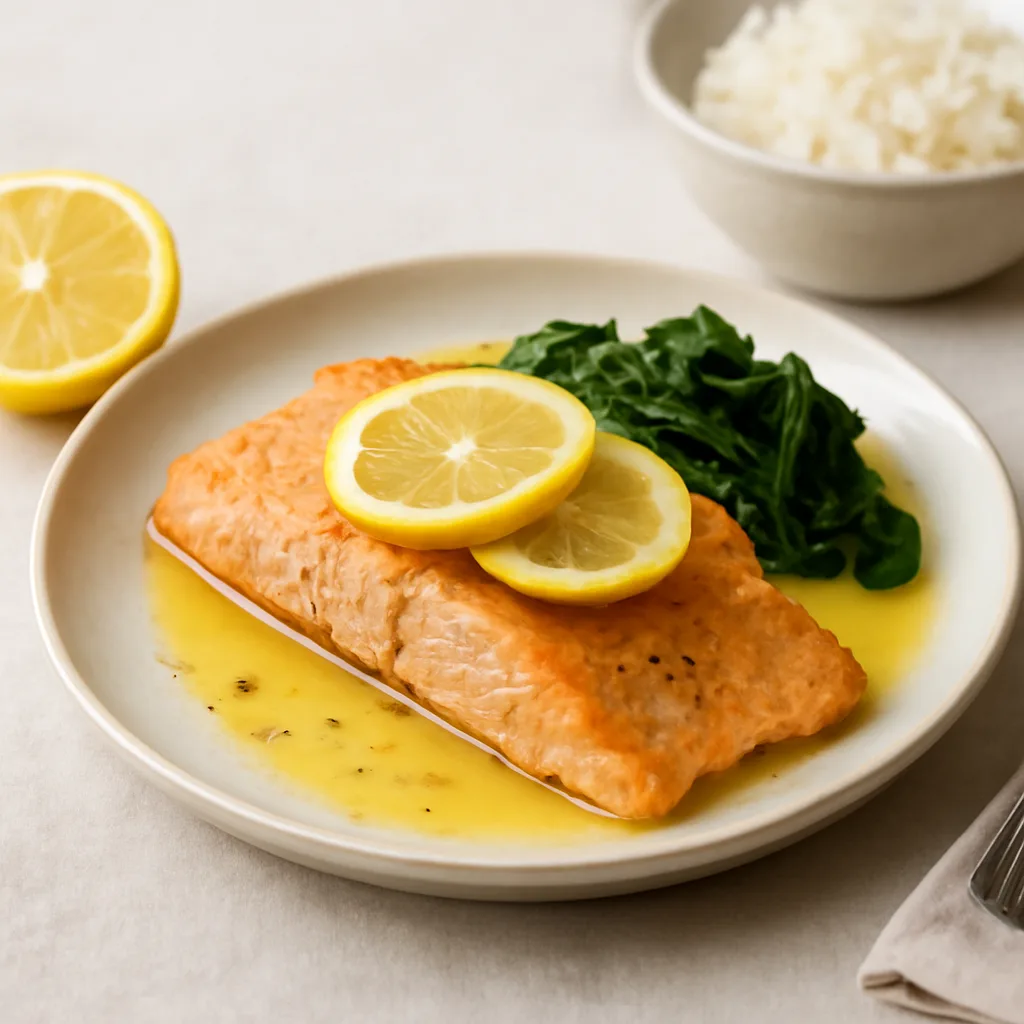
- Lemons or acids like vinegar help cut the heaviness of butter and balance fish, chicken, or vegetable dishes. Since acidity boiled for too long can dull aroma, add a small amount at the end.
- Mushrooms, potatoes, corn, and zucchini with sweetness and earthy notes pair well with butter’s nuttiness. If a dish already has cream or cheese, only a small amount of butter may be sufficient.
- Brown butter pairs with sage, nuts, and fruity flavors like pear or apple. However, on delicate white fish or light broths the aroma may be too strong, so regular melted butter is often more suitable.
Points to consider when substituting
- In pan frying, neutral oil or olive oil can be used instead, but the dairy aroma and rounded flavor of butter will be reduced. If aroma is important, cook in oil and add a small amount of butter at the end when possible for closer similarity.
- In baking, substituting butter with other fats changes moisture, melting properties, and aroma, so judge by use. Cookies can be made with vegetable oil or other solid fats, but spread and crispness may change, and laminated pastries like pies benefit from a sturdier, colder fat.
- Brown-butter aroma with nutty notes is hard to achieve with just regular oil. Adding chopped nuts or toasted spices can complement the flavor, but is not the same substitution.
- If salted butter is unavailable, use unsalted butter with added salt. Conversely, if only salted butter is available, reduce additional salt, but the exact substitution ratio depends on the dish quantity and other salty ingredients.
Ingredients commonly used together in actual dishes
Aggregated based on the co-occurrence count of representative ingredients in public dishes registered in CookPagoda.
Dishes that use this ingredient
Shows dishes where this ingredient is a representative ingredient, sorted by view count.