Ingredient Encyclopedia
Check the characteristics of the ingredients and how to use them in cooking.
Egg
34
55
Eggs are a basic ingredient where the whites and yolks play different roles, used widely from simple dishes to doughs, sauces, and broths. The whites set firmly when heated to form shape, and the yolks add fatiness and viscosity to gently bind ingredients. When enjoying the egg itself through frying, scrambling, or boiling, it’s more important to match the level of doneness to your preference than to focus on freshness. On the other hand, when using with other ingredients in batters, custards, or mayonnaise-like sauces, the results vary greatly depending on whether you use the whites and yolks together or separately. Eggs can become tough or dry if cooked at high heat for too long, so for a soft texture it’s advantageous to cook slowly over medium-low heat. However, this approach isn’t always suitable for crispy edge fries or hard-topped boiled eggs, so adjust heat and time according to purpose.
Taste and Texture
Eggs have a relatively mild and savory flavor, with the yolk providing a rich, creamy sensation and the whites offering a clean, springy texture. They pair well with mild seasonings like salt, soy sauce, and butter because the egg’s flavor tends to support rather than dominate the ingredients. Soft-boiled yolks run like a sauce and add moisture, while fully cooked whites provide a firm bite. If you notice a rubbery texture in cooked eggs, it’s usually because the heat was too high or cooking time was too long, so next time reduce the heat or finish with residual heat.
Main uses
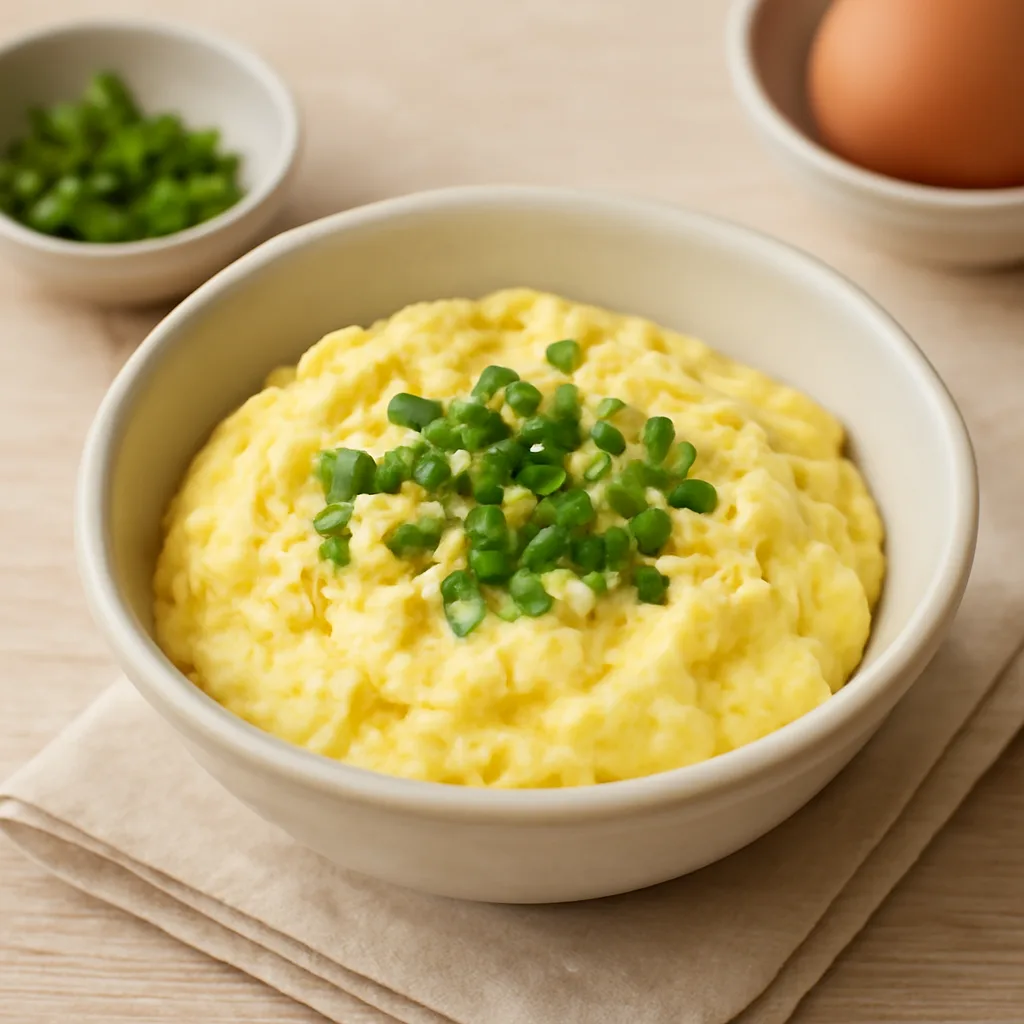
- Used as a main ingredient or accompaniment in fried eggs, scrambled eggs, omelets, steamed eggs, and hard-boiled eggs for a meal.
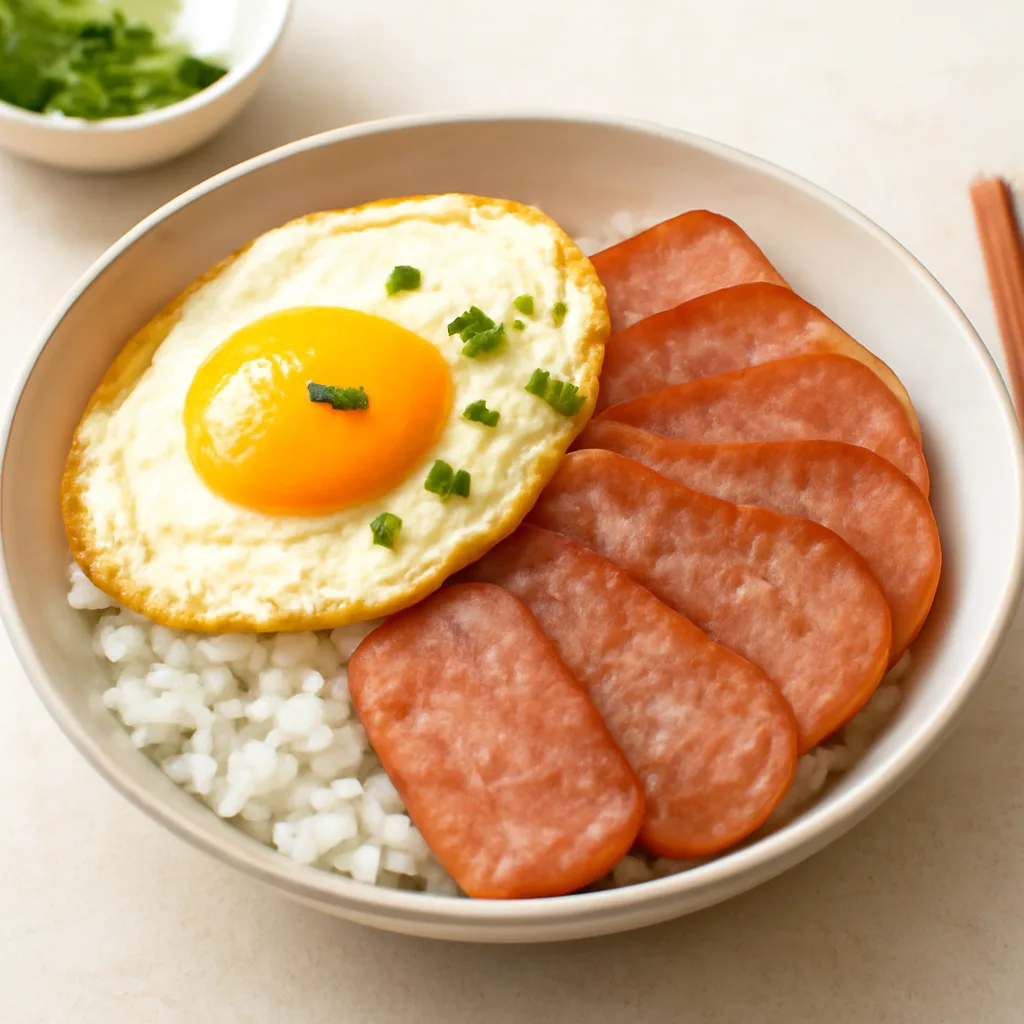
- In soups, ramen, fried rice, and bowls, whisked to create soft curds or top with a soft-boiled egg so the yolk spreads like a sauce.
- In pancakes, tempura, or battered coatings, eggs help coat the surface of ingredients, adding browning and a rich flavor.
- In doughs for bread, cakes, and pancakes, eggs help bind ingredients and provide structure. However, doughs with a high egg content may change in volume and moistness if the proportion is reduced arbitrarily.
- Used for yolk-rich dishes like mayonnaise, custards, and creamy pasta sauces, leveraging yolk viscosity and emulsifying properties.
Preparation tips
- Check for visible impurities on the surface before cracking the shell, and crack into a small bowl first to easily remove shell fragments or assess condition.
- When scrambling or making rolled omelets, beat whites and yolks until uniform, but avoid overwhisking to prevent excessive foaming. If foaming is high, the surface may look a bit loose while cooking.
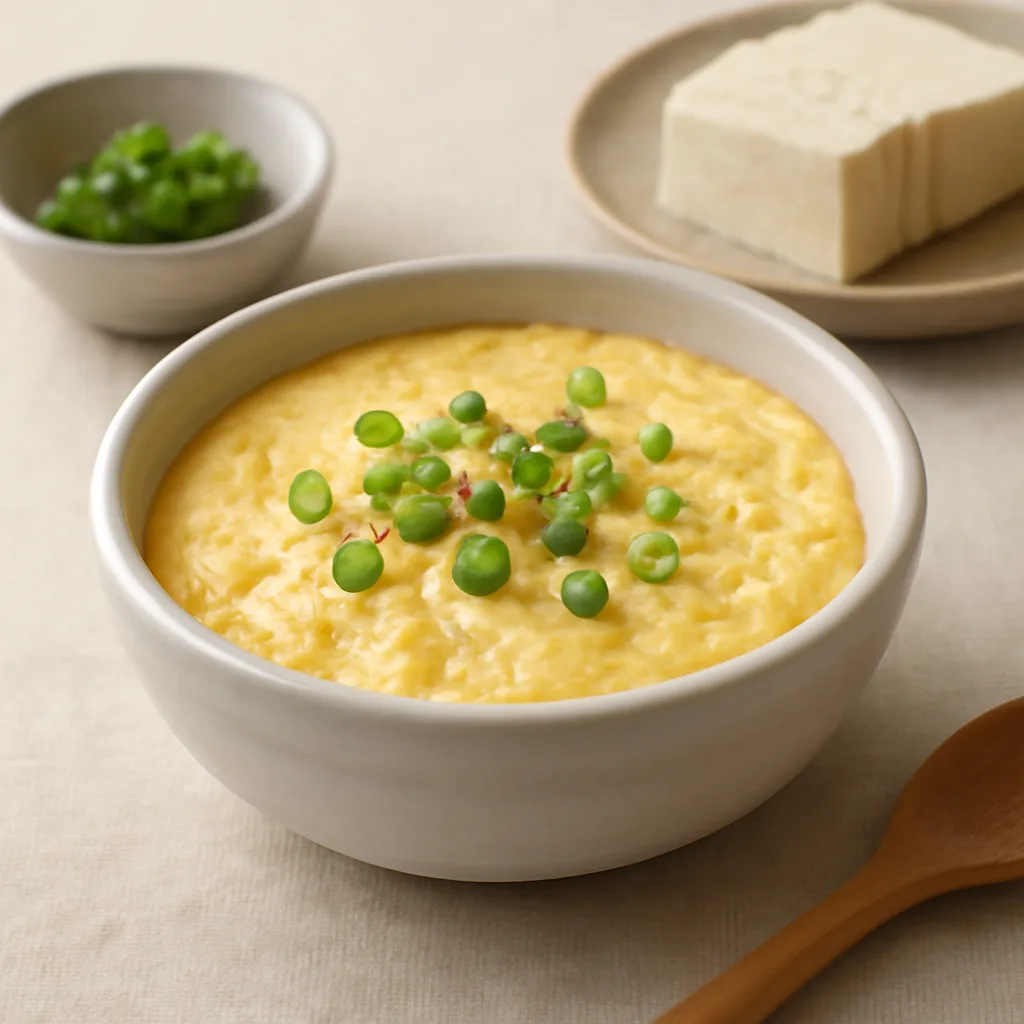
- When making soft egg custards or smooth textures, strain if egg membranes bother you, and if many bubbles appear, let it rest briefly before cooking for a smoother surface.
- When boiling eggs, if shells are prone to cracking when placed in boiling water, keep the water at a gentle boil and add eggs carefully. Eggs with small cracks may cause whites to leak during boiling, so use them for other purposes.
- For eggs to be added to fried dishes or fried rice, lightly season with salt beforehand so the seasoning distributes evenly. If soy sauce or sauces will be added later, it’s easier to control without over-salting at the start.
Cooking characteristics
- Egg proteins coagulate when heated, staying moist and soft at low heat and becoming firm and elastic with high heat and longer cooking.
- When making scrambled eggs in a pan, if the edges brown quickly and release a lot of moisture, the heat may be too high. Remove the pan from the heat briefly and fold gently to reduce overcooking.
- Custards or egg-based dishes can puff or form holes if exposed to direct strong heat. If small bubbles or cracks appear, lower the heat or use a gentler method like double boiling.
- Yolks add gloss and body to sauces thanks to fat, but excessive heat can cause particles to seize up and become coarse. For cream pasta or egg sauces, it’s better to mix after turning off the heat using residual heat.
- When beating whites for cooking, if oil or yolks mix in, foam formation can weaken. For stiff meringues needed in doughs, prepare tools and bowls clean and dry.
Good combinations
- Salt, pepper, butter, and cheese enhance the egg’s savoriness, and herbs like green onions, scallions, or chives add aroma and a touch of sweetness to the mildness.
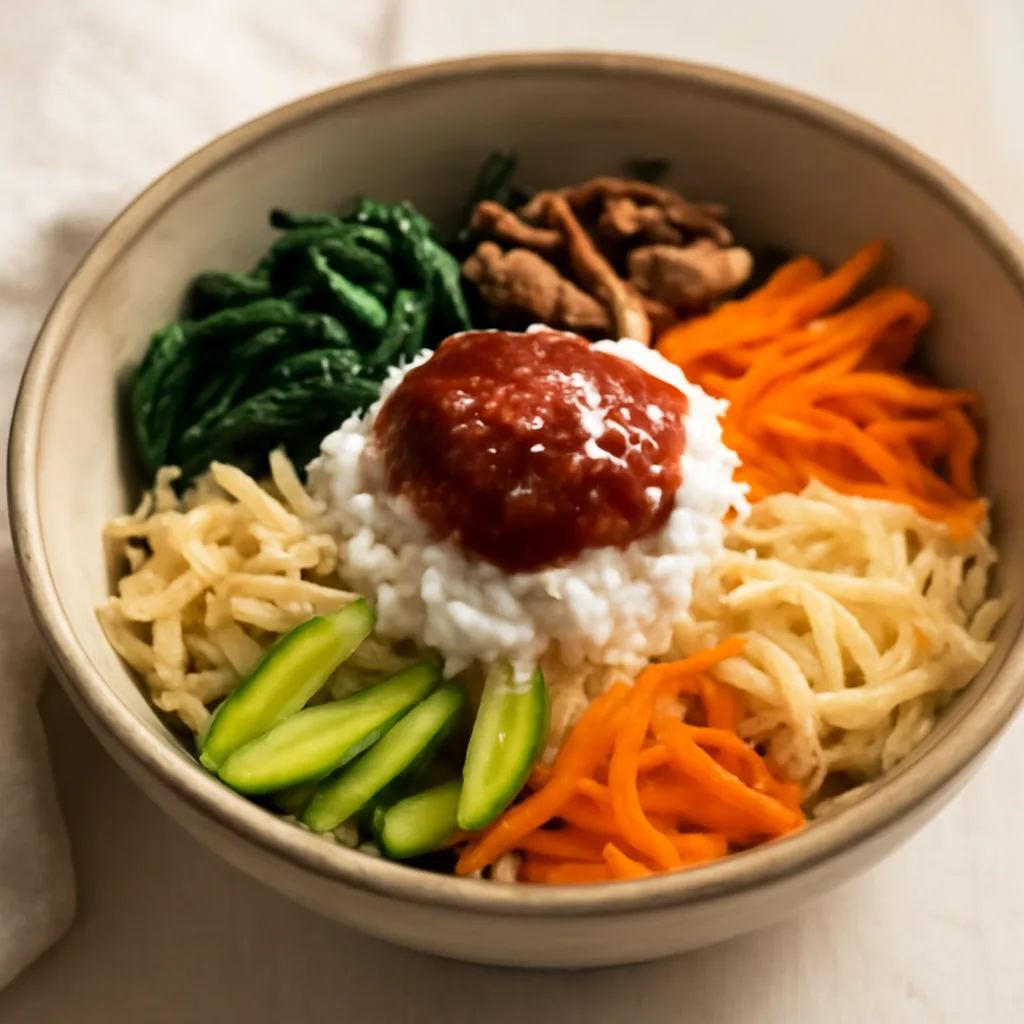
- SoY sauce, sesame oil, and seaweed with rice dishes naturally pair well, and soft-boiled yolks can bind the flavors in bibimbap or rice bowls.
- When frying with moisture-rich ingredients like tomatoes, spinach, or mushrooms, first drain some moisture to reduce watery result when adding eggs.
- When using spicy sauces or strong spices, eggs can smooth flavors, but if the goal is a dish with a strong aroma, avoid excessively increasing the egg amount.
Points to consider when substituting
- For dishes where eggs serve as binders, such as fried or meatballs, starch mixtures, flour dough, or mashed potatoes can substitute to some extent, but texture will differ in crispness and firmness.
- Eggs participate in moisture, fat, leavening, and structure, so substitutes depend on the dish type (bread, cake, pancake, etc.). For delicate batters where foam is key, simple moisture ingredients cannot achieve the same result.
- Creamy textures created by yolks can be approximated by using cream, milk and starch, or soft tofu, though emulsification and flavor will differ.
- There is no perfect substitute for eggs in fried or boiled egg-centered dishes. If similar fullness or savoriness is needed, consider reworking the recipe with tofu, mushrooms, or cheese instead.
Ingredients commonly used together in actual dishes
Aggregated based on the co-occurrence count of representative ingredients in public dishes registered in CookPagoda.
Dishes that use this ingredient
Shows dishes where this ingredient is a representative ingredient, sorted by view count.