Ingredient Encyclopedia
Check the characteristics of the ingredients and how to use them in cooking.
Cheese
3
9
Cheese is a dairy product made by coagulating and aging milk or by processing it, and in cooking it adds saltiness, umami, and richness from fat. Depending on the type, melting behavior, moisture, aroma, and salinity vary greatly, so simply calling it “cheese” does not guarantee the same handling. For example, mozzarella melts with a stretchy texture, Parmigiano-Reggiano-type cheeses provide a deep finish, and cream cheese is better for smooth sauces and fillings. When adding to dishes, it’s helpful to first decide the role you want. If you want a surface to be nicely browned, choose cheeses that melt well; if you want to fortify the saltiness of a broth or sauce, go for a hard, aged cheese; if you want a cold and fresh contrast, choose cheeses that crumble easily like feta. When using high-salt cheeses, adjust by adding less salt and stock so the overall dish doesn’t become overly salty. Cheese changes the fat and protein state when heated and may melt smoothly or separate oil. Therefore, it is practical to add to sauces on low heat in portions, and for oven dishes, add it at the final stage to monitor color and melt level.
Taste and Texture
Cheese flavor ranges from milky nuttiness to saltiness, acidity, and buttery notes, with nutty and fermented aromas from aging. Fresh cheeses are generally mild and moist, while aged cheeses have stronger aroma and umami, making a small amount very impactful. Textures vary greatly. High-moisture cheeses spread or stretch softly, while hard cheeses crumble finely or melt into foods. If the surface is oily or grainy, the heat may have been too high, so lower the heat and add a little liquid to help emulsify.
Main uses
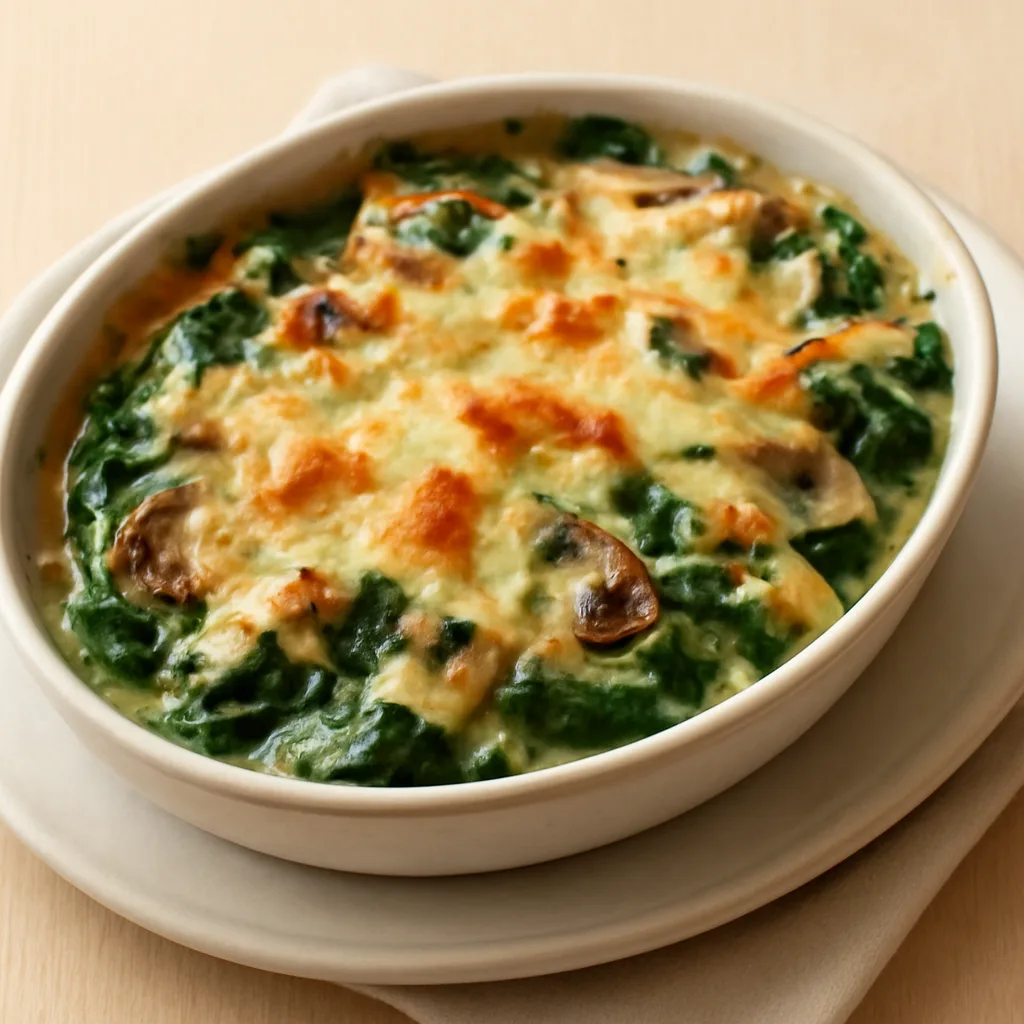
- Used in pizzas, gratins, and toasts where melted cheese and browned crust are important. If you choose a cheese that melts well, it can act as a cover, but using only strongly scented aged cheeses may make the surface feel dry and salty.
- For pasta, risotto, potato dishes, and soups, add grated cheese to boost umami and thickness. When adding during cooking, reduce heat or fold in after slightly melting to minimize graininess.
- With salads or roasted vegetables, pair with crumbled cheese or thinly sliced hard cheeses to create a temperature and texture contrast. In this case, season the dressing after topping with cheese to taste.
- In sandwiches and burgers, use melting cheese to bind fillings and prevent dryness. If there are many ingredients with high moisture, it’s better to drain the moisture separately from the vegetables rather than relying on cheese alone.
- Soft cheeses like cream cheese are used in dips, sauces, and baking fillings. If added cold, lumps may remain, so soften appropriately for the intended use before mixing.
Preparation tips
- Check the cheese type and form on the packaging or labeling to determine its use. Using a very hard aged cheese in a dish that needs very meltable cheese can result in excessive salty flavor rather than the desired stretch.
- Block cheese can be grated or sliced as needed to reduce surface drying and make melting easier. Finer grating melts faster, but very fine grated cheese can clump if added all at once to hot sauce, so add in portions.
- Moist cheeses should be lightly drained of moisture before use to prevent pizzas or baked dishes from becoming too wet. However, for salads or cold appetizers where moist texture is desired, don’t extract too much moisture.
- Add cheese to sauces gradually and keep the liquid and cheese at similar temperatures; add small amounts while stirring. If you add a large amount at once and keep high heat, the fat may separate.
Cooking characteristics
- Meltable cheeses form a soft layer during heating, and in the oven the surface can bubble and turn light brown. When browning reaches the desired level, remove; leaving it too long can cause fat separation and toughness.
- Hard aged cheeses melt into sauces and rice dishes more for saltiness and umami rather than fully stretching. If heated to a boil and kept hot, the grains may feel gritty, so it’s best to add at the finishing stage.
- Acidic or high-moisture cheeses can separate water and fat under high heat. If sauce becomes too thin, turn off heat and let it rest briefly, then mix; if needed, use starch-containing ingredients or a small amount of emulsified sauce to adjust texture.
- Cheeses used in pan-frying should not be moved until their surface browns to form a thin crust. If flipped too early, they may tear; in some cases the pan may need to be hotter or use thicker cheese slices, but not all cheeses suit pan-frying.
Good combinations
- Milky, mild ingredients like tomatoes, mushrooms, potatoes, bread, and eggs pair well with the saltiness and nuttiness of cheese. When using already salty processed meats or pickled ingredients, reduce cheese amount or choose milder varieties.
- Acidic fruits, vegetables with lemon, or dressings based on vinegar can lighten the heaviness of fatty cheeses. However, adding too much acidity to hot cheese sauces can destabilize texture, so add gradually.
- Pepper, herbs, garlic, and onion pair well with many cheeses, but for strongly scented aged cheeses it’s better to limit to one or two flavoring elements to preserve the cheese flavor.
Points to consider when substituting
- Substitutions depend on the role cheese plays in the dish. For a meltable topping, choose similarly meltable cheeses; for umami and savoriness, choose a hard aged cheese; for a soft filling, pick something with a texture close to cream cheese.
- If mozzarella-like mild, stretchy cheese is unavailable, other melting cheeses can be used, but color, aroma, and fat content may differ. Replacing with hard cheese only may significantly change the result in dishes where stretch is key, such as pizza.
- When a salty finishing cheese like Parmigiano is unavailable, use other aged hard cheeses in small amounts and adjust the dish’s salt at the end. A milder cheese may lack umami, so adjust the cooking liquid or other seasonings accordingly.
- Alternatives that do not use dairy cheeses vary greatly in melting properties and salinity by product. Depending on whether texture is important (like a topping) or functional role (sauce thickness), choose accordingly, as applying the same ratio to every dish is not feasible.
Ingredients commonly used together in actual dishes
Aggregated based on the co-occurrence count of representative ingredients in public dishes registered in CookPagoda.
Dishes that use this ingredient
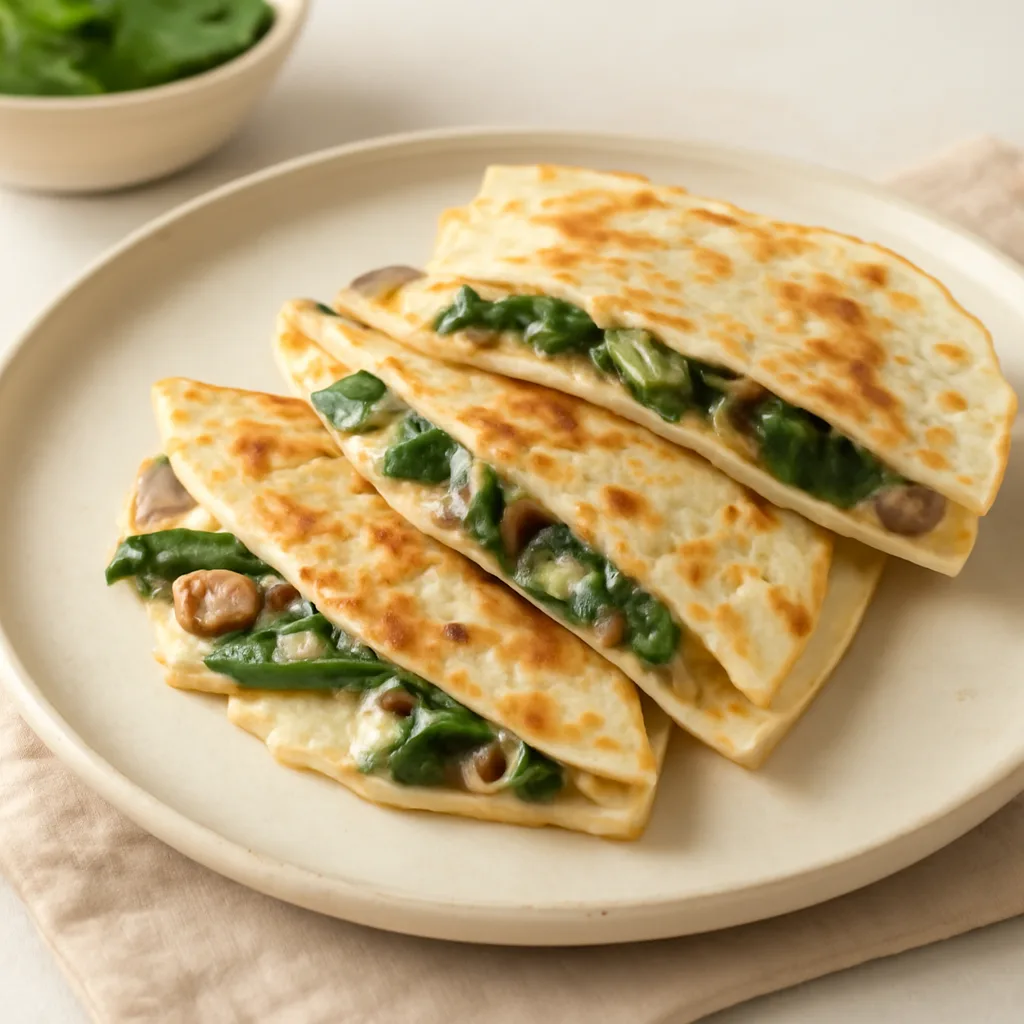
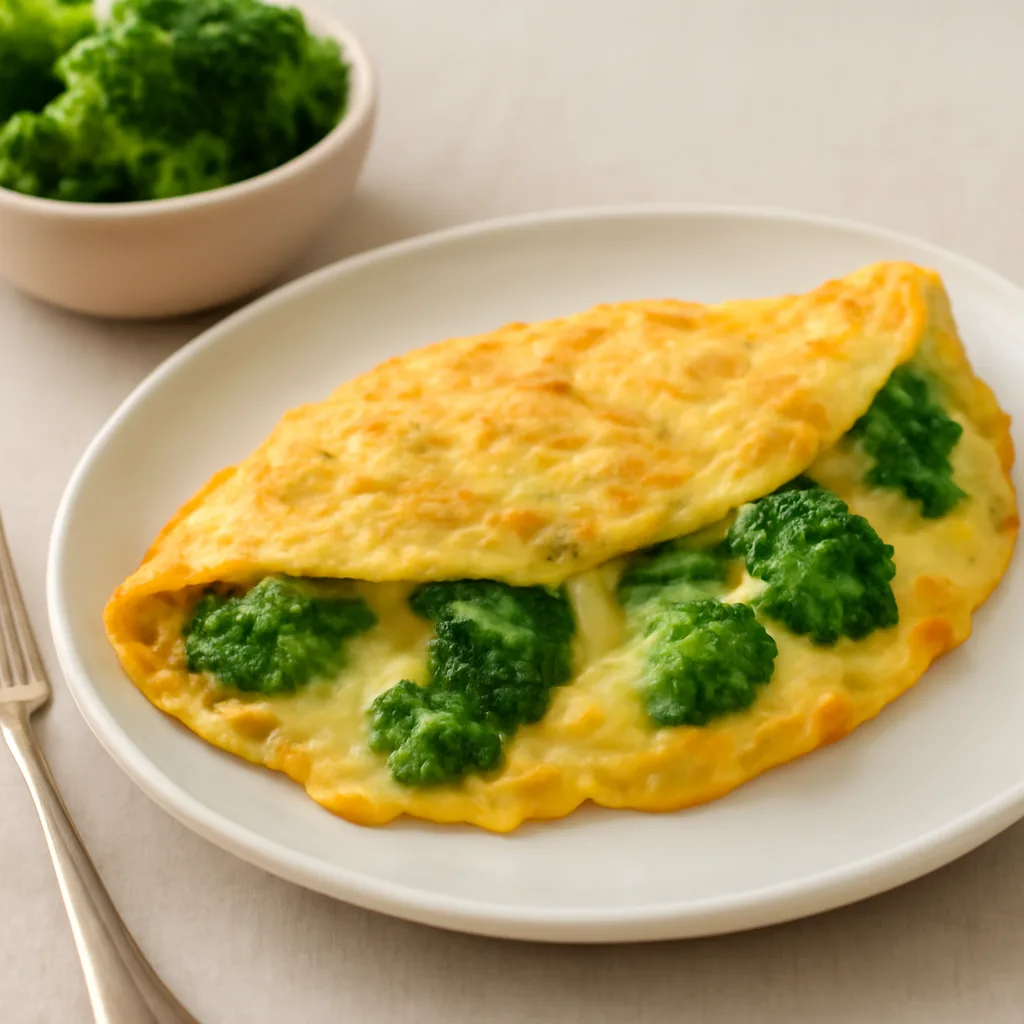
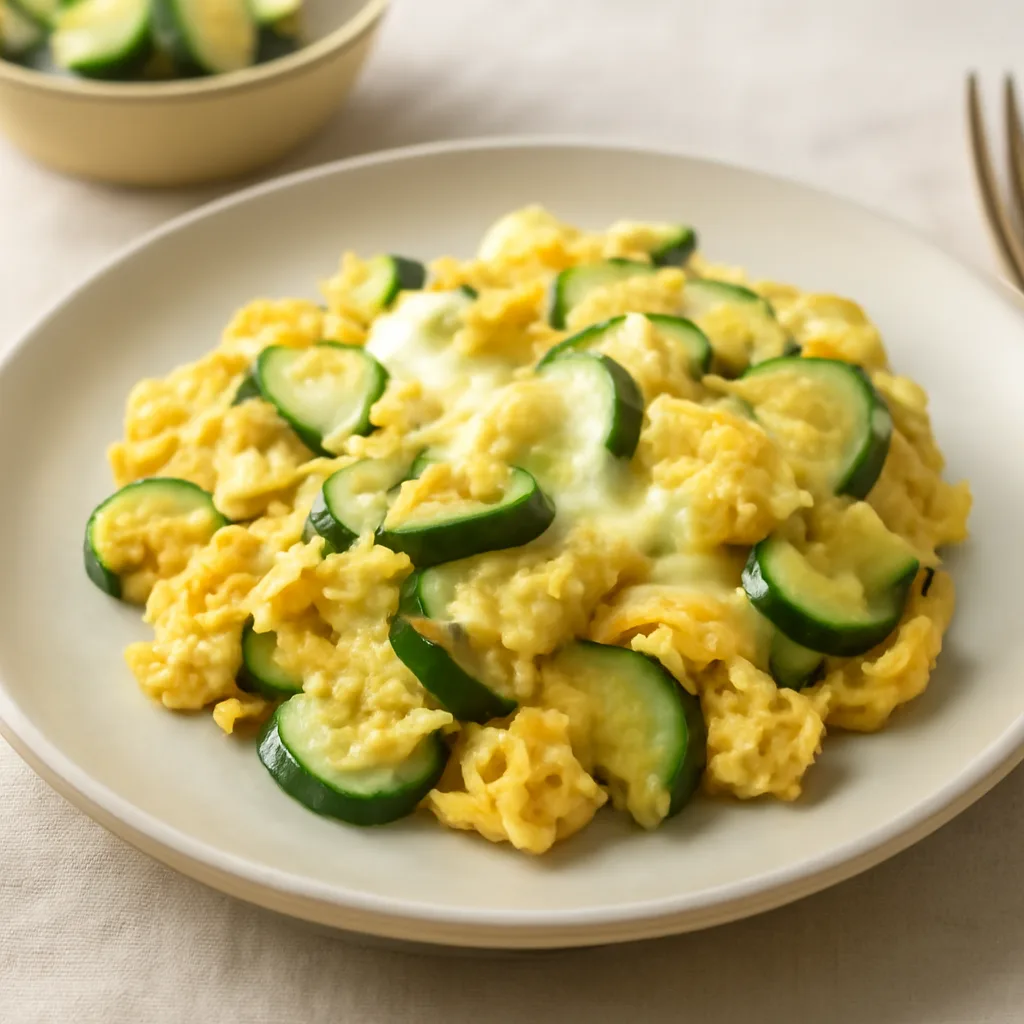
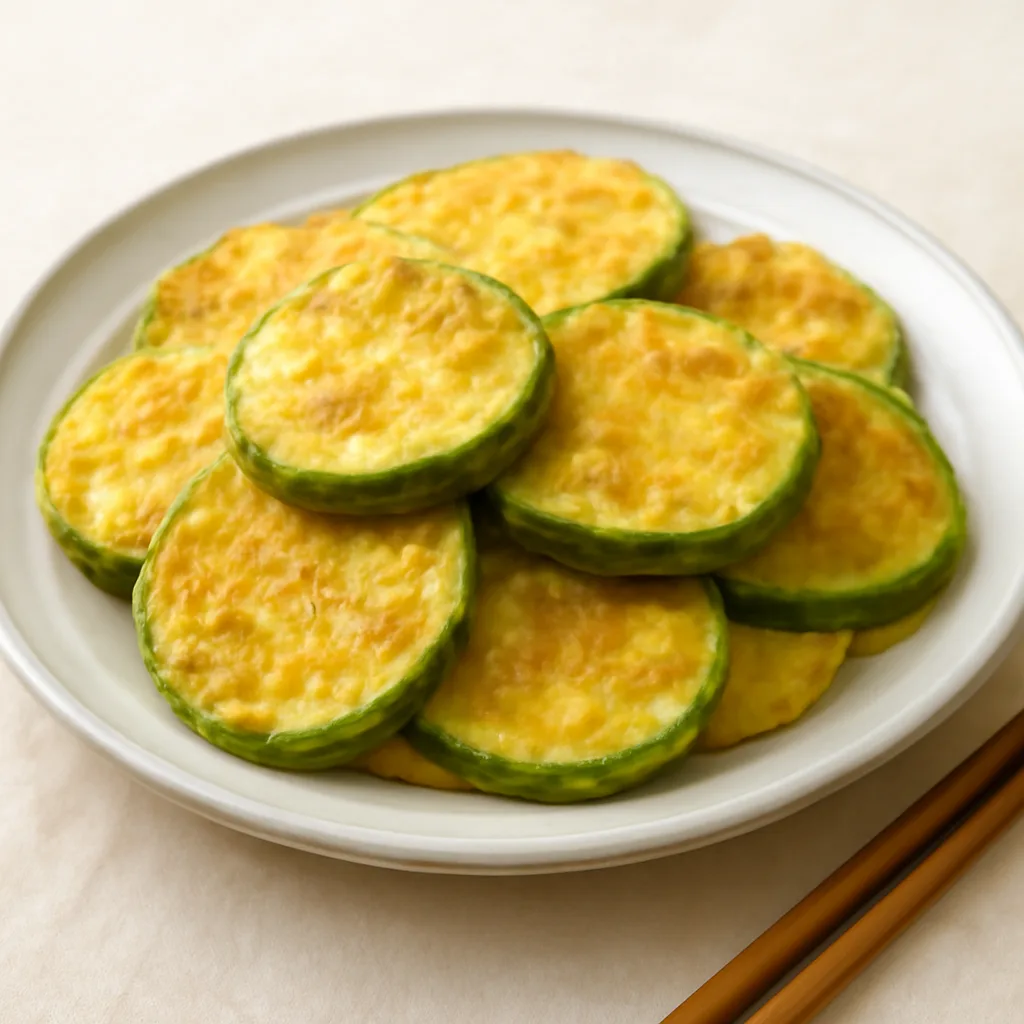
Shows dishes where this ingredient is a representative ingredient, sorted by view count.